Sanur Reef Dive Site
Bali, Indonesia · Near Sanur
Overview
Sanur Reef is the house reef accessible from Sanur beach on Bali's southeast coast. A shallow, easy reef that stretches along the coastline, mostly used for Open Water training and introductory dives. It's not going to win any awards, but it serves a purpose for divers who want to get wet without committing to a day trip.
The reef sits inside a lagoon protected by a shallow barrier reef. The inner section is very shallow (3-8 metres) with scattered coral bommies on sand. Outside the barrier reef, the slope drops to about 14 metres with better coral coverage and more interesting marine life.
Sanur is significant primarily as the departure point for fast boats to Nusa Penida, Nusa Lembongan, and the Gili Islands. Divers passing through often don't realise there's diveable reef right off the beach. It's not destination diving, but it fills a gap.
Marine Life at Sanur Reef
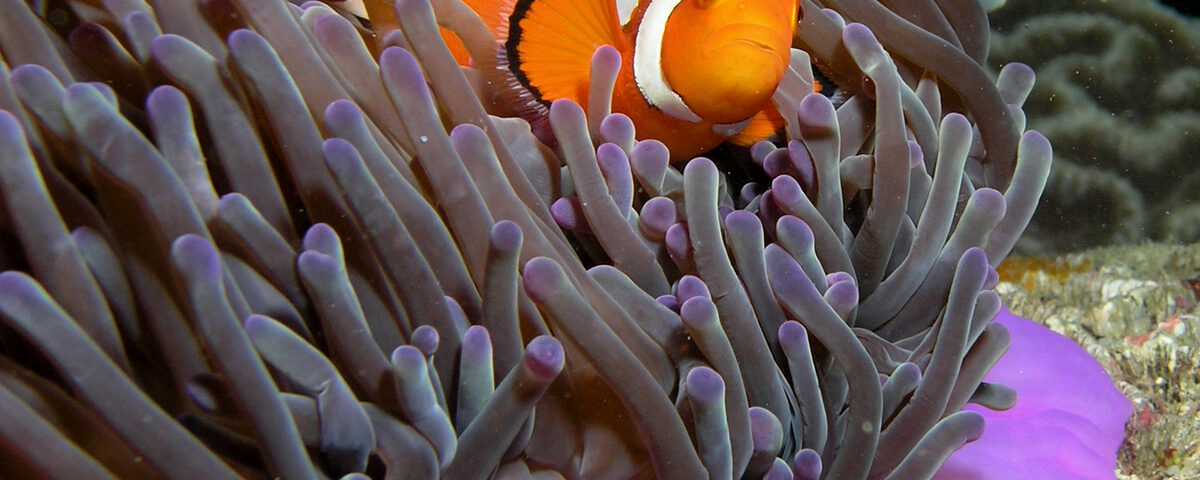
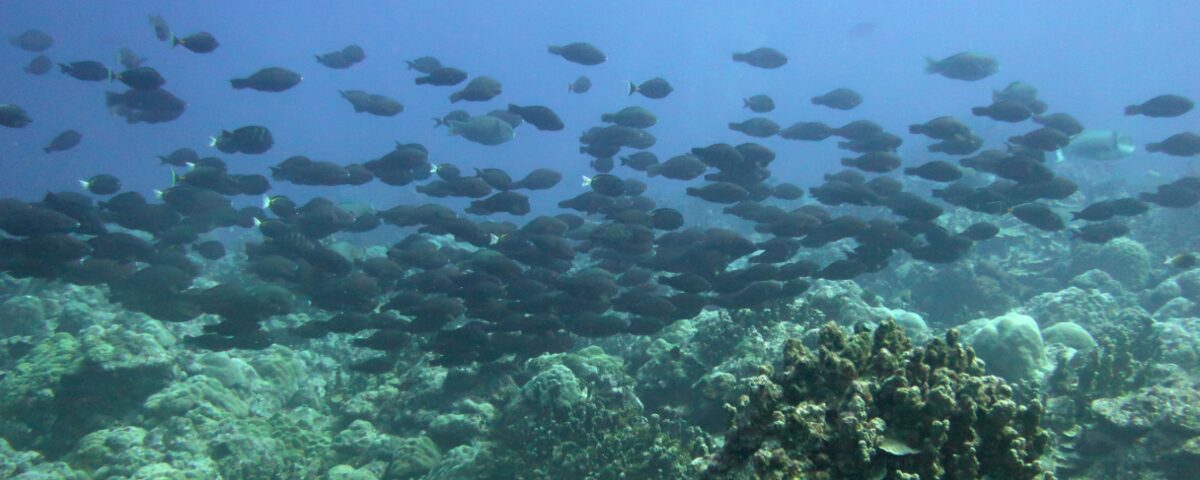
Inside the lagoon, the reef is typical shallow tropical reef — damselfish, anemonefish, parrotfish, and the usual suspects. Juvenile reef fish use the shallow bommies as nursery habitat. Moray eels, lionfish, and the occasional reef octopus add interest.
Outside the barrier reef, the marine life improves. Blue-spotted stingrays on the sandy slope, schools of snappers and fusiliers, and occasional larger visitors including small reef sharks. Sea turtles are sometimes spotted feeding on the reef.
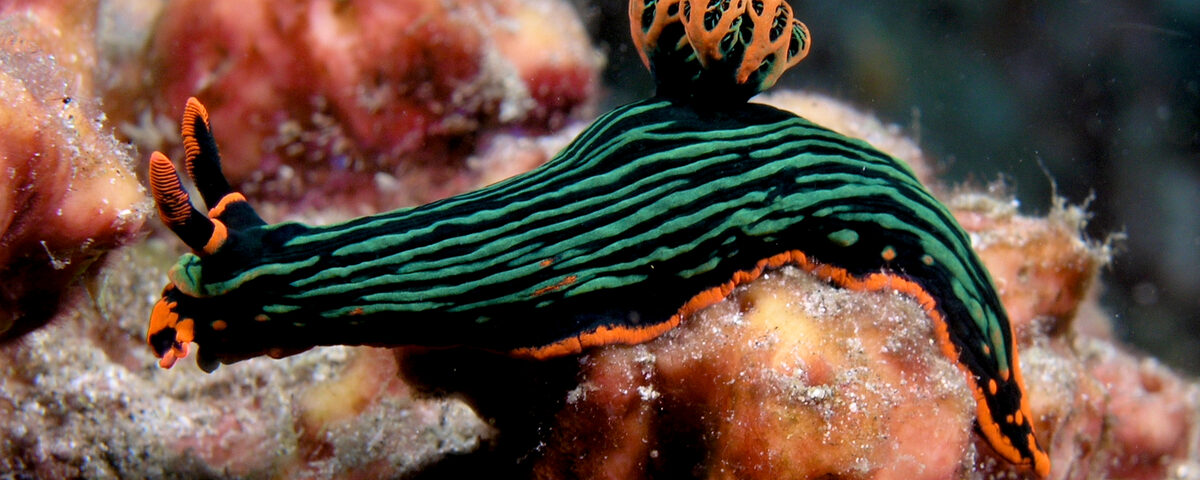
This is a muck-dive-adjacent site. The sandy areas between bommies hold critters for those willing to look — seahorses, pipefish, and nudibranchs have all been found here, though less consistently than at dedicated muck sites.
Dive Conditions
Very easy. Inside the lagoon, depth rarely exceeds 8 metres. No significant current. Entry from the beach or by small boat. Visibility is the main limitation — typically 5-10 metres in the lagoon due to sediment, improving to 10-15 metres outside the barrier reef.
The reef is diveable year-round, though the dry season (April-November) generally offers better visibility. This is primarily a training and introductory dive site, and conditions reflect that — unchallenging but not spectacular.
⚓ Divemaster Notes
Sanur reef is honest diving. It's not trying to be something it's not. Use it for what it's good at: equipment checks before a trip, refresher dives, Open Water skills, or a relaxed afternoon in the water when you don't want to commit to a day trip.
The best section is outside the barrier reef on the eastern side, accessed by a short boat ride. If you're shore-diving inside the lagoon, go at high tide when the shallows have more water coverage and the visibility tends to be slightly better.
Night dives off Sanur can be surprisingly rewarding. The shallow, sheltered conditions make for easy navigation, and the critters that come out after dark — hunting cuttlefish, Spanish dancers, and bobbit worms — elevate the site significantly.
Don't recommend this to experienced divers as a standalone destination. It works as a warm-up or filler, not a reason to plan a dive trip.
How to Get to Sanur Reef
Sanur is on Bali's southeast coast, about 30 minutes from the airport. It's well developed for tourism with a wide range of accommodation and restaurants. The reef is directly off the beach, accessible from most hotels along the Sanur beachfront.
Most divers encounter Sanur as their departure point for Nusa Penida and Lembongan day trips. The fast boats leave from Sanur harbour early morning.
Gear Recommendations
Basic gear only. Torch useful for looking under ledges and essential for night dives. Camera for macro work if you want to hunt for critters on the sand. No special equipment needed.
Recommended Dive Operators
Crystal Divers, Bali Dive Resort, and Sanur Dive all operate from Sanur with access to the local reef. Most are better known for their Nusa Penida day trips, but they'll run Sanur reef dives on request.
Liveaboard Options
Not a liveaboard destination.