Maaya Thila Dive Site
South Ari Atoll, Maldives · Near Mahibadhoo
Overview
Maaya Thila is widely regarded as one of the finest night dives in the world, a distinction earned by a submerged pinnacle in South Ari Atoll where the after-dark marine life transforms an already excellent day dive into something genuinely unforgettable. The thila rises from 30 metres to about 6 metres below the surface, compact enough to circumnavigate on a single dive and packed densely enough with life to justify visiting twice in a single day.
During the daytime, Maaya Thila is a solid Maldivian thila dive with the usual attractions: white-tip reef sharks resting under overhangs, Napoleon wrasse patrolling the reef edge, schools of fusilier and trevally streaming past in current, and healthy soft coral covering the overhang ceilings. The overhangs around the thila's perimeter at 10 to 20 metres are deep and dramatic, sheltering dense fish populations and providing the structure that makes the thila interesting.
At night, the site transforms. White-tip reef sharks emerge from their resting spots to hunt, and their hunting behaviour in torchlight is one of the most dramatic wildlife spectacles available to divers. The sharks work the reef in packs, their normally languid cruising replaced by aggressive, darting strikes at fish flushed from their sleeping spots by torch beams. Nurse sharks join the hunt, their bulky forms gliding over the reef top. Giant moray eels leave their daytime crevices to snake across the open reef. The nocturnal predator activity at Maaya Thila is intense and immediate.
The thila's position in South Ari Atoll places it in the path of the atoll's tidal currents, which flow through the channels between the islands. This current drives the productivity that supports the thila's marine community, and on strong current days the fish aggregations on the lee side are dense enough to obscure the reef behind them.
Maaya Thila is protected as a dive site, with mooring buoys and no-fishing regulations. The protection has maintained the reef health and the shark population that make the night dive legendary.
The thila's reputation as a night dive destination extends beyond the Maldives. Underwater photographers rank Maaya Thila among the world's top five night dives, alongside sites in Indonesia, Papua New Guinea, and the Philippines. The combination of hunting sharks, emerging moray eels, and the general nocturnal transformation of the reef creates an experience that is difficult to replicate elsewhere.
The site is protected, with mooring buoys preventing anchor damage. The limited number of boats permitted at the thila at any one time means encounters are relatively uncrowded, particularly for the night dive when only 1 to 2 operations share the site.
Marine Life at Maaya Thila
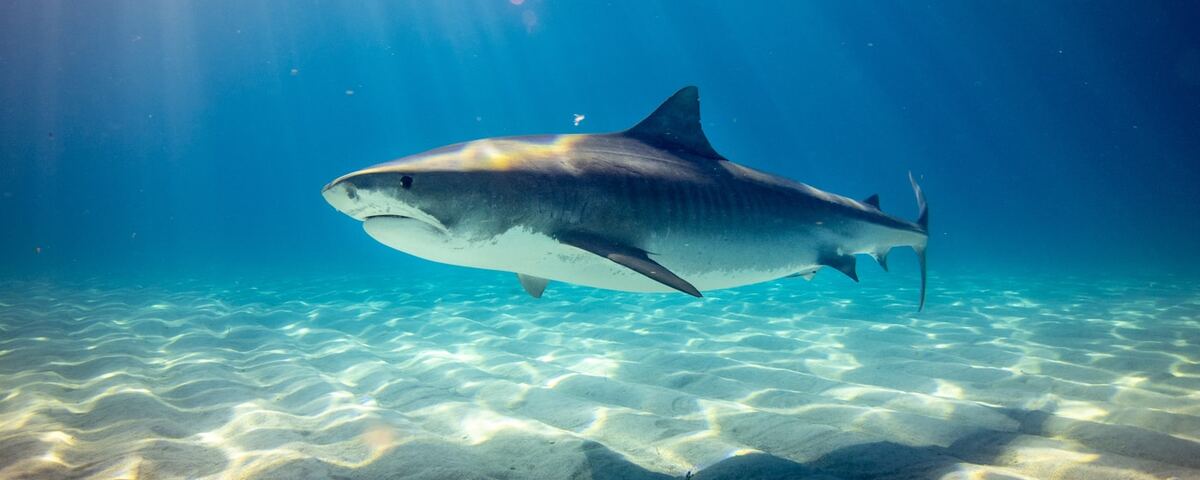
White-tip reef sharks are the signature species, resting under overhangs during the day and hunting aggressively at night. Daytime counts of 5 to 15 sharks are typical. At night, the same sharks become active hunters, patrolling the reef in groups and making rapid strikes at prey. Watching a white-tip shark accelerate from a standing hover to a full-speed attack in a fraction of a second is consistently breathtaking.
Nurse sharks patrol the thila's base at night, their slow, methodical hunting style contrasting with the white-tips' explosive attacks. Giant moray eels emerge at dusk, their long bodies weaving across the reef top in search of sleeping fish.
During the day, schools of fusilier, snapper, and banner fish stream along the thila's current-exposed sides. Napoleon wrasse visit regularly. Eagle rays pass by the deeper flanks. The overhangs shelter oriental sweetlips, groupers, and squirrelfish.
The soft coral coverage on the overhang ceilings is excellent, with Dendronephthya species in reds and oranges providing colour in the shaded environments. Sea fans spread across the current-exposed walls. Hard coral on the thila top is healthy and diverse.
Macro life includes nudibranchs, commensal shrimp, and the occasional leaf scorpionfish. The overhangs shelter cleaner shrimp stations where fish queue for parasite removal. Octopus are present, becoming more visible and active at night.
The night dive reveals a completely different cast. Spanish dancers (the large, spectacular red nudibranch) emerge to swim in the open water. Cuttlefish hunt across the reef, their colour changes dramatic under torchlight. Hermit crabs and decorator crabs traverse the coral surfaces. Sleeping parrotfish in their mucus cocoons are found on the reef top.
The thila's reef fish community is diverse and abundant. Schools of anthias swarm the coral surfaces in clouds of orange and pink. Damselfish defend their patches of algae with territorial aggression. Butterflyfish patrol in pairs. The reef community provides constant visual interest between the predator encounters.
Dive Conditions
The thila rises from 30 metres to 6 metres below the surface. The overhangs and caves are concentrated at 10 to 20 metres. The thila is compact enough for a single circumnavigation, though most divers prefer to explore one side thoroughly rather than rushing the circuit.
Current ranges from moderate to strong, with the tidal flow through the atoll determining strength and direction. Reef hooks are commonly used on the thila top for the day dive when current is running. For the night dive, current is typically lighter (divers choose slack water periods), but a reef hook remains useful.
Visibility is 15 to 30 metres during the day, reduced to 10 to 15 metres at night (torchlight range limits effective visibility regardless of water clarity). Water temperature is 27 to 30 degrees.
Advanced certification is recommended for the day dive due to current. Night dive experience is essential for the after-dark session. Most operators require a minimum number of logged night dives before permitting a Maaya Thila night dive.
The night dive is typically scheduled during the transition between tidal phases, when current is weakest. This provides the best combination of comfortable conditions and active marine life. Most operators limit night dive groups to 4 to 6 divers for safety and to minimise disturbance to the hunting predators.
⚓ Divemaster Notes
Maaya Thila at night is the single best dive I guide in the Maldives. I have done it over 150 times, and it still gives me an adrenaline rush. The white-tip sharks hunting in torchlight are one of the most visceral wildlife experiences I have ever had, and I have had quite a few.
I schedule the night dive for the slack water period between tidal changes. This gives the best combination of minimal current (making the dive manageable for guests) and maximum predator activity (the sharks hunt actively during the transition between tides). I check the tide tables for every night dive and adjust the drop time to hit the optimal window.
The torchlight protocol matters. I brief the group to keep their torches pointed downward and slightly ahead, not sweeping across the reef. The sweeping torch beams flush sleeping fish from their hiding spots, which triggers the shark hunting behaviour. This is exactly what we want to see, but it needs to happen in a controlled way: flush the fish at the edge of the group so the sharks hunt on the periphery rather than through the middle of the divers.
The moray eels at night are surprisingly bold. Giant morays over 2 metres long emerge from crevices and hunt across the open reef, sometimes brushing past divers who are focused on the sharks. They are not aggressive, but their size and sudden appearance in torchlight can startle anyone.
For the day dive, the overhangs on the northeastern side are the highlight. I take groups to the deepest overhang at about 18 metres, where the soft coral ceiling is densest and the sweetlips aggregation is largest. From there, we work around the thila at 12 to 15 metres, ascending gradually as air depletes.
One tip for guests: bring a backup torch for the night dive. A torch failure at Maaya Thila at night means you are in darkness with hunting sharks. It is not dangerous (the sharks are not interested in divers), but it is deeply unsettling.
How to Get to Maaya Thila
Maaya Thila is in South Ari Atoll, accessible by liveaboard or resort day trip. Resorts in South Ari (including the well-known LUX* South Ari Atoll and Lily Beach) offer regular day trips. Transfer from Male to South Ari Atoll takes approximately 25 minutes by seaplane or 2 hours by speedboat.
Liveaboard itineraries covering the Ari Atolls include Maaya Thila as a standard highlight. Night dives at the thila are typically scheduled for one evening during the Ari Atoll section of the itinerary.
Year-round diving, with the northeast monsoon (November to April) offering better visibility and more predictable currents.
Gear Recommendations
3mm wetsuit. Torch mandatory (backup torch essential for night dives). Wide-angle lens for sharks and reef scenes. Reef hook for day dives in current. SMB for safety stops. Nitrox recommended for the day dive depth.
Recommended Dive Operators
LUX* South Ari Atoll has experienced guides for the thila and regularly schedules night dives there. Lily Beach Resort runs competent Maaya Thila trips. Liveaboard operators including Carpe Diem Fleet, Emperor Maldives, and MV Horizon include the thila on their Ari Atoll routes.
Liveaboard Options
Maaya Thila is a highlight of Ari Atoll liveaboard itineraries. Carpe Diem Fleet, Emperor Maldives, and Horizon III all include the thila with dedicated night dive scheduling. Trips typically spend 2 to 3 days in South Ari Atoll. The night dive is usually offered once per trip, so prioritise it if your liveaboard gives the option. Book 2 to 4 months ahead for peak season.