Pescador Island Dive Site
Moalboal (Cebu), Philippines · Near Moalboal
Overview
Pescador Island is a tiny limestone pillar rising from the Tanon Strait, roughly 2 kilometres offshore from Moalboal. Above water it's unremarkable: a small, scrubby rock with some vegetation. Below the waterline, it's one of the best wall dives in the Visayas, with vertical drops, a dramatic underwater cathedral, and marine life density that reflects its position in one of the Philippines' richest marine corridors.
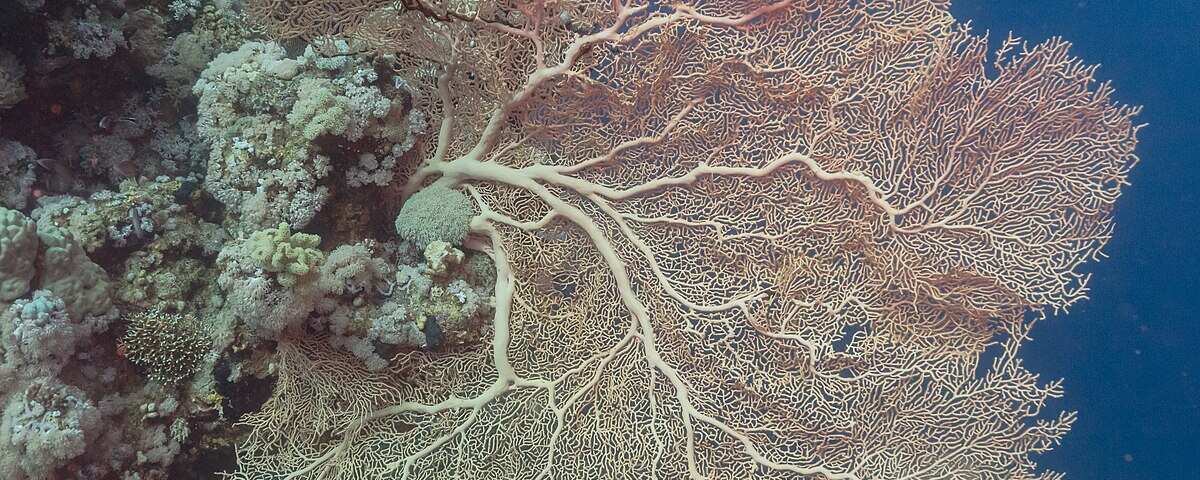
The island's circumference is small enough to swim around in a single dive, which means you can choose to drift one side or do the full circuit depending on current and bottom time. The walls drop vertically from 5 metres to beyond recreational limits, covered in soft corals, gorgonian fans, and sponges that thrive in the current flowing through the Tanon Strait.
The Cathedral is Pescador's signature feature: a natural chimney in the reef that opens at about 18 metres and extends upward through the rock, with shafts of light penetrating from openings above. Swimming into the Cathedral and looking up at the light filtering down through the narrow opening is one of those diving moments that photographs beautifully but feels even better in person.
Pescador sits in the Tanon Strait, which separates Cebu from Negros Island. This strait is a migratory corridor for whale sharks, dolphins, and other pelagic species, and Pescador's position in the middle of this flow means unexpected visitors are a genuine possibility on any dive. The reef health is excellent, protected by its marine sanctuary status, and the combination of walls, the Cathedral, and pelagic potential makes this Moalboal's premier boat dive.
Pescador Island's cathedral is one of several notable underwater cathedral formations in the Philippines, but this one is distinctive for its accessibility. Unlike cathedral formations at deeper or more remote sites, Pescador's chimney is at a comfortable 18 metres and can be reached from shore-accessible dive operations. The light effects inside the chimney change with the time of day and the cloud cover, meaning no two visits produce identical experiences.
Marine Life at Pescador Island
The walls are covered in soft corals, gorgonian fans, and barrel sponges, with the density increasing below 15 metres where the current delivers nutrients. Sea fans spread across the current-facing surfaces in impressive sizes. Crinoids cling to the fans in multiple colours, and commensal species hide among the crinoid arms.
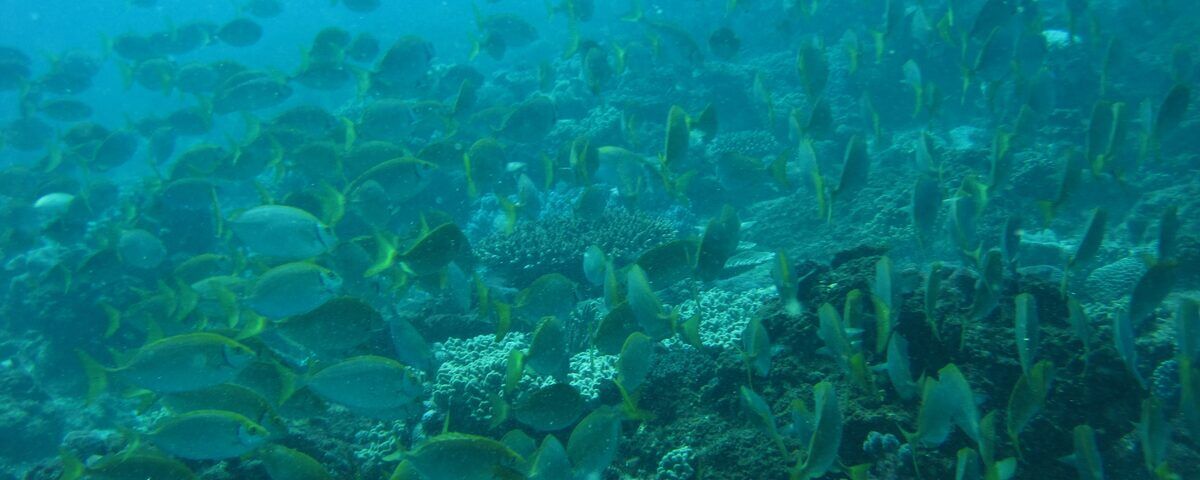
Schools of jacks and barracuda circle the island, particularly on the current-exposed side. White-tip and black-tip reef sharks are regular visitors. Turtles rest on the wall's ledges and overhangs. Schools of snapper and sweetlips cluster under overhangs throughout the circumference.
The Cathedral provides a unique photographic opportunity. The chimney interior is illuminated by natural light from above, creating dramatic shafts that cut through the dark water. Schools of glassfish fill the Cathedral's interior, and lionfish station themselves at the entrances.
The deep sections of the wall (30 to 40 metres) occasionally produce sightings of larger pelagics: hammerhead sharks have been reported, and the Tanon Strait location means whale sharks pass through the area seasonally. Seahorses are found on some sections of the wall, though they require experienced guides to locate.
Macro life is solid throughout: nudibranchs, flatworms, ghost pipefish, and various species of shrimp occupy the wall's nooks and crannies. The combination of wall, Cathedral, and macro makes this a versatile site that rewards both wide-angle and macro photography approaches.
The Tanon Strait location gives Pescador Island a pelagic dimension that pure reef sites lack. The strait is a migration corridor for cetaceans, including spinner dolphins that are frequently spotted from the boat between dives. Underwater, the strait's current delivers nutrients that support the wall's marine life at densities that sheltered reefs cannot match. The combination of wall structure, nutrient flow, and deep-water proximity creates conditions where reef species and pelagic visitors overlap.
The wall at Pescador hosts cleaning stations where large reef fish present themselves for parasite removal. Watching a 30-kilogram grouper hover motionless at a cleaning station while tiny cleaner wrasse enter its gill slits is one of those reef behaviours that never stops being fascinating, regardless of how many times you've seen it. The trust dynamic between the predator (grouper) and the prey-sized cleaner wrasse (which could be eaten but never is) demonstrates the evolutionary sophistication of reef mutualism.
Dive Conditions
The walls at Pescador drop from 5 metres to beyond 40 metres, with most of the interesting life between 10 and 30 metres. The Cathedral is accessible at around 18 metres. Intermediate divers can enjoy the upper wall and Cathedral; advanced divers can explore the deeper sections and make the full circumnavigation.
Current is mild to moderate, typically running along one side of the island. Your guide will choose the circuit direction based on the current, usually starting on the upstream side and drifting around to the lee side. In stronger current, the dive may cover only half the island.
Visibility is 10 to 30 metres, generally better than at Panagsama Beach because of the offshore position. Water temperature is 26 to 30 degrees. Entry is by banca from Moalboal, approximately 15 to 20 minutes.
A marine sanctuary fee applies for diving at Pescador Island, payable through your dive operator. The fee supports local conservation management.
Pescador Island offers genuinely different experiences depending on the time of day and the current direction. Morning dives on the east wall catch the early light, which illuminates the soft corals and fans from a low angle. Afternoon dives on the west wall offer warmer light and better conditions for the Cathedral when the sun is positioned to send light through the chimney opening.
The cathedral is best experienced during the mid-morning hours when the sun is high enough to send direct light down through the chimney. Earlier in the morning, the light angle produces different effects: more dramatic shafts but less overall illumination. Both are worth experiencing, and photography-focused divers should consider diving the Cathedral at different times to capture the full range of lighting conditions.
⚓ Divemaster Notes
Pescador Island is the boat dive that completes a Moalboal diving trip. The sardine run is the headline, but Pescador is the wall dive that shows you why the Tanon Strait is one of the Philippines' most important marine corridors.
The Cathedral is best experienced with natural light from above, so time your visit for mid-morning when the sun angle puts light directly into the chimney opening. The effect is dramatic: shafts of sunlight cutting through the dark interior, illuminating the glassfish and creating a visual that justifies the site's name.
For the circumnavigation, I prefer to start on the deeper, current-exposed side where the fans and soft corals are most impressive, then work around to the sheltered side for the Cathedral and shallow coral sections. This puts the high-energy section first (when air is plentiful and the group is fresh) and the more detailed exploration second.
Watch your depth on the walls. The vertical drops make it easy to sink deeper than planned, especially when following a turtle or tracking a shark that's descending along the wall. Set a depth alarm on your computer and respect it.
Night dives at Pescador are spectacular but require a competent boat crew. The walls come alive with hunting octopus, basket stars extending their arms to filter feed, and the nocturnal shrimp and crab population emerging from their daytime hiding spots.
The Cathedral photography technique I teach to visiting photographers: enter the chimney and look upward. Position your buddy above the chimney opening and have them silhouette against the light coming from above. The resulting image, a diver framed by the chimney walls with light streaming from above, is one of the most iconic compositions in Philippine underwater photography.
The wall at Pescador has been the subject of regular marine surveys that track coral health and fish populations over time. The data shows stable or improving conditions over the past decade, which is encouraging in a region where many reefs are declining. The marine sanctuary status and the economic value of dive tourism to the local community are the primary drivers of this protection.
How to Get to Pescador Island
Pescador Island is about 2 kilometres offshore from Panagsama Beach, Moalboal. Banca boats from Moalboal dive operators reach the island in 15 to 20 minutes. All Moalboal dive centres offer Pescador Island trips as part of their standard rotation.
Moalboal is reached from Cebu-Mactan International Airport by a 3-hour road transfer. Most divers combine Pescador Island diving with the sardine run at Panagsama Beach for a varied Moalboal diving experience.
The combination of Pescador Island and the Panagsama Beach sardine run makes Moalboal one of the best two-site diving destinations in the Philippines. A morning boat dive at Pescador followed by an afternoon shore dive at the sardine run gives you wall diving, a cathedral, and millions of sardines in a single day. Very few dive destinations can offer that range of experiences within such a short distance.
Gear Recommendations
3mm wetsuit. Wide-angle lens for the walls and Cathedral. Macro lens useful for the wall critters. Torch essential for the Cathedral interior and recommended for looking into wall crevices. SMB for the ascent. Nitrox useful for extended wall time at depth.
Recommended Dive Operators
Savedra Dive Center runs excellent Pescador Island trips with guides who know every section of the wall and the Cathedral entry points. Neptune Diving Adventure offers reliable access with good pre-dive briefings. Cebu Dive Centre includes Pescador on their standard packages. All Moalboal operators visit this site regularly.
Liveaboard Options
Pescador Island is dived as a day trip from Moalboal. Liveaboard access is possible but unnecessary given the short banca ride from Panagsama Beach.