Sardine Run (Panagsama Beach) Dive Site
Moalboal (Cebu), Philippines · Near Moalboal
Overview
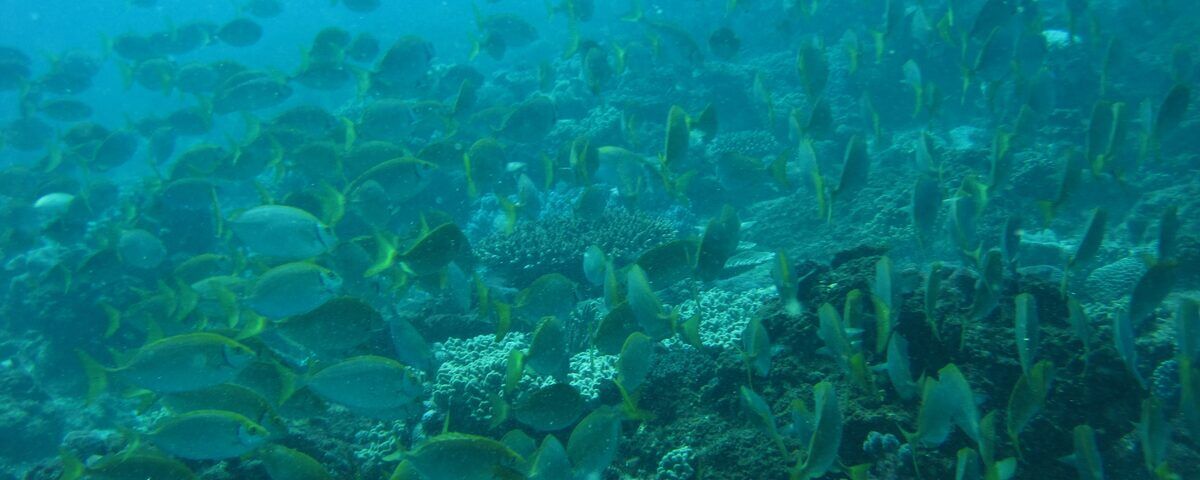
Moalboal's sardine run is one of the most accessible marine spectacles in the world, and it happens every single day. Millions of sardines form a massive baitball just metres from Panagsama Beach, close enough that you can walk into the water from the shore, swim 20 metres, and find yourself surrounded by a swirling, shimmering wall of fish so dense it blocks out the light.
The sardine school at Moalboal is a resident population, not a seasonal migration. Unlike the famous sardine run in South Africa, which happens once a year and requires expedition-level logistics, Moalboal's sardines are here every day, year-round. They moved inshore to Panagsama Beach around 1998 and have stayed ever since, creating a permanent marine attraction that can be experienced by snorkellers, freedivers, and scuba divers alike.
The school typically numbers in the millions, though exact counts are impossible. It hangs above the reef between 3 and 15 metres, shifting position throughout the day in response to tides, currents, and predator activity. In the morning, the school tends to be tighter and closer to shore. By afternoon, it may spread out or move slightly along the coast. The fish are present regardless, and finding them rarely takes more than a few minutes.
This is diving at its most democratic. You don't need advanced certification, expensive liveaboard trips, or lucky timing. You need a mask, fins, and the ability to swim 20 metres from a beach. The sardine run is available to everyone, every day, and it delivers an experience that rivals anything the big-ticket dive destinations can offer.
The origin of Moalboal's resident sardine school is a topic of local lore. The school reportedly appeared at Panagsama Beach around 1998, possibly driven inshore by predator pressure or habitat changes in the deeper water. Whatever caused the initial arrival, the fish have remained, creating a permanent attraction that has transformed Moalboal from a quiet provincial dive town into one of the Philippines' most visited diving destinations.
Marine Life at Sardine Run (Panagsama Beach)
The sardine school is the main event: a swirling, shifting mass of millions of sardines that forms shapes and patterns in response to current, light, and predator pressure. The school moves as a single organism, contracting into a tight ball when threatened and stretching into ribbons and curtains when relaxed. Swimming alongside the school, or hovering beneath it and looking up at the sunlight filtering through millions of silver bodies, is one of diving's most visually stunning experiences.
Predators work the school throughout the day. Trevally make high-speed passes through the baitball, scattering fish in explosions of silver that reform seconds later. Barracuda circle the school's edges. Needlefish pick off stragglers near the surface. The predation creates dynamic, constantly changing formations that make every dive different.
The reef beneath the sardine school is a healthy drop-off with coral growth and typical Philippine reef fish species. Turtles are common at Panagsama Beach, often seen feeding or resting near the sardine school. Frogfish, nudibranchs, and octopus are found on the reef for macro-focused divers. At night, the sardines descend closer to the reef, and night dives offer a completely different perspective on the school.
Occasionally, larger predators visit: whale sharks have been seen at Moalboal (rarely), and thresher sharks from the nearby deep water make occasional appearances. These are bonuses, not expectations.
The sardine school interacts with the reef ecosystem in ways that extend beyond simple predator-prey dynamics. The fish produce waste that fertilises the reef below, contributing to coral and algae growth. The school also attracts planktivores that wouldn't otherwise concentrate in the shallow coastal zone. The entire Panagsama Beach ecosystem has been altered by the presence of millions of sardines, creating conditions that benefit a wider range of species than the sardines alone.
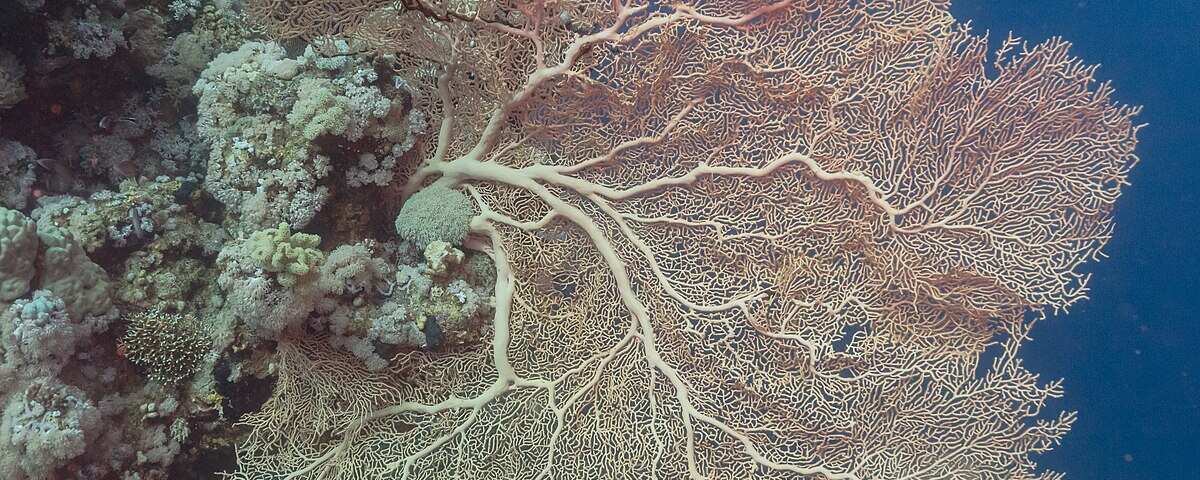
The reef drop-off beneath the sardine school is itself a worthy dive site. Coral coverage is healthy, with hard corals on the upper sections and sea fans on the deeper wall. Frogfish are found on the wall with reasonable regularity, and the reef hosts a range of macro subjects including nudibranchs, flatworms, and cleaning stations where groupers and parrotfish queue for attention from cleaner wrasse. The sardine school simply elevates an already good reef dive to an exceptional one.
Dive Conditions
The sardine run at Panagsama Beach is a shore dive, one of the easiest entries in Philippine diving. Walk into the water from the beach, swim a short distance over the sandy shallows, and the reef drop-off begins at about 3 to 5 metres. The sardine school is typically found above the drop-off, within the first 50 metres from shore.
Current is mild, rarely more than a gentle drift along the coast. Visibility ranges from 10 to 25 metres. Water temperature is a comfortable 26 to 30 degrees year-round. The site is diveable in all conditions except severe weather, which is rare.
The shallow depth and shore access make this suitable for absolute beginners, including discovery dive (try-dive) participants. There's no boat required, no current to manage, and the marine life is so close to shore that even snorkellers in shallow water can experience the sardine school.
The reef drop-off below the sardines extends to 40 metres and beyond, offering additional diving for advanced divers who want to explore the wall after the sardine experience.
The shore dive format at Panagsama Beach has practical advantages beyond simplicity. You can dive at any time, for any duration, without boat scheduling constraints. Want to do a 20-minute sardine swim before breakfast? Walk in from the beach. Want a 90-minute night dive with the sardines? Walk in after dinner. The flexibility is unmatched by any boat-based dive site.
⚓ Divemaster Notes
The Moalboal sardine run is the dive I recommend to people who think diving is all about expensive destinations and rare encounters. This is millions of sardines, visible from a beach, available every day, for the price of a shore dive. It's the best value marine experience in Southeast Asia, and I'll fight anyone who disagrees.
Timing matters for the quality of the encounter. Early morning (before 8:00 AM) typically produces the tightest baitball formations, with the school compressed close to shore before the day's boat traffic and snorkelling groups spread them out. Late afternoon is also good, as the school tends to reconsolidate before dark.
The best photographic position is underneath the school, looking up. Drop to 10 to 12 metres on the reef wall, stabilise your buoyancy, and shoot upward through the sardines towards the sunlight. The silhouettes of millions of fish against the sun create images that look like they required an expedition to capture. Nobody needs to know you walked into the water from a beach bar.
Night dives at Panagsama are underrated. The sardines descend closer to the reef and form denser formations. Your torch beam creates dramatic lighting effects through the school, and the hunting behaviour of predators changes: cuttlefish and squid join the nocturnal hunting cast. The combination of sardines and night diving is something I've only experienced at Moalboal.
Don't ignore the reef itself. The drop-off at Panagsama hosts turtles, frogfish, and good coral coverage that would be noteworthy at any dive site. The sardines steal the show, but the supporting cast is solid.
One underappreciated aspect of the Moalboal sardine run is the freediving opportunity. Freedivers can interact with the school in a way that scuba divers cannot: no bubbles, no noise, no gear bulk. The sardines respond differently to freedivers, allowing closer approaches and more natural behaviour. If you freedive as well as scuba dive, bring your freediving gear to Moalboal.
The local government has established a marine sanctuary fee for diving at Panagsama Beach, and the revenue supports reef monitoring and protection. The sardine population is regularly surveyed by local marine biologists, and the data shows the school has remained stable in size since monitoring began. This stability suggests the ecosystem is sustainable, but continued protection is essential to prevent the conditions that could cause the school to relocate or disperse.
How to Get to Sardine Run (Panagsama Beach)
Moalboal is on the southwest coast of Cebu, approximately 3 hours by road from Cebu-Mactan International Airport. Buses and vans run regularly from Cebu City's South Bus Terminal to Moalboal. Private transfers can be arranged through dive shops and accommodations.
Panagsama Beach is the diving area of Moalboal, about 3 kilometres from the town centre. Most dive shops and budget to mid-range accommodation are located along Panagsama Beach, placing the sardine run literally on your doorstep.
The sardine run is available year-round with no seasonal restrictions. Some divers combine Moalboal with Malapascua (for thresher sharks) and/or Oslob (for whale sharks, though this is a controversial feeding operation) on a Cebu diving circuit.
Gear Recommendations
Standard tropical gear: 3mm wetsuit or rash guard. Mask and fins are genuinely all you need for the shore dive. Wide-angle lens for the sardine school shots. Macro lens useful for the reef life below the baitball. Torch for night dives. No SMB needed for shore dives. No reef hook needed.
Recommended Dive Operators
Savedra Dive Center is the largest and most established operation in Moalboal, with decades of experience and a full range of courses and dive packages. Neptune Diving Adventure offers reliable sardine run dives and reef diving along Panagsama Beach. Cebu Dive Centre runs well-organised shore dives with knowledgeable local guides. Fun and Sun Dive & Travel provides budget-friendly packages that include sardine run access alongside other Moalboal sites.
Liveaboard Options
Moalboal is not a liveaboard destination. Shore diving and day trips from Panagsama Beach are the standard access. The beauty of the sardine run is its simplicity: you don't need a boat to see it.