Bio Rocks Dive Site
Gili Islands, Indonesia · Near Gili Trawangan
Overview
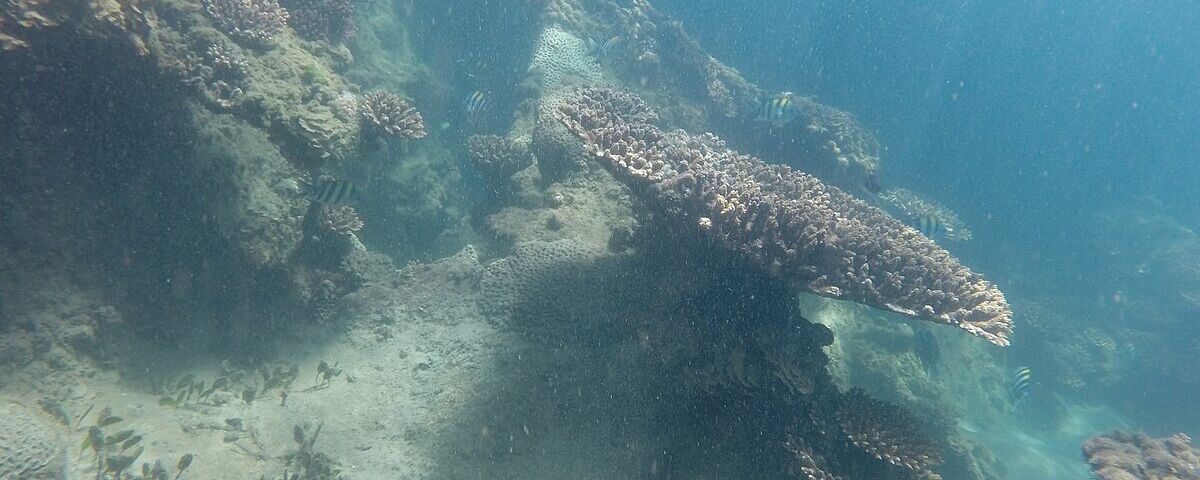
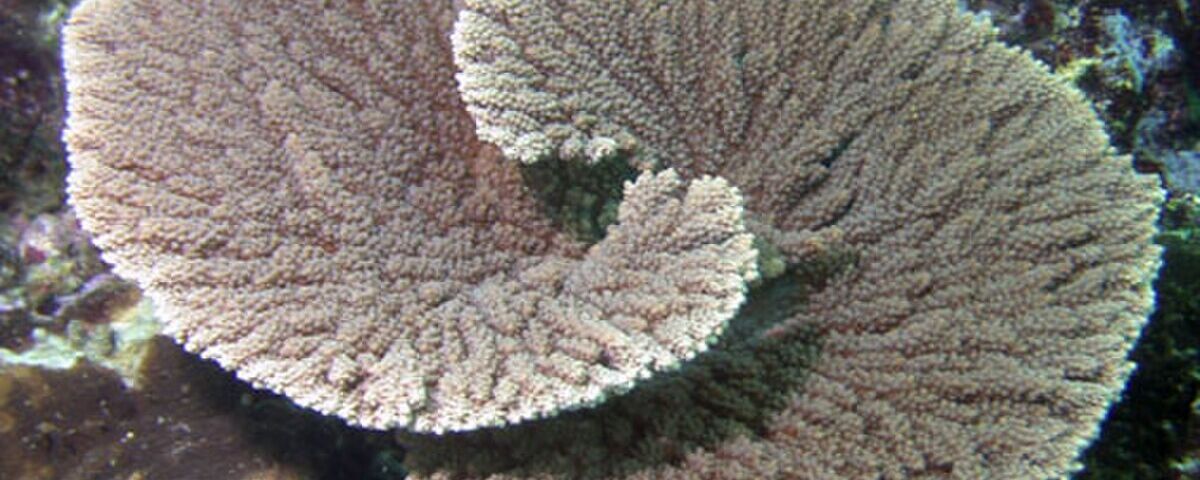
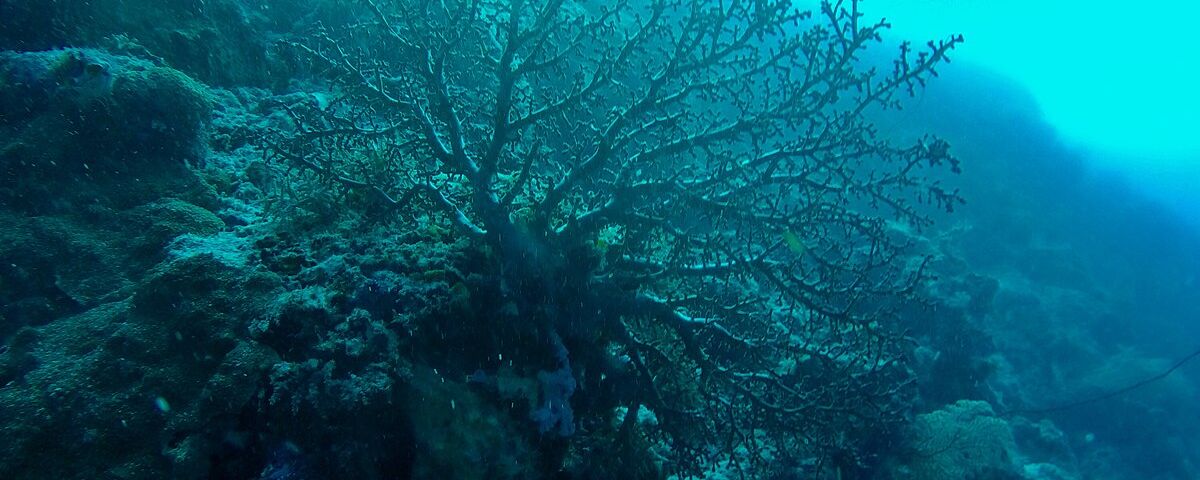
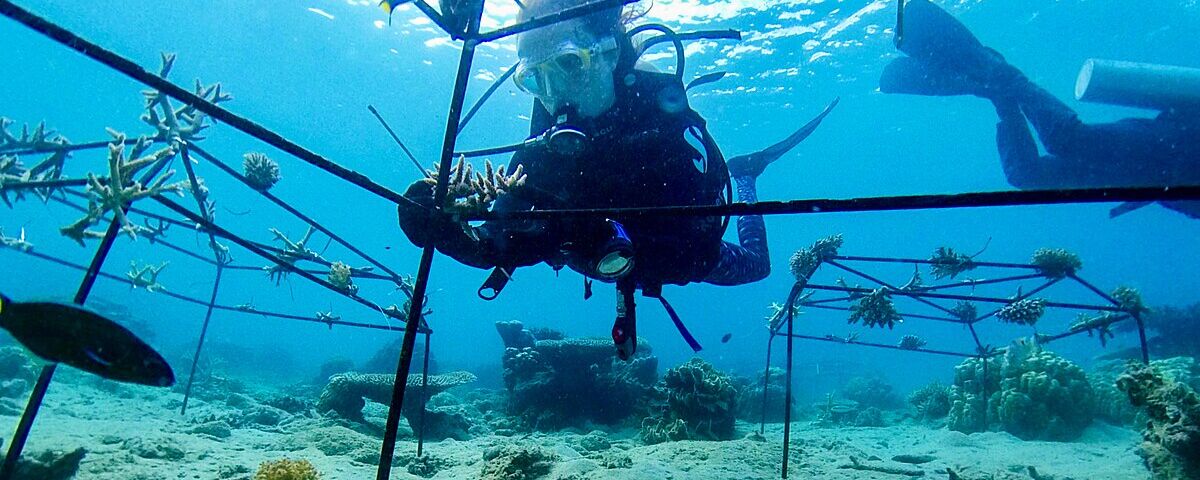
Over 120 Biorock structures sit in the waters around the Gili Islands, and the densest concentration is on the east side of Gili Trawangan at a site simply called Bio Rocks. These metal frames carry a low-voltage electrical current that accelerates coral growth by attracting dissolved minerals from the seawater, and the older structures here have transformed into thriving artificial reefs that are barely recognisable as man-made after 20 years of coral colonisation.
The site is shallow, calm, and packed with macro life that hides in the structures and surrounding rubble. Pipefish cling to the frames, juvenile frogfish sit on coral-encrusted surfaces in colours that don't match their adult camouflage, flatworms glide across hard surfaces, and crustaceans of various species occupy the artificial crevices. It's the kind of dive where moving slowly and looking carefully reveals ten times more than swimming fast and covering ground.
Bio Rocks matters beyond just the diving experience. The Gili Eco Trust's restoration programme here is one of the most established reef rehabilitation projects in Southeast Asia, running since the early 2000s. Diving the site is equal parts tourism and conservation education. You can see firsthand how artificial intervention can kickstart reef recovery on reefs damaged by dynamite fishing and coral bleaching, and the results after two decades of continuous work are genuinely impressive.
The site won't appeal to everyone. There are no sharks, no dramatic walls, no pelagic encounters. But for divers interested in marine biology, conservation, macro photography, or simply seeing something different from the standard reef dive, Bio Rocks offers a unique experience that no natural site in the Gilis can replicate.
The scientific aspect of the Biorock technology is straightforward but effective. A low-voltage current (typically from solar panels on the surface) runs through the submerged metal frames, creating a chemical reaction that deposits calcium carbonate on the metal surface. This mineral layer provides an ideal substrate for coral larvae to attach to, and the electrical current appears to accelerate coral growth rates by three to five times compared to natural colonisation. The result is rapid reef building on structures that would otherwise take decades to develop natural coral coverage.
Marine Life at Bio Rocks
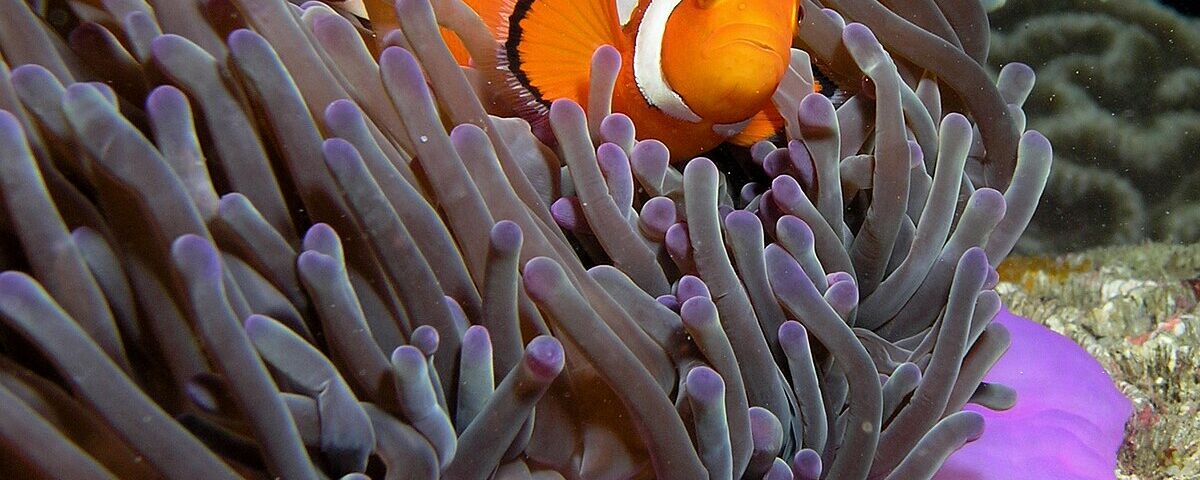
Macro life is the focus and the reward. Pipefish are common on the structures, their elongated bodies aligned with the metal frames and coral branches. Juvenile frogfish appear on the frames in various colours, sometimes vivid yellow or orange, not yet settled into the mottled camouflage of adult animals. Flatworms glide across surfaces with their delicate, ruffled edges. Various crustaceans occupy the structure crevices, including mantis shrimp (both peacock and spearing varieties), cleaner shrimp, and tiny porcelain crabs sitting in anemones attached to the frames.
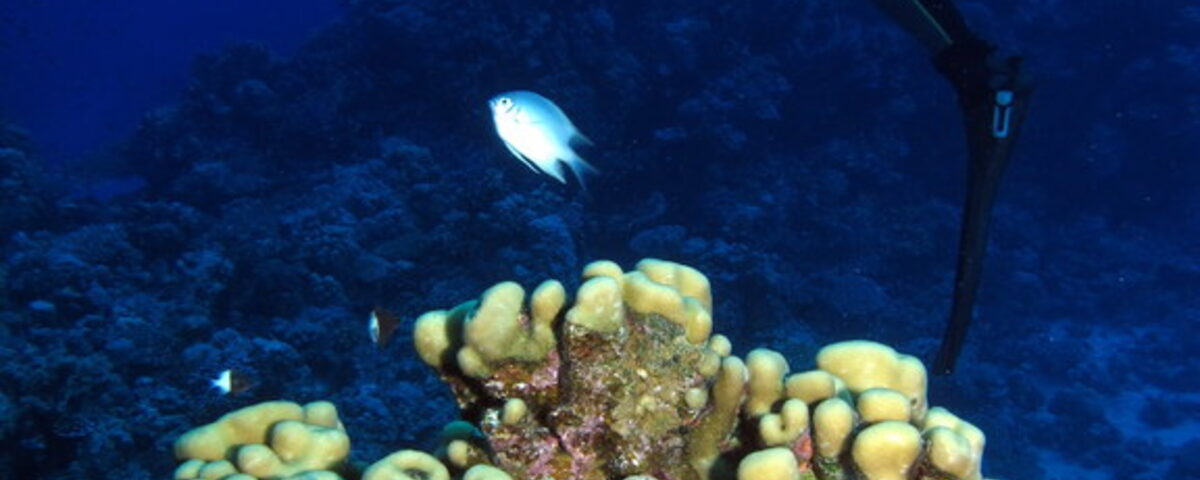
The established Biorock structures support damselfish colonies that defend their patches of growing coral with comical aggression, darting at divers' masks and nibbling at fins. Juvenile reef fish of dozens of species shelter in the coral growth on the older frames, using the structures as nursery habitat before graduating to the natural reef. The variety of juvenile fish is actually one of the site's scientific interests, as the structures appear to enhance recruitment of reef species.
The surrounding natural reef has its own residents beyond the structures: turtles pass through on their way between feeding areas, moray eels occupy holes, and the standard Gili reef fish community is present in the hard and soft corals. Seahorses (common species, not pygmy) have been found near the structures during certain seasons. The shallow depth means you dive in natural light conditions that reveal colours well, making the site visually appealing for photography despite the lower visibility compared to offshore sites.
Dive Conditions
Bio Rocks is the calmest dive site on Gili Trawangan, and arguably the calmest in the entire Gili Islands. Sheltered on the east coast behind the island, it experiences negligible current and minimal surge in virtually all weather conditions. Maximum depth is about 15 metres, with most structures sitting between 3 and 10 metres. The shallow profile allows long dives of 60 minutes or more without approaching any limits.
Visibility is typically 8 to 15 metres, occasionally better when conditions are clear across the sheltered east coast. The vis is generally lower than at the offshore sites because the sheltered position allows sediment to settle rather than being swept away by current. The sheltered position means the site is diveable in all weather and all seasons, making it a reliable fallback when conditions close other sites.
Shore entry is available from some points on Gili Trawangan's east coast, or operators run short boat trips to the site. The conditions make this an ideal location for Open Water training dives, discovery dives for non-certified snorkellers wanting to try, and extended macro photography dives where time in the water matters more than depth or current.
⚓ Divemaster Notes
Bio Rocks isn't going to excite divers looking for sharks, walls, deep water, or adrenaline. That's fine. It's not trying to be that kind of site. What it offers is a slow, detailed dive where the reward is directly proportional to how carefully and patiently you look. Rushing through Bio Rocks is like running through an art gallery; you'll see the frames but miss everything that matters.
I use this site for two main purposes: training dives (the conditions are perfect for new divers) and macro photography sessions (the critter density on the structures is genuinely good). If neither of those interests you, choose a different site from the rotation.
The conservation angle is genuine and worth engaging with. The Biorock programme in the Gilis has been running for over two decades and the results are visible in a way that makes the science tangible. Comparing a newly installed frame (bare metal with initial calcium deposits) with a structure that's been growing for 15 years (covered in healthy coral, surrounded by fish, indistinguishable from natural reef) shows the potential of the technology clearly. If you're interested in marine conservation beyond just admiring reefs, this dive provides real context.
For photographers, shoot the structures from low angles to get the coral growth silhouetted against the natural light above. The contrast between the geometric metal frames and the organic coral growth creates compositions that are distinctive and tell a story. Early morning light is best, before the sand gets stirred up by other groups and before the sun is directly overhead.
One practical note about expectations: the visibility here is generally lower than at the offshore sites. If you've been diving sites with 25-metre vis all week, the 10 to 15 metres at Bio Rocks might feel murky in comparison. Adjust your expectations, focus on close-up subjects within a metre or two, and appreciate the site for what it uniquely offers rather than comparing it to sites designed for different experiences.
If you dive Bio Rocks and enjoy it, consider signing up for the Gili Eco Trust's reef gardening programme. It's a half-day activity where you learn about the Biorock technology, help transplant coral fragments onto new structures, and assist with cleaning and maintenance of existing frames. It's not diving in the traditional sense but it's a meaningful way to contribute to the reef health that makes all the other Gili dive sites possible.
How to Get to Bio Rocks
Bio Rocks is on Gili Trawangan's east coast, accessible by shore entry or a short boat trip from the harbour. Walking distance from most accommodation on the island, making it the most convenient dive site in the Gilis after Good Heart.
Gili Trawangan is reached by fast boat from Bali (2 to 2.5 hours from Padang Bai or Serangan) or public boat from Bangsal on Lombok (20 minutes). Lombok International Airport is the nearest major airport, with road transfer taking about 2 hours.
Several operators on Gili Trawangan use Bio Rocks for training dives and scheduled fun dives. The Gili Eco Trust runs specific conservation dives at the site where participants can help with coral transplanting, structure maintenance, and monitoring. These eco-dives are a different experience from a standard fun dive and worth considering if marine conservation interests you.
Gear Recommendations
Macro lens is the right camera choice for this site. Torch essential for illuminating critters and checking inside the structure frames where animals hide. Standard tropical gear.
No special equipment needed. The easy conditions and shore entry make this a minimal-logistics dive.
If you're doing the eco-diver course, the operator will provide any additional equipment needed for reef maintenance work.
Recommended Dive Operators
Trawangan Dive is closely associated with the Biorock programme and the Gili Eco Trust, offering eco-diver courses that include hands-on work on the structures. Their guides can explain the science behind the technology and show you the progression from new installation to mature artificial reef. Blue Marlin Dive uses the site for training and fun dives with good guides.
Gili Divers is a good option for guided macro dives at Bio Rocks, with guides who know where the current critter residents are hiding. The Gili Eco Trust itself runs occasional reef gardening activities open to certified divers.
Liveaboard Options
Not a liveaboard site. Shore dive or short boat trip from Gili Trawangan operators.
The shore-access format and calm conditions make this an ideal site for independent diving if you're experienced and want to explore at your own pace without group scheduling constraints.