Gili Air Wall Dive Site
Gili Islands, Indonesia · Near Gili Air
Overview
The only proper wall dive on Gili Air's coast drops from 8 metres to 30 metres in the channel between Gili Air and Gili Meno. It's a vertical reef face that looks and feels completely different from the slopes and bommies that characterise most Gili diving, offering a change of orientation that experienced divers appreciate after days of gently descending reef profiles.
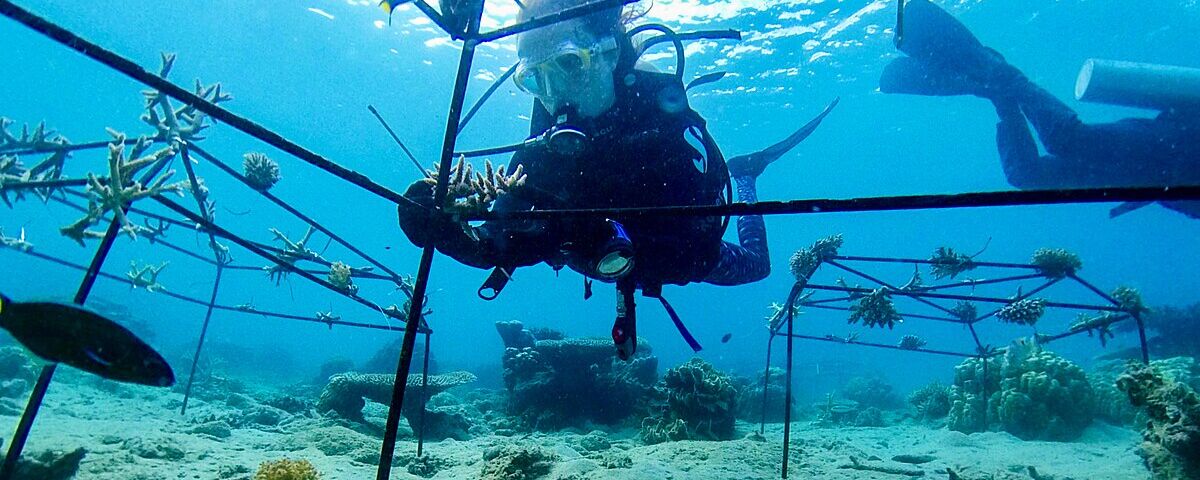
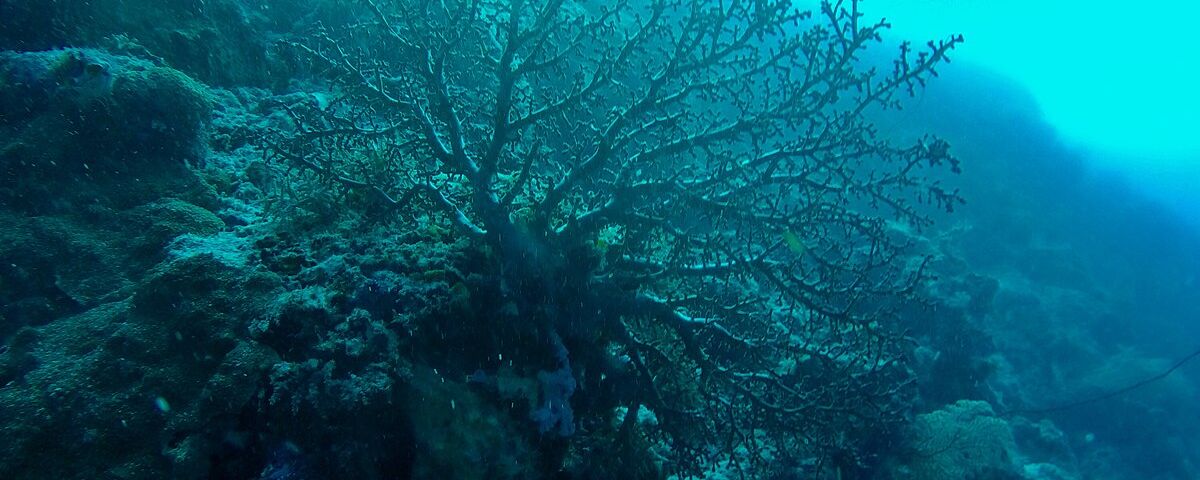
The wall is covered in a mix of hard coral, soft coral, and gorgonian fans that create a colourful vertical garden. Blue-spotted stingrays rest on the narrow ledges. Turtles perch on the wall top where the reef meets the flat. And the gorgonians here are some of the best locations in the Gili Islands to search for pygmy seahorses, those 2-centimetre marvels that match their host fan's colour so precisely that finding them without a guide's trained eye is nearly impossible.
Gili Air Wall offers a different diving perspective from the standard Gili experience. While most sites have you swimming horizontally across a slope, this is a vertical environment where you descend along the wall face and work your way back up, with the reef stretching above and below in a way that creates genuine visual drama. The orientation change is refreshing after multiple slope dives.
The wall's position in the channel between two islands means it catches moderate tidal current that brings nutrients and concentrates fish life, making it more dynamic than the sheltered coastal sites. This current also means the site requires better buoyancy and positioning skills than the beginner-friendly slopes elsewhere.
Marine Life at Gili Air Wall
Pygmy seahorses (Hippocampus bargibanti) are the prize for many divers who visit this site. They live on gorgonian sea fans attached to the wall face, matching their host's colour and texture so precisely that even knowing exactly which fan to look at, you may need your guide to physically point at the animal before you see it. The wall has several fans with known residents, and experienced Gili Air guides can locate them quickly, having checked the same fans on their previous day's dive.
Blue-spotted stingrays are common, resting on the ledges and sandy shelves that punctuate the wall face. Green and hawksbill turtles frequent the wall top and the reef flat above it, often resting in the same spots daily. Moray eels occupy crevices in the wall, including some impressively large giant morays that peer out with their mouths gaping in their characteristic breathing motion. Lionfish hang under overhangs in loose groups, their venomous spines extended.
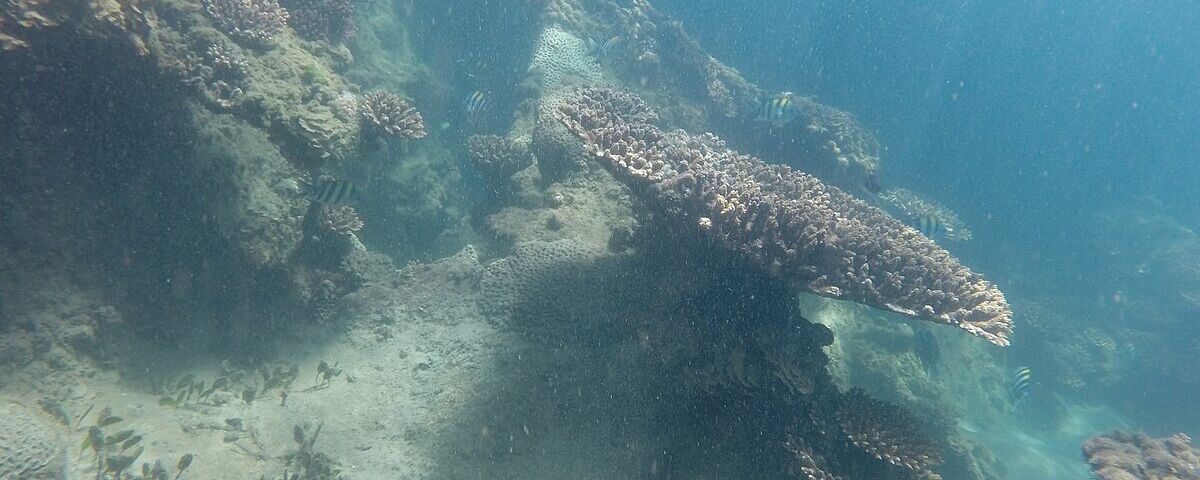
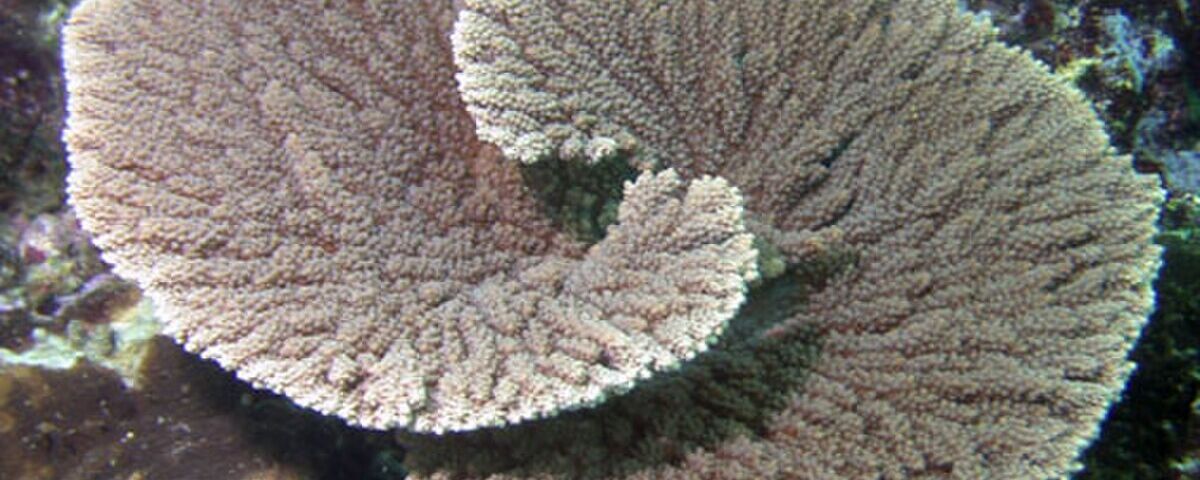
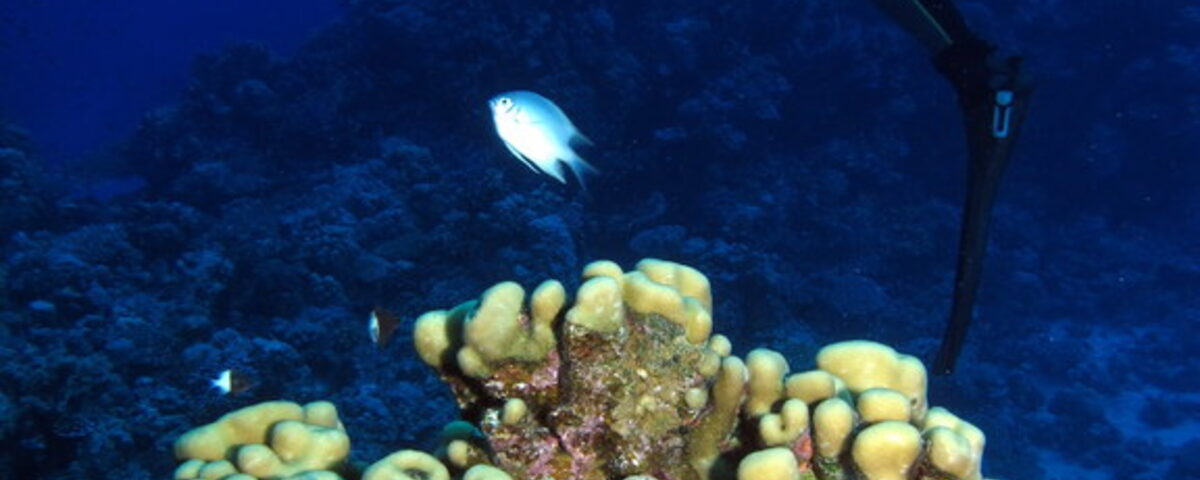
The wall surface itself has good coral diversity: table corals on the flatter ledges, soft coral bushes on the vertical face in shades of purple and orange, and the gorgonian fans that host the pygmy seahorses. Schools of fusilier and anthias swarm the wall edge in colourful, shifting clouds. Nudibranchs of various species crawl across the coral surfaces. Mantis shrimp occupy holes in the wall, their iridescent eyes visible from a distance if you know what to look for. The wall creates a microhabitat different from the surrounding flat reef, concentrating species diversity on its vertical face.
The deeper sections of the wall below 20 metres have larger gorgonian fans and more soft coral growth than the upper sections. The transition from hard coral dominance in the shallows to soft coral dominance at depth is gradual but visually striking, and the colour palette shifts from greens and browns to purples, oranges, and yellows as you descend. This zonation makes the wall interesting at multiple depths and rewards a multi-level dive profile.
Dive Conditions
The wall sits in the channel between Gili Air and Gili Meno, which funnels tidal current past the reef face. When running, the current can be moderate to strong, transforming the dive into a drift along the wall face that covers more ground but limits your ability to hover and examine specific features. When slack, you can explore sections at your own pace, hovering to examine gorgonians for pygmy seahorses or checking crevices for moray eels.
The variability in current is the main reason this site requires intermediate skills. Current direction and strength can change within a single dive, and managing your position relative to the wall while maintaining depth control in flowing water requires experience and confidence. Visibility is typically 10 to 20 metres, adequate for wall exploration.
The wall starts at 8 metres (the reef flat above is shallower) and drops to 30 metres. The vertical nature of the dive means depth awareness is critical; it's easy to drop deeper than intended while absorbed in watching interesting features on the wall face, particularly if current is pushing you along and your attention is on the reef rather than your computer. Entry is by boat from Gili Air (5 minutes) or from Gili Trawangan (15 to 20 minutes). The dive profile typically involves descending to your maximum planned depth, then working upward along the wall to finish shallow.
⚓ Divemaster Notes
Gili Air Wall is a site I always recommend to divers who have spent a few days on the shallower reef sites and want a change of pace. The vertical wall diving feels completely different from reef slopes, and the pygmy seahorse hunting adds a specific goal that makes the dive more engaging than a general reef tour.
The pygmy seahorses are the main draw for experienced divers and macro photographers. Tell your guide you want to see them before you descend, and make it clear that critter finding is your priority. The guide will know which gorgonian fans currently have residents and can take you directly to them. Once you see your first pygmy, you'll understand why some divers become obsessed. They're genuinely astonishing animals: perfectly camouflaged, impossibly tiny, and exquisitely detailed. Take your time and savour the encounter rather than rushing to photograph it.
Current management is the main skill requirement at this site. If current picks up mid-dive, don't fight it. Let it carry you along the wall and enjoy the drift. Your boat will follow your SMB. Fighting current burns air, exhausts you, and achieves nothing useful. The current also brings more fish to the wall edge, so a drift dive is not a lesser experience.
For photographers, the wall presents both macro (pygmy seahorses, nudibranchs, mantis shrimp) and wide-angle (the wall itself, gorgonians, turtles) subjects. If you can only bring one lens, a versatile mid-range zoom is the safest bet for covering both options. Dedicated macro shooters should bring their 100mm equivalent and accept that they'll miss the wide shots.
The wall is also a good night dive option, though less famous than Meno Wall for after-dark diving. The vertical surface reveals different critters at night than during the day: decorator crabs emerge on the coral, Spanish dancers occasionally appear on the wall face, and sleeping parrotfish can be found in their mucus cocoons tucked into crevices. If your operator runs night dives at this site, it's worth requesting. The vertical orientation creates a different night diving experience from the flat reef sites.
How to Get to Gili Air Wall
Gili Air Wall is in the channel between Gili Air and Gili Meno, accessed by dive boat. Gili Air operators have the shortest boat ride at about 5 minutes and dive the site most frequently, which means their guides maintain current knowledge of critter locations on the wall. Operators from Gili Trawangan also schedule the site regularly, with a longer 15 to 20 minute boat transfer.
The Gili Islands are reached via fast boat from Bali (2 to 2.5 hours from Padang Bai or Serangan) or public boat from Bangsal on Lombok (15 to 20 minutes). Lombok International Airport is the nearest major airport, with road transfer to Bangsal taking about 2 hours.
Gili Air has a good selection of dive operators and accommodation at lower prices than Gili Trawangan. The island has a more laid-back atmosphere that suits divers who want to focus on the underwater experience rather than the social scene. Most accommodation is within walking distance of the dive centres.
Gear Recommendations
Standard tropical setup. SMB mandatory for drift dive scenarios; your boat needs to track you along the wall.
Macro lens if pygmy seahorses are your priority; wide-angle for wall topography and turtle portraits. Torch for checking wall crevices where moray eels and crustaceans hide.
Nitrox useful for extending bottom time along the deeper sections of the wall below 20 metres.
Recommended Dive Operators
Oceans 5 on Gili Air runs Gili Air Wall frequently and their guides are excellent at finding pygmy seahorses, having built up intimate knowledge of which fans hold residents at any given time. Manta Dive Gili Air also covers this site well, with knowledgeable guides and small group sizes that allow for more focused critter searching.
Blue Marlin Dive's Gili Air branch offers reliable access with good equipment. From Gili Trawangan, Trawangan Dive includes the wall as part of Gili Air area dive days that combine it with Hans Reef or other nearby sites.
Liveaboard Options
Not a liveaboard site. Day trip access from Gili Air (preferred, shorter boat ride) or Gili Trawangan operators.
The guide-dependent nature of the pygmy seahorse hunting means Gili Air operators with frequent site visits offer the best experience.