Kottey Outside Dive Site
Addu Atoll, Maldives · Near Addu City (Hithadhoo)
Overview
Kottey Outside sits on the northwest rim of Addu Atoll, where the outer reef drops away into open Indian Ocean. The site is a series of stacked plateaus, each one stepping deeper than the last before the final edge falls into blue nothing. It is not the most famous dive in the Maldives. It barely appears in guidebooks. But for divers who know Addu, this is the site they come back to when they want a proper outside reef experience with genuine pelagic encounters and nobody else on the mooring.
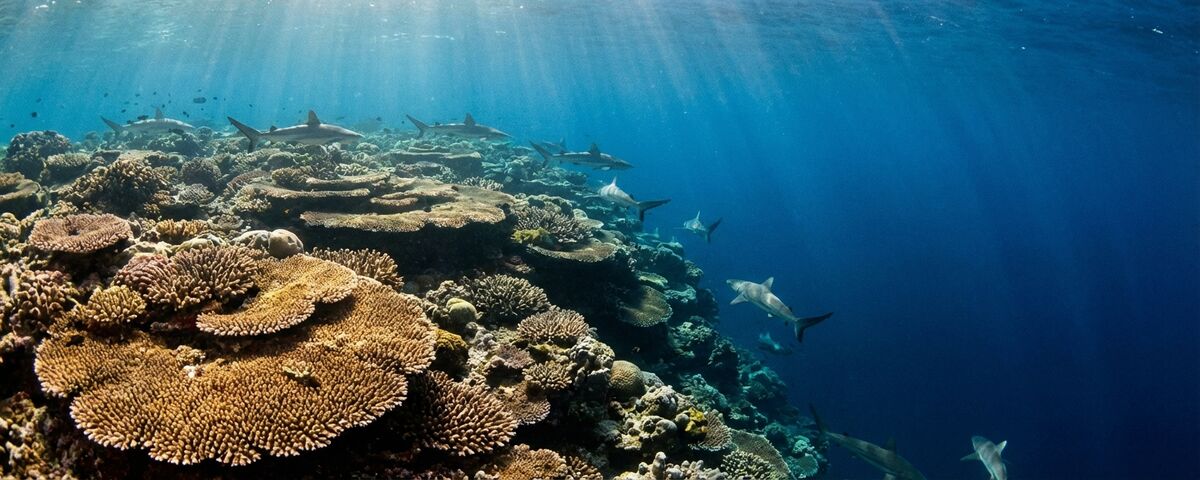
The topography is what makes Kottey Outside unusual. Rather than a single wall or slope, the reef here forms distinct terraced levels. The shallowest plateau begins at around 5 metres, carpeted in tabletop corals and staghorn formations that survived the 1998 bleaching event far better than reefs in the central atolls. Addu sits below the equator, and its outer reefs were largely spared the devastation that stripped colour from atolls further north. The hard coral coverage here reflects that history. It is thick, varied, and healthy in a way that surprises divers arriving from the more popular (and more damaged) resort atolls.
Below the first terrace, a second plateau extends at roughly 15 to 20 metres. This is where most of the dive happens. The coral gives way to a mix of boulder formations and reef structure, with overhangs and ledges that create shelter for resting whitetip reef sharks and nurse sharks. The light changes here. You can still see the surface shimmer above, but the blue below starts pulling your attention. Schools of fusiliers move in coordinated clouds across the plateau, and bluefin trevally work the edges in hunting packs.
The third and deepest section drops to 30 metres and beyond. This is where the reef ends and the open ocean begins. The drop-off is steep, almost vertical in places, and the water colour shifts from turquoise to a deep indigo that tells you the bottom is a very long way down. Grey reef sharks patrol this edge. Not the solitary cruisers you see on most Maldivian dives, but groups of three to eight animals working a circuit along the drop-off. They are not interested in divers. They are interested in whatever the current is bringing up from the deep.
Kottey takes its name from the northwest corner of Hithadhoo island. The surf break here is known to the small community of Maldivian surfers, and the reef that creates those waves is the same structure that drops away underwater. On the surface, it is white water and spray. Below, it is one of the most compelling reef profiles in the southern Maldives.
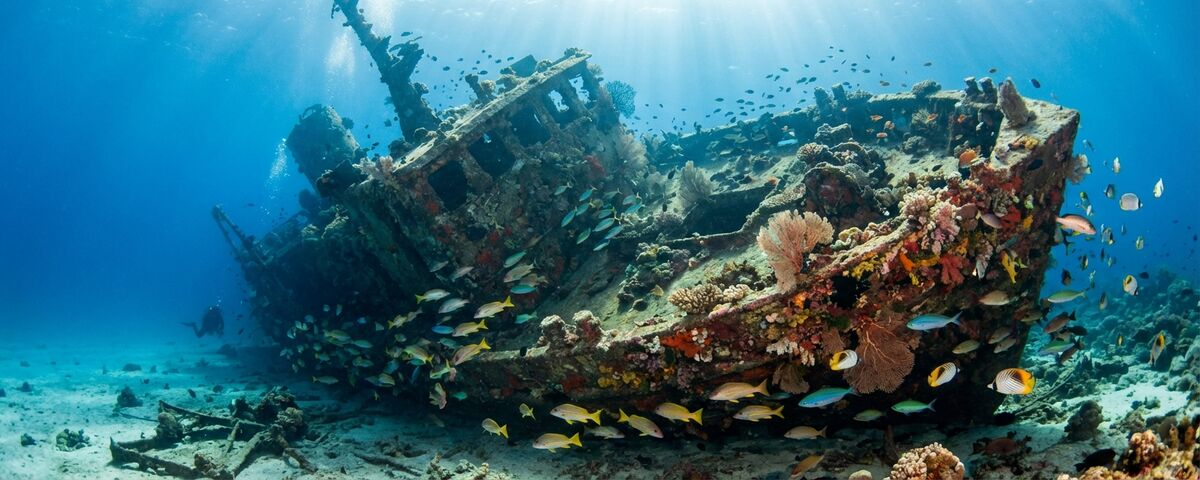
Addu Atoll has earned its reputation through the British Loyalty wreck and the manta cleaning stations at Maa Kandu. Kottey Outside operates in the shadow of those bigger names. For divers who have already ticked those boxes and want to understand why some local guides consider the outside reefs to be Addu's real treasure, this is where they point.
Marine Life at Kottey Outside
Grey reef sharks are the headline act. They patrol the deep edge of the outermost plateau in loose groups, particularly during incoming tides when nutrient-rich water rises from the depths. On a good day with strong current, you might count eight to twelve individuals making circuits along the wall. Whitetip reef sharks rest under the overhangs on the middle plateau during daylight hours, typically two or three tucked into the same ledge.
Hawksbill and green turtles are common across all depth ranges. They graze on the shallower plateaus and seem unbothered by divers, which suggests they don't see many. Napoleon wrasse appear occasionally on the middle terrace, and spotted eagle rays sweep past the drop-off with that slow wingbeat that always makes you stop and stare.
The reef fish life is dense but tilted towards pelagics rather than the small colourful residents you find on inside-atoll reefs. Schools of yellowback fusiliers and blue-striped snapper move in shifting formations. Bluefin trevally hunt in packs along the plateau edges. Dogtooth tuna pass through during current changes, and barracuda form loose columns in the water above the drop-off.
The hard coral on the upper plateaus is genuinely impressive. Massive Porites formations, some several metres across, sit alongside healthy fields of branching Acropora and plate corals. Sea fans and soft corals appear on the deeper overhangs, but this is primarily a hard coral site. The structural complexity of the terraces creates habitat diversity that supports a wider range of species than you might expect from an exposed outer reef.
During monsoon transitions, particularly March and April, there is a reasonable chance of manta rays passing through. They follow plankton blooms along the outer atoll rim, and Kottey's position on the current-facing northwest side puts it directly in their path. Not a guaranteed encounter, but it happens often enough that experienced guides keep one eye on the blue.
Dive Conditions
Current is the defining factor at Kottey Outside. The site faces the open Indian Ocean with no protected channel or lagoon to buffer the flow. During incoming tides, the current can run from moderate to genuinely strong, and this is when the site comes alive. The sharks appear, the fusiliers ball up, and the whole reef shifts into a higher gear. During slack tide, the site is calmer but less eventful.
Most operators dive Kottey on incoming current, which pushes water up and over the reef terraces from the deep. This means you are swimming against or across the flow for portions of the dive. Reef hooks are useful on the middle plateau if you want to park yourself at the edge and watch the show without burning air fighting the current. On strong current days, less experienced advanced divers may find the site challenging.
Visibility fluctuates with conditions. From January to March, 30 to 40 metres is common, and the outer reef can feel like flying over a terraced landscape with the abyss below. During the wet southwest monsoon from June to August, visibility drops to 15 to 20 metres, and the surface can be rougher. The site is diveable year-round, but the northeast monsoon season offers the best combination of clear water, manageable current, and calm surface conditions.
Water temperature holds between 27 and 30 degrees throughout the year. A 3mm wetsuit is standard. The depth profile means you will spend time between 15 and 30 metres on most dives, with the deepest sections at the drop-off exceeding 35 metres. Air management matters. Bottom time at 30 metres on a single tank is limited, and the temptation to drop deeper to the wall edge is real.
Surface conditions on the outside of the atoll can be rough when swell is running from the northwest. The boat will drop you up-current and pick you up after a drift along the reef edge, so carrying an SMB is not optional.
⚓ Divemaster Notes
Brief the group on current management before they hit the water. The plateaus create natural shelter, but transitioning between terraces can expose divers to stronger flow. Descend quickly to the first plateau and use the reef structure to stay out of the worst of the current on the swim to the middle terrace.
The classic profile starts at the middle plateau around 18 metres, works along the edge towards the deep drop-off at 28 to 32 metres for the shark action, then ascends back through the terraces for the coral and turtle time on the shallower sections. Resist the temptation to spend the entire dive at depth chasing grey reef sharks. The middle and upper terraces have plenty to see and your air will thank you.
Watch for surge on the shallowest plateau, particularly when swell is running. The top of the reef at 5 metres can have enough water movement to make a safety stop uncomfortable. Drop slightly deeper to 8 or 9 metres for a calmer stop if the surface is rough.
This site rewards patience. Park at the edge of the second plateau with a reef hook and wait. The grey reef sharks will come to you. Chasing them along the wall burns air and pushes them further away. Let the current bring the show.
Group size matters here more than at sheltered sites. Keep it small, no more than four or five divers, to avoid spooking the sharks and to manage the current safely. Brief everyone on lost buddy procedures for drift scenarios.
How to Get to Kottey Outside
Addu Atoll sits at the southern tip of the Maldives, roughly 540 kilometres south of Male and just below the equator. Gan International Airport receives multiple daily domestic flights from Velana International Airport in Male via Maldivian Airlines. Flight time is approximately 70 minutes. SriLankan Airlines operates a weekly international service from Colombo directly to Gan.
Once on the ground at Gan, the connected islands of Addu are accessible by road. Five islands are linked by causeways known as The Link, making road transfers straightforward. Dive operators are concentrated around Hithadhoo, and the boat ride to Kottey Outside takes 30 to 45 minutes depending on departure point and sea conditions.
Addu is a local island destination, not a resort atoll. Accommodation is guesthouses and small hotels on inhabited islands, which keeps costs well below the resort atolls further north. Prices for diving, food, and lodging are among the most reasonable in the Maldives. The trade-off is a lack of luxury resort infrastructure, but for divers who care about what is underwater rather than what is on the breakfast buffet, that is not much of a trade-off at all.
Gear Recommendations
Reef hook is strongly recommended. The plateaus are exposed to open ocean current, and being able to clip in at the edge of the drop-off transforms the dive from a constant finning exercise into a comfortable observation post. Bring a 1.5 to 2 metre lanyard so you can adjust your position without unhooking.
SMB and reel are mandatory. You will surface in open water after drifting along the reef edge, and the boat needs to spot you. A brightly coloured SMB deployed at 5 metres is standard protocol for all outside reef dives in Addu.
A 3mm wetsuit is sufficient for most divers. Water temperature rarely drops below 27 degrees, but if you run cold and plan to spend 45 minutes or more in the water, a 5mm provides extra insulation at depth.
For photography, wide-angle is the only sensible choice. The terraced reef profile and the shark encounters both demand coverage. A fisheye or rectilinear wide-angle with strobes will capture the layered topography and the blue-water pelagic action. Macro shooters will find some interest on the overhangs, but this is fundamentally a wide-angle site.
Dive computer with a clear NDL display and audible alarm is important for managing the depth transitions between plateaus. It is easy to overshoot your planned maximum depth when the drop-off pulls your eye downward.
Recommended Dive Operators
Aquaventure Dive Centre, based on Hithadhoo, is the longest-running operation in Addu and the operator most familiar with Kottey Outside. Owner Marc Kouwenberg has spent over two decades diving these reefs and knows the tidal patterns, seasonal shifts, and the specific conditions that make a Kottey dive worth the boat ride. They run regular trips to the outside sites when conditions allow and will time the dive to match the incoming current.
Addu Dive, also based in Addu City, offers guided dives to the outer reef sites including Kottey. Diverland Maldives provides another solid option with experienced local guides.
Liveaboard operators including Blue Force Fleet and Emperor Maldives run southern Maldives itineraries from January to April that pass through Addu Atoll. Whether they stop at Kottey Outside depends on conditions and itinerary, but it is worth requesting if you are on a southern route and have already dived the British Loyalty and manta station.
Liveaboard Options
Southern Maldives liveaboard routes typically operate from January to April, when the northeast monsoon delivers the best weather and sea conditions for the southern atolls. Blue Force Fleet, Emperor Maldives, and Carpe Diem run itineraries that include Addu Atoll, usually combining it with Huvadhoo Atoll and Fuvahmulah for a comprehensive deep south experience. These trips run 7 to 10 days from Male or Gan. Kottey Outside is not always on standard itineraries (the British Loyalty and Maa Kandu manta station take priority), but experienced dive guides will include it if conditions are favourable and the group is interested in outside reef diving. Booking early is advisable as southern routes have limited departures per season and sell out quickly.