Orimas Thila Dive Site
North Ari Atoll, Maldives · Near Mathiveri
Overview
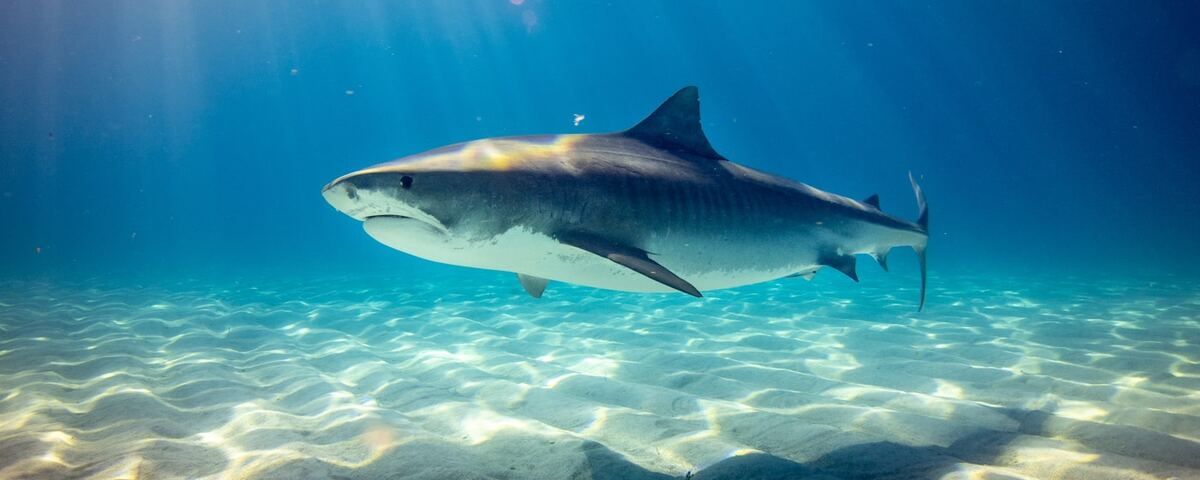
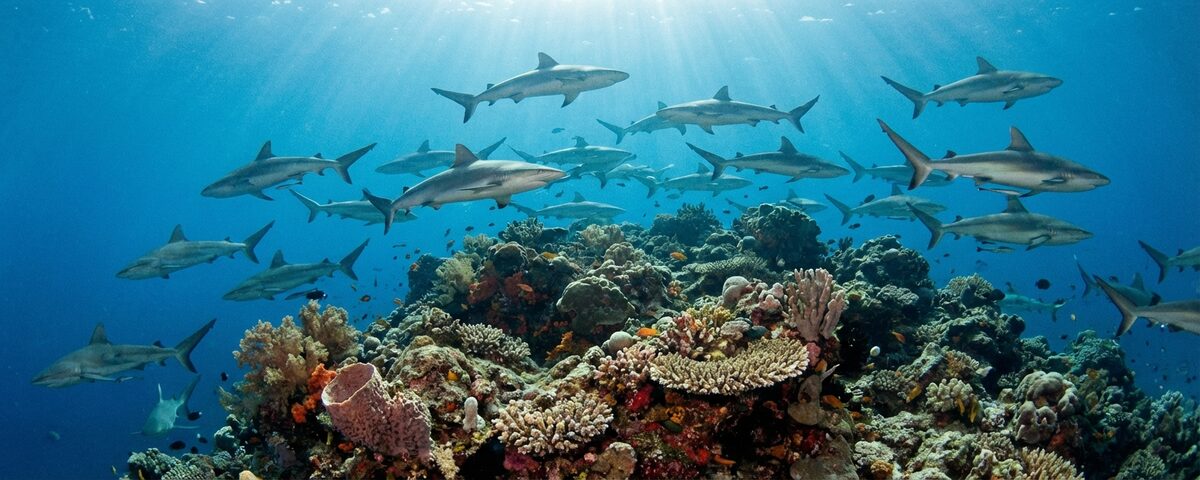
Orimas Thila sits on the northern rim of North Ari Atoll, a submerged pinnacle rising from the atoll floor to within three metres of the surface. The site carries protected marine area status from the Maldivian government, and the reason is swimming in circles around it: grey reef sharks, sometimes more than a hundred of them at once. That number is not hyperbole. Marine surveys conducted at the site have documented aggregations that push well past triple digits, making Orimas Thila one of the densest grey reef shark gathering points anywhere in the Maldives.
The thila itself is a compact rock formation, roughly oval in shape, with its shallowest point at three metres and its base dropping away to 30 metres before the sandy atoll floor takes over. Giant boulders form the structural core, their surfaces colonised by hard corals, soft corals, and sponges that have had decades of undisturbed growth thanks to the site's protected status. Caves and overhangs punctuate the rock walls on every side, creating shelter for nurse sharks, groupers, and the kind of reef life that thrives in current-swept environments.
What makes Orimas Thila genuinely special is not just the shark numbers but the behaviour you witness here. The thila functions as a cleaning station for grey reef sharks, a place where the animals return to have parasites removed by cleaner wrasse. Sharks at cleaning stations are relaxed, predictable, and tolerant of quiet divers who position themselves correctly. You are watching animals engaged in essential maintenance rather than hunting or territorial patrol, and that distinction produces encounters with an intimacy that open-water shark diving rarely matches.
North Ari Atoll already holds some of the Maldives' most celebrated dive sites. Fish Head sits nearby as the atoll's flagship shark dive. Maaya Thila delivers world-class night diving. But Orimas Thila offers something neither of those sites can replicate: the sheer density of grey reef sharks concentrated around a single compact pinnacle. The protected status means no fishing pressure within the site boundaries, and the difference shows in how the animals behave. They do not bolt at the first sight of bubbles. They circle, they glide, they occasionally approach close enough to make your heart rate spike.
The site sits roughly five kilometres from the inhabited island of Mathiveri, accessible by dhoni or speedboat from any of the resorts or liveaboards operating in the northern section of Ari Atoll. Dive operators in the area know the site well and time their visits around tidal states that concentrate the shark activity. Getting the timing right is the difference between a good dive and a genuinely unforgettable one.
Marine Life at Orimas Thila
Grey reef sharks dominate every dive at Orimas Thila. They patrol the current lines around the thila in loose formations, banking and turning with the kind of fluid precision that makes them look choreographed. On a strong incoming tide, the numbers build as sharks arrive from the surrounding atoll to use the cleaning station. Groups of ten or twenty are routine. Groups of fifty are not uncommon. On exceptional days when conditions align, the aggregation can exceed a hundred animals circling the pinnacle simultaneously, layered at different depths from the shallow top down to the sandy base at 30 metres.
The cleaning station behaviour is the highlight. Grey reef sharks approach specific areas on the thila where cleaner wrasse stations operate, then slow to a near hover, gills flared, allowing the tiny fish to work their skin, gill plates, and mouth. Sharks waiting their turn circle at a respectful distance, forming a queue that would be comic if the animals involved were not two-metre apex predators. Watch long enough and you will see individual sharks return to the same station multiple times during a single dive.
Whitetip reef sharks are the second most common elasmobranch at the site. They rest on sandy ledges between the boulders during daylight hours, tucked into crevices with only their snouts protruding. At dusk and dawn, they become active hunters, working the reef edges with a sinuous, methodical swimming pattern that contrasts with the grey reefs' more direct cruising style.
Zebra sharks (leopard sharks) appear at Orimas Thila with a regularity that surprises most divers. These bottom-dwelling sharks are uncommon across much of the Maldives, but the protected habitat and lack of fishing pressure at the site support a resident population. Look for them resting on sandy patches between the boulders, their spotted pattern blending with the substrate. They are docile, slow-moving, and tolerant of close observation.
Schooling fish fill the water column above and around the thila. Skipjack tuna blast through in fast-moving groups, their silver flanks catching the light as they turn. Giant trevally and bluefin trevally patrol the perimeter, accelerating into strikes against smaller reef fish with explosive speed. Schools of red snapper and blue-lined snapper aggregate along the reef edges in dense copper and yellow clouds.
Eagle rays pass through the site on a regular basis, typically spotted cruising through mid-water on the current-exposed side of the thila. Hawksbill turtles feed on sponges growing in the overhangs. Moray eels occupy crevices throughout the rock structure, some large enough that their heads protrude noticeably from their holes. Napoleon wrasse cruise the deeper sections with characteristic slow confidence.
The coral coverage on the thila walls is healthy and diverse. Gorgonian sea fans spread across the current-facing surfaces. Soft corals in purples, pinks, and oranges fill the caves and overhangs where ambient light fades. Black coral bushes grow on the deeper rock faces below 20 metres. The overall effect creates a colourful backdrop to the shark theatre playing out in the blue water beyond.
Cobia, which is rarely encountered at most Maldivian dive sites, has been recorded at Orimas Thila during marine surveys. These large, curious fish sometimes follow sharks or swim alongside divers, their elongated bodies and flattened heads distinctive enough to recognise immediately.
Dive Conditions
Current defines the diving at Orimas Thila. The site's position on the northern atoll rim means it catches tidal flow moving between the open Indian Ocean and the atoll interior, and the compact shape of the thila concentrates that flow into areas of genuine force. Incoming tides (ocean to lagoon) generally produce the best conditions for shark activity, as the current pushes nutrient-rich water and plankton across the pinnacle, drawing in both the sharks and their prey.
Entry technique depends entirely on the current strength. On moderate days, the boat drops divers upstream of the thila and you drift down to the reef, descending as you go. On strong current days, a negative entry is the only option: roll off the dhoni in open blue water and descend fast to reach the shelter of the thila before the current carries you past. Hesitation at the surface on a strong tide means missing the site entirely. Your guide will brief the entry method before each dive based on real-time conditions.
Depth management is straightforward but requires discipline. The thila top sits at three metres, making safety stops comfortable and scenic. The most productive shark-watching depth is between 15 and 25 metres, where the cleaning stations operate and the grey reefs concentrate. The base at 30 metres is worth a brief visit to check for resting zebra sharks and larger groupers, but time at that depth eats into your no-decompression limits quickly on air.
Visibility ranges from 15 metres on plankton-heavy outgoing tides to 35 metres on clean incoming currents during the northeast monsoon. The practical average sits around 20 to 25 metres. January through April delivers the clearest water overall, coinciding with the dry northeast monsoon when rainfall is low and surface runoff minimal. The southwest monsoon from May to November brings more plankton, which reduces visibility somewhat but increases biological activity and can boost shark numbers at the cleaning stations.
Water temperature holds between 27 and 30 degrees Celsius throughout the year. Occasional thermoclines on incoming tides can drop the temperature by two to three degrees at depth. A 3mm full wetsuit is standard. A 5mm is worth considering for repetitive daily diving or extended time at 25-plus metres.
Surface conditions around the atoll rim can build when wind opposes current, creating short choppy waves that make entries and exits bumpy. The dhoni captains know how to position for the most sheltered approach, but expect some surface movement. Deploy your SMB well before surfacing; the area sees boat traffic from resort transfers and safari vessels.
The site is diveable year-round with no closed season. Peak season runs from November through April when weather windows are most reliable and visibility is highest.
⚓ Divemaster Notes
Check the tide state before every dive here. Orimas Thila's shark aggregation responds directly to current direction and strength. Incoming tide concentrates the grey reefs at the cleaning stations on the thila's eastern face. Outgoing tide disperses them across the atoll rim. If you have a choice between morning and afternoon, pick whichever offers the incoming flow.
Brief your group on negative entry technique before getting in the water. On strong current days, there is no gentle descent option. Divers need to go in, go down, and reach the thila fast. Anyone who floats at the surface fiddling with equipment will be swept past the site. Ensure masks and fins are on before back-rolling, regulators in mouths, computers activated. The boat repositions for missed entries, but that wastes time and burns fuel.
Once at the thila, use the boulders for current shelter. Position your group in the lee of the pinnacle and let the sharks come to you. Do not chase them. Do not swim toward the cleaning stations. Grey reef sharks at cleaning stations are in a vulnerable state and will abandon the station if they feel threatened. A group of divers finning aggressively toward cleaning sharks will clear the area in seconds. Settle in at 15 to 20 metres on a stable perch, control your breathing, minimise movement, and watch. The sharks will circulate past you repeatedly if you give them space.
Reef hooks are useful here but require responsible use. Hook into dead rock or solid substrate only. Never hook into live coral. Position yourself so you face into the current with a clear view of the cleaning station area. Brief your group on hooking protocol before the dive: how to attach, how to release, and what to do if the current shifts.
Depth discipline matters. The base of the thila at 30 metres is tempting because that is where the larger groupers rest and where zebra sharks are most likely found. But a group that drops to 30 on air has roughly 10 minutes of no-decompression time, which is barely enough before the ascent eats into the rest of the dive. For groups wanting deep time, insist on Nitrox certification and plan a single deep excursion with a gradual ascent up the thila walls.
SMB deployment is mandatory before the five-metre safety stop. The atoll rim sees regular boat traffic, and a diver surfacing without a marker in this area is genuinely at risk. Carry your own reel and SMB. Do not rely on rental gear.
Photography advice: wide-angle only at this site. The shark aggregations, the thila structure, and the schooling fish all demand a wide field of view. Dual strobes help in the deeper overhangs where ambient light drops off. For the sharks at cleaning depth (15 to 20 metres), natural light often produces better results than direct strobe, as flash can trigger avoidance behaviour. Shoot slightly upward to silhouette the sharks against the lighter surface water.
How to Get to Orimas Thila
North Ari Atoll sits in the central Maldives, accessible from Velana International Airport (MLE) in Male by either seaplane or domestic flight followed by a speedboat transfer.
Seaplane transfers from Male to resorts in North Ari Atoll take approximately 20 to 30 minutes, operated by Trans Maldivian Airways (TMA) and Maldivian Air Taxi. The flight offers panoramic views of the atolls below and lands on the water near your resort. Seaplane transfers must be booked through your resort and typically cost $300 to $500 USD return per person. Flights operate during daylight hours only, so afternoon arrivals in Male may require an overnight stay before continuing.
Ifuru Domestic Airport (IFU) on Ifuru island in Raa Atoll (just north of North Ari) handles domestic flights from Male. Maldivian Airlines operates the route with turboprop aircraft, taking approximately 40 minutes. From Ifuru, speedboat transfers to North Ari resorts take 30 minutes to an hour depending on the specific island.
From the inhabited island of Mathiveri or any of the resort islands in the northern section of Ari Atoll, Orimas Thila is a 10 to 20 minute boat ride. The site sits approximately five kilometres from Mathiveri on the western side of the atoll rim.
Liveaboard safaris running the central atolls routinely include North Ari on their itineraries. Boats departing Male reach North Ari Atoll within a few hours of sailing, making it one of the first stops on most week-long central atoll routes. Orimas Thila features as a planned dive on operators who focus on shark diving, alongside Fish Head and Maaya Thila.
For budget-conscious divers, guesthouses operate on several inhabited islands in North Ari Atoll including Mathiveri, Rasdhoo, and Ukulhas. Local dive operators based on these islands offer guided trips to Orimas Thila at significantly lower prices than resort diving, typically $50 to $90 USD for a two-dive trip. Speedboat transfers from Male to these islands can be arranged through the guesthouses, taking two to three hours by public ferry or 45 minutes to an hour by private speedboat.
International flights arrive at Velana International Airport on Hulhule island, connected to Male by bridge. Plan connections carefully: seaplane transfers require same-day booking coordination with your resort, and domestic flights have limited schedules.
Gear Recommendations
A 3mm full wetsuit handles the 27 to 30 degree water temperature for most divers. Consider a 5mm if you plan repetitive daily diving over several days or intend to spend extended time below 25 metres where thermoclines occasionally drop the temperature by two to three degrees.
Surface marker buoy and reel are mandatory at Orimas Thila. The atoll rim sees regular boat traffic from resort transfers, safari vessels, and local fishing boats. Surfacing without a visible marker is a genuine safety risk. Carry your own rather than relying on operator rental gear.
A reef hook is strongly recommended for this site. The current around the thila can build to a level where maintaining position by finning alone burns through your air supply in minutes. A reef hook lets you anchor to the substrate and watch the shark activity without constant effort. Bring one with a short line (1 to 1.5 metres) and a sturdy clip. Hook into dead rock only. If your group includes divers unfamiliar with reef hooks, brief them on proper technique before the dive.
Nitrox (EANx32 or EANx36) is strongly recommended. The depth profile at Orimas Thila means productive shark-watching time sits between 15 and 25 metres, and the extended no-decompression limits Nitrox provides translate directly into longer encounters. Most resort dive centres in North Ari offer Nitrox; availability at local island operators varies.
A dive torch opens up the caves and overhangs around the base of the thila where nurse sharks rest, moray eels lurk, and the soft corals display their true colours behind the blue light filter of depth. Something in the 800 to 1500 lumen range is sufficient. Avoid overpowered lights that can disturb resting animals.
For photography, a wide-angle setup is essential. A fisheye or wide rectilinear lens (10 to 17mm on crop sensor, 15 to 30mm on full frame) captures the scale of the shark aggregations and the thila structure. Dual strobes are necessary for the deeper overhang shots. A compact camera with a wide-angle wet lens works well for non-dedicated photographers. Bring spare batteries; cold thermoclines at depth can drain power faster than expected.
A dive computer with a clear display and audible alarms is important at a site where depth management directly determines dive quality and safety. Set a conservative no-decompression alarm if diving on air. The thila's vertical profile makes it easy to drift deeper without noticing, especially when distracted by a hundred grey reef sharks.
Recommended Dive Operators
Prodivers operates dive centres across seven resort islands in the Maldives, with their North Ari bases offering direct access to Orimas Thila. Their guides carry detailed knowledge of the site's current patterns and shark behaviour, adjusting dive plans based on tidal states and recent conditions. Equipment is well maintained, Nitrox is available, and group sizes stay small. Their PADI 5-Star rating reflects genuinely high operational standards rather than just a marketing badge. Expect resort-level pricing.
LUX* South Ari Atoll Dive Centre, operated by Dive Oceanus, is one of the closest resort operations to the northern Ari sites. Their team runs regular trips to Orimas Thila when conditions are right, coordinating with the liveaboard fleet for current reports. The centre offers Nitrox, rebreather support for technical divers, and dedicated photography facilities including a camera room with rinse tanks and charging stations.
Constance Halaveli Dive Centre sits in North Ari Atoll with Orimas Thila as a regular fixture on its dive schedule. The resort's position gives it short boat rides to the site, and its divemasters have accumulated years of experience reading the thila's current patterns. Small group sizes and flexible scheduling allow for repeat visits when shark activity is particularly strong.
For liveaboard access, Emperor Atoll and Emperor Serenity both include North Ari Atoll on their central atolls itineraries. Their boats carry experienced guides who time Orimas Thila dives around the optimal tidal windows. Nitrox is included in package pricing. Cabins range from standard to premium, with pricing from $200 to $350 per person per night.
Carpe Diem Maldives runs central atoll safari routes that spend two to three days in the Ari Atoll area. Their guides coordinate with resort-based operators for current sighting reports, and the flexible liveaboard schedule allows repeat dives at Orimas Thila across different tide states. Camera facilities onboard include dedicated rinse tanks and charging areas.
For budget diving, guesthouse-based operators on Mathiveri and Rasdhoo offer guided trips to the site at local island prices. Equipment quality varies, so bringing your own core gear (mask, computer, wetsuit) is advisable. What these operators lack in polish they make up for in local knowledge and flexibility.
Liveaboard Options
North Ari Atoll sits on the central atolls liveaboard route, one of the most popular safari itineraries in the Maldives. Orimas Thila features as a priority stop for operators who specialise in shark diving.
Emperor Atoll and Emperor Serenity run central atolls safaris that include extended time in North and South Ari. Their standard route departs Male and works south through North Male Atoll before crossing to Ari, spending two to three days exploring the atoll's flagship sites including Fish Head, Orimas Thila, and Maaya Thila. Pricing ranges from $200 to $350 per person per night depending on cabin category. Nitrox is included, dive deck facilities are well organised, and their guides carry genuine expertise in reading the tidal patterns that make or break shark diving at sites like Orimas.
Carpe Diem and Carpe Vita operate central atoll routes with smaller group sizes and personalised guiding. Their itineraries typically allow multiple dives at Orimas Thila across different tidal states, giving photographers and shark enthusiasts the chance to observe the cleaning station under varying current conditions. Camera facilities include rinse tanks, charging stations, and dedicated camera tables. Mid-range to premium pricing at $250 to $400 per night.
MV Mozaique targets the mid-range market on central atoll routes. Comfortable accommodation without the luxury markup, competent guides who know the Ari Atoll sites well, and Nitrox included in packages. A solid option for divers who want quality without paying for marble bathrooms.
Scubaspa Ying and Scubaspa Yang include North Ari on their central atolls itineraries, combining diving with onboard spa services. The premium positioning ($350 to $500 per night) targets couples and travellers who want relaxation between dives. Service standards are high, cabins are spacious, and the food is several notches above standard liveaboard fare.
Four Seasons Explorer runs Maldives safari itineraries that include Ari Atoll, offering ultra-premium service with pricing to match. If budget is not a primary concern, the experience is difficult to top.
Booking for peak season (November to April) requires advance planning. The central atolls route is the most popular itinerary in the Maldives, and the best cabins on preferred departure dates sell out six to twelve months ahead. Shoulder season (May and October) offers lower pricing and fewer boats, though weather becomes less predictable.