Chumphon Pinnacles Dive Site
Koh Tao (Gulf of Thailand), Thailand · Near Koh Tao
Overview
Chumphon Pinnacles is Koh Tao's deep dive, a cluster of granite pinnacles northwest of the island that top out at 14 metres and drop to a sandy bottom at 36. The site sits in the path of the Gulf of Thailand's seasonal currents, which carry nutrients and the whale sharks that follow them. Of all Koh Tao's dive sites, Chumphon is the one most likely to produce an encounter with something genuinely large.
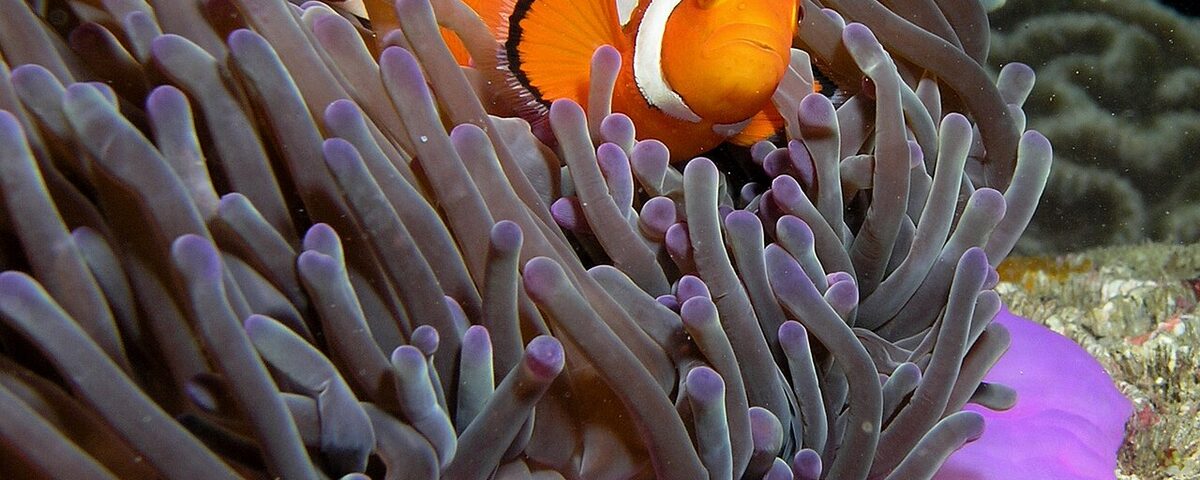
The pinnacle group consists of several rock formations spread across the seabed, with the main cluster forming a series of peaks and valleys that create a complex underwater landscape. Pink anemones carpet the rock surfaces between 15 and 25 metres, their pastel colour a distinctive visual signature that makes Chumphon immediately recognisable in photographs. These anemone fields host thousands of clownfish, creating a scene that manages to be both pretty and faintly chaotic.
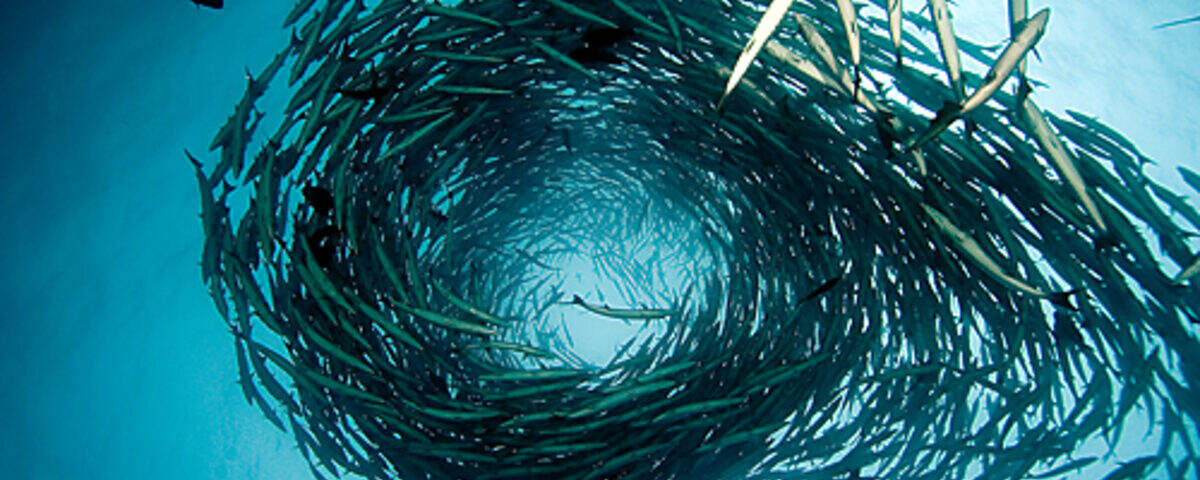
The site's position in deeper, more exposed water means it attracts species that the shallower, sheltered sites around Koh Tao rarely see. Whale sharks pass through during the same March to October season that brings them to Sail Rock. Bull sharks have been documented at Chumphon, which adds a frisson of excitement (or anxiety, depending on your disposition) that the island's gentler sites lack. Giant groupers haunt the deeper crevices, and barracuda schools form over the pinnacle tops.
Honest assessment: the visibility at Chumphon Pinnacles is frequently poor. The Gulf's green, plankton-rich water is at its thickest here, and 8 to 12 metres is a more realistic expectation than the 20 metres the brochures promise. This means Chumphon can feel atmospheric and mysterious or frustrating and murky, depending on your tolerance for limited sight lines. The marine life compensates, but photographers relying on wide-angle clarity should manage their expectations.
The journey to Chumphon Pinnacles from Koh Tao takes you through open Gulf water, and the site's remoteness contributes to its character. Chumphon feels like a proper expedition dive compared to the island's conveniently close sites. The pinnacle group covers a substantial area of seabed, and experienced guides who know the layout can navigate between the formations to find the resident species that favour particular rocks and crevices.
The site's name derives from its position in Chumphon Province waters, not any connection to the mainland town. Confusingly, some operators list it as a Koh Tao dive site and others as a Chumphon site, but the diving community universally associates it with Koh Tao operations.
Marine Life at Chumphon Pinnacles
The pink anemone gardens are the visual centrepiece. Entire rock faces are covered in bubble-tip anemones in shades of pink and purple, with skunk clownfish darting among them in frantic patterns. The density is remarkable; some sections look like an underwater flower garden that someone forgot to weed.
Barracuda schools gather over the pinnacle tops, typically in looser formations than Sail Rock's tornado but still impressive in number. Giant groupers occupy the deeper crevices and overhangs, some old enough and large enough to be genuinely intimidating at close range. Batfish drift around the upper pinnacles in languid groups.
Whale sharks are the seasonal possibility. Their visits to Chumphon Pinnacles follow the same plankton-driven pattern as Sail Rock, with March to June offering the best odds. The encounter rate is lower than at Sail Rock, but Chumphon's deeper profile means the whale sharks sometimes circle at depth, visible as ghostly shadows in the green water.
Bull sharks have been documented at Chumphon, primarily during the cooler months. These sightings are uncommon enough to be newsworthy when they happen, and the bull sharks tend to appear at the deeper sections of the site (below 25 metres). Their presence is exciting rather than dangerous; the sharks maintain distance and are typically observed briefly before disappearing into the green.
Yellow-banded sea snakes are regular visitors. Moray eels of several species inhabit the rock crevices. Blue-spotted stingrays rest on the sandy patches between pinnacles. Schools of snapper and sweetlips shelter under overhangs throughout the structure.
Jenkins whipray and blue-spotted stingrays occupy the sandy patches between pinnacle formations. Cuttlefish hunt along the rock surfaces, their colour changes flickering across their skin as they stalk prey. During the warmer months, the plankton density attracts feeding aggregations of batfish in the dozens, their flat silver bodies catching filtered light from above.
The granite surfaces themselves host colourful encrusting organisms: sponges, tunicates, and coralline algae in patterns that provide photographic subjects during the macro-focused second dive.
Dive Conditions
The pinnacles top out at 14 metres and the deepest sections reach 36 metres, putting the primary diving range at 14 to 30 metres. This is Koh Tao's deepest commonly dived site, and the depth combined with the distance from shore makes it an advanced dive.
Current is typically mild to moderate. When it runs, the pinnacles create lee zones where marine life concentrates and divers can rest. Strong current days occasionally occur and your operator may redirect to a sheltered alternative.
Visibility averages 8 to 15 metres. The green Gulf water is nutrient-rich, which supports the biological productivity but limits photography range. Exceptional days produce 20 metres of clarity, but these are the exception.
Water temperature is 27 to 30 degrees. Thermoclines below 20 metres can produce noticeable temperature drops. A 3mm wetsuit is standard, though some divers prefer 5mm for the deeper sections.
The boat ride from Koh Tao takes approximately 45 minutes to an hour, shorter than the Sail Rock journey but still a commitment in rough seas.
Surface conditions can be choppy on the crossing, particularly during afternoon wind from the northeast. Morning departures are standard for calmer conditions. The site is exposed to open Gulf weather, and operators may cancel trips when conditions deteriorate.
⚓ Divemaster Notes
Chumphon is my favourite Koh Tao dive because it feels genuinely wild. The depth, the green water, the possibility of something big appearing from the murk: it has an atmosphere that the shallow, sunny dive sites around the island cannot match.
I plan two dives here: the first drops to 28 to 30 metres to explore the deep crevices where the giant groupers live, then ascends gradually to the pinnacle tops. The second dive stays at 14 to 22 metres, covering the anemone gardens and the shallower rock formations where the barracuda schools are thickest.
The trick to Chumphon is accepting the visibility for what it is. Divers who come expecting crystal clear water will be disappointed. Divers who embrace the green, atmospheric conditions and stay alert for the shapes materialising at the edge of visibility will have an unforgettable experience. Some of my best whale shark encounters happened at Chumphon in 8-metre vis: the shark emerged from nowhere, enormous and close, and disappeared again before the brain fully processed what the eyes had seen.
Air management matters here. The depth eats into bottom time, and the excitement of the marine life accelerates breathing rates. I check gauges more frequently at Chumphon than at any other Koh Tao site, and I always carry enough gas for a comfortable ascent with reserve.
The pink anemone gardens are worth spending time in even if big stuff is the goal. The clownfish behaviour is entertaining, and the colour is genuinely beautiful. I position photographers here during the safety stop phase when we are ascending through 15 metres, which makes productive use of the shallowing time.
For groups with cameras, I always suggest the first dive focuses on wide-angle: the barracuda schools, the anemone gardens in context, the occasional whale shark silhouette. The second dive at shallower depth is where I pull out my pointer and show the macro: individual anemone shrimp, nudibranch species on the rock surfaces, the tiny gobies that live among the pink anemone tentacles. This two-dive split maximises what the site offers.
One more honest note: some divers arrive expecting Chumphon to rival Sail Rock, and they leave slightly disappointed. The sites are different in character. Sail Rock is a single pinnacle with dramatic features. Chumphon is a sprawling pinnacle field with atmosphere and mystery. Both are excellent. They just deliver different experiences.
How to Get to Chumphon Pinnacles
Chumphon Pinnacles is northwest of Koh Tao, roughly 45 minutes to an hour by dive boat. The trip runs as a standard two-dive morning excursion from Koh Tao operators, with both dives at the pinnacles or one at Chumphon and one at a nearby site.
Koh Tao access is by ferry from Chumphon on the mainland (1.5 to 6 hours depending on service) or from Koh Samui and Koh Phangan (1 to 2 hours). Chumphon connects to Bangkok by train, bus, or air. Koh Samui has an airport with direct flights.
The trip typically costs slightly more than standard Koh Tao day diving but less than the Sail Rock premium. Advanced Open Water certification or equivalent is required by most operators.
Gear Recommendations
3mm wetsuit minimum, 5mm for cold-sensitive divers given the thermoclines. Torch for peering into deep crevices. SMB essential. Nitrox strongly recommended for the depth range. Dive computer with conservative settings. Wide-angle lens if conditions cooperate; macro lens as backup for the anemone work when visibility disappoints.
Recommended Dive Operators
Crystal Dive runs reliable Chumphon trips with experienced deep-water guides. Big Blue Diving offers the site on their advanced dive rotation. Master Divers has knowledgeable guides who know the pinnacle layout well. Ban's Diving Resort includes Chumphon on their standard trip options for certified divers.
Liveaboard Options
Chumphon Pinnacles is dived as a day trip from Koh Tao. No liveaboards operate specifically for this site, though Gulf of Thailand liveaboard itineraries occasionally include it alongside Sail Rock and other Gulf sites.