Sail Rock Dive Site
Koh Tao (Gulf of Thailand), Thailand · Near Koh Tao
Overview
Sail Rock is the best dive site in the Gulf of Thailand, and arguing otherwise is a waste of everyone's time. This solitary granite pinnacle rises from the open sea between Koh Tao and Koh Phangan, breaking the surface as a small, unremarkable rock that gives no indication of the underwater spectacle below. The pinnacle drops to over 40 metres, wrapped in coral growth and surrounded by schooling fish in densities that rival sites anywhere in Southeast Asia.
The signature feature is the Chimney, a vertical swim-through that cuts through the rock from about 18 metres down to 5 metres. You enter through an opening in the wall, descend through a narrow vertical shaft with light streaming in from above, and emerge into open water on the other side. It is one of the most memorable underwater experiences in Thailand, and the reason divers make the 90-minute boat journey from Koh Tao or Koh Phangan specifically for this site.
Sail Rock sits roughly equidistant between the two islands, exposed to the open Gulf. This isolation is its strength: the pinnacle acts as an oasis in open water, concentrating marine life around a single structure. Whale sharks visit between March and October, with the peak months (April to June) producing encounters reliable enough that operators market the trips specifically around the possibility. No guarantees, obviously, but Sail Rock delivers whale shark sightings more consistently than almost any other site in Thailand.
The pinnacle's position means conditions can be unpredictable. Current picks up occasionally, visibility swings between murky green and surprisingly clear blue depending on the season and recent weather, and the boat ride out gets rough when the wind blows from the wrong direction. None of this is dangerous, but it means Sail Rock rewards flexible scheduling. If your operator says tomorrow looks better than today, listen to them.
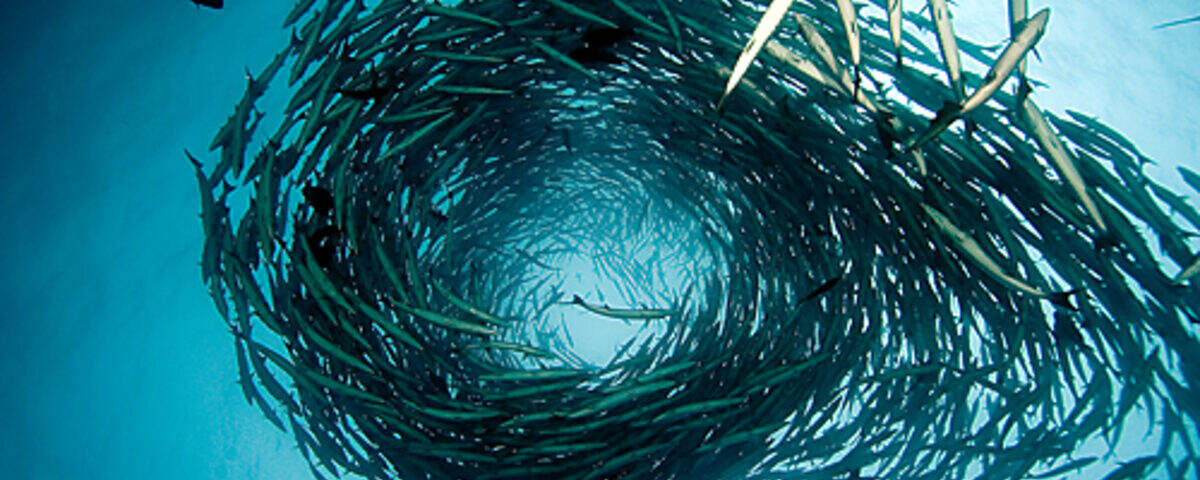
Barracuda schools are a constant presence, forming massive tornado-like columns that extend from the surface to the deeper sections of the rock. These formations are Sail Rock's visual signature alongside the whale sharks, and they appear on virtually every dive regardless of season.
Marine Life at Sail Rock
The barracuda tornado is the reliable headline. Thousands of chevron barracuda form a rotating column that sometimes stretches the full height of the pinnacle, creating a living vortex that photographers can position themselves inside. The school shifts and reforms throughout the dive, occasionally scattering when a predator passes through before reassembling within minutes.
Whale sharks are the seasonal prize. These gentle giants visit Sail Rock primarily between March and October, attracted by plankton concentrations in the Gulf. Encounters range from brief fly-bys to extended circling passes where the shark loops the pinnacle repeatedly. Juvenile whale sharks (3 to 6 metres) are more common than the massive adults, though both have been documented. The whale sharks arrive without warning; you might be photographing nudibranchs on the wall when a shadow blocks the light above you.
Groupers of impressive size inhabit the deeper sections. Some of the resident giant groupers exceed a metre in length and have been at the site long enough to tolerate close approaches. Batfish congregate in the mid-water around the rock, often in groups of 20 or more, their flat silver bodies catching the light as they turn.
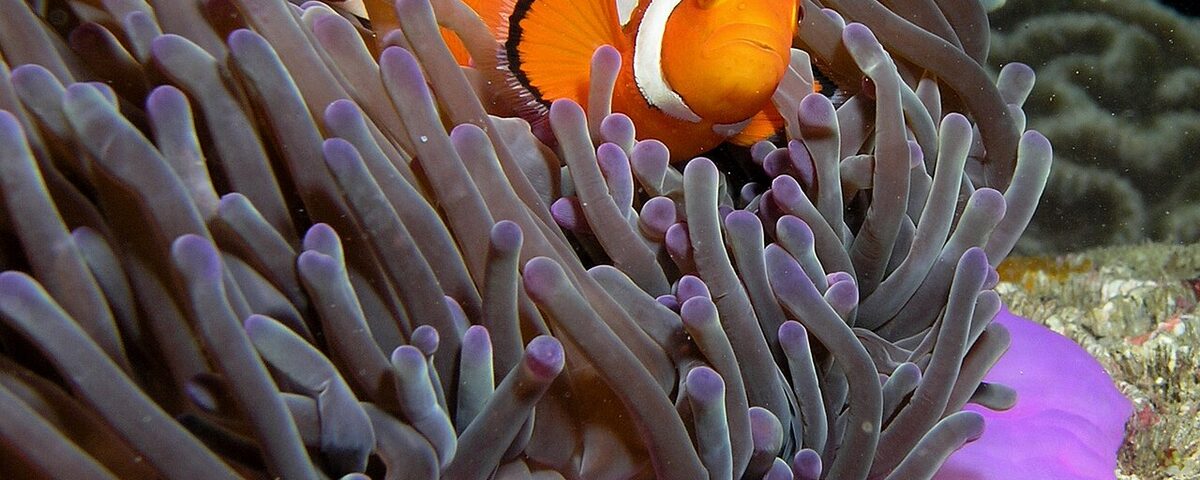
The rock itself is covered in anemones hosting multiple clownfish species, soft corals, and barrel sponges. Sea snakes are regular visitors, with banded sea kraits hunting eels among the coral. Moray eels of several species occupy crevices throughout the structure. Jenkins whipray and blue-spotted stingrays rest on the sandy patches at the base.
The Chimney's interior hosts its own ecosystem. Glassfish pack the entrance, their translucent bodies shimmering in torchlight. Lionfish station themselves at the openings to ambush the smaller fish. The swim-through walls are covered in sponges and tunicates adapted to the low-light conditions.
Macro life is solid throughout: nudibranchs on the coral surfaces, commensal shrimp on the anemones, and ghost pipefish during the cooler months. The diversity reflects the Gulf's productivity, which peaks during the plankton-rich months that also bring the whale sharks.
Dive Conditions
Sail Rock drops from the surface to over 40 metres, with the most interesting features between 5 and 30 metres. The Chimney entrance sits at roughly 18 metres, making it accessible to Advanced Open Water divers. The deeper sections of the pinnacle attract experienced divers looking for the larger groupers and occasional pelagic visitors.
Current ranges from mild to moderate, typically running north to south. On strong current days, the dive becomes a single-side exploration rather than a circumnavigation, which is fine because each face of the rock has enough to fill an entire dive. The lee side of the rock in current is where the fish concentrate, creating the densest aggregations.
Visibility is the variable. Gulf of Thailand water is green-tinged and nutrient-rich, which drives the biological productivity but limits clarity compared to Andaman Sea sites. Expect 10 to 15 metres on a typical day, with occasional windows of 20 to 25 metres during optimal conditions. The green water is precisely what brings the whale sharks, so poor visibility often correlates with better marine life.
Water temperature stays warm year-round at 27 to 30 degrees, comfortable in a 3mm wetsuit. Thermoclines below 25 metres can drop temperatures noticeably.
The boat ride from Koh Tao takes about 90 minutes, and from Koh Phangan roughly 60 minutes. Sea conditions during the crossing vary with the monsoon season; the Gulf is generally calmer than the Andaman Sea, but afternoon chop can make the return unpleasant for sensitive stomachs.
⚓ Divemaster Notes
Sail Rock is the dive I build entire Koh Tao trips around. The Chimney alone is worth the 90-minute boat ride, and the barracuda tornado above the pinnacle is one of the most photogenic formations in Thailand. When the whale sharks show, it goes from excellent to world-class.
I always run the first dive deep, starting at the Chimney entrance at 18 metres, dropping to 25 to 30 metres on the south face for the big groupers, then ascending gradually around the rock. The second dive is shallower, focusing on the north face where the anemone garden and soft corals are densest. This profile maximises bottom time across both dives.
The Chimney is wide enough for one diver at a time. I go first, position myself at the bottom to guide people through, and send them up one by one. The key instruction is simple: don't rush. The Chimney is more impressive when you take your time and look around at the glassfish and sponge growth rather than treating it as a corridor to get through quickly.
Whale shark encounters at Sail Rock follow a loose pattern. They tend to appear mid-morning, circling the rock at 10 to 15 metres. When I spot one, I signal the group to hold position and let the shark come to us. Chasing whale sharks is pointless and counterproductive; they can outswim you without trying. The best encounters happen when divers are still and the shark approaches out of curiosity.
One honest limitation: the Gulf visibility can be genuinely poor. I have had days at Sail Rock where 5-metre vis turned the pinnacle into a game of finding each other rather than finding marine life. These days happen, and there is no way to predict them with certainty. The upside is that poor vis days in the plankton season often produce whale shark encounters, so the trade-off is worth accepting.
How to Get to Sail Rock
Sail Rock sits in open water between Koh Tao and Koh Phangan in the Gulf of Thailand. Most divers access it from Koh Tao, where dozens of dive operators run regular Sail Rock trips. The boat journey takes approximately 90 minutes each way.
Koh Tao is reached by ferry from Chumphon (1.5 to 6 hours depending on ferry type) or from Koh Samui/Koh Phangan (1 to 2 hours). Chumphon connects to Bangkok by train, bus, or flight. Koh Samui has a direct airport with flights from Bangkok and regional cities.
Sail Rock trips are typically full-day excursions: two dives at the rock with a surface interval, lunch included. Some operators combine Sail Rock with a stop at a nearby site. The trip commands a premium over standard Koh Tao day trips (roughly 3,000 to 4,500 Thai baht) due to the fuel cost and distance.
Advance booking is recommended during peak whale shark season (April to June) and around Christmas and New Year when Koh Tao's dive industry runs at capacity.
Gear Recommendations
Standard tropical setup with 3mm wetsuit. Torch for the Chimney swim-through. Wide-angle lens is the priority here: the barracuda tornado and whale sharks demand it. SMB for safety stops in current. Nitrox recommended to extend bottom time on the deeper first dive. Dive computer with depth alarms given the temptation to follow the wall below 30 metres.
Recommended Dive Operators
Crystal Dive on Koh Tao runs well-organised Sail Rock trips with experienced guides who know the whale shark patterns. Big Blue Diving operates large, comfortable boats for the crossing and maintains solid safety standards. Ban's Diving Resort is one of the largest operations on Koh Tao with frequent Sail Rock departures. From Koh Phangan, Sail Rock Divers specialises in this site and runs trips with shorter crossing times.
Liveaboard Options
Sail Rock is primarily dived as a day trip from Koh Tao or Koh Phangan. No liveaboards operate specifically for this site. However, the Gulf of Thailand liveaboard season occasionally includes Sail Rock on itineraries that combine Koh Tao sites with Chumphon Pinnacles and Ang Thong Marine Park. These trips are less common than Andaman Sea liveaboards but exist for divers wanting to explore the Gulf more thoroughly.