Manta Point Dive Site
Gili Islands, Indonesia · Near Gili Trawangan
Overview
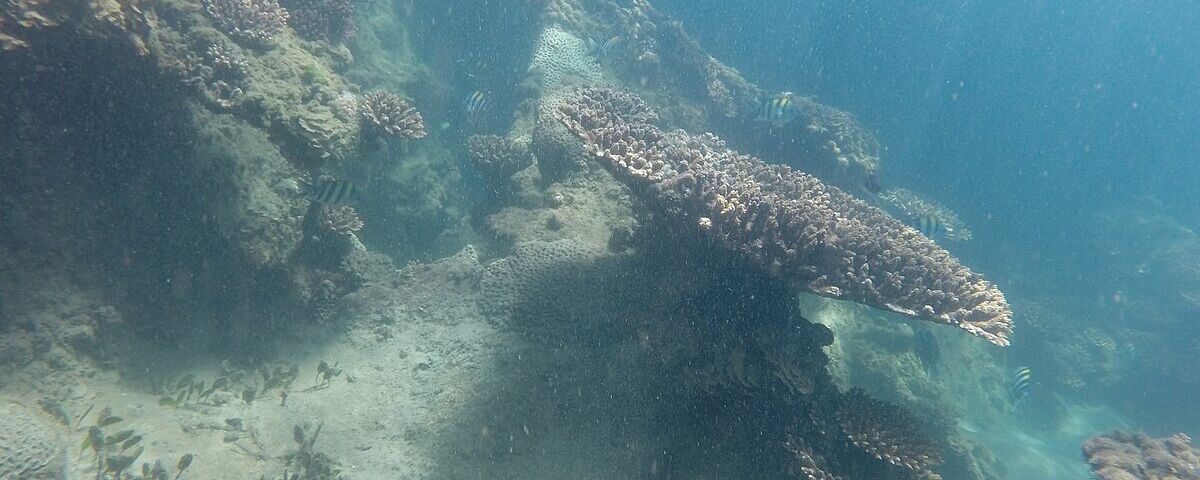
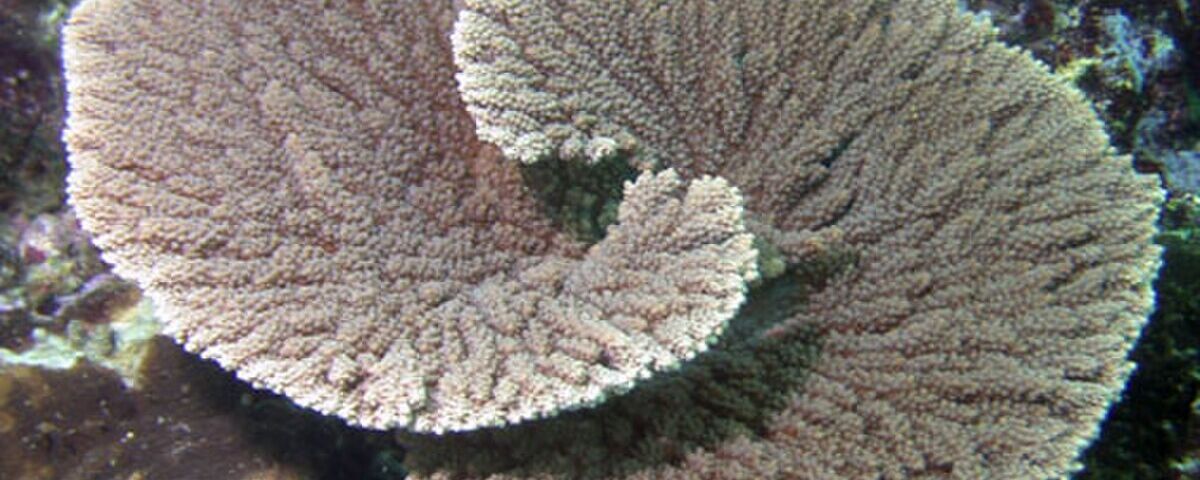
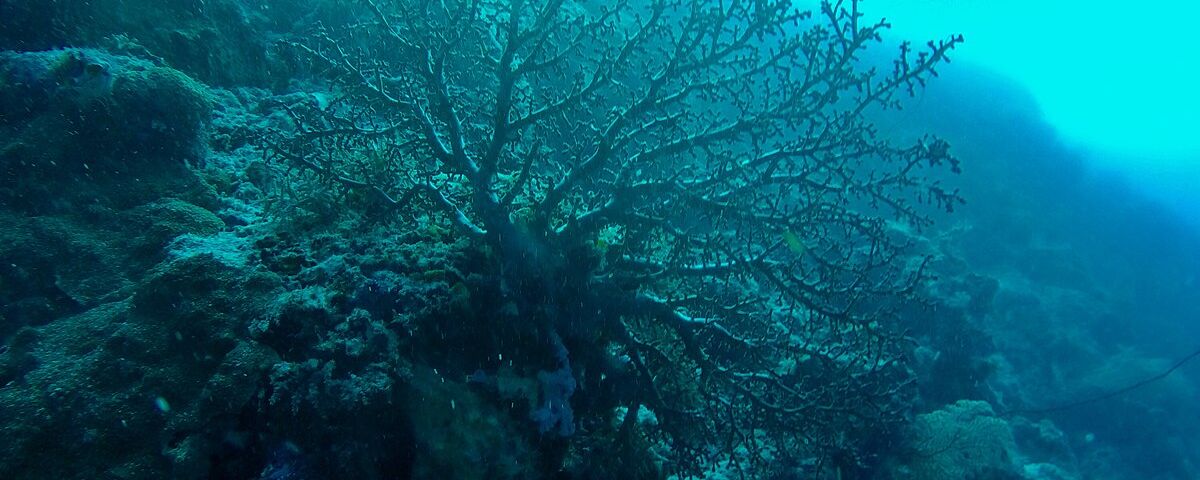
Pink cabbage coral covers the reef at Manta Point like an underwater garden, swaying in the surge while devil rays and eagle rays cruise overhead during the wet season. This southeast-facing site off Gili Trawangan catches the plankton-rich currents that draw rays between November and March, making it the Gilis' most dedicated site for ray encounters.
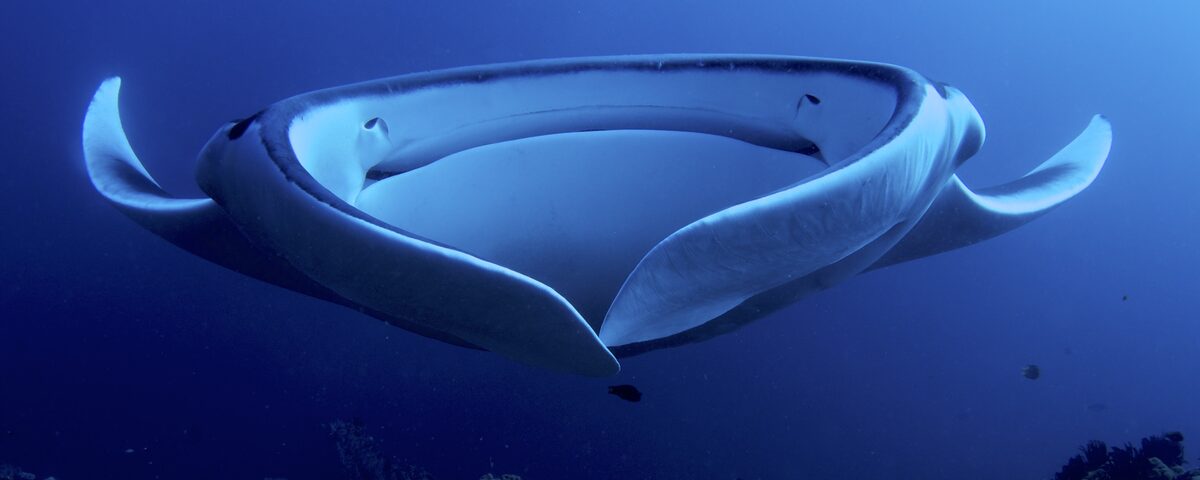
The name is slightly misleading, and honesty requires saying so upfront. Genuine oceanic manta ray sightings here are irregular; devil rays (mobula rays) are the more consistent visitors, and they're spectacular in their own right. Schools of mobulas occasionally pass through in groups of five or more, wheeling through the water column above the reef in coordinated formations. Eagle rays make less dramatic but still rewarding appearances, often solitary, gliding past with their distinctive spotted wings. The site earned its name from the early days of Gili diving when any large ray was called a manta, and the name stuck.
Beyond the rays, Manta Point has some of the most photogenic hard coral formations in the Gili Islands. The pink and purple cabbage corals are distinctive and create a visual character unlike any other site in the area. Even on days when the rays don't show, this is a solid reef dive with good fish life and beautiful coral.
The site works best during the wet season (November to March) when plankton levels peak and ray visits are most frequent. Dry season diving here is pleasant but misses the main attraction, and you'd be better off choosing another site for your limited dive days.
Marine Life at Manta Point
Devil rays (Mobula species) are the target species, typically seen between November and March when plankton levels are highest. They cruise through the water column above the reef, sometimes in small groups of three to five animals. Their flight is graceful and unhurried, and when they pass close overhead the size of even a small mobula is impressive. Eagle rays appear year-round but more frequently during the same wet season period, usually as single individuals sweeping past the reef edge. Genuine oceanic manta rays (Mobula birostris) are rare here but not unheard of, perhaps a few sightings per season.
The reef itself hosts reef sharks (both black-tip and white-tip), schools of sweetlips that cluster under overhangs, snapper in loose formations, and fusilier streaming past in silvery clouds. The cabbage coral formations are home to a variety of smaller reef fish that use the fronds for shelter. Scorpionfish blend into the coral surfaces with camouflage that's genuinely difficult to see through. Nudibranchs crawl along the hard coral structures, particularly in the calmer sections away from the surge.
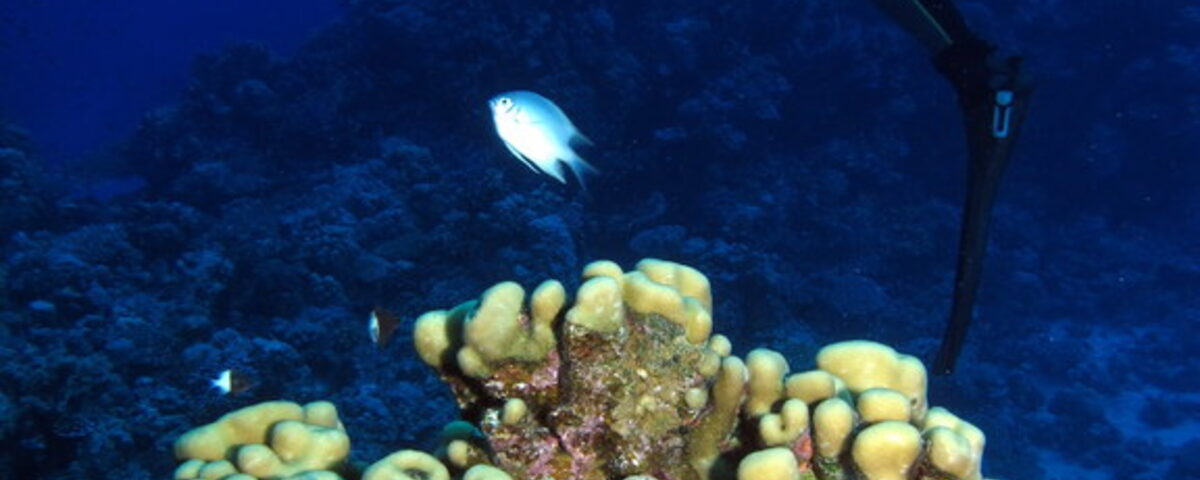
The shallower sections have surge-resistant hard corals in dense formations that have adapted to the wave energy at this site. Schools of fusilier stream past when current is running, creating walls of silver that part around you. Cuttlefish hunt among the coral bommies, displaying the colour changes they're famous for. The site doesn't have the turtle density of Shark Point or Turtle Heaven (perhaps one or two per dive), but the combination of ray potential and beautiful coral makes up for it.
Dive Conditions
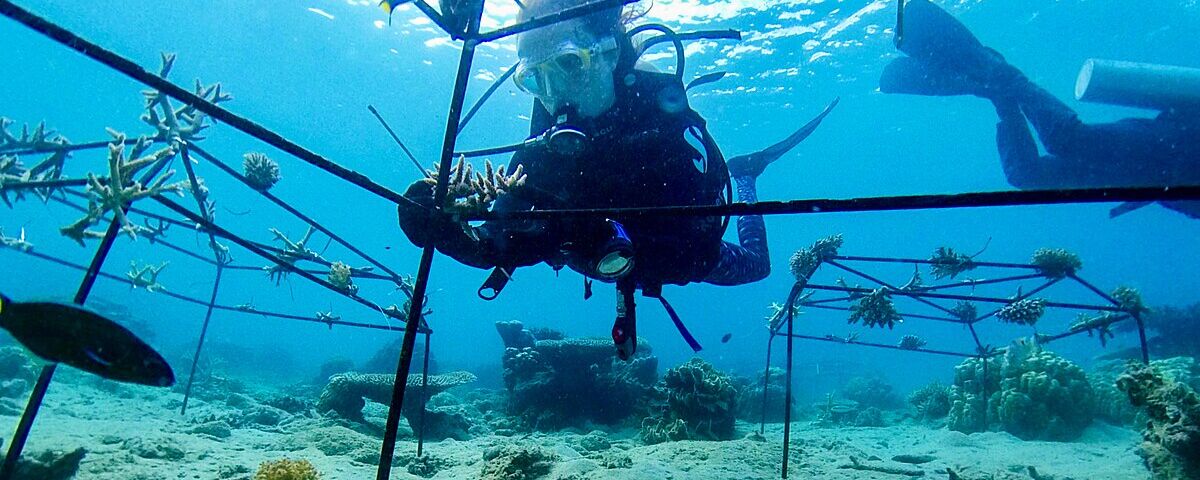
Manta Point sits on the southeast side of Gili Trawangan, exposed to currents running through the channel between the island and Gili Meno. Surge is common, particularly in the shallows between 8 and 12 metres where the wave energy concentrates. The surging motion over the cabbage coral is part of the experience, but it requires reasonable buoyancy skills to avoid being pushed into the reef and damaging the fragile formations.
Visibility is variable and often reduced by the same plankton that attracts the rays. Expect 8 to 15 metres during the wet season and up to 25 metres in the dry season. There's an inverse relationship between visibility and ray likelihood: the murkier the water, the more plankton, and the more likely you are to see the animals you came for. Crystal clear water looks better but usually means fewer rays. Current ranges from mild to moderate. The site is not typically dived in strong current conditions.
Water temperature can drop noticeably during upwellings, occasionally dipping to 26 degrees or below. The wet season (November to March) is best for ray encounters but brings more variable conditions overall, including reduced visibility and more frequent surge. Dry season diving here is calmer and clearer but less likely to produce the signature sightings that give the site its reputation.
⚓ Divemaster Notes
I'll be straight with you: don't book a trip to the Gilis specifically for manta rays at this site. The sightings are seasonal and inconsistent, and building your trip around them is a recipe for disappointment. Devil rays are more reliable during the wet season, and they're genuinely impressive animals, but if your heart is set on guaranteed manta encounters, Nusa Penida's Manta Point is a far better bet. That site has year-round cleaning stations with reliable daily manta visits. This one doesn't.
That said, when the rays do appear here, the experience is different from Nusa Penida and in some ways better. The Gili Manta Point site is quieter, with fewer boats and fewer divers competing for position. The encounters feel more intimate and less like queuing at a theme park. I've had devil rays circle within 3 metres at this site on dives where my group was the only one in the water, which is something that rarely happens at busier manta sites.
The cabbage coral is beautiful but fragile. The surge pushes you around, and one misplaced hand or knee can destroy years of coral growth. I've seen it happen too many times and it frustrates me every time. Maintain positive buoyancy over the reef and use your fins to hover, not your hands. If the surge is pushing you into the coral, ascend a metre or two until you're above it. Damaging coral to stabilise yourself is not acceptable.
The best strategy for ray encounters is to position yourself mid-water at 12 to 15 metres and watch the blue above. Rays tend to appear from the current direction, so face into the flow and wait. Patience pays off here more than swimming around looking. The rays are either there or they're not, and no amount of searching will conjure them. What swimming around does achieve is scaring them away if they approach from behind.
The reef here gets surge, and managing your position in the surge zone is a skill that not everyone has mastered. I've watched divers flail against the back-and-forth motion, exhausting themselves and damaging coral in the process. The technique is to use the surge rather than fighting it: let it push you in one direction, fin gently during the pause, and ride the return. You'll move across the reef with minimal effort and zero coral contact.
One more practical note: bring a hood or at minimum a full suit if you're diving here during wet season. The thermoclines at this site can be sudden and sharp, and the cold layer often sits right at the depth where the ray encounters happen (12 to 18 metres). Being cold underwater is not just uncomfortable; it increases your air consumption significantly, cutting your dive time when you want it most.
How to Get to Manta Point
Access is by dive boat from Gili Trawangan, approximately 10 to 15 minutes to the southeast side of the island. All major operators on Gili Trawangan include Manta Point in their site rotation, particularly during the wet season when ray sightings are most likely. Some operators check recent sighting reports before scheduling the dive.
Gili Trawangan is reached by fast boat from Bali (2 to 2.5 hours from Padang Bai or Serangan) or public boat from Bangsal on Lombok (20 minutes). Lombok International Airport is the closest airport, with road transfers to Bangsal taking about 2 hours.
Operators sometimes pair Manta Point with the Bounty Wreck on Gili Meno, as the two sites are relatively close and offer contrasting dive experiences: one a ray-hunting reef dive, the other a shallow wreck exploration. The combination makes for a good morning of varied diving.
Gear Recommendations
Standard tropical setup. A full 3mm or 5mm suit is wise during wet season when upwellings bring cold water that can be genuinely uncomfortable in a shorty.
SMB for surface signalling after the dive. Wide-angle lens essential for ray photography; you'll want the widest field of view possible for animals that may pass close overhead.
No reef hooks at this site; the coral is too fragile to anchor onto.
Recommended Dive Operators
Blue Marlin Dive has years of data on ray seasonality at this site and their guides have a good sense for when conditions are right based on water temperature, visibility, and recent sightings. Trawangan Dive schedules Manta Point specifically when their staff spot ray activity in the area and will redirect to alternative sites when conditions don't favour encounters.
Gili Divers runs this site regularly during wet season and their smaller group sizes improve the chances of close encounters. Manta Dive (the name is coincidental; they're named after the animal, not this specific site) on Gili Trawangan also offers reliable access with experienced local guides.
Liveaboard Options
Not a liveaboard site. Day trip access only from Gili Trawangan operators.
The seasonal nature of the ray encounters means flexibility in scheduling (which day-trip operations provide) is more valuable than the consistency of a liveaboard route.