Meno Slope Dive Site
Gili Islands, Indonesia · Near Gili Meno
Overview
Hawksbill turtles are the speciality at Meno Slope, which is unusual for the Gili Islands where green turtles typically outnumber their hawksbill cousins by a significant margin. This gentle site runs along Gili Meno's west coast, a sandy slope dotted with coral bommies where both species sleep, feed, and get cleaned by wrasses in a cycle that repeats throughout the day.
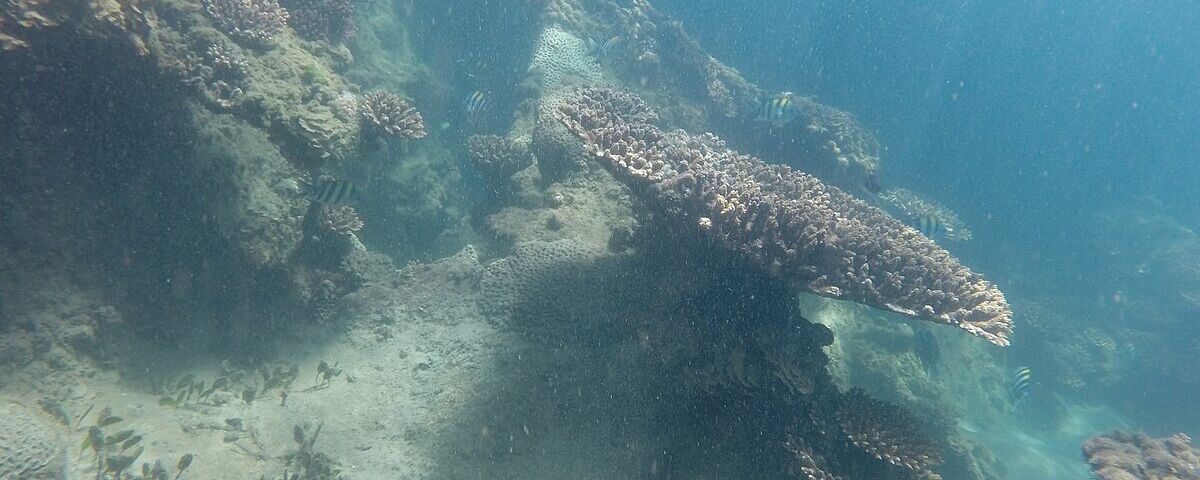
The topography is about as simple as diving gets: a gradual descent from 5 to about 20 metres, with coral formations scattered across the slope like stepping stones. There are no walls, no drop-offs, no dramatic features, no current to manage, and no depth challenges. What Meno Slope has instead is reliable marine life in conditions so comfortable that you can genuinely forget you're underwater and just watch the reef do its thing.
Meno Slope works beautifully as a training site for newly certified divers and as a second or third dive for experienced divers who want something mellow after a challenging morning at Halik or Deep Turbo. The lack of current and the gentle depth profile make it about as stress-free as ocean diving gets anywhere in the world.
It's also a solid snorkelling spot, with turtles frequently visible from the surface above the shallower bommies at 5 to 7 metres. Snorkellers and divers share the site without conflict, as the turtles at these depths are habituated to human presence from both above and below.
The site connects to Meno Wall further along the coast, and some operators run a combined dive that starts at one end and finishes at the other, drifting along the coast when mild current permits. This gives a longer, more varied dive that covers both the slope's gentle bommie terrain and the wall's vertical features in a single immersion.
Marine Life at Meno Slope
Both hawksbill and green sea turtles are reliably present on every dive, resting on the coral bommies and feeding on sponges and algae. The hawksbills here seem to favour particular bommies, returning to the same resting spots regularly enough that guides know exactly where to find them. You'll often find them sleeping with their heads tucked under coral overhangs, entirely unbothered by divers who maintain a respectful distance. The hawksbills are smaller than the green turtles and have a distinctly different shell pattern: overlapping plates with a serrated edge, compared to the green turtle's smoother, rounder shell.
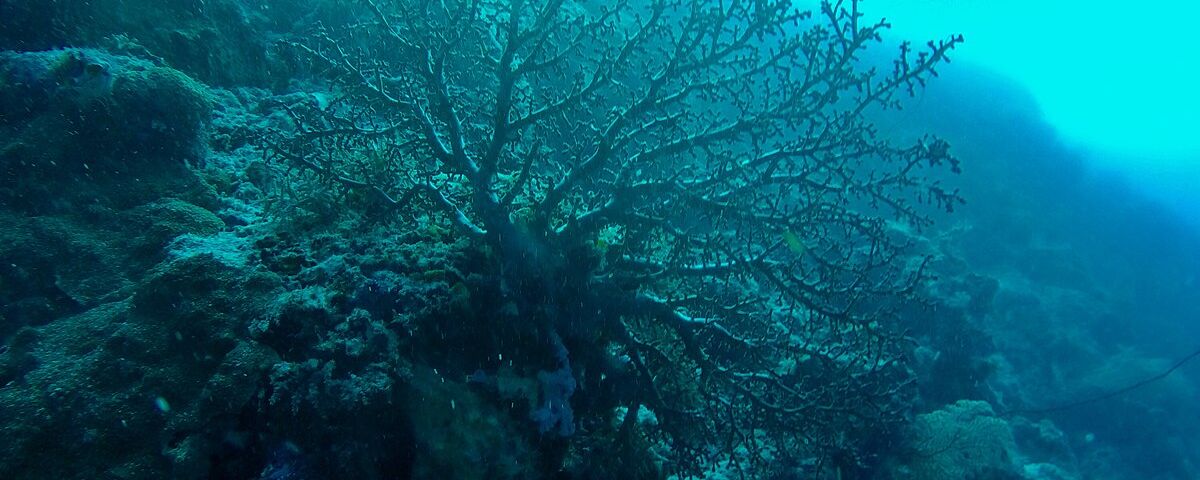
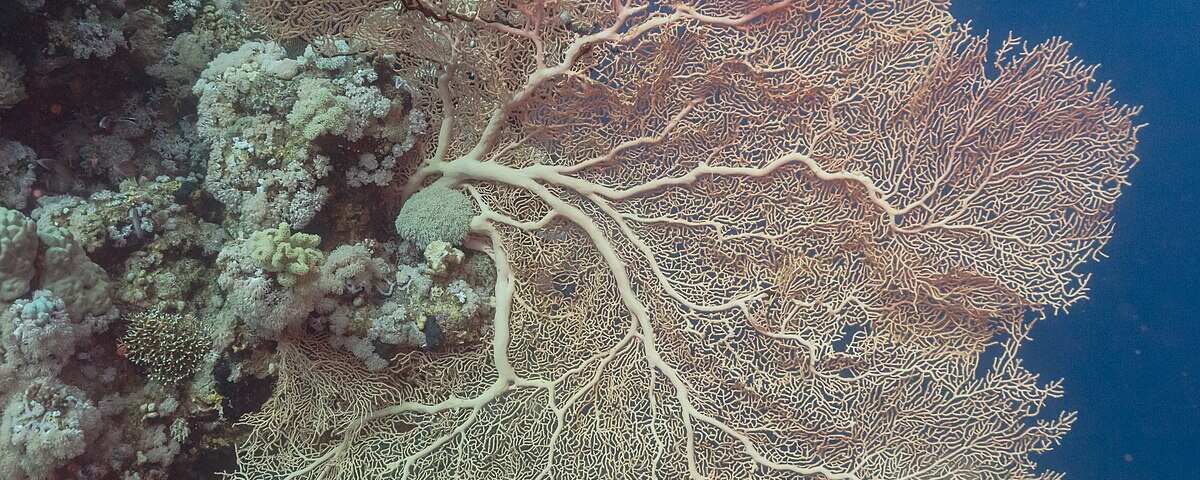
Schools of blue-striped snapper hang above the bommies in loose formations that catch the light. Pufferfish are common, sometimes inflated into their defensive ball shape when startled by an approach. Batfish drift past in small groups, their flat bodies unmistakable in profile. The coral bommies host the standard Gili reef community: damselfish defending their patch with absurd aggression, butterflyfish in pairs, wrasses darting between corals, and parrotfish scraping algae from the hard coral surfaces with their fused teeth.
The sandy areas between bommies are worth checking for blue-spotted stingrays partially buried in the sand, garden eels swaying in their colonies, and the occasional snake eel with just its head protruding from its burrow. Macro life is present but it's not the focus here. The site is about the turtles, the relaxed reef atmosphere, and the simple pleasure of a calm dive in warm, clear water.
Wrasses are particularly active at Meno Slope, darting between turtles to clean parasites and establishing cleaning stations on the larger bommies. Watching a large hawksbill turtle hover motionless while tiny cleaner wrasses work its shell and skin is one of the most engaging interactions in Gili diving. The turtle visibly relaxes, extending its flippers and stretching its neck, giving the cleaners access to every surface. This behaviour is easy to observe here because the turtles are habituated to divers and won't flee if you approach slowly and maintain your distance.
Dive Conditions
Meno Slope is one of the calmest dive sites in the Gili Islands, suitable for divers at every level of experience. Current is typically mild or absent entirely, and the west coast position provides some shelter from the stronger tidal flows that affect the northern sites. Visibility is usually 10 to 20 metres, occasionally better during the dry season.
The gentle slope means depth control is never an issue. You can stay shallow at 5 to 10 metres for the entire dive if you prefer, with plenty of marine life at that depth to fill a 50-minute immersion. Maximum depth of 20 metres is accessible to all certified divers and provides a slightly different perspective on the bommie ecosystem.
Entry is by boat from any of the three Gili Islands, with a giant stride into calm water. The conditions are genuinely suitable for all levels of diver, including those on their first ocean dive after pool certification, those returning to diving after a long break, and those who simply want a relaxed dive without challenges. There are no hazards worth mentioning beyond the standard open-water diving considerations.
Water temperature is a consistent 27 to 30 degrees year-round. The site receives morning sun that illuminates the bommies beautifully for the first dive of the day. Afternoon dives work well too, with the western aspect catching warm afternoon light that gives the coral formations a golden glow.
⚓ Divemaster Notes
Meno Slope is where I send divers who are nervous, who haven't been in the water for years, or who've just completed their Open Water certification and need a confidence-building ocean dive. Zero current, gentle slope, turtles visible from the moment you descend. It takes every possible pressure off and lets people remember why they enjoy diving, or discover it for the first time.
The hawksbill turtles are the reason to dive here specifically rather than choosing any other turtle site in the Gilis. Hawksbills are genuinely less common across the islands than green turtles, and Meno Slope has a reliable population that you can count on encountering. Look for them on the bommies between 8 and 15 metres. They're smaller than the green turtles, with a more angular shell and a narrower head. The feeding behaviour is different too: hawksbills eat sponges rather than algae, so you'll see them poking their beaks into coral crevices.
I'll be honest: this is not a thrilling dive for experienced divers seeking current, depth, unusual topography, or adrenaline. It's a gentle reef dive with reliable turtle encounters, and if that sounds boring to you, choose a different site. No judgement. But if a calm dive with close hawksbill encounters in clear, warm water sounds like exactly what you need after three days of deep dives and drift dives, Meno Slope delivers that experience perfectly.
Combine it with Meno Wall (daytime or night) and the Bounty Wreck for a solid Gili Meno triple-dive day that covers three different dive types without ever exceeding 25 metres.
Snorkellers share this site with divers, and the interaction is generally positive. The turtles at 5 to 7 metres are visible from the surface, and snorkellers can watch from above while divers observe from alongside. This dual-level viewing works well when everyone maintains their position. Problems arise when snorkellers duck-dive down to the turtles and startle them, which affects the divers below. If you're diving here and there are snorkellers above, keep an eye upward and be prepared for turtles to move unexpectedly.
How to Get to Meno Slope
Meno Slope is on Gili Meno's west coast, a short boat ride from any Gili Island. From Gili Trawangan, about 10 minutes across the channel. From Gili Air, about 15 minutes. From Gili Meno itself, the boat ride is minimal.
The Gili Islands are reached by fast boat from Bali (2 to 2.5 hours from Padang Bai or Serangan) or from Bangsal harbour on Lombok (20 minutes by public boat). Lombok International Airport is the nearest major airport, with road transfer to Bangsal taking roughly 2 hours.
Operators frequently pair Meno Slope with the Bounty Wreck or Meno Wall for multi-dive days exploring Gili Meno's coast, as the three sites are all accessible from the same area and offer contrasting experiences: gentle slope, shallow wreck, and vertical wall.
Gear Recommendations
Standard tropical gear at its simplest. Camera with mid-range or wide-angle lens for turtle portraits at close range.
Nothing special required. The easy conditions and gentle profile make this a minimal-gear dive.
Torch useful for checking under bommies where turtles rest but not essential.
Recommended Dive Operators
Blue Marlin Dive on Gili Meno is closest and uses this site regularly for both training dives and fun dives with mixed-ability groups. Trawangan Dive pairs it with Meno Wall for a contrasting morning that showcases two different aspects of Gili Meno diving.
Oceans 5 from Gili Air includes it in their Gili Meno dive days and their guides are attentive to the hawksbill turtle locations. Any operator across the islands can access this site easily, and the simple conditions mean guide quality matters less here than at more challenging sites.
Liveaboard Options
Not a liveaboard destination. Day trip access from all three Gili Islands through any operator.
The site's beginner-friendly conditions make it a useful scheduling option for operators with groups that include newer or less confident divers.