Meno Wall Dive Site
Gili Islands, Indonesia · Near Gili Meno
Overview
Meno Wall is arguably the best night dive in the Gili Islands, and it's a strong contender for the best night dive in Lombok province. Two walls drop from 5 metres to about 25 metres on the northwest side of Gili Meno, and after dark the reef transforms into a hunting ground for crustaceans, cephalopods, and nocturnal predators that remain completely hidden during daylight hours.
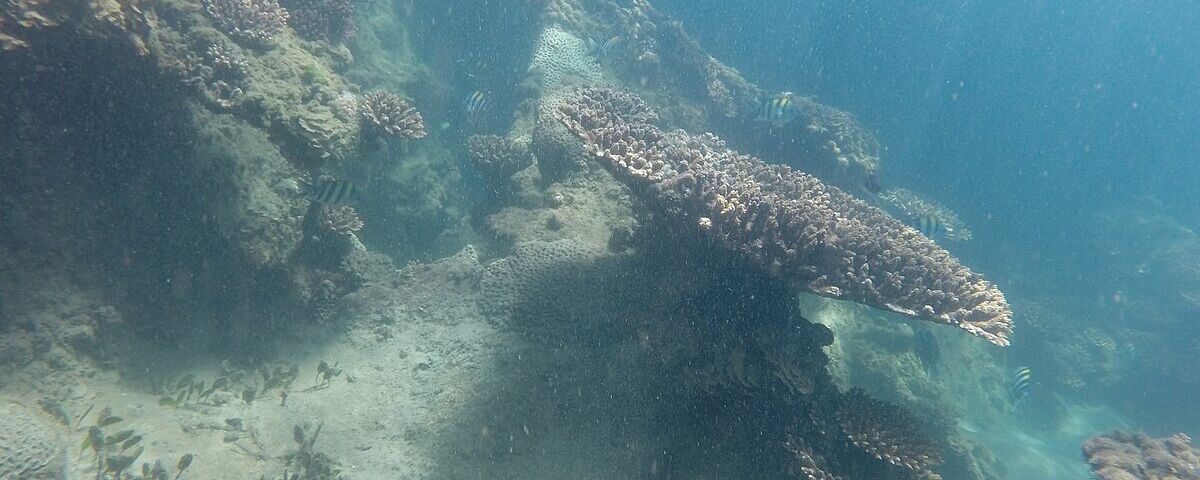
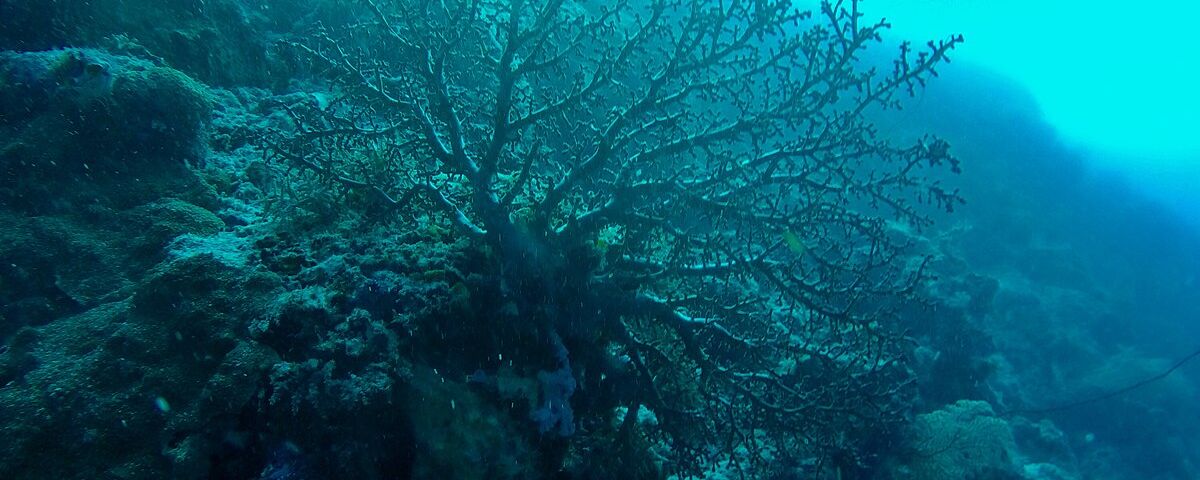
During the day, the walls are already interesting. Hard and soft coral coverage is healthy, with moray eels wedged into crevices, scorpionfish blending into the reef face, and pipefish hiding vertically in the coral growth. The two-wall structure creates an unusual topography for the Gilis, where most sites are slopes or pinnacles rather than vertical features. The gap between the walls creates a natural swimthrough where the reef life concentrates.
But the real reason experienced Gili divers talk about Meno Wall is the night dive. Spanish dancer nudibranchs glide through the water column in their characteristic swimming motion. Crabs of every description emerge from the reef in numbers that border on alarming. Lobsters extend their antennae from holes. Sleeping turtles tuck into the wall crevices, their shells visible from metres away in the torch beam. Juvenile cuttlefish, barely the size of a thumb, hover motionless in the light.
This is one of those sites that genuinely becomes a completely different dive after sunset. The daytime dive is good. The night dive is exceptional. If you have the certification and the inclination to dive at night, Meno Wall should be on your schedule.
The two-wall structure gives the site a visual identity that's immediately recognisable. Unlike the Gili Air Wall, which is a single vertical face, Meno Wall presents two parallel walls separated by a sandy channel, creating a corridor effect that concentrates marine life in the gap between them. This topography is unusual for the Gili Islands and gives the dive a distinct character.
Marine Life at Meno Wall
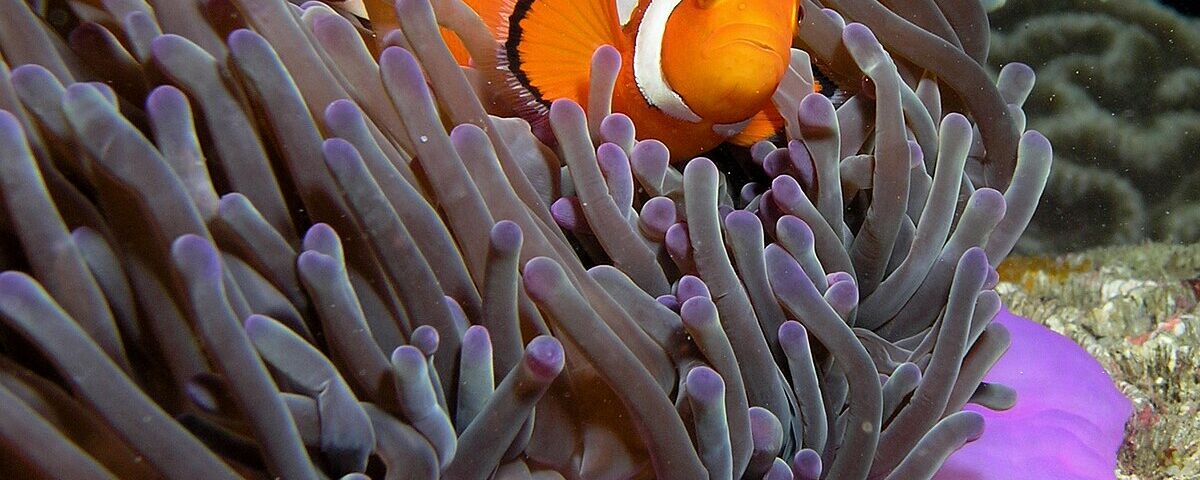
During the day, the walls host moray eels (both giant morays and the smaller snowflake morays with their distinctive white patterning), scorpionfish flattened against the wall surface, lionfish hanging under overhangs with their venomous spines extended, and groupers tucked into the larger crevices. Pipefish and nudibranchs occupy the smaller spaces and coral surfaces. Clownfish colonies sit in anemones along the wall top, visible from above as orange dots against the purple anemone tissue. Blue-spotted stingrays rest on the sandy bottom at the wall base.
The two walls offer slightly different habitats. The shallower wall (5 to 16 metres) has denser hard coral coverage, more reef fish, and better natural light for photography. The deeper wall (14 to 25 metres) has more soft coral and gorgonian fans with occasional pygmy seahorses for those with sharp enough eyes to spot them.
At night, the site comes alive in ways that daytime diving cannot prepare you for. Spanish dancers (large red nudibranchs up to 30 centimetres long) are the signature sighting, swimming with undulating body movements that look like a flamenco dancer's skirt, which is exactly how they earned the name. Sponge crabs carry their camouflage like oversized hats balanced on their backs. Red army shrimp march across the reef in orderly lines that look choreographed. Squid hover in the water column above the wall, drawn by torch light and pulsing with colour. Sleeping turtles are common on night dives, resting with their heads tucked into the wall and completely unresponsive to divers, torches, or camera flashes. The contrast between the quiet daytime wall and the nocturnal activity is remarkable and genuine.
Dive Conditions
Meno Wall sits on the northwest side of Gili Meno, which means it's more exposed to current than the sheltered east coast. Current ranges from non-existent to genuinely strong, and the direction can shift with the tides mid-dive. This variability is why the site is rated intermediate rather than beginner, even though the maximum depth of 25 metres is well within Open Water limits.
When current is strong, the site becomes a drift dive along the wall, which is exciting but requires a competent group and an attentive guide. When slack, you can explore both walls at your own pace, lingering in the swimthrough between them. Night dives are typically scheduled during slack tide for safety and comfort, as navigating in the dark with strong current running creates unnecessary risk.
Visibility is usually 10 to 20 metres, adequate for both day and night diving. The site is diveable year-round, with current being the main variable rather than season. Entry is by boat from any of the three islands, with Gili Trawangan and Gili Meno operators having the shortest boat rides at 5 to 10 minutes.
The two walls are separated by a sandy channel at about 16 metres, which creates a natural swimthrough that concentrates marine life. Swimming through this gap from one wall to the other is atmospheric during the day and genuinely exciting at night when the torch beam reveals critters on both sides simultaneously. The channel is wide enough that two divers can pass through side by side comfortably.
⚓ Divemaster Notes
If you dive Meno Wall during the day and skip the night dive, you've experienced perhaps 40 percent of what this site offers. I'm not saying the daytime dive is bad; it's a pleasant wall dive with decent marine life. But the night dive here is a different experience entirely, and it's one of the highlights of Gili diving for those willing to try it.
Schedule your night dive for a day with calm conditions and slack tide. Current at night is a genuine safety concern because navigation is harder in the dark, communication between divers is limited to torch signals, and separation from your group or guide can become dangerous quickly. Most operators check conditions carefully before committing to a night dive here, and if they cancel due to current, trust their judgment.
Bring a good primary torch and a backup. The critters at night are often small and require focused illumination to spot against the reef background. Red army shrimp are tiny (a couple of centimetres) and you'll walk right past them without focused torchlight and a guide who knows where to look. Spanish dancers are larger and easier to see, but they're not on every dive. I'd say I encounter them about one in three night dives here, so manage your expectations.
One tip for the experience rather than the photography: switch off your torch for 30 seconds and wave your hand through the water slowly. The bioluminescent plankton here can produce a sparkling effect that looks like underwater fireflies, and it's one of those diving moments that's worth experiencing without a camera between you and the water. It's nearly impossible to photograph but unforgettable to see.
Sleeping turtles are common on night dives and utterly endearing. Do not touch them, shine your torch directly in their faces for extended periods, or crowd around them for group photos. They're sleeping. Let them be. A brief look and a wide berth is the respectful approach.
How to Get to Meno Wall
Meno Wall is on Gili Meno's northwest coast, accessed by dive boat. From Gili Trawangan, the ride is about 10 minutes across the channel. From Gili Meno itself, under 5 minutes. Gili Air operators access it in about 15 minutes.
The Gili Islands are reached from Bali by fast boat (2 to 2.5 hours from Padang Bai or Serangan) or from Lombok via Bangsal harbour (20 minutes by public boat). Lombok International Airport is the closest airport.
Night dives at Meno Wall need to be specifically requested with most operators, as not all include them in their standard daily schedule. Some operators run night dives two or three times a week; others do them on demand when a minimum number of divers sign up. Book your night dive early in your trip in case weather postpones it.
Gear Recommendations
Standard tropical gear. For night dives: primary torch (minimum 1000 lumens), backup torch clipped to your BCD, and a chemical light stick or LED tank marker light so your guide can track you in the dark.
Camera with macro lens is ideal for night dive critter photography. Wide-angle works for daytime wall shots and for capturing the two-wall structure.
External strobe essential for night photography.
Recommended Dive Operators
Blue Marlin Dive runs some of the most regular night dives at Meno Wall, with experienced night dive guides who know where to find the Spanish dancers and sponge crabs and carry identification slates for critter naming. Trawangan Dive schedules night dives here on request and their guides are strong on species identification, which matters when everything looks different under torch light.
Manta Dive from Gili Trawangan also runs night dive trips to this site. On Gili Meno itself, the few small operators offer the shortest boat transfer and the most intimate dive experiences, though their schedules are less predictable.
Liveaboard Options
Not a liveaboard destination. Day and night dive access from Gili Island operators.
The night dive scheduling flexibility that shore-based operators provide is actually ideal for this site, as conditions need to be right and a fixed itinerary cannot accommodate that.