Simon's Reef Dive Site
Gili Islands, Indonesia · Near Gili Air
Overview
Sandy formations between the coral mounds at Simon's Reef look like miniature desert dunes, sculpted by current into rippled patterns that make the underwater terrain genuinely unusual. This deep site between Gili Meno and Gili Air has a rugged, untamed character that sets it apart from the more familiar reef sites closer to the islands.
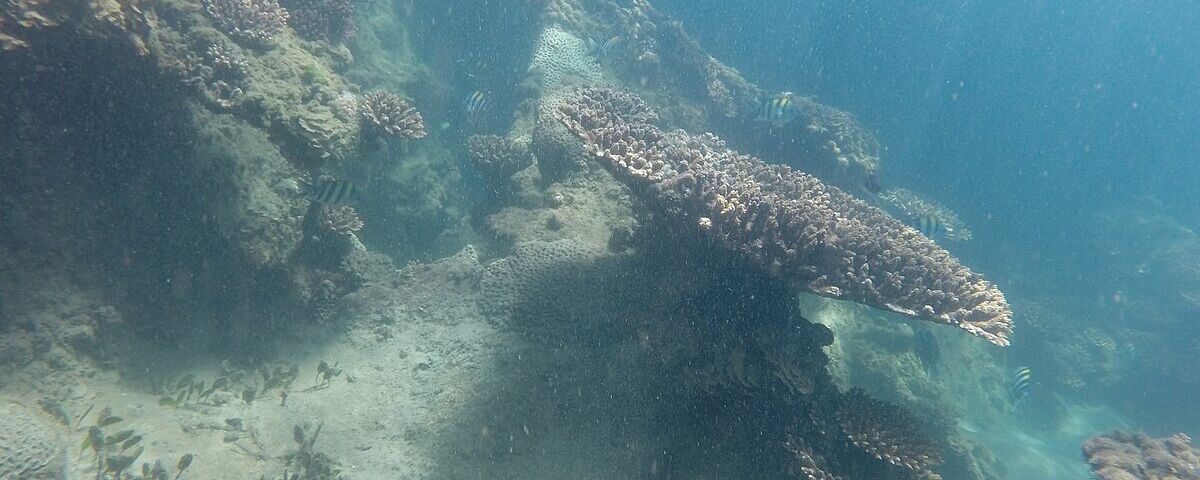
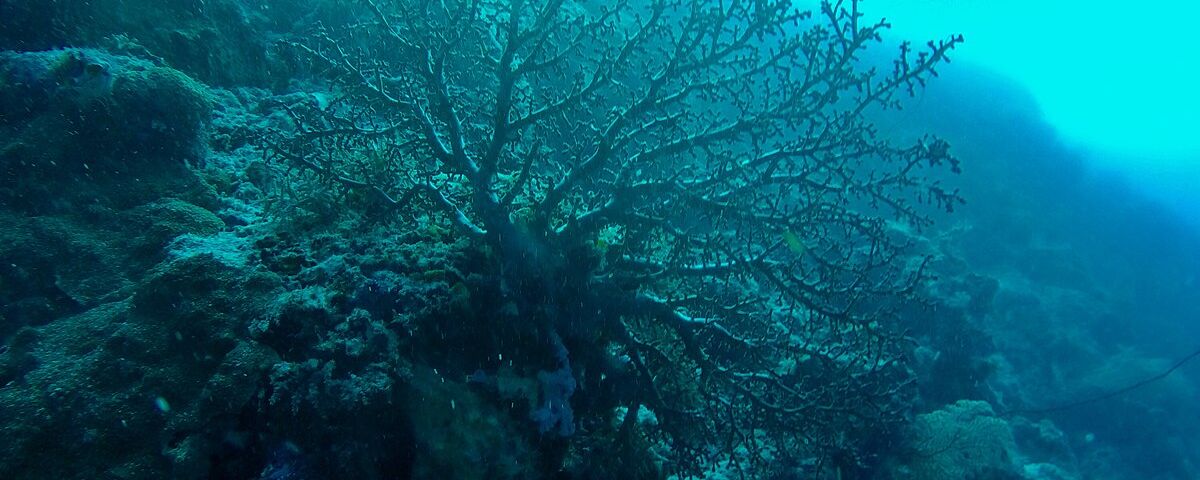
Large sea mounds rise from a sandy bottom at 30 metres, varying in size and shape, creating an interesting topography of overhangs, outcrops, and natural swimthroughs. The coral coverage on these mounds includes species and formations that aren't common at other Gili sites, giving the impression of diving somewhere more remote than you actually are. Giant gorgonian sea fans spread across the current-facing surfaces, and these fans are among the best in the Gili Islands for pygmy seahorse hunting.
Simon's Reef is a deep dive that rewards experience and calm underwater technique. The minimum useful depth is around 15 metres at the pinnacle tops, and the most interesting features sit between 20 and 30 metres where the mounds rise from the sand and the gorgonians reach their maximum size. The site isn't suitable for Open Water divers, and even Advanced divers should have reasonable experience with deep profiles and current management before attempting it.
For experienced divers who have ticked the popular sites, Simon's Reef offers something the Gilis' greatest hits cannot: a sense of discovery. The site feels less visited, less familiar, and more rewarding for those willing to invest the depth and gas to explore it properly.
The site was named after a local guide (Simon) who first mapped the mound layout and identified the best approach routes. His knowledge of the site's currents and seasonal patterns has been passed down through the Gili Air dive operator community, and the dive plan most operators follow today reflects his original exploration routes.
Marine Life at Simon's Reef
The gorgonian sea fans are spectacular, some of the largest in the Gili Islands, spanning two metres or more across. Pygmy seahorses (Hippocampus bargibanti) inhabit several of the fans, their tiny bodies matched perfectly to their host's colour and texture. An experienced guide can locate them by checking known fans, though their camouflage is so effective that finding them independently is essentially impossible.
The sea mounds host barrel sponges, soft coral gardens in purples and yellows, and a variety of reef fish that seem denser here than at comparable depths on other sites. Scorpionfish and lionfish occupy the overhangs, blending into the rock. Schools of batfish circle the larger mounds. Reef sharks (mostly white-tips) are spotted occasionally cruising between the structures, particularly in the deeper channels where the sand meets the mound bases.
The sandy bottom between the mounds is the site's most unusual feature. Current-sculpted sand formations create rippled patterns that look distinctly geological rather than marine, resembling desert sand dunes transplanted underwater. Garden eels colonise the flatter sandy areas, their thin bodies extending from the sand in swaying fields. Blue-spotted stingrays rest between the mounds, often partially buried. The combination of coral mounds and sandy valleys creates a diverse habitat that supports both reef and sand-dwelling species.
Pelagic species pass through the area more frequently here than at the sheltered coastal sites. Eagle rays glide past in the water column beyond the reef edge. Schools of barracuda occasionally appear, spiralling above the mounds. The open water location and depth create conditions more likely to attract passing animals.
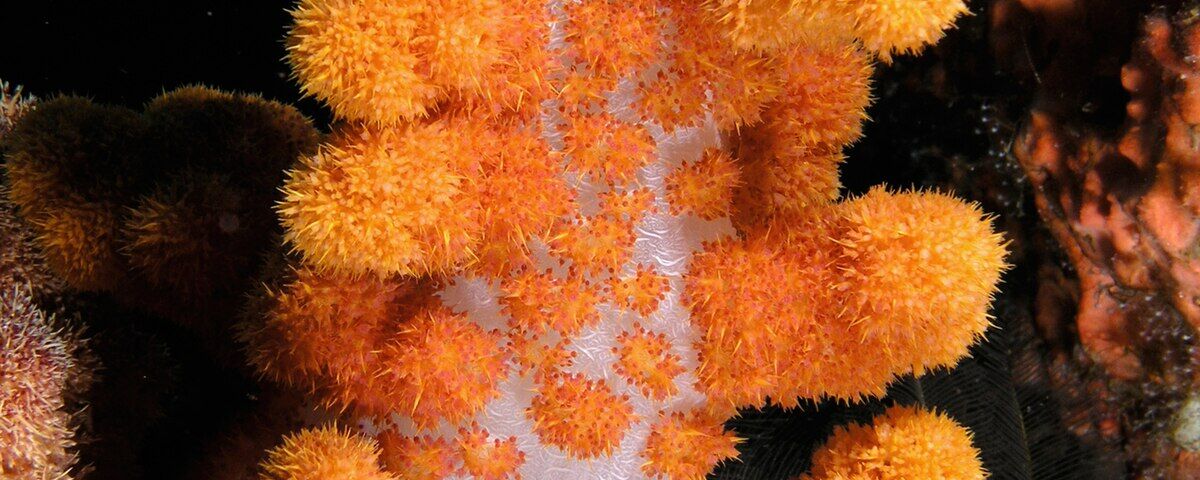
The diversity of soft coral species on the mound surfaces at depth is notably different from the shallow reef sites around the islands. Dendronephthya soft corals in reds, oranges, and purples drape the current-facing surfaces of the mounds, creating colourful displays that contrast with the sandy bottom below. These soft corals feed on plankton carried by the current, which is why they concentrate on the upstream faces of the mounds.
Dive Conditions
Simon's Reef sits in open water between Gili Meno and Gili Air, exposed to tidal currents flowing through the channel. Current is typically moderate and can strengthen without warning as tidal patterns shift. The site is best dived during moderate tidal flow, which concentrates fish life on the mounds without making the dive unmanageable.
The depth profile is the main consideration: the sandy bottom sits at 30 metres, and the coral mounds rise to about 15 metres at their highest. This is a deep dive with limited bottom time on air. Nitrox extends usable time meaningfully and is the recommended choice for this site. A typical dive on air gives about 25 minutes of bottom time at the deeper sections before decompression obligations require ascent.
Visibility is usually 10 to 20 metres, occasionally better when conditions are optimal. The safety stop is done in open blue water above the mounds, which requires comfort with mid-water hovering without a visual reference below. Entry is by boat from Gili Air (about 10 minutes) or Gili Trawangan (about 20 minutes). The site is weather-dependent and operators may cancel or substitute when conditions are poor.
Water temperature at the mound depth (20 to 30 metres) can be a degree or two cooler than the surface, particularly when deep water upwellings are active in the strait. A full 3mm suit rather than a shorty is the safer choice here. The open water location means surface conditions can be choppy, making the boat entry and exit slightly more challenging than at sheltered sites.
⚓ Divemaster Notes
Simon's Reef is the dive I mention when experienced divers tell me they've done all the Gili sites. No, you haven't. This one is worth seeking out specifically for the unique topography, the gorgonian fans, and the feeling of diving somewhere less commercial.
Nitrox is not optional here in my view. On air, your no-decompression limit at 25 to 30 metres gives you barely 20 minutes of useful bottom time, and that's before accounting for the ascent. With Nitrox 32, that extends to a much more comfortable window that allows actual exploration rather than a rushed tour. If your operator offers Nitrox and you're certified, take it. The extra cost pays for itself in dive quality.
The gorgonian fans with pygmy seahorses are at depth, usually at 22 to 28 metres. Your guide will know which fans have current residents. Once they point out a pygmy, stay at that depth and observe. These animals are among the most remarkable creatures you can see on any dive, anywhere in the world. Taking the time to find and watch them is worth every bar of air pressure in your tank.
One caution: the blue-water safety stop at this site catches some divers off guard, particularly those whose previous dives have all ended on shallow reefs. You'll ascend from the mounds into open ocean with nothing visible below. If that prospect makes you uncomfortable, practise at shallower open-water sites first. Maintain buddy contact, watch your depth gauge continuously, and control your ascent rate. Ascending too fast during a safety stop at the end of a deep dive is the single most dangerous mistake you can make.
The sand dune formations between the mounds are worth observing beyond their visual appeal. They indicate current direction and strength, which is useful navigational information during the dive. They're also genuinely unusual and make for interesting photographs that don't look like they were taken underwater.
How to Get to Simon's Reef
Simon's Reef is in open water between Gili Meno and Gili Air. Access is by dive boat from any of the three islands, with Gili Air operators having the shortest crossing at about 10 minutes.
The Gili Islands are reached by fast boat from Bali (2 to 2.5 hours from Padang Bai or Serangan) or from Bangsal harbour on Lombok (15 to 20 minutes by public boat). Lombok International Airport is nearest, with road transfers to Bangsal taking about 2 hours.
The site is not dived as frequently as the shallower sites due to its depth requirements and weather dependency. Some operators only schedule it on request or when conditions are ideal. Ask specifically when booking if Simon's Reef interests you, and be flexible on timing because it may need to be moved to a different day depending on weather and current.
Gear Recommendations
Nitrox strongly recommended for extended bottom time at depth. Standard tropical exposure suit.
SMB mandatory for the blue water ascent and surface location. Dive computer essential for monitoring NDL on this deep profile.
Torch for illuminating overhangs and examining gorgonian fans for pygmy seahorses. Macro lens if pygmy seahorses are your target; wide-angle for capturing the mound topography and sand formations.
Recommended Dive Operators
Manta Dive Gili Air has experienced guides who dive Simon's Reef regularly and know the gorgonian fan locations for pygmy seahorse finding. Oceans 5 on Gili Air includes it in their advanced dive rotation and can advise on the best timing based on current conditions.
Blue Marlin Dive offers Nitrox from their various locations, which is genuinely valuable for the depth profile at this site. From Gili Trawangan, Gili Divers and Trawangan Dive both run the site for advanced divers on request.
Liveaboard Options
Not a liveaboard destination. Day trip access from Gili Air (preferred) or Gili Trawangan operators.
The depth requirements mean this site works best as a first dive of the day when you're fresh.