Castle Rock Dive Site
Komodo, Indonesia · Near Labuan Bajo
Overview
Castle Rock sits in the open ocean north of Komodo Island, a submerged pinnacle rising from deep water with nothing around it for miles. When the current runs, this is one of the most intense dives in Indonesia. When it's slack, it's one of the most beautiful. Either way, it's a site that rewards skill and punishes complacency in roughly equal measure.
The pinnacle tops out at about 4 metres and drops away on all sides to 30 metres and beyond. Massive boulders and overhangs create a complex structure where marine life concentrates at every depth. The current sweeping past the rock brings nutrients from the deep channels between islands, feeding a food chain that runs from tiny anthias clustering in the coral to grey reef sharks cruising the blue water beyond the pinnacle's edge.
What sets Castle Rock apart from other Komodo sites is the density. The sheer volume of fish here on a good day is staggering. Fusilier, surgeonfish, and snapper stack up in schools so thick they block out the sunlight. Giant trevally hunt through the schools in pairs. White-tip reef sharks rest under every other overhang. Napoleon wrasse the size of small children drift past with the unhurried confidence of animals that have never been hunted.
But the current is the variable that makes or breaks the dive. Strong current means you hook onto the rock with a reef hook and hang on while the ocean does its thing around you. It also means the fish life is at its peak, because the current brings the food that everything else follows. Slack current means a more relaxed exploration of the pinnacle's nooks and crannies, with excellent macro opportunities. Both versions are worth doing. Most divers prefer the chaos.
Marine Life at Castle Rock
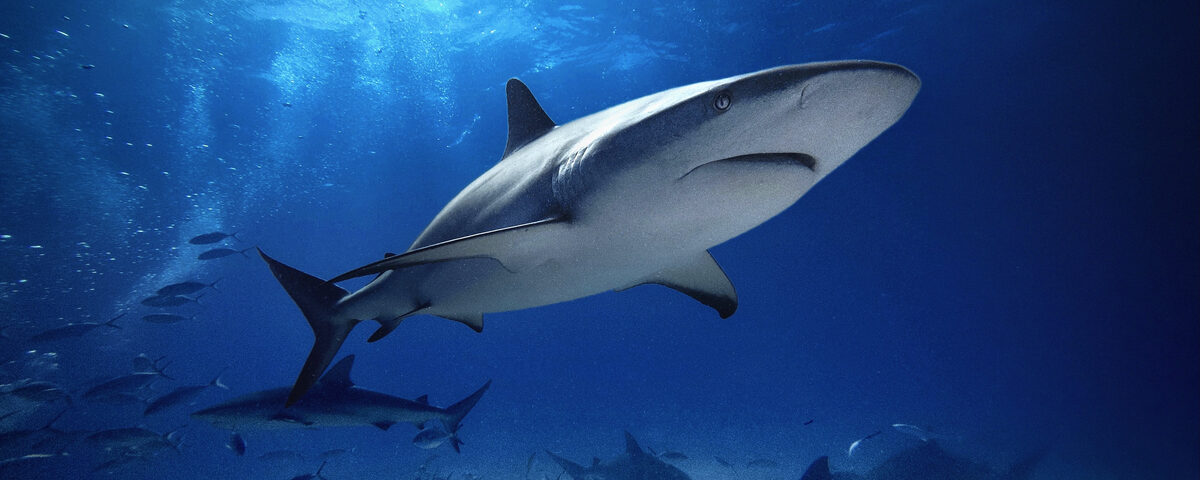
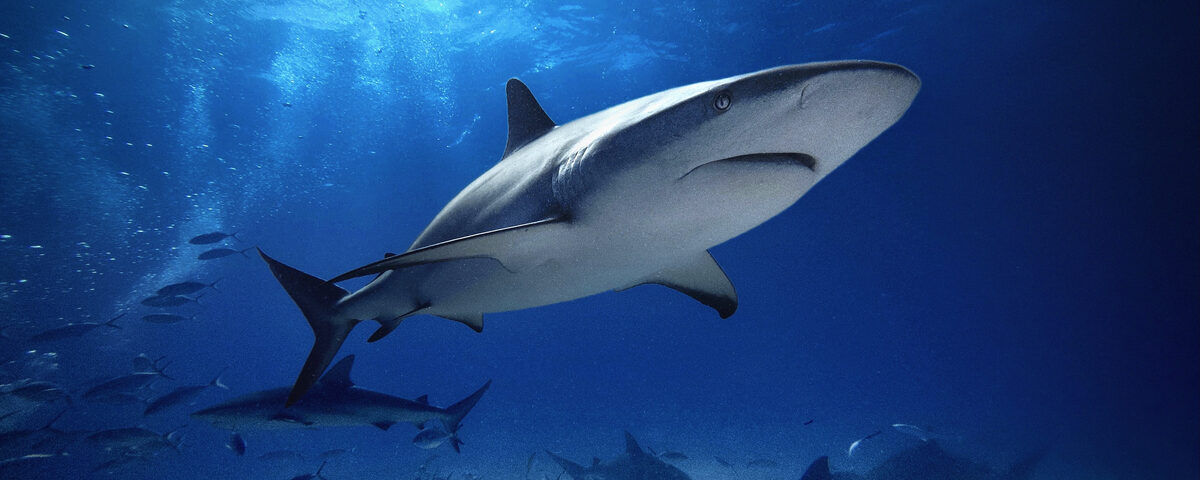
Grey reef sharks are the apex predators here, typically seen patrolling the blue water just off the pinnacle's edges in groups of two to five. White-tip reef sharks are more numerous but more subtle, resting under overhangs and in crevices throughout the structure. Occasionally a black-tip reef shark passes through the shallower sections. Napoleon wrasse are reliable residents, with several large individuals that have been photographed by researchers over multiple years.
The schooling fish are the real spectacle. Schools of big-eye trevally form swirling tornados around the pinnacle when current is running, creating walls of silver that part and reform as predators make passes through them. Giant trevally, the solitary hunters, pick off individuals from the edges of these schools with violent strikes that scatter fish in every direction. Fusilier and surgeonfish pack the mid-water in formations so dense you can lose sight of your buddy.
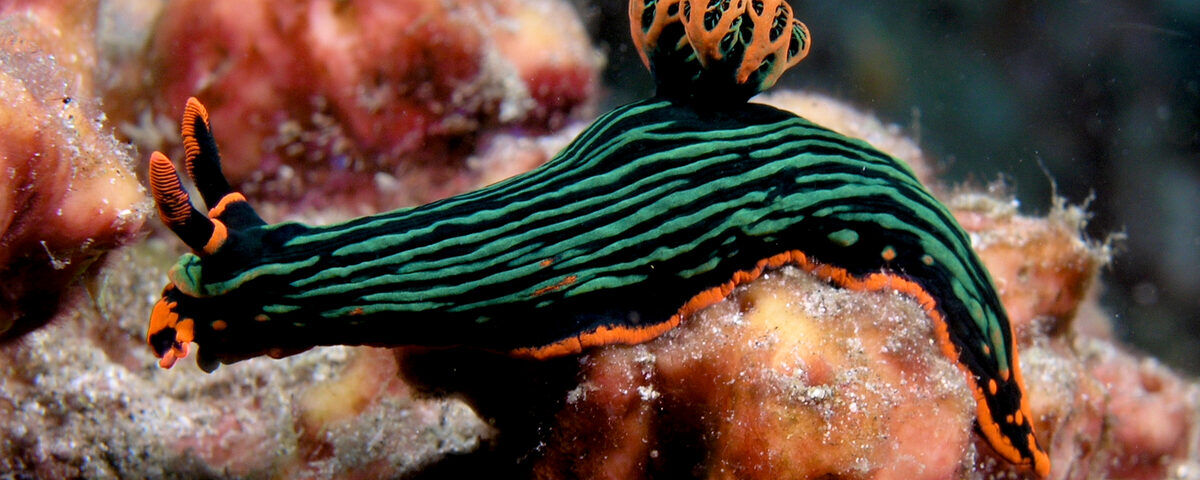
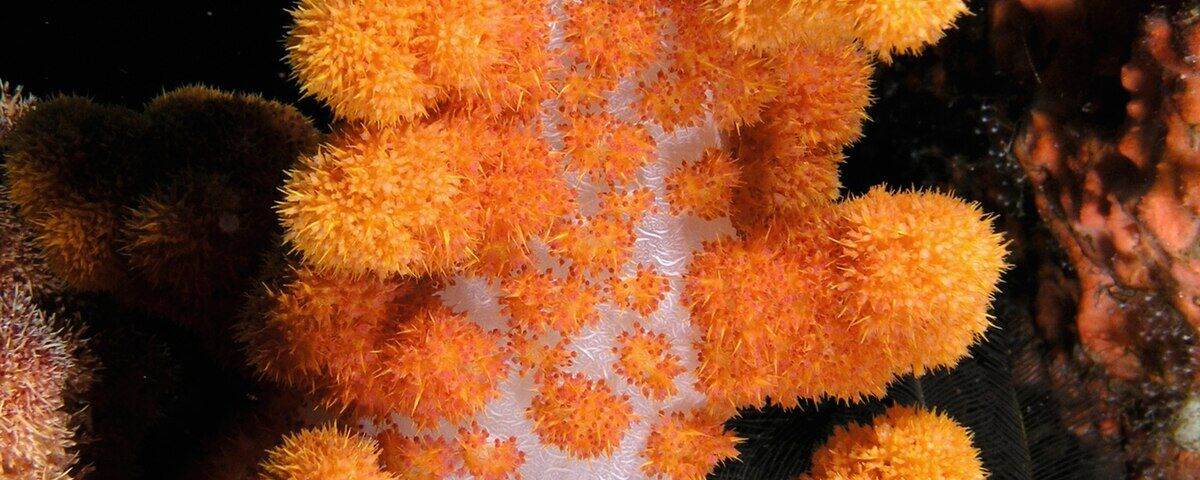
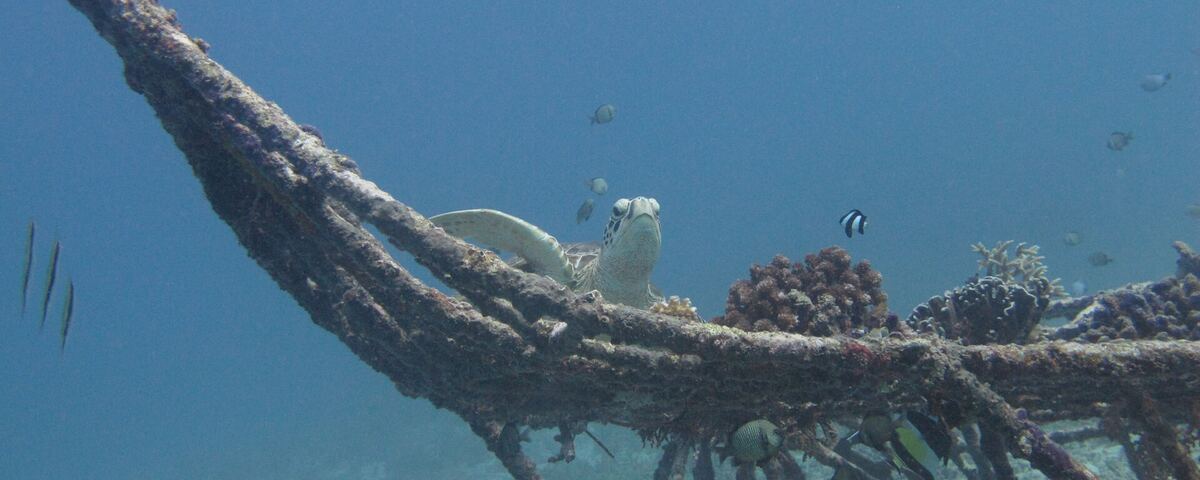
Turtle sightings are common, with green and hawksbill turtles using the rock for shelter and feeding. Moray eels of several species inhabit the crevices: giant moray, honeycomb moray, and the occasional ribbon eel showing its vivid blue and yellow colouring. The coral growth on the pinnacle is healthy, with soft corals, sea fans, and barrel sponges covering the rock surfaces. Macro life is surprisingly good for a current-swept site; nudibranchs, flatworms, and leaf scorpionfish hide in the calmer pockets between boulders.
During peak season, the fish density at Castle Rock reaches levels that are difficult to describe without sounding exaggerated. Imagine hovering at 15 metres and watching a school of fusilier so dense it takes 30 seconds to pass. Now add a tornado of trevally spinning through the middle of it. Now add three grey reef sharks cruising underneath. That's a normal day at Castle Rock when the current cooperates.
Dive Conditions
Current at Castle Rock ranges from nothing to genuinely dangerous, and conditions can change during a single dive. The pinnacle sits in the flow path between the Flores Sea and the Indian Ocean, and tidal changes push enormous volumes of water past the rock. Your operator should check conditions before committing to the dive and should be prepared to redirect to an alternative site if current is too strong for the group's ability level.
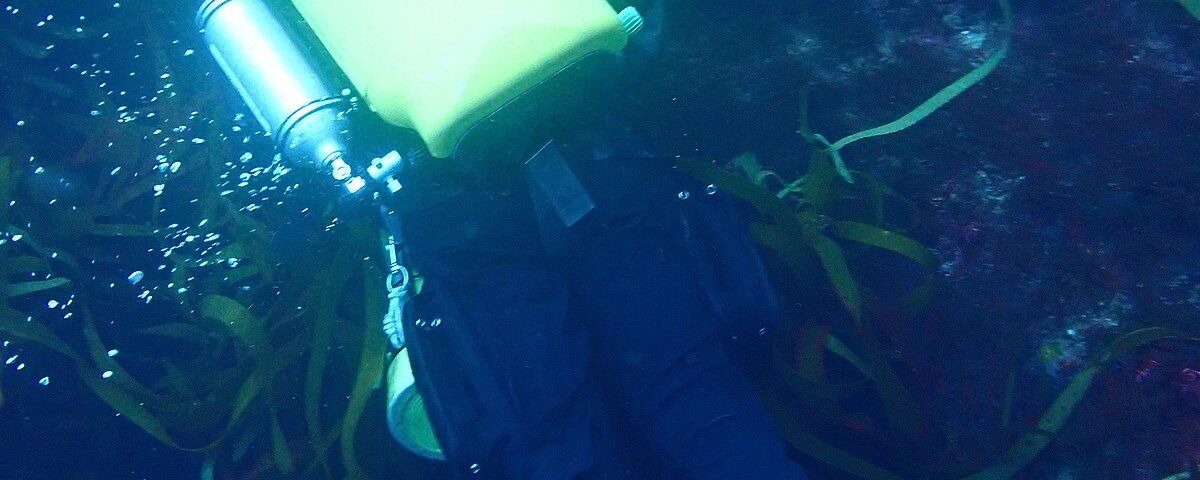
When diving in current, a reef hook is essential. You clip onto a sturdy piece of rock and float like a flag in the wind while the marine life parades past. Without a hook, maintaining position on the pinnacle is exhausting and potentially dangerous, as the current can sweep you off into blue water. Experienced guides position the group on the lee side of the rock and use the pinnacle's structure for shelter.
Visibility is typically excellent here, 15 to 30 metres, because the exposed position means there's less run-off and sediment than at the sheltered coastal sites. Water temperature ranges from 25 to 29 degrees, with occasional thermoclines bringing cold water from the deep. Entry is by boat, with a negative entry (deflate BCD and drop immediately) common when current is running to avoid being swept past the pinnacle on the surface.
This is a genuine advanced dive. Strong current, open ocean, depth, and the physical demand of reef-hook diving in flow mean this site is not appropriate for newly certified advanced divers. Operators who take inexperienced divers here are doing them a disservice.
⚓ Divemaster Notes
Castle Rock is one of those sites where guide selection matters more than almost anything else. A good guide reads the current before you enter, positions the group on the right side of the pinnacle, and has a clear plan for what happens if the current shifts mid-dive. A bad guide drops you in and hopes for the best.
If you're not comfortable with reef-hook diving, practice before you come to Komodo. The technique is simple: clip the hook onto solid rock (not coral, not sand), inflate your BCD slightly to achieve neutral buoyancy in the flow, and float. But simple isn't the same as easy when the current is pushing you sideways and the hook is pulling at your harness.
The north face of the pinnacle gets the strongest current and the most marine life. The south face is more sheltered and better for macro photography and exploring the overhangs. Ask your guide which side they plan to dive based on the day's conditions.
One thing I've learnt from hundreds of dives here: the best encounters happen in the first and last five minutes. The grey reef sharks tend to be curious when divers first arrive, circling closer before settling into their patrol patterns. And when the group begins its ascent, the sharks often move back in. Don't rush your safety stop; the shallows at Castle Rock are some of the best minutes of the dive.
One thing I always brief on: the descent. When current is running, you need a negative entry and a fast, controlled descent to reach the pinnacle before the current carries you past it. Hesitate on the surface and you'll be swimming against the flow trying to get down. Roll off the boat, dump your BCD, and drop. You can sort yourself out once you're on the rock.
How to Get to Castle Rock
Castle Rock is located in the open ocean north of Komodo Island, roughly 2.5 to 3 hours by boat from Labuan Bajo. Most operators include it as part of a northern Komodo day trip alongside Crystal Rock or the Cauldron, or as a dedicated dive on a liveaboard itinerary. The boat ride crosses open water and can be rough during the dry season when winds pick up, so sea sickness medication is worth considering if you're susceptible.
Labuan Bajo serves as the base for all Komodo National Park diving. The town has direct flights from Bali (roughly 1 hour) and from Jakarta via connecting flights. Airport transfers are quick, with most hotels and dive operators located along the waterfront within 10 minutes of the airport.
Park entrance fees apply (currently around IDR 350,000 for foreign visitors on weekdays). Some operators bundle these into their trip price while others charge separately, so clarify before booking.
Gear Recommendations
Reef hook is mandatory, not optional. Full 3mm or 5mm wetsuit for thermocline protection. SMB essential for safety stops in current where you may drift off the pinnacle during ascent. Wide-angle lens for the schooling fish and shark encounters. Dive computer with audible alarms set for depth and NDL warnings, as the excitement at Castle Rock makes it easy to lose track of both. Nitrox recommended to extend bottom time and increase safety margins at depth.
Recommended Dive Operators
Wunderpus Liveaboard runs some of the best-timed dives at Castle Rock, with captains and guides who read the current conditions accurately. Blue Marlin Komodo sends experienced guides who know when to abort if conditions exceed the group's capability, which is a mark of a responsible operation. Uber Scuba Komodo has a strong safety record and carries reef hooks as standard gear. Dragon Dive Komodo offers smaller group trips that reduce the chaos at the descent point, which matters when timing a negative entry in current.
Liveaboard Options
Castle Rock is a highlight of every Komodo liveaboard itinerary. The Wunderpus, Samambaia, Arenui, and Damai all include it on their standard routes, typically visiting during optimal current windows. Liveaboard access has the advantage of flexibility: if conditions aren't right at Castle Rock, the boat can wait for the tide to turn or return at a different time, something day-trip operators from Labuan Bajo can't always offer. Most Komodo liveaboard trips run 4 to 7 nights and operate primarily from April to November.