Manta Alley Dive Site
Komodo, Indonesia · Near Labuan Bajo
Overview
Manta Alley is Komodo's other manta site, and in some ways it's the more interesting one. While Manta Point at Makassar Reef in the north gets most of the attention and tourist traffic, Manta Alley in the south of the park draws the serious manta encounters during the wet season when the northern sites go quiet.
The site sits in a channel on the southern flank of Komodo Island, where the Indian Ocean pushes cold, plankton-rich water between rocky outcrops. Mantas funnel through this channel to feed, and the concentrated flow creates feeding aggregations that can include dozens of individuals at once. During peak season (December to March, the opposite of the northern sites), seeing 20 or more mantas in a single dive is not extraordinary. It happens.
What sets Manta Alley apart from Makassar Reef is the cold water. The southern sites get hit by upwellings from the Indian Ocean that drop temperatures to 22 to 24 degrees, sometimes lower. The colder water carries more plankton, which is exactly why the mantas are here, but it also means shorter dives, more thermal protection, and occasionally reduced visibility as the plankton-thick water turns green.
The channel creates a natural drift dive when conditions are right. You enter at one end, drift through the channel with the current, and the mantas materialise from the green water like slow-motion aircraft. The encounters feel different from the cleaning station visits at Makassar Reef. Here, the mantas are actively feeding, barrel-rolling through the plankton in tight chains. There's an urgency and energy to the behaviour that cleaning station encounters don't match.
Manta Alley is a wet season highlight, and combining it with a visit to the northern dry season sites requires either two trips or a flexible travel schedule. Most dedicated manta enthusiasts plan a December to March trip specifically for this site, accepting the rougher seas and less predictable weather that come with the wet season in exchange for the southern manta aggregations.
Researchers from the Marine Megafauna Foundation have identified Manta Alley as a key feeding site for the Komodo manta population during the wet season months. Photo-identification studies have tracked individual mantas returning to this channel across multiple seasons, confirming its importance as a regular feeding station rather than an occasional gathering point.
Marine Life at Manta Alley
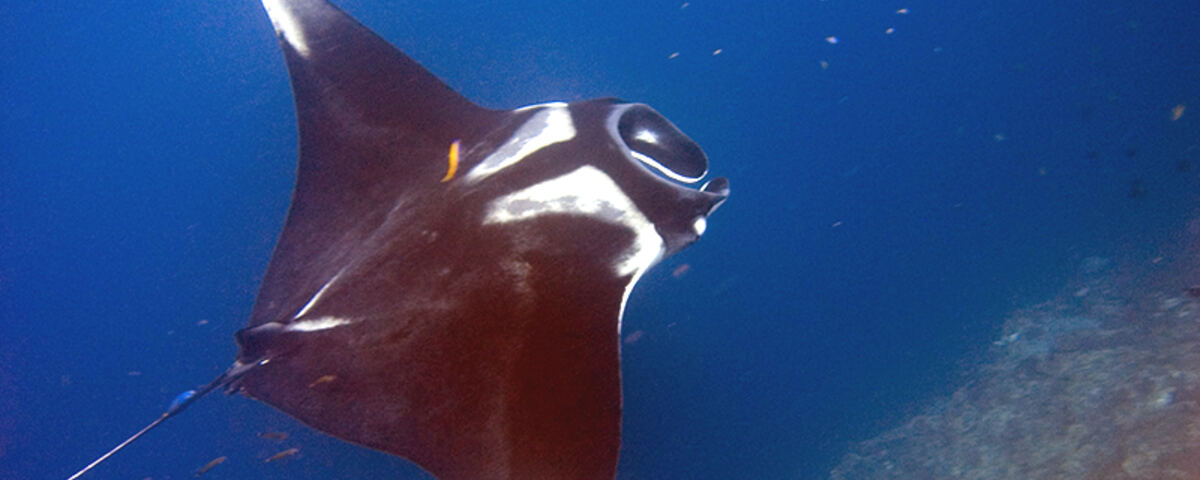
Reef manta rays (Mobula alfredi) in feeding formation are the primary draw. During peak season, aggregations of 10 to 30 individuals chain-feed through the plankton, barrel-rolling in coordinated patterns with mouths agape. The wingspans commonly reach 3 to 4 metres, and when several mantas pass overhead simultaneously, the visual effect is overwhelming.
Occasional oceanic manta rays (Mobula birostris) visit the channel, distinguishable by their larger size (wingspans can exceed 5 metres) and darker colouring. These sightings are less predictable than the reef mantas but represent genuine big-animal encounters.
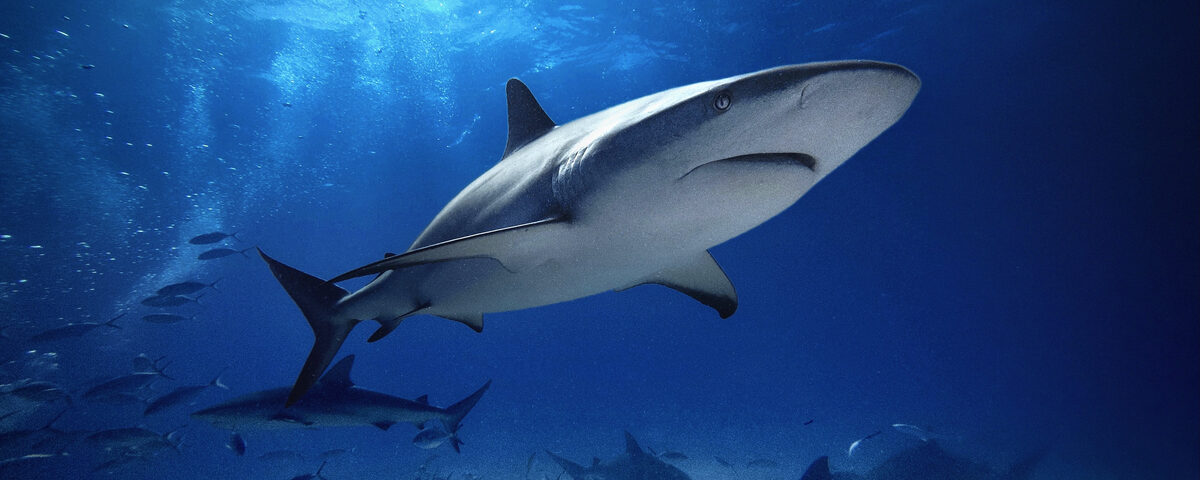
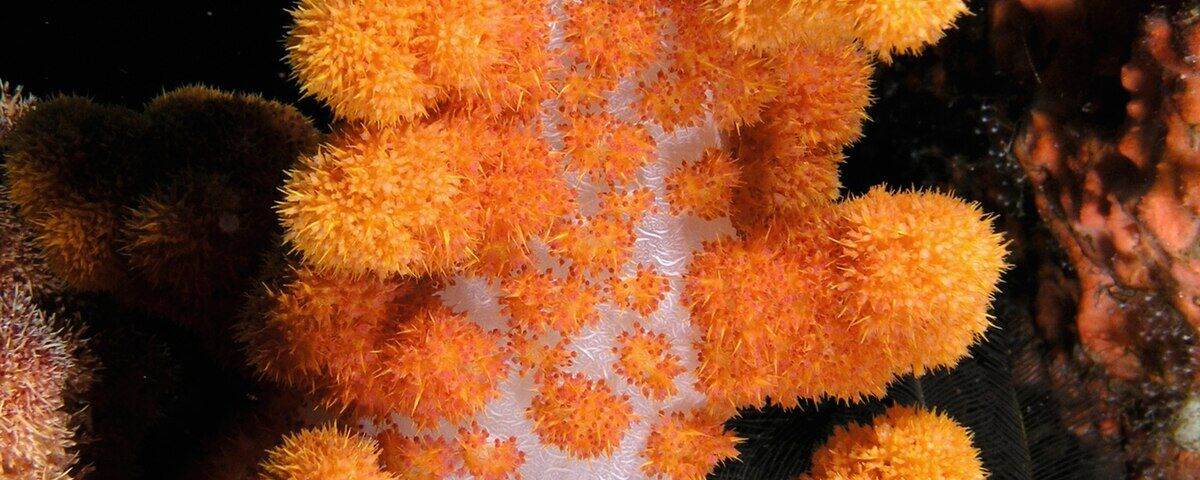
The channel walls support healthy coral growth fed by the nutrient-rich current. Soft corals and gorgonians extend into the flow, and the rocky outcrops harbour moray eels, scorpionfish, and groupers. Eagle rays pass through the channel occasionally, and grey reef sharks cruise the deeper sections.
The reduced visibility during peak manta season creates encounters with a different character from the clear-water northern sites. Mantas emerge from the green water suddenly, pass close, and disappear again. It's atmospheric and slightly eerie, with individual animals appearing and vanishing like ghosts. Some divers find this more thrilling than the clear-water cleaning station encounters because each approach feels like a surprise.
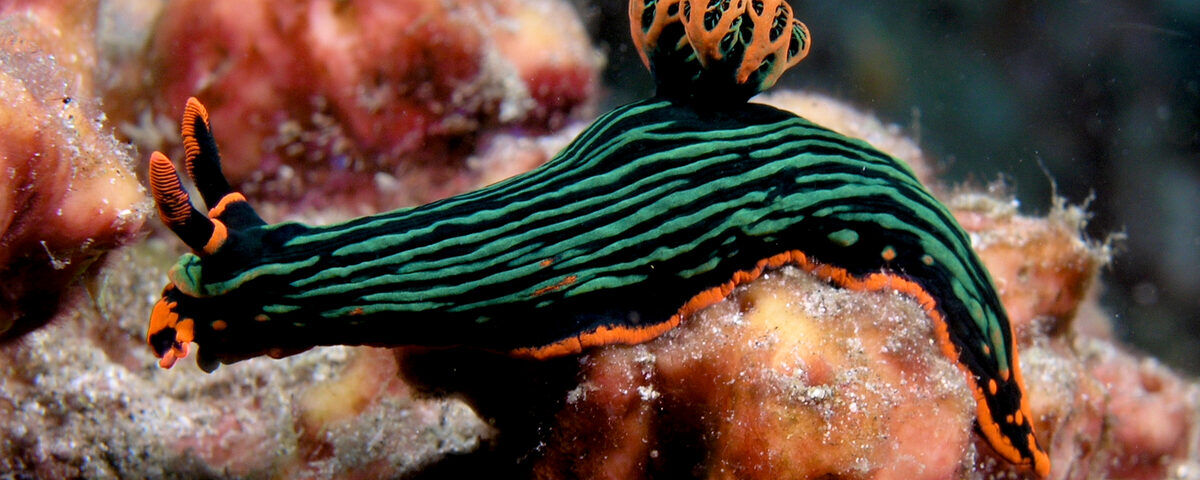
Between manta passes, the channel reef is worth exploring. The cold water supports different coral communities from the northern sites, with more encrusting species and fewer branching corals. Nudibranchs and flatworms inhabit the rock surfaces, and the occasional cuttlefish hunts across the channel floor.
The rocky channel walls support communities of soft coral and sponge that thrive in the nutrient-rich southern water. Between manta passes, the channel reef provides engaging diving with nudibranchs, flatworms, and commensal shrimp on the coral surfaces. The cold water favours species adapted to cooler conditions, and the invertebrate community differs noticeably from the warmer northern reef sites.
Dive Conditions
Current in the channel ranges from moderate to strong, following the tidal cycle. The flow concentrates mantas but also demands current management skills. Divers need to be comfortable in moving water, able to find shelter behind channel walls when the flow intensifies, and capable of managing buoyancy in current.
Water temperature is the defining challenge. Expect 22 to 27 degrees, with 24 degrees being typical during peak manta season. This is significantly colder than the 28 to 29 degree water at the northern Komodo sites, and it directly affects dive duration and comfort. Cold divers breathe faster, reducing bottom time precisely when you want more of it.
Visibility is highly variable, from 5 to 20 metres. Heavy plankton blooms (which attract the mantas) can reduce vis to 5 metres or less. Clear-water days offer better visibility but typically fewer mantas. The trade-off is inescapable.
The channel creates surge and washing-machine effects near the rocky outcrops, particularly at the channel's narrowest points. Stay in the broader sections and use the channel walls for shelter when needed. Entry is by boat, and the boat captain needs to read conditions carefully before committing.
This site requires intermediate skills at minimum: comfort in current, good buoyancy, and the composure to stay put when a 4-metre manta is heading directly at you.
The wet season context matters for planning. December to March is Komodo's rainy season, which brings rougher seas, more variable weather, and fewer liveaboard departures. Some operators reduce their schedules during this period. However, the manta aggregations at sites like Manta Alley make the wet season a worthwhile time for dedicated manta enthusiasts willing to accept the weather trade-offs.
⚓ Divemaster Notes
Manta Alley in peak season is one of the best manta encounters on the planet, full stop. I've guided here for five wet seasons and the aggregations still amaze me. The sheer number of mantas feeding in the channel during a good bloom is something you carry with you.
The cold is the enemy. I've watched guests cut dives short at 20 minutes because they're shivering uncontrollably in a 3mm suit. Bring your thickest wetsuit. A 5mm with a hood is not overkill. I wear a 5mm semidry for the southern sites and I'm still cold sometimes.
Positioning matters more here than at Makassar Reef. The mantas are feeding, not cleaning, so they're moving through the channel on feeding runs. Find a spot on the channel wall where the current brings them past you, settle there, and wait. Chasing feeding mantas is futile; they move faster than you can swim and your effort only scares them off their feeding path.
The green water visibility is actually part of the experience. When a 4-metre wingspan materialises out of the murk three metres from your face, the surprise factor is genuinely thrilling. Embrace the low vis rather than complaining about it.
One practical note: the boat ride to the southern sites in wet season can be rough. Take seasickness medication before departure, even if you think you don't need it. I've seen many good dives ruined by nausea on the surface interval.
How to Get to Manta Alley
Manta Alley is in the southern section of Komodo National Park, on the south side of Komodo Island itself. It's roughly 3 to 4 hours by boat from Labuan Bajo, and most commonly accessed by liveaboard during the wet season (December to March).
Day trips to the southern sites are possible from Labuan Bajo but involve long travel days. Liveaboard access is the practical option, allowing multiple dives at Manta Alley across a stay of several days.
Labuan Bajo is the departure point, with flights from Bali (about 1 hour). The wet season can bring rough seas, so liveaboard bookings should factor in potential weather-related schedule changes.
Note that Manta Alley's peak season (December to March) is the opposite of the northern Komodo sites' optimal period (April to November). Planning a trip that covers both requires either two visits or accepting that one set of sites will be out of season.
Gear Recommendations
5mm wetsuit with hood, or semidry suit if you run cold. No reef hook typically needed as you shelter behind the channel walls rather than hooking onto exposed rock. Wide-angle lens essential for manta encounters. Strobes help in the low visibility but can scatter light off plankton particles. SMB for safety stops in current. Nitrox recommended for extended bottom time in the cold.
Recommended Dive Operators
Wunderpus Liveaboard runs wet season itineraries specifically designed around the southern manta sites, with experienced guides who know the channel's current patterns. The Samambaia and Arenui also operate wet season trips that include Manta Alley. For day trips, enquire with Blue Marlin Komodo about their southern excursion schedule during the wet season months.
Liveaboard Options
Manta Alley is a liveaboard site, practically speaking. The distance from Labuan Bajo and the wet season conditions make day trips impractical for most divers. The Wunderpus, Samambaia, and Arenui run dedicated wet season (December to March) itineraries that feature the southern manta sites. Some operators combine the southern Komodo mantas with diving at Alor or other eastern Indonesian destinations. Book well in advance as wet season liveaboard slots fill months ahead.