Crystal Rock Dive Site
Komodo, Indonesia · Near Labuan Bajo
Overview
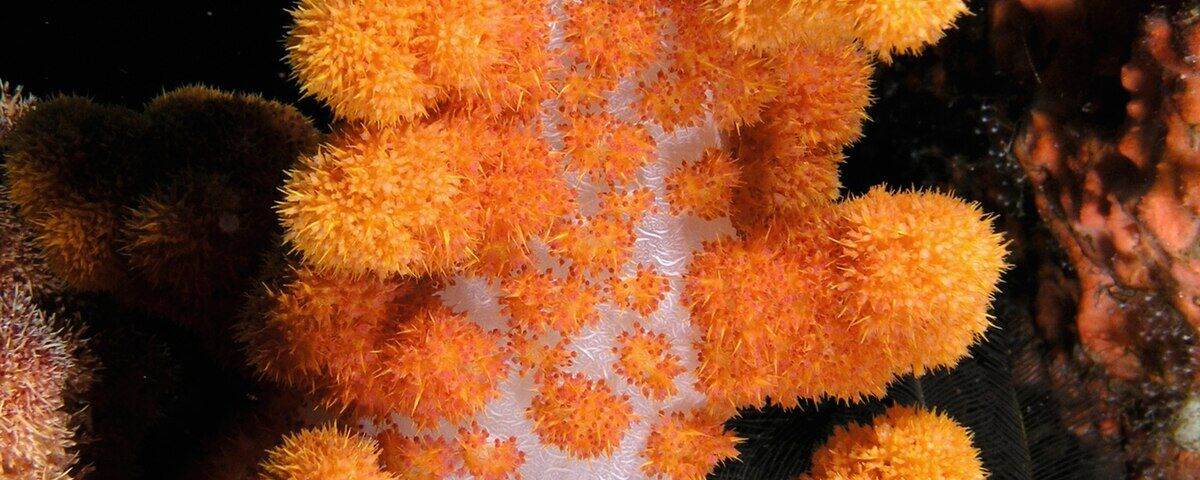
Crystal Rock breaks the surface. That's the first thing that separates it from its neighbour Castle Rock, which sits entirely underwater. A small, dark pinnacle pokes above the waves, marking the tip of a submerged mountain covered in some of the most vibrant soft coral in Komodo National Park. Below the waterline, the rock explodes with colour: purple, orange, red, and yellow soft corals covering every surface, swaying in the current like an underwater garden that someone designed to photograph well.
The pinnacle drops steeply on all sides, with the richest coral growth concentrated between 5 and 15 metres where the current delivers nutrients. Below that, the walls give way to rocky slopes and sandy ledges where turtles rest and reef sharks patrol. The entire structure is compact enough to circumnavigate in a single dive when current permits, though most dives involve settling on one side and letting the current bring the marine life to you.
Crystal Rock gets its name from the water clarity. The exposed oceanic position means visibility here often exceeds 25 metres, and on exceptional days the pinnacle seems to glow with colour against a deep blue backdrop. The combination of clear water, vivid soft coral, and abundant marine life makes this arguably the most photogenic dive site in Komodo.
Like Castle Rock, this is current territory. The same tidal flows that feed the soft corals and attract the pelagics also make this a demanding dive. But the pinnacle's smaller size means you can often find sheltered pockets where the rock blocks the flow, allowing you to hover in comfort while watching the current-side action from a protected position.
The pinnacle's relatively small size means the entire structure can be explored in a single dive when conditions allow. Most guides plan a circumnavigation, starting on the sheltered side and crossing the current-exposed face where the marine life concentrates. The soft coral on the current-facing surfaces is noticeably denser and more vibrant than on the lee side, a visible demonstration of how current drives reef health.
Marine Life at Crystal Rock
The soft coral coverage is the visual centrepiece. Dendronephthya in vivid purples and reds, Scleronephthya in orange and yellow, and gorgonian sea fans spreading across the current-facing surfaces. The colour density is remarkable even by Indonesian standards, and the relatively shallow depth (5 to 15 metres for the best coverage) means colours appear vivid without artificial lighting.
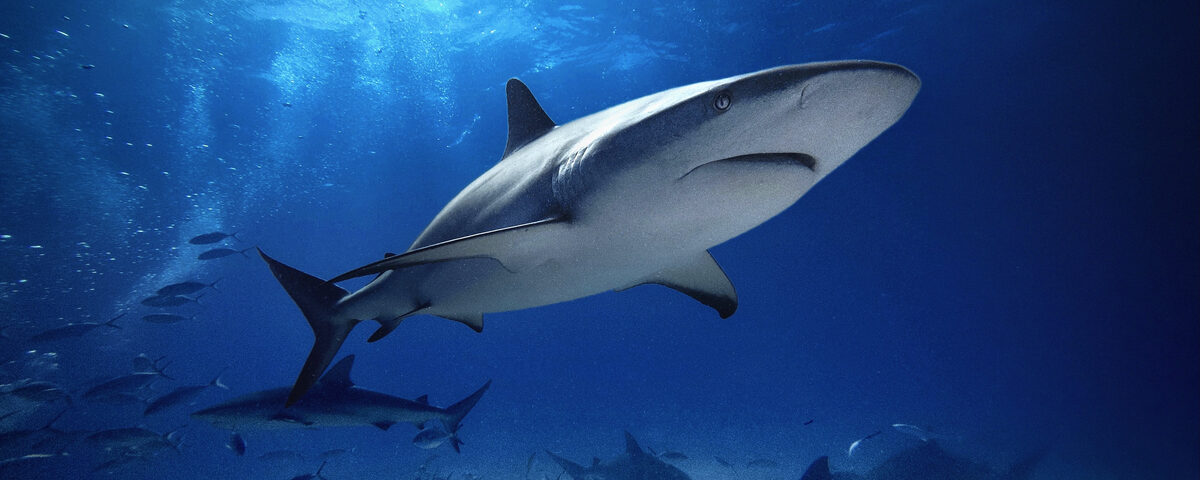
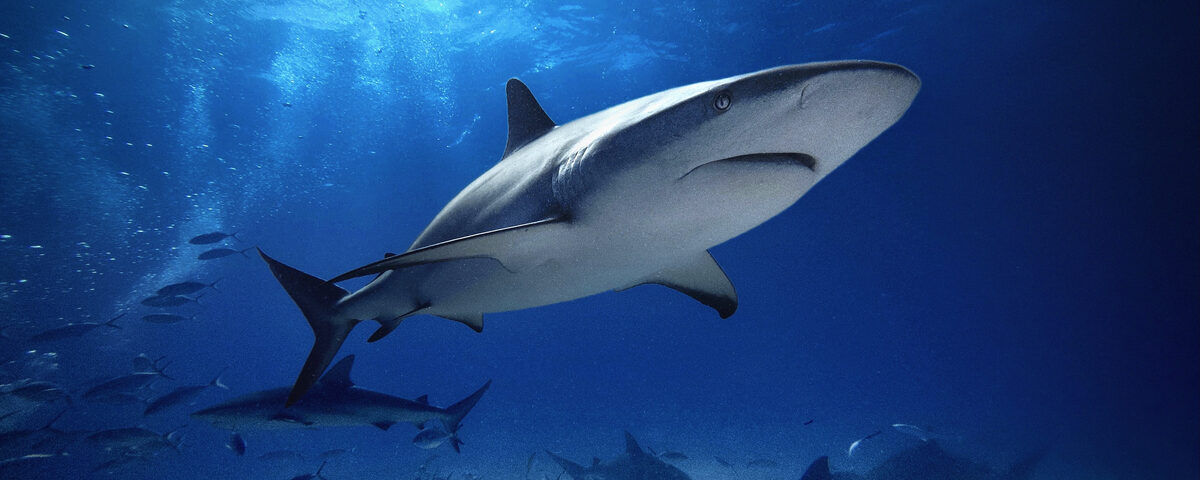
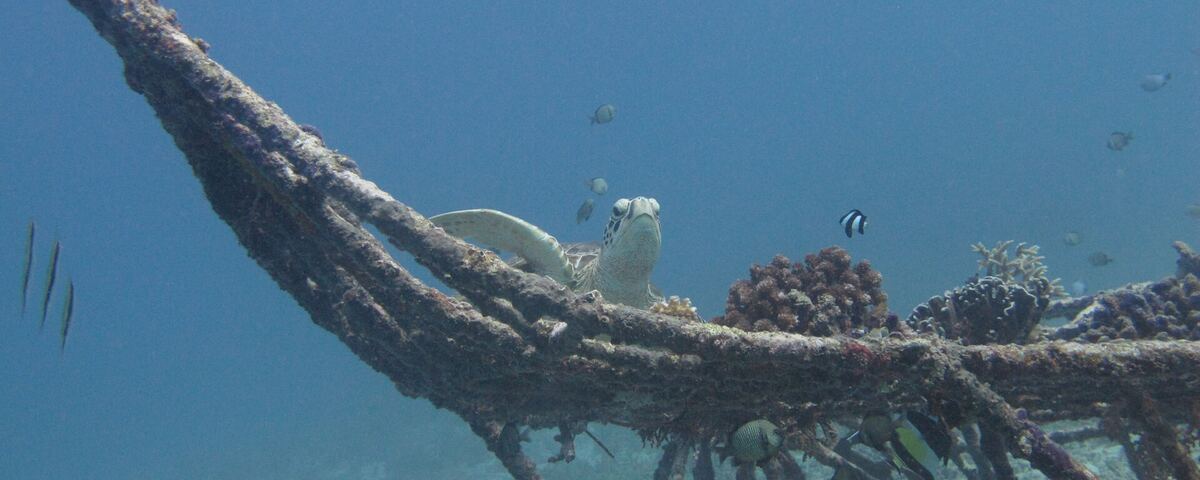
Giant trevally hunt along the reef edges, sometimes solitary, sometimes in pairs coordinating attacks on schools of fusilier. White-tip and black-tip reef sharks are reliable residents, often seen resting in the deeper sections or cruising past at mid-depth. Napoleon wrasse are regular visitors, their size making them unmistakable even at a distance. Green sea turtles rest on ledges and overhangs, apparently unbothered by the current flowing past.
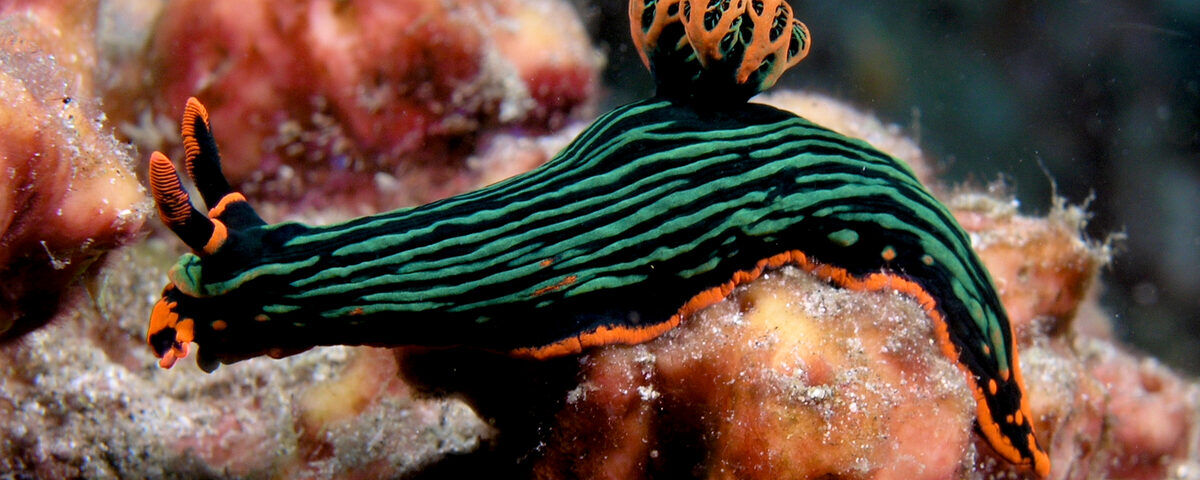
Schooling fish are dense here: snapper, sweetlips, and surgeonfish form clouds around the pinnacle's middle depths, while anthias swarm the coral-covered upper sections in orange and pink curtains. Macro life is solid too, with several species of nudibranch, flatworms, and commensal shrimp visible on the coral surfaces. Moray eels peer from crevices throughout the structure.
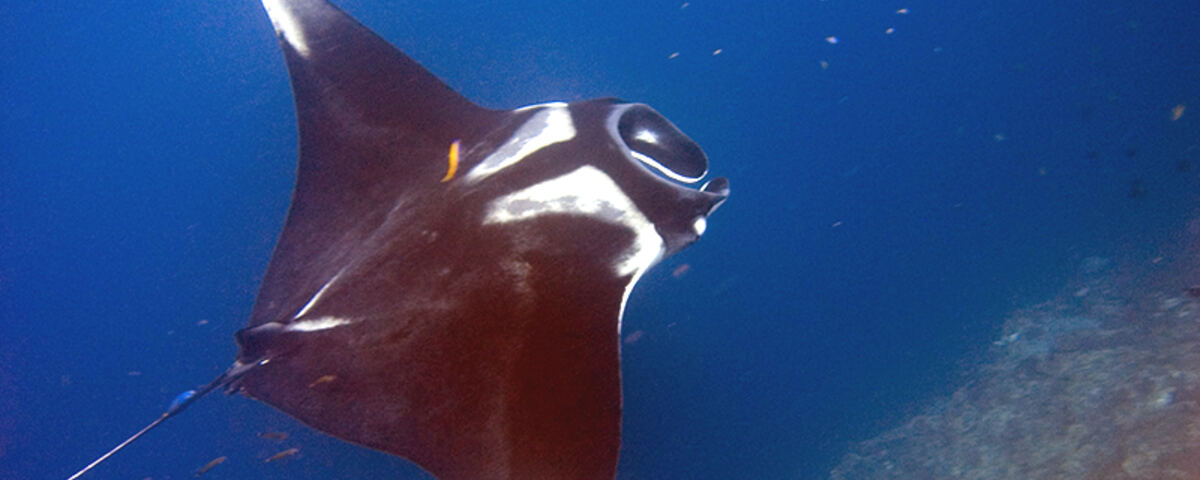
The water column around the rock is worth watching. Tuna and mackerel occasionally blast through on hunting runs, and during peak season the odd manta ray cruises past, though this is a bonus sighting rather than an expectation. Eagle rays appear periodically, typically as lone individuals sweeping past the deeper slopes.
Pelagic activity above the pinnacle is always worth monitoring. The deep water surrounding Crystal Rock serves as a highway for larger species transiting between the northern islands. Keep one eye on the blue water above and beyond the pinnacle; some of the best encounters happen at the periphery of the dive site rather than on the rock itself.
Dive Conditions
Current is the defining factor at Crystal Rock, just as it is at neighbouring Castle Rock. The site sits in the same tidal flow path, and conditions can range from slack to powerful within the space of an hour. Responsible operators check current before committing to the dive and will redirect to an alternative site if conditions exceed the group's capability.
The pinnacle's small size means you can shelter from current by staying on the lee side, which is a practical advantage over the larger Castle Rock. However, the strongest current also produces the best marine life activity, so experienced divers often choose to position themselves on the exposed side with reef hooks deployed.
Visibility is consistently good, typically 15 to 30 metres, with the best clarity during the dry season (April to November). Water temperature ranges from 25 to 29 degrees. Thermoclines are less dramatic here than at Castle Rock but can still produce a 3 to 4 degree temperature drop at depth.
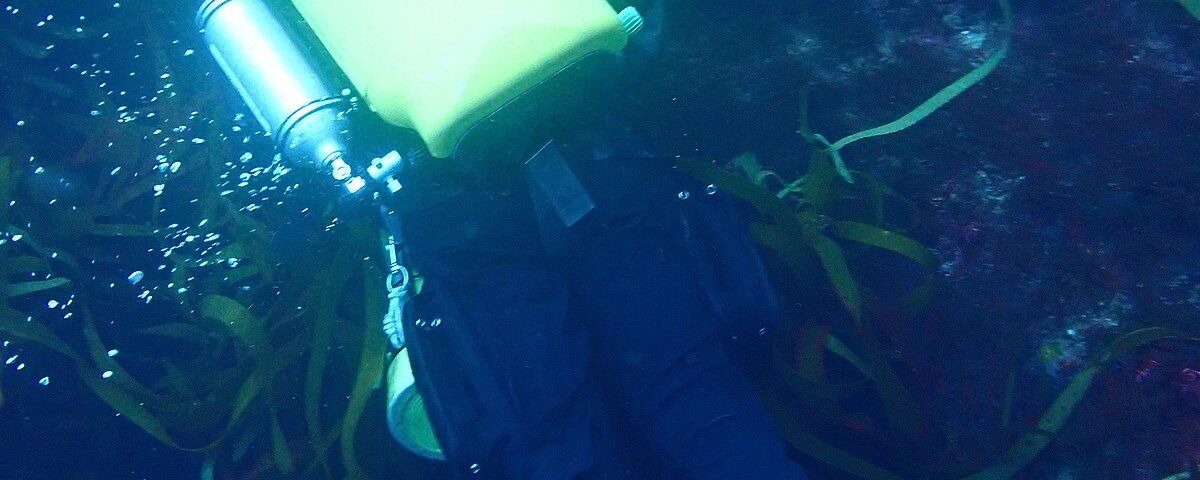
Entry is by boat, usually a negative entry in current conditions. The pinnacle breaks the surface, so navigation is straightforward: you can always find your way back to the rock. This surface-breaking feature also makes safety stops more comfortable, as you can ascend along the pinnacle wall rather than floating in open blue water.
The surface-breaking feature of the pinnacle creates some surge in the shallows during rough seas, but also provides a navigation reference that submerged pinnacles lack. You can always orient yourself by the rock above the surface, which adds a layer of safety for divers in limited visibility conditions.
⚓ Divemaster Notes
Crystal Rock is my favourite wide-angle photography site in Komodo. The soft coral between 5 and 15 metres is extraordinary, and the shallow depth means colours pop without strobes (though strobes obviously make them even better). The trick is positioning: find a coral-covered overhang on the lee side, settle at 8 or 10 metres, and shoot upward with the blue water behind the soft coral. Magic.
For non-photographers, the circumnavigation dive is the move when current permits. Start on the lee side, work your way around the pinnacle, cross the current-exposed face (where the sharks and trevally concentrate), and finish back in the shelter. This gives you the full range of what the site offers in a single dive.
The shallow top of the pinnacle (1 to 4 metres) is an excellent safety stop location if surge permits. The anthias swarm here in ridiculous numbers, and the light at this depth makes for genuinely beautiful final minutes of the dive. When surge is strong, drop to 5 or 6 metres instead and use the wall for your stop.
Don't underestimate the current here. I've seen very experienced divers caught out when the flow shifts direction mid-dive, suddenly finding themselves on the exposed side without warning. Keep your reef hook accessible at all times, not clipped away where you can't reach it quickly.
One more thing: the dive briefing should cover the current-side crossover. When circumnavigating, there's a moment where you leave the sheltered side and cross into the current. This transition can catch divers off guard, suddenly going from calm hovering to being pushed sideways. Anticipate it, stay close to the rock, and use the rock for shelter if the flow is stronger than expected. Once you're past the transition, the current-side diving is manageable if you hold the reef structure.
How to Get to Crystal Rock
Crystal Rock is located immediately south of Castle Rock, roughly 2.5 to 3 hours by dive boat from Labuan Bajo. The two sites are almost always dived together on the same day trip or during the same liveaboard visit, separated by a surface interval on the boat. The journey crosses open water north of Komodo Island.
Labuan Bajo is reached by direct flights from Bali (approximately 1 hour) or connecting flights from Jakarta. The town serves as the sole practical base for Komodo National Park diving, with dozens of dive operators clustered along the waterfront.
Park entrance fees apply. Crystal Rock is within the same permit zone as Castle Rock, so a single day permit covers both sites.
The open water crossing to Crystal Rock can be choppy, particularly during the afternoon when winds pick up. Morning departures from Labuan Bajo typically enjoy calmer seas. If you're prone to seasickness, position yourself at the stern of the boat where the motion is least, and take medication at least 30 minutes before departure. The crossing is worth every minute of discomfort.
Gear Recommendations
Reef hook essential. Wide-angle lens for the soft coral and schooling fish; this is primarily a wide-angle site. Full wetsuit for thermocline protection. SMB for safety stops. Strobes or video lights will make a dramatic difference to the soft coral photography. Nitrox recommended for extended bottom time in the shallower coral zone.
Recommended Dive Operators
The same operators that excel at Castle Rock handle Crystal Rock well, given the sites' proximity. Wunderpus Liveaboard, Blue Marlin Komodo, Uber Scuba Komodo, and Dragon Dive Komodo all offer reliable access with experienced guides. For underwater photography, look for operators willing to accommodate longer dive times and smaller group sizes, as the soft coral at Crystal Rock deserves patience and careful positioning.
Liveaboard Options
Crystal Rock appears on every Komodo liveaboard itinerary, typically dived alongside Castle Rock on the same day. Liveaboard access is advantageous here because the boat can wait for optimal current conditions rather than being committed to a day-trip schedule. The Wunderpus, Samambaia, Arenui, and Damai all include Crystal Rock on their standard routes.