Cauldron (The Shotgun) Dive Site
Komodo, Indonesia · Near Labuan Bajo
Overview
The Cauldron earns its name. Water pours through a narrow channel between two islands, accelerating through a gap in the reef, and dumps you into a bowl-shaped sandy arena where the current swirls and eddies before dissipating. It's the closest thing to an underwater amusement park ride in Komodo National Park, and the locals call the narrow acceleration zone 'The Shotgun' for obvious reasons.
The dive starts in relatively calm water on one side of the channel, where healthy reef slopes down from the shallows. Your guide reads the current, times the entry, and at the right moment the group drops into the channel and lets the water do the work. The flow accelerates through The Shotgun, a gap perhaps 10 metres wide between rock walls, and shoots you into the Cauldron proper, a natural amphitheatre where the current loses its force and you can settle on the sand to catch your breath and your bearings.
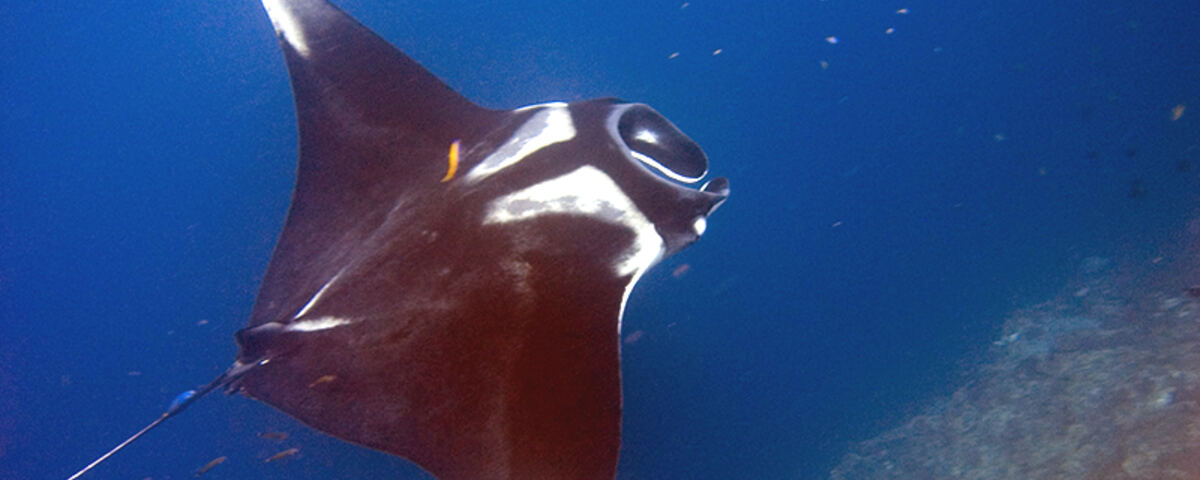
Inside the Cauldron, the sand floor sits at about 15 to 20 metres, surrounded by coral-covered walls rising on three sides. The circular current pattern created by the channel flow concentrates nutrients and, consequently, marine life. Schools of fish swirl in the eddies, sharks cruise the edges, and if you're lucky, you'll spot mantas that occasionally visit to take advantage of the current-fed plankton.
This is a one-way dive. You enter on one side of the channel, ride the current through The Shotgun, explore the Cauldron, and then drift out the other side where the boat picks you up. There's no going back against the flow, so the dive plan needs to account for the direction of current before you get wet.
The Cauldron combines the thrill of drift diving with the reward of a destination arrival. Unlike a standard drift dive where the current carries you along a wall and the boat picks you up wherever you end up, here you're heading somewhere specific: the arena at the end of the channel. The journey has a narrative arc that most dives lack, which is why divers who've done it once almost always want to do it again.
Marine Life at Cauldron (The Shotgun)
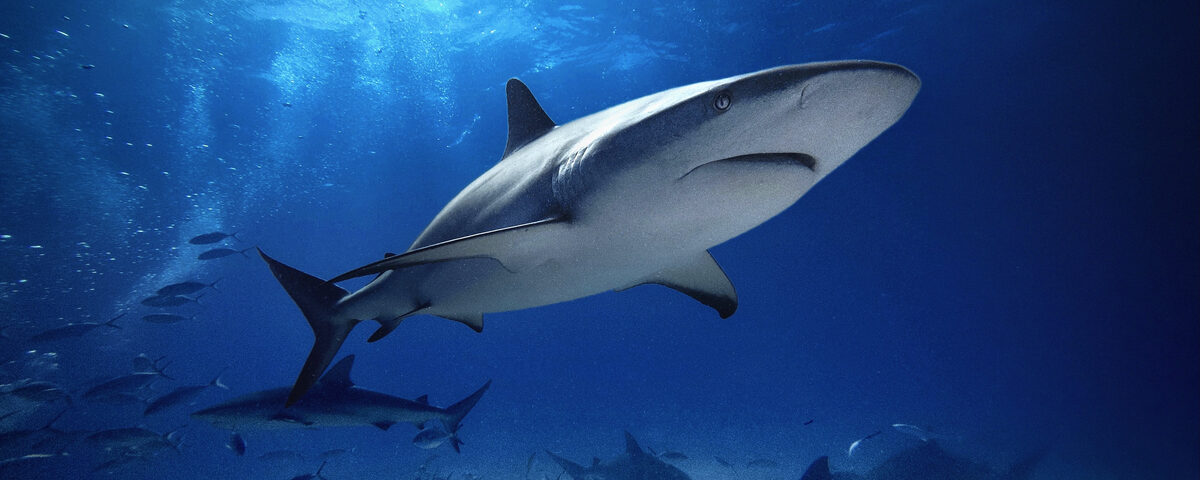
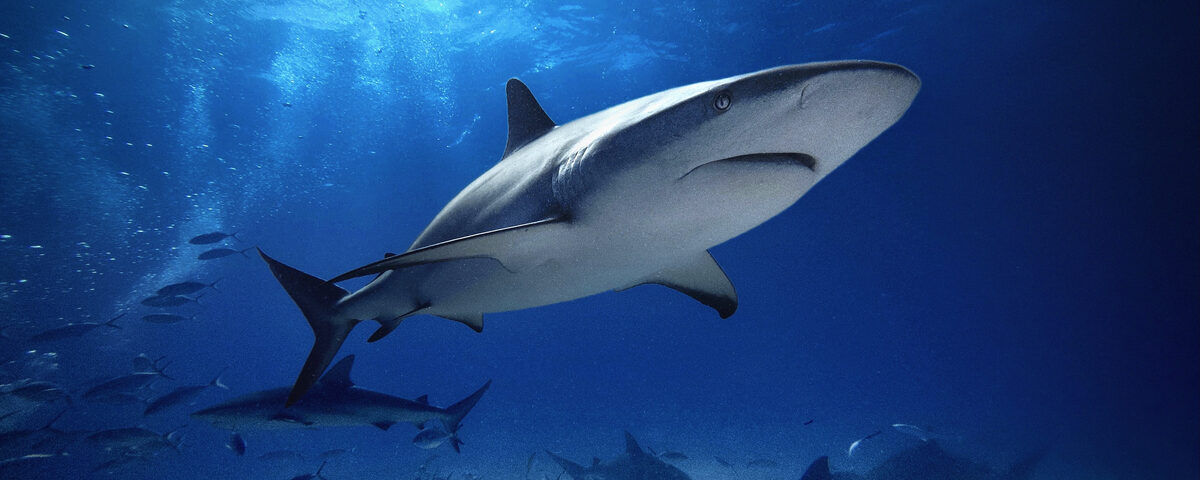
The Cauldron acts as a natural fish trap. The circular currents concentrate baitfish, which draw predators. Giant trevally are the most visible hunters, making aggressive passes through the schooling fusilier and silverside that pack the arena. White-tip reef sharks patrol the sandy bottom, sometimes a dozen visible at once, resting between hunting runs. The occasional grey reef shark cruises through at the edge of visibility.
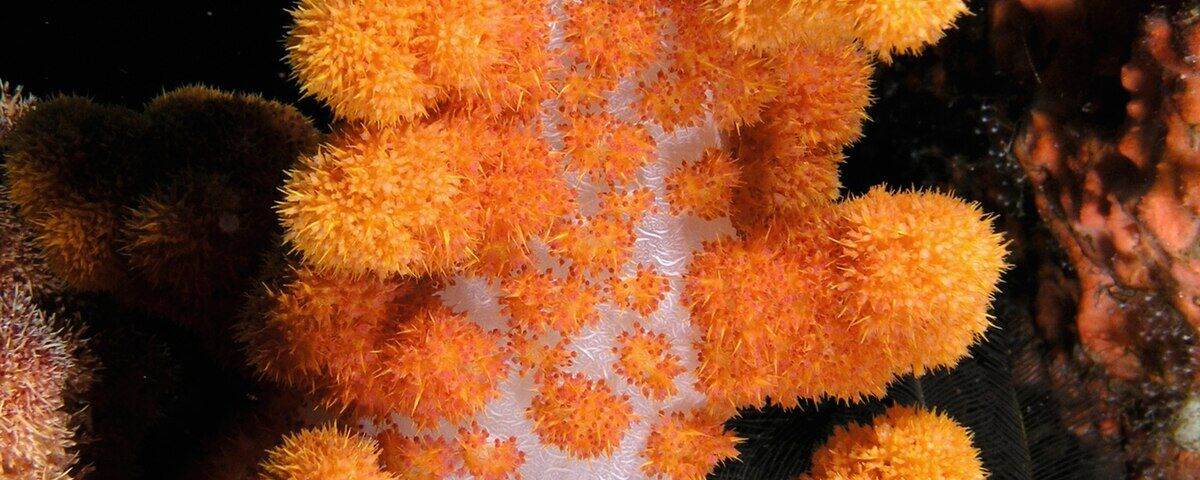
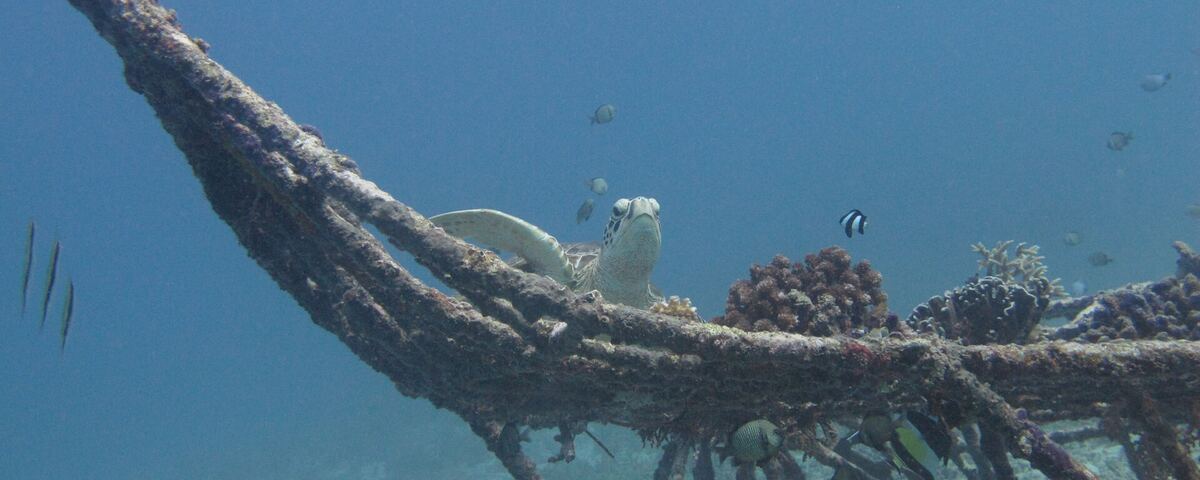
The channel walls on either side of The Shotgun support healthy hard and soft coral growth, with gorgonian fans spread across the current-facing surfaces. Napoleon wrasse are regular visitors, drifting through the Cauldron with characteristic confidence. Schools of sweetlips and snapper cluster under the overhangs along the arena walls. Turtles rest on the reef slopes leading into the channel, often at shallow depths where they're easy to spot during the initial descent.
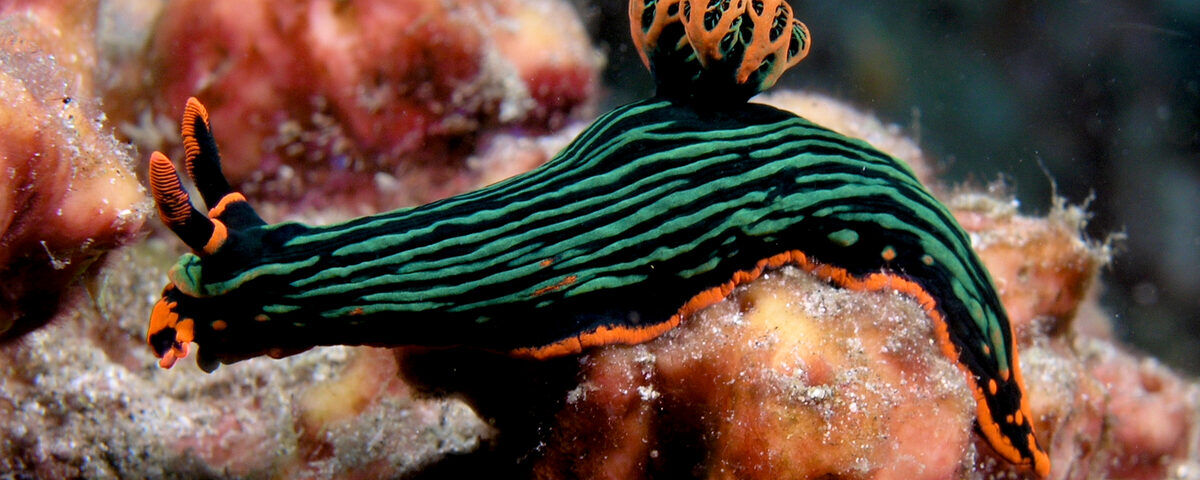
The sandy bottom of the Cauldron is worth checking for blue-spotted stingrays, garden eels (particularly on the edges where current is milder), and the occasional well-camouflaged scorpionfish. The reef sections before and after The Shotgun host moray eels, lionfish, and a variety of nudibranchs on the hard coral surfaces.
The experience of riding The Shotgun itself is the highlight for many divers. The sensation of being carried through a narrow gap at speed, with rock walls on either side and fish streaming past in the opposite direction, is unlike any other dive in the park.
The reef sections flanking the channel entrance are worth attention before the transit begins. Healthy hard coral coverage, resident turtles, and macro subjects including nudibranchs and ghost pipefish provide pre-Shotgun entertainment. Your guide will time the entrance based on the current's rhythm, so there's usually a few minutes of reef exploration before the channel transit begins.
Dive Conditions
This is a current dive by definition. The entire experience depends on the flow through the channel, and timing is critical. Your guide needs to get the current direction and strength right, because entering The Shotgun against the flow is impossible and entering during a tidal change can leave you stuck in the channel with no current to carry you through.
The acceleration through The Shotgun can push speeds of 3 to 5 knots, fast enough to make buoyancy control challenging for less experienced divers. The key is to stay streamlined, keep your arms tucked, and let the water move you. Fighting the current wastes energy and air. Once inside the Cauldron, current drops dramatically and you can explore at your own pace.
Visibility is typically 10 to 25 metres, sometimes reduced in the channel itself where sediment gets stirred up by the flow. The Cauldron tends to have better visibility than the channel because the current loses energy and drops its sediment load. Water temperature ranges from 25 to 29 degrees.
This site is strictly for advanced divers comfortable with current diving. The channel transit is not something you can abort mid-way, and the combination of speed, depth, and confined space requires experience and calm. Groups are typically limited to experienced divers assessed by the guide before the dive.
The Cauldron can be dived in reverse when conditions permit, entering the arena from the drift side and swimming through The Shotgun in the opposite direction on a mild outgoing current. This reverse approach is less dramatic but allows a longer exploration of the Cauldron and the reef sections beyond. Your guide will decide the direction based on the tidal cycle.
⚓ Divemaster Notes
The Cauldron is the dive I use to gauge whether a group is genuinely advanced or just paper-certified. Before we enter the channel, I watch how people handle mild current on the reef slope. If anyone is kicking hard to maintain position, struggling with buoyancy, or burning air fast, they sit out The Shotgun and we do a reef dive instead. No ego. The channel doesn't forgive poor skills.
Timing matters more here than at any other Komodo site. Too early in the tidal cycle and the current isn't strong enough to carry you through; too late and it's dangerously fast. The sweet spot is about two hours after the tide starts moving, when flow is strong enough for the ride but not so powerful that you lose control.
Inside the Cauldron itself, resist the urge to immediately start exploring the walls. Settle on the sand first, check your air and depth, and get your bearings. The circular current can be disorienting, and I've seen divers swim the wrong way out of the arena and end up on the wrong side of the reef for pickup.
The exit drift after the Cauldron is actually some of the best reef at this site. Most divers are so buzzed from The Shotgun that they don't pay attention to the beautiful coral slopes on the way out. Slow down, look around, and enjoy the contrast between the adrenaline of the channel and the calm of the drift.
Group fitness matters here more than at most sites. The channel transit is physically demanding even with the current doing most of the work, and the exit drift requires active swimming if the current diminishes. I've had to tow fatigued divers out of the Cauldron on more than one occasion. If a diver in your group is overweight, unfit, or struggling with air consumption, this isn't their dive.
How to Get to Cauldron (The Shotgun)
The Cauldron is located between Gili Lawa Laut and Gili Lawa Darat, in the central section of Komodo National Park. It's approximately 2 hours by dive boat from Labuan Bajo, and is commonly included on day trips that also visit Castle Rock, Crystal Rock, or the northern manta sites.
Labuan Bajo serves as the departure point for all park diving. Direct flights from Bali take about an hour, with several daily services. The town's dive operators are concentrated along the waterfront, making it easy to compare options and book.
The channel has specific entry and exit points, so the boat needs to position itself correctly based on current direction. Your captain and guide coordinate this; as a diver, you just need to be ready to enter promptly when instructed.
Gear Recommendations
Reef hook useful for pausing in the Cauldron if current is still moving through. Full wetsuit for protection against the rock walls in the narrow channel. SMB for the exit drift where the boat needs to track your position. Wide-angle camera for the schooling fish in the arena. Streamline all equipment before entering The Shotgun; dangling gauges and loose straps can catch on the rock.
Recommended Dive Operators
Wunderpus Liveaboard includes The Cauldron on most itineraries and their guides have extensive experience timing the channel transit. Blue Marlin Komodo runs this site regularly with guides who know the current patterns well. Uber Scuba Komodo is conservative about taking groups through The Shotgun, which is actually a positive sign of responsible operation. They'll redirect to an alternative if they don't like the conditions.
Liveaboard Options
The Cauldron features on most Komodo liveaboard itineraries, often combined with nearby sites like Castle Rock. Liveaboard access allows flexibility in timing the dive to optimal current conditions. The Wunderpus, Samambaia, Arenui, and Damai all include this site on their standard Komodo routes.