Manta Point (Makassar Reef) Dive Site
Komodo, Indonesia · Near Labuan Bajo
Overview
Manta Point at Makassar Reef is the dive site in Komodo National Park where you can genuinely expect to see manta rays on most visits. Not hope, not cross your fingers, but actually expect them. The reef sits in the channel between Komodo and Flores, a natural bottleneck where nutrient-rich water funnels through and creates the plankton blooms that mantas depend on.
The site itself is a long, low ridge running roughly north to south, with its shallowest point at about 5 metres and a sandy bottom dropping to 25 metres on either side. Mantas visit the ridge to feed on the plankton concentrated by the current and to use the cleaning stations dotted along the reef top, where small wrasse pick parasites from their gills and skin. During peak season, it's not unusual to see six or eight mantas circling above the ridge simultaneously, wing tips nearly touching as they barrel-roll through the soup.
What makes Makassar Reef special, beyond the mantas, is its accessibility. The current here is generally milder than at the park's other marquee sites like Castle Rock or Crystal Rock. You don't need to be an advanced diver clinging to rocks in a ripping current. Intermediate divers with decent buoyancy can settle on the sandy bottom beside the ridge and watch the show unfold above them.
There's a catch, though. Visibility suffers precisely because of what brings the mantas: plankton. When the water is thick with the stuff, vis can drop to 10 metres or less. You might have a manta pass within arm's reach and only see it for a few seconds. Some divers find this atmospheric. Others find it frustrating. Managing expectations matters here.
The reef's location in the channel also means it functions as a corridor for marine traffic between the Indian Ocean and the Flores Sea. Scientists from the Marine Megafauna Foundation have documented over 1,000 individual manta rays in the Komodo population using photo-identification of belly patterns, making this one of the best-studied manta populations in the world. Contributing to this research is as simple as photographing a manta's underside and submitting the image through the foundation's website.
Marine Life at Manta Point (Makassar Reef)
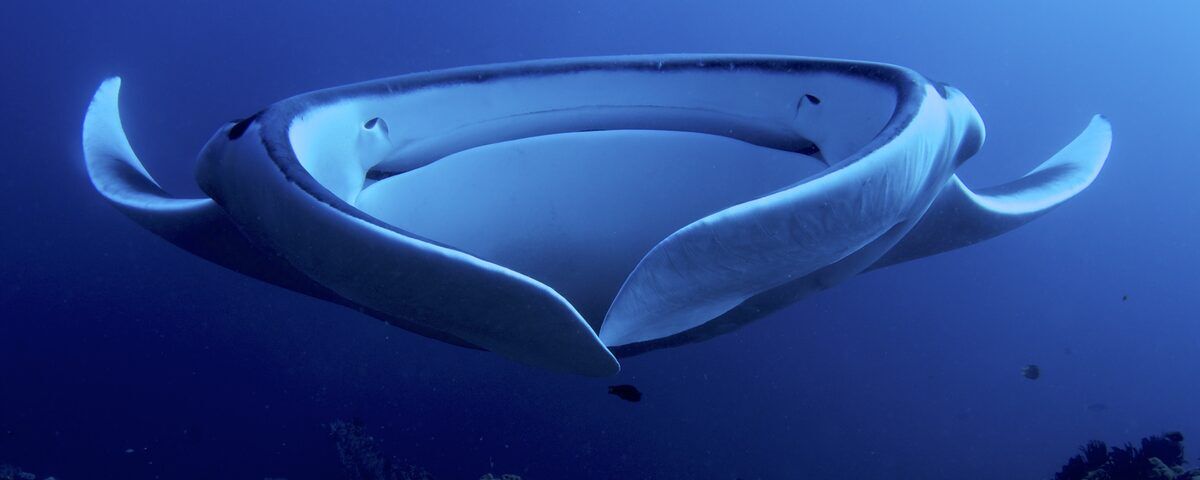
Reef manta rays (Mobula alfredi) are the headliner, with wingspans commonly reaching 3 to 4 metres. Individual animals are identifiable by their belly spot patterns, and researchers from the Marine Megafauna Foundation maintain a photo-ID database of Komodo's mantas. If you photograph the underside of a manta here, there's a decent chance your image contributes to ongoing research. The mantas use the cleaning stations along the reef top, hovering motionless above coral bommies while cleaner wrasse work their gill slits. When feeding, they switch to the characteristic barrel-rolling pattern, mouths agape, scooping plankton in tight circles.
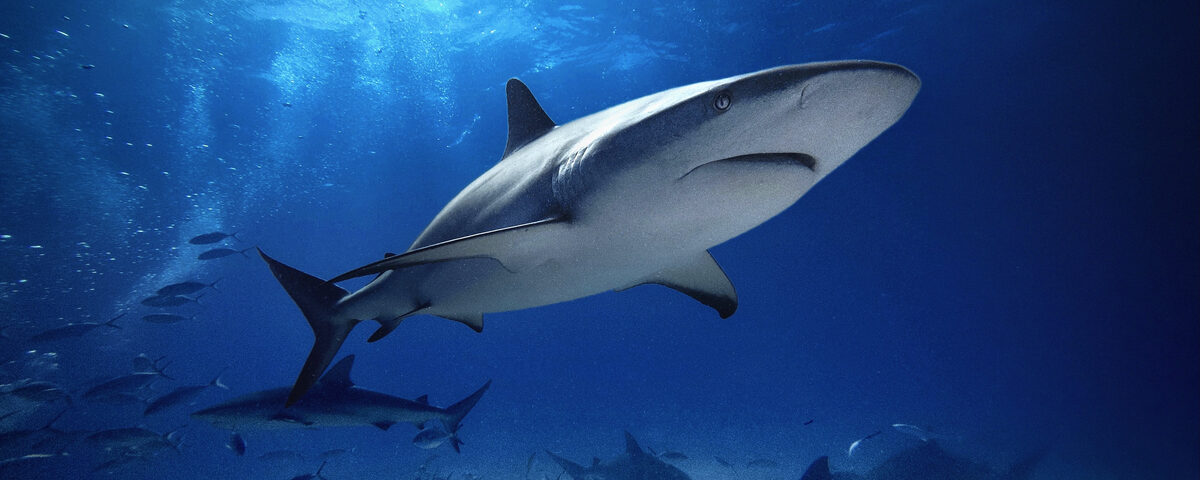
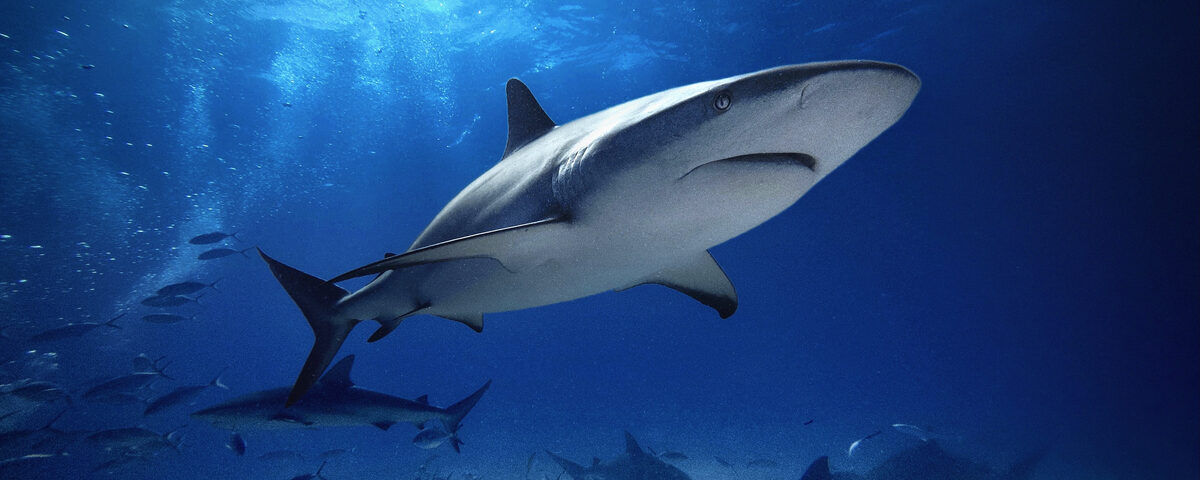
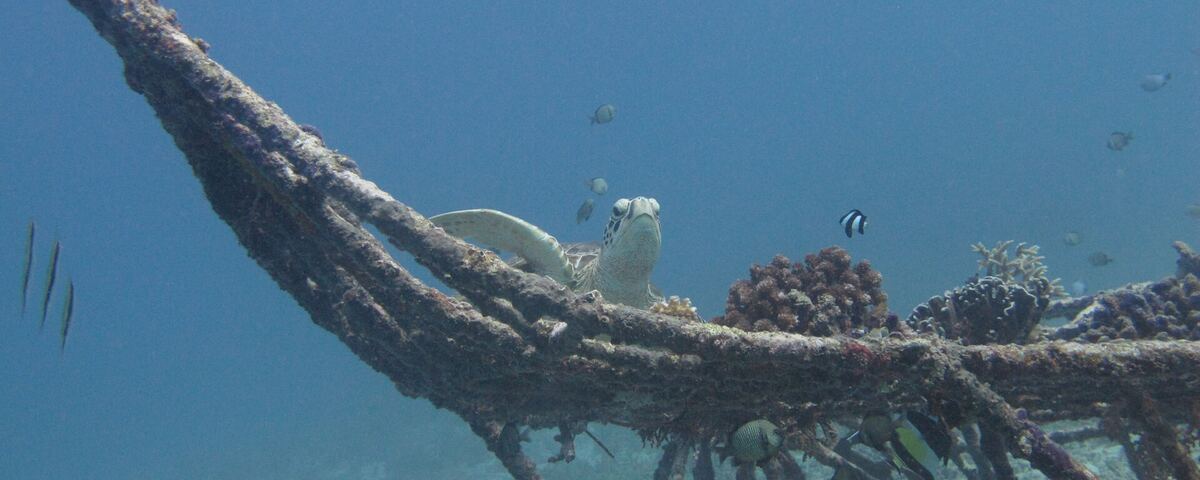
Beyond the mantas, the reef supports a healthy population of reef fish that benefits from the nutrient flow. Schools of fusilier and surgeonfish stream along the ridge, and black-tip reef sharks patrol the edges where the reef meets the sand. Green turtles are regular visitors, often resting on the reef top between the cleaning stations. The sandy bottom on either side of the ridge is worth scanning for blue-spotted stingrays half-buried in the substrate and garden eels swaying in the current.
Eagle rays occasionally pass through, usually solitary, and trevally hunt the reef edges with explosive bursts. The coral on the ridge itself is not Komodo's most impressive; years of heavy visitor traffic and anchor damage have taken a toll on some sections. But you're not here for the coral. You're here because a three-metre wingspan is sweeping overhead and the world has gone very quiet.
Dive Conditions
Current at Makassar Reef is typically mild to moderate, which is gentle by Komodo standards. The reef sits in the channel between islands and catches tidal flow, but the broad, flat shape of the ridge means current rarely accelerates to the point where it becomes uncomfortable. Experienced guides time the dive to hit slack water or mild incoming current, which is when mantas are most likely to be at the cleaning stations.
Visibility ranges from 10 to 25 metres and is heavily influenced by plankton density. More plankton means more mantas but less visibility; it's a trade-off you learn to accept. The best manta encounters often happen in green, soupy water where you can hear them before you see them.
Water temperature sits between 26 and 29 degrees year-round, though thermoclines can drop the temperature by 3 or 4 degrees without warning when deep cold water pushes up the ridge. Entry is by boat from Labuan Bajo or from a liveaboard anchored nearby. Giant stride entry into open water, descend to the ridge, and position yourself on or near the sandy bottom to watch the cleaning stations. The shallow depth profile makes this a generous dive for air consumption; 60-minute dives are normal if your guide permits it.
⚓ Divemaster Notes
I've had over 300 dives at Makassar Reef and the single biggest mistake I see is divers chasing the mantas. You don't chase mantas. You find a cleaning station, settle on the sand a few metres away, control your buoyancy so you're not kicking up silt, and wait. The mantas will come to you. They return to the same cleaning stations on predictable circuits, and if you're still and patient, they'll pass within a metre of your head.
The moment someone breaks position and swims towards a manta, the animal changes course and the encounter is over for everyone. I've watched groups of 20 divers scatter a manta parade that would have circled for 20 minutes if people had just stayed put. Ask your guide to brief the group on this before the dive and, honestly, choose a small group trip if you can afford it.
The east side of the ridge tends to have the most active cleaning stations, but this shifts seasonally. Check with your guide on the day. During dry season (May to September), manta encounters are most reliable. The wet season still produces sightings but they're less predictable.
One thing worth knowing: the channel can funnel jellyfish along the ridge, particularly during plankton blooms. A full wetsuit rather than a shorty protects against stings without any downside in these water temperatures. I've been caught out in a shorty more than once and regretted it every time.
The afternoon dive slot often produces better manta activity than the morning. By mid-afternoon, the mantas seem to shift from feeding behaviour to cleaning behaviour, spending longer at the stations and circling more predictably. If your operator offers a choice, take the afternoon slot for Makassar Reef.
How to Get to Manta Point (Makassar Reef)
Labuan Bajo on the western tip of Flores is the gateway to Komodo National Park. Direct flights from Bali (Denpasar) take about an hour, with several airlines operating daily services. Flights from Jakarta via Bali are also straightforward. Labuan Bajo's airport is small but modern, about 5 minutes from the town centre.
Makassar Reef is roughly 2 to 2.5 hours by dive boat from Labuan Bajo harbour, depending on sea conditions. Most day-trip operators include it as one of two or three dives on a full-day excursion to the central park area. Liveaboards operating within the park will typically visit Makassar Reef at least once during a multi-day itinerary, often pairing it with more current-intensive sites like Castle Rock or Crystal Rock.
Komodo National Park charges an entrance fee (currently around IDR 350,000 for foreign visitors on weekdays, higher on weekends and holidays). Your operator will handle payment, but confirm this is included in the quoted price before booking. The park also limits the number of divers at each site simultaneously, though enforcement varies.
Gear Recommendations
Full 3mm wetsuit rather than a shorty, both for thermocline protection and jellyfish. Wide-angle lens is essential for manta photography; anything narrower than 10mm equivalent will struggle to frame a full wingspan at close range. Reef hook useful for anchoring yourself at a cleaning station in mild current, though not all operators permit them. Torch unnecessary here. Surface marker buoy standard for any Komodo dive.
Recommended Dive Operators
Wunderpus Liveaboard runs dedicated Komodo dive trips with experienced local guides who read the current patterns at Makassar Reef with real precision. Their small group sizes mean less disturbance to the mantas at the cleaning stations. Blue Marlin Komodo in Labuan Bajo offers reliable day-trip and multi-day packages with well-maintained gear and guides who have thousands of logged dives in the park. Uber Scuba Komodo is another Labuan Bajo operation with a strong reputation for safety and marine life knowledge. Dragon Dive Komodo runs smaller boats with fewer divers per trip, which makes a noticeable difference at popular sites like Manta Point. For budget-conscious divers, several operators along the Labuan Bajo waterfront offer competitive packages, but check gear quality and guide experience before committing.
Liveaboard Options
Komodo is one of Indonesia's premier liveaboard destinations, and Makassar Reef features on virtually every itinerary. The Wunderpus and Samambaia run dedicated Komodo routes with 4 to 7-night itineraries that cover Manta Point alongside the park's other signature sites. The Arenui offers luxury liveaboard experiences with marine biologist guides. Damai runs trips combining Komodo with Alor for divers wanting a wider Indonesian experience. Most liveaboards depart from Labuan Bajo and operate primarily during the April to November dry season, though some run year-round. Booking 6 to 12 months ahead is advisable for peak season (July to September).