Tatawa Besar Dive Site
Komodo, Indonesia · Near Labuan Bajo
Overview
Tatawa Besar is where Komodo National Park proves it's not all about ripping currents and advanced-only pinnacles. This long reef wall on the east side of Tatawa Besar island offers a gentle drift dive that suits virtually every certification level, with coral health and fish diversity that rival any site in the park.
The reef runs along the island's coastline, a gradually sloping wall from about 3 metres at the top to 25 metres at the sandy base. Current here is typically mild and predictable, allowing comfortable drift diving where you float along the wall at whatever depth suits your qualification and air consumption. The wall orientation means you can always ascend to shallower water without fighting current, which gives less experienced divers a safety margin that the open ocean pinnacle sites simply don't provide.
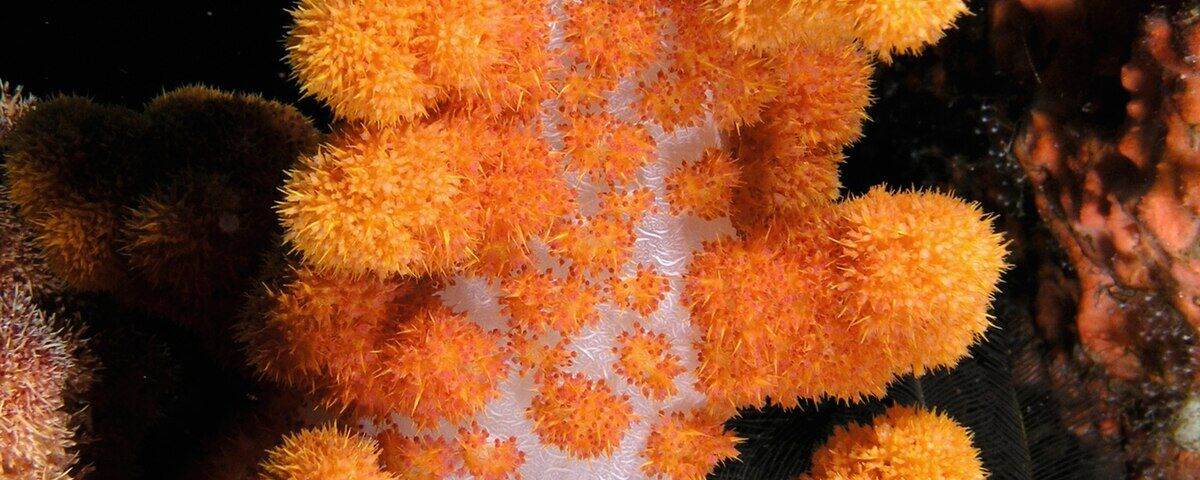
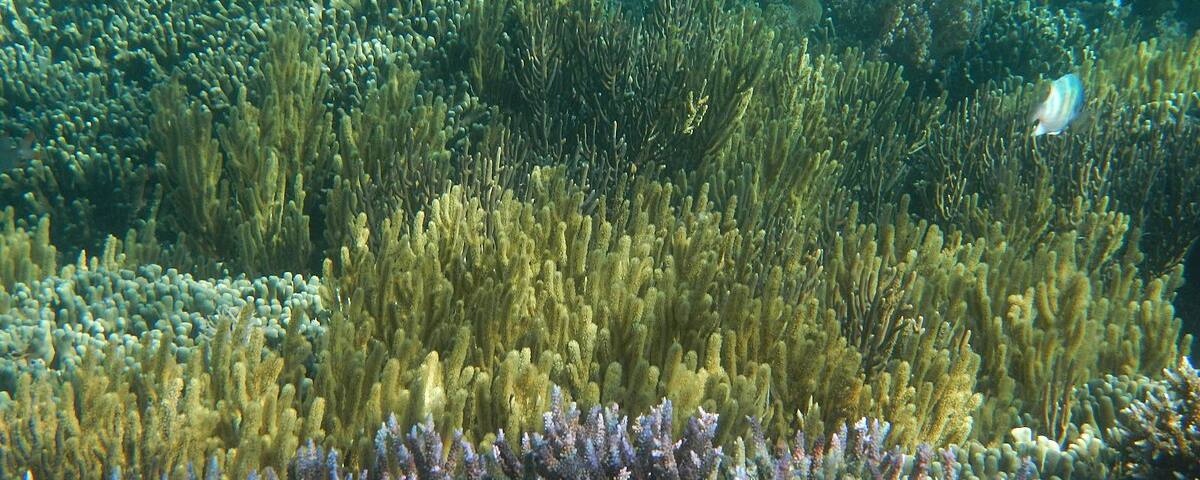
What makes Tatawa Besar stand out is its coral. The hard coral coverage here is among the best in the park: dense, healthy, and diverse, with table corals, staghorn formations, and brain corals creating habitat for everything from juvenile reef fish to cuttlefish and octopus. The soft corals are vivid but less dominant than at Crystal Rock, creating a different visual character that's more about reef health than individual show-off specimens.
This is the site most operators choose for the first dive of a Komodo trip, and for good reason. It introduces you to the park's marine life without the anxiety of strong currents, and it sets a standard for coral health that most of the world's dive sites simply cannot match. If your only experience of Indonesian diving is Bali, Tatawa Besar will recalibrate your expectations immediately.
The reef at Tatawa Besar benefits from its position between the islands, catching nutrient flow without being exposed to the full force of the tidal currents. This balance between nutrient delivery and physical stress allows coral to grow in dense, healthy formations that more current-exposed sites can't support. The result is a reef that looks like a textbook illustration of what healthy Indonesian coral should be.
Marine Life at Tatawa Besar
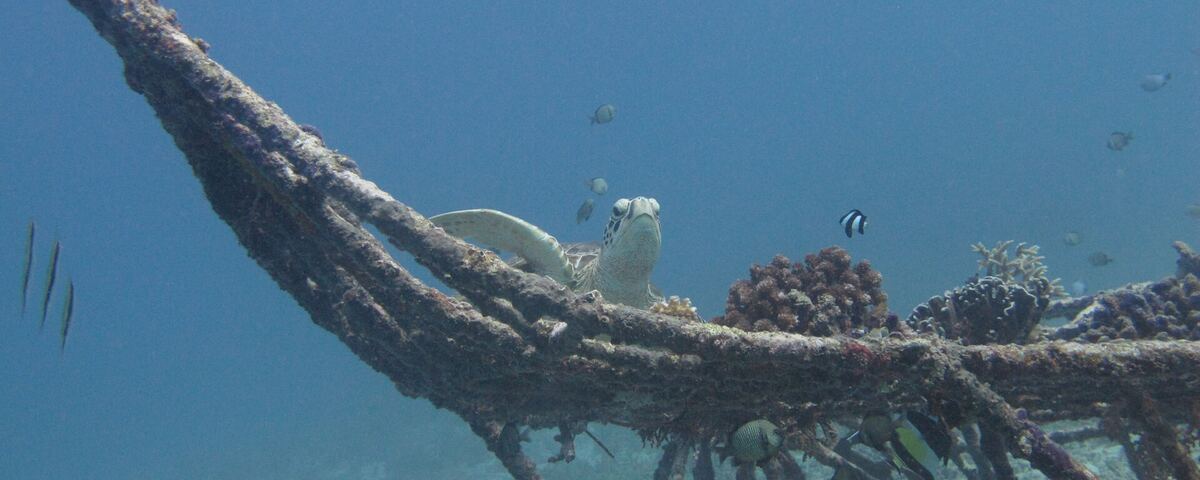
Green and hawksbill turtles are common along the wall, often resting on coral bommies or feeding on sponges. The turtles here are remarkably relaxed around divers, allowing close approaches if you move slowly and don't chase. Schools of fusilier and surgeonfish stream along the wall, with the occasional giant trevally making hunting passes through the schools.
The hard coral sections are nursery habitat for juvenile sweetlips (which swim with an exaggerated waggling motion that makes them instantly recognisable), juvenile groupers, and clouds of damselfish protecting their territories on coral heads. Cuttlefish hunt in pairs along the wall, displaying the colour-shifting camouflage that makes them one of the reef's most entertaining residents. Octopus work the crevices, and if you're patient and your guide is sharp-eyed, you might spot one mid-colour-change.
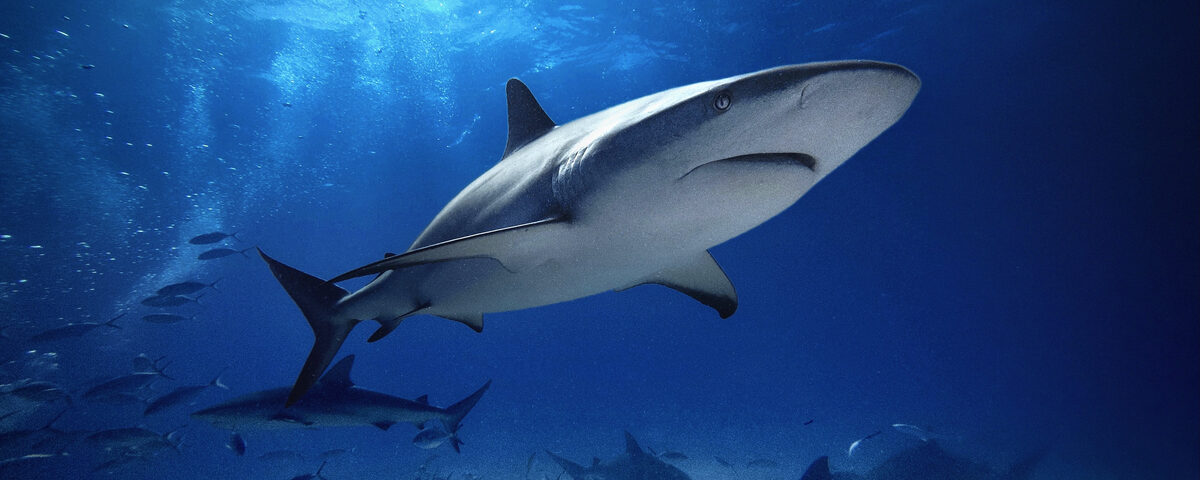
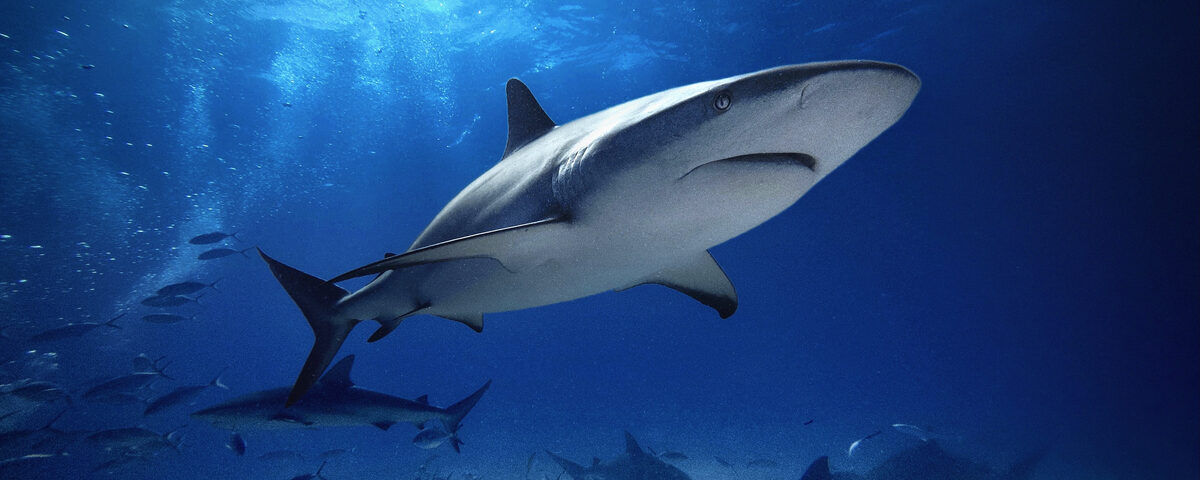
Reef sharks pass along the wall, typically black-tips in the shallower sections and white-tips deeper. They're not as numerous as at Castle Rock, but the encounters feel more personal on a quiet drift dive with a small group. Moray eels inhabit the crevices throughout the wall, with giant moray and honeycomb moray both present.
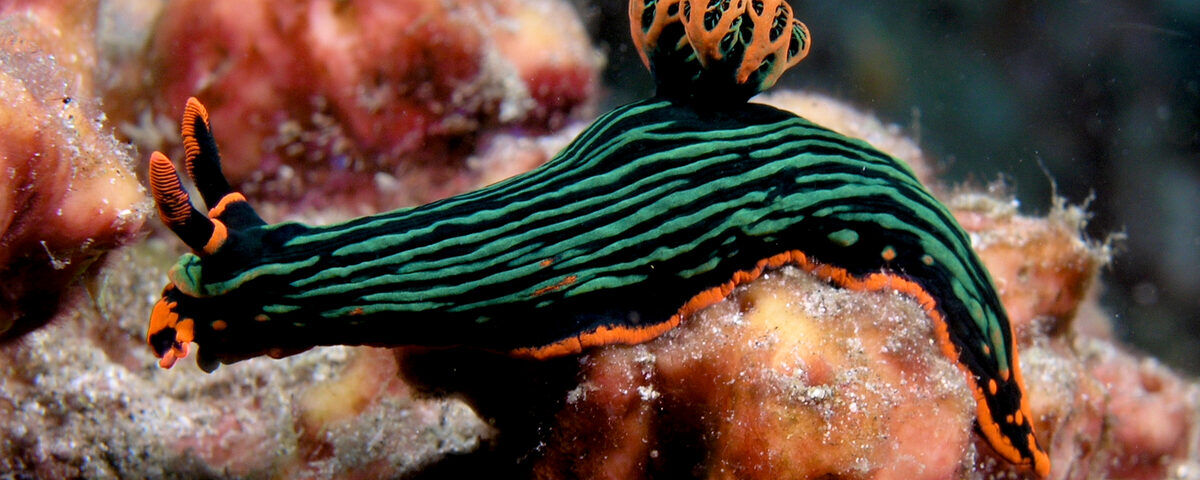
Macro life is excellent along the wall. Nudibranchs of multiple species crawl on the coral surfaces, leaf scorpionfish blend into the reef with near-perfect camouflage, and mantis shrimp peer from their burrows in the sandy patches between coral heads. Lionfish hover under overhangs, their venomous spines fanned out in the mild current.
The sandy patches between coral bommies are worth exploring for critters. Blue-spotted stingrays rest on the open sand, often half-buried and easily overlooked. Jawfish peer from their vertical burrows, retreating with a flick if approached too quickly. The diversity in these sand-reef transition zones often surprises divers who only look at the coral structures.
Dive Conditions
Current is typically mild to moderate, making this one of the most accessible sites in Komodo National Park. The drift runs parallel to the wall, so you're never being pushed into deep water or swept off the reef. If current picks up, you can always ascend to shallower water where the wall provides shelter.
Visibility ranges from 10 to 25 metres, generally best during the dry season (April to November) when run-off from the islands is minimal. Water temperature is a comfortable 26 to 29 degrees, with less thermocline variation than the exposed pinnacle sites.
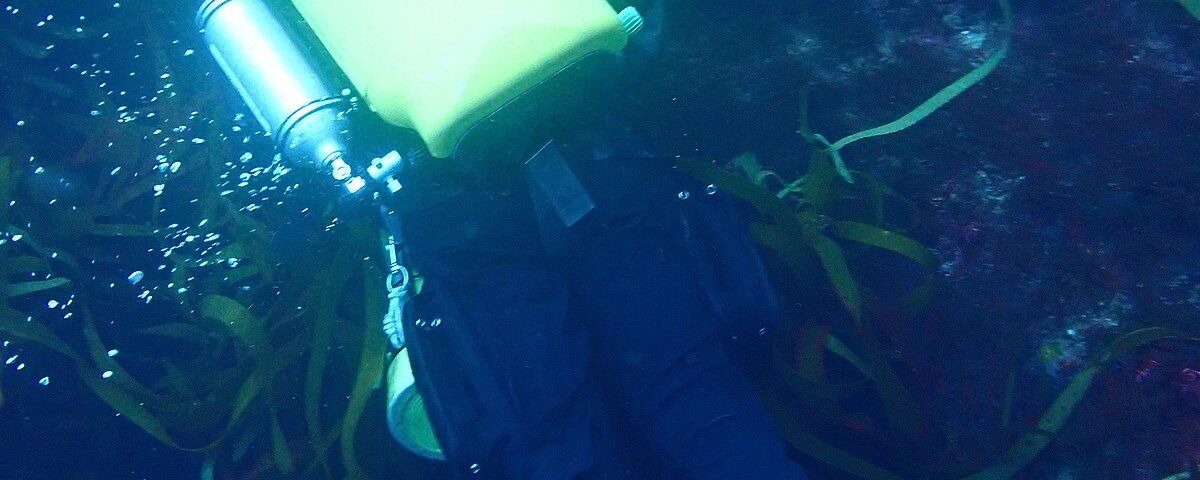
Entry is by boat, with a giant stride into the water and descent to the wall. The dive follows the current along the wall and finishes with an ascent and safety stop in the shallows, which are often the most interesting part of the dive for macro enthusiasts. The shallow reef top (3 to 5 metres) has excellent hard coral and plenty of small critters to occupy a safety stop.
This site is suitable for Open Water divers in mild conditions, though all divers should have some experience with drift diving or at least a thorough briefing on drift technique. The current is gentle enough that it rarely poses problems, but understanding how to manage a drift (stay with the group, don't fight the flow, ascend gradually) is important.
Night diving at Tatawa Besar is an option that some operators offer. The reef transforms after dark: sleeping turtles, hunting octopus, Spanish dancer nudibranchs, and the nocturnal crustacean population emerging from the daytime hiding spots. The mild conditions that make this site accessible during the day also make it one of the safest and most comfortable night dive options in the park.
The current patterns at Tatawa Besar are more predictable than at the exposed pinnacle sites, which means your guide can plan the dive with confidence. The typical pattern follows the tidal cycle: incoming tide pushes current north along the wall, outgoing tide reverses the flow. Your guide will read the current before entry and choose the starting point to ensure a comfortable drift in the right direction.
⚓ Divemaster Notes
Tatawa Besar is my go-to first dive for new guests arriving in Komodo. It lets me assess everyone's skills in a forgiving environment before we head to the more demanding sites. If someone's buoyancy is rough or their air consumption is high, I know before we're dealing with Castle Rock current.
The wall has two distinct characters depending on which direction the current runs. Northbound current tends to produce more turtle encounters in my experience, while southbound current seems to bring more schooling fish along the wall. Ask your guide which direction is running and what to expect.
Don't rush past the shallows. The coral between 3 and 8 metres is genuinely some of the healthiest in the park, and the light at this depth makes everything look spectacular. I've found pygmy seahorses on the fans here, though they're less common than at more sheltered macro sites.
One thing worth mentioning: the sandy patches between coral heads are where the interesting critters hide. Mantis shrimp burrows, jawfish, and garden eels are all present but easy to miss if you're only looking at the wall itself. Spend some time scanning the sand.
For photographers, the combination of healthy hard coral, shallow depth, and natural light makes Tatawa Besar one of the best ambient-light reef photography sites in the park. The sunlight at 5 to 8 metres produces colours that accurately represent the reef's appearance, and the calm conditions allow the slow, deliberate positioning that composition requires. Bring your wide-angle and take your time.
How to Get to Tatawa Besar
Tatawa Besar is located in the central part of Komodo National Park, roughly 1.5 to 2 hours by dive boat from Labuan Bajo. It's a common first stop on day trips heading north towards Castle Rock and Crystal Rock, as the mild conditions make it an ideal warm-up dive.
Labuan Bajo is the sole departure point, reached by direct flights from Bali (approximately 1 hour) or connecting flights from Jakarta. The waterfront harbours dozens of dive operators offering day trips and multi-day packages.
The site is protected from heavy seas by the island itself, so the boat ride to Tatawa Besar is often calmer than the journey to the exposed northern sites.
Some operators offer Tatawa Besar as part of a snorkelling and diving combination trip, useful for groups with mixed abilities. The shallow reef top is excellent for snorkelling while divers explore the deeper wall, and both groups can enjoy the same marine life from different perspectives.
Gear Recommendations
Standard tropical setup: 3mm wetsuit, mask, fins, computer. Wide-angle lens for the reef scenes and turtle encounters. Macro lens also worthwhile here, particularly for nudibranchs and critter hunting on the sand. SMB for the end of the drift. Torch useful for looking into crevices and bringing out the colours of soft coral under overhangs.
Recommended Dive Operators
Most Labuan Bajo operators run Tatawa Besar regularly, and the mild conditions mean guide quality is less critical here than at the current-swept sites. Blue Marlin Komodo, Uber Scuba Komodo, and Dragon Dive Komodo all offer reliable access. For macro photography, look for operators willing to accommodate slow diving and longer bottom times.
Liveaboard Options
Tatawa Besar appears on most Komodo liveaboard itineraries as an introductory or check-dive site. It's also used as a relaxed dive between the more demanding pinnacle and channel sites, giving divers a chance to recover physically before the next current dive.
Tatawa Besar is frequently used as a check-dive site by liveaboard operators assessing a new group's capabilities on the first day. The mild conditions provide a safe environment for skill evaluation without compromising the diving experience. Several liveaboard operators also use it for night diving, as the calm conditions make nocturnal exploration of the reef safe and comfortable.