HP Reef Dive Site
North Malé Atoll, Maldives · Near Malé
Overview
HP Reef (officially Himmeafushi Protected Area Reef, though nobody uses the full name) is a marine protected area in North Male Atoll that consistently ranks among the best soft coral dives in the Maldives. The reef structure is a thila (submerged reef) with a top at 6 metres, dropping to 30 metres on its flanks, and virtually every surface is covered in the kind of soft coral growth that makes underwater photographers weep with joy.
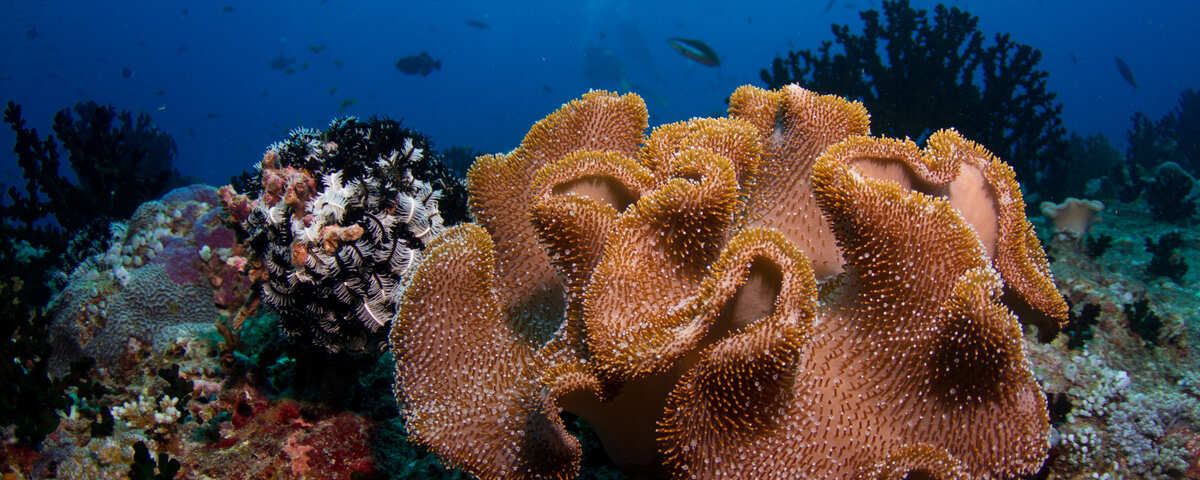
The protected status has produced visible results. The coral coverage at HP Reef is denser and healthier than comparable unprotected sites in the same atoll, with soft corals in particular showing the kind of growth that only sustained protection allows. Dendronephthya soft corals cascade from overhangs in reds, oranges, and purples. Sea fans span metre-wide sections of the wall. The colour palette is extraordinary.
The reef structure includes a series of overhangs and small caves along the flanks, each hosting its own micro-community of fish and invertebrates. The overhangs create shaded environments where the soft coral growth is densest and the fish aggregations are thickest. Oriental sweetlips, blue-stripe snapper, and groupers shelter in these protected spaces, while schools of fusilier and banner fish stream along the exposed reef edges.
HP Reef sits inside the atoll, protected from the strongest ocean currents, which makes it one of the more comfortable dives in North Male. The mild to moderate current is manageable for intermediate divers, and the compact reef structure means a single dive can cover the main highlights without rushing.
The Marine Protected Area designation means no fishing, no anchoring on the reef, and mooring buoys for dive boats. This protection has been maintained consistently, and the difference between HP Reef and nearby unprotected reefs is visible on every dive.
The MPA designation reflects a growing recognition in the Maldives that targeted protection of specific reef areas produces measurable improvements in coral health and biodiversity. HP Reef is often cited as a success story in discussions about marine protection in the Indian Ocean, and the visible difference between this reef and nearby unprotected sites provides compelling evidence for the effectiveness of the approach.
The thila's compact size is an advantage for divers. The entire reef can be explored thoroughly on a single dive, with time to appreciate the soft coral details that make it famous. There is no rushing to cover ground; the site rewards slow, attentive exploration.
The location within the atoll provides natural protection from the strongest oceanic currents, which means the site is diveable on days when the outer reef sites are too exposed. This reliability makes HP Reef a consistent backup option and a guaranteed highlight on dive schedules that might otherwise be disrupted by weather.
Marine Life at HP Reef
The soft coral coverage is the headliner. Dendronephthya soft corals in red, orange, purple, and yellow hang from overhangs and extend from the wall face. Under strobe light, these corals produce photographs of almost surreal colour intensity. Sea fans spread across the current-facing surfaces, and whip corals extend from the deeper sections.
The overhangs shelter dense fish aggregations. Oriental sweetlips in groups of 10 to 30 hang in the shade. Blue-stripe snapper form tight schools under the overhang ceilings. Groupers occupy the deeper recesses. Lionfish station themselves at overhang entrances.
Schools of banner fish are a visual signature, forming lines along the wall that move in synchronised undulations. Moorish idols appear in pairs and small groups. Schools of fusilier stream past the reef edge in current.
White-tip reef sharks rest in the caves and on the sandy patches around the reef base. Eagle rays cruise the reef edge periodically. Turtles visit for cleaning and rest. Napoleon wrasse are occasional visitors.
Macro life is excellent for a non-dedicated macro site. Nudibranchs populate the soft coral surfaces. Cleaner shrimp inhabit the overhangs. Moray eels of multiple species occupy the crevices. Leaf scorpionfish can be found on the wall with sharp-eyed guiding.
Night dives at HP Reef are exceptional. The soft corals open fully after dark, and the reef's colour under torchlight reaches its maximum intensity. Hunting cuttlefish, foraging crabs, and sleeping parrotfish wrapped in mucus cocoons provide the nocturnal entertainment.
The marine life diversity reflects the healthy state of the reef. Butterflyfish species in the dozens, angelfish of several varieties, and the full range of reef damsels and wrasses populate the coral structures. Hawksbill turtles visit occasionally to feed on the sponges that grow among the coral. Octopus hunt across the reef, particularly visible during dusk and night dives.
The reef top at 6 metres provides an outstanding safety stop environment, with hard coral gardens and the busy fish communities that healthy shallow reef supports.
Dive Conditions
The thila top sits at 6 metres, with flanks dropping to 30 metres. The overhangs and caves are distributed between 10 and 25 metres, with the densest soft coral in the 12 to 20-metre range. The compact reef structure means a single circumnavigation covers the main features.
Current is mild to moderate, with the atoll-interior position providing shelter from the stronger flows on the outer reef edge. The reef is diveable year-round, with both monsoon seasons producing good conditions.
Visibility ranges from 15 to 30 metres. Water temperature is 27 to 30 degrees. A 3mm wetsuit is standard.
Intermediate certification is sufficient. The depth range and current are manageable for divers with basic open water skills, though the overhangs benefit from good buoyancy control.
The water clarity at HP Reef benefits from the atoll-interior position, which filters the stronger current-driven turbidity that affects outer reef sites. On calm days, visibility can reach 30 metres, allowing the full extent of the thila to be visible from the surface.
⚓ Divemaster Notes
HP Reef is the soft coral dive I show to guests who think the Maldives is all about sharks and mantas. The colour here is outrageous, and under strobes it becomes almost psychedelic. I have seen photographers forget to look at their dive computers because they were so absorbed in the overhang compositions.
I run the dive as a counter-clockwise circuit starting on the current-exposed side, where the soft coral growth is densest and the fish aggregations are largest. The eastern overhangs are the money shots: deep undercuts with soft coral hanging from the ceiling and sweetlips suspended in the shade. I position the group below the overhangs, looking up into the colour, and let the photographs compose themselves.
The night dive at HP Reef is something I recommend to anyone who stays more than a few days. The soft corals extend fully after dark, and the torchlight reveals colours that are muted in ambient daylight. The reef takes on a completely different character, and species that are invisible during the day (particularly the crustaceans) emerge to patrol the coral surfaces.
For photographers, HP Reef demands strobes. The overhangs are dark enough that ambient light alone produces flat, blue images. Dual strobes with wide diffusers bring out the soft coral colours that make this site famous. A wide-angle lens is essential for the overhang compositions; macro is secondary here.
One thing worth noting: the MPA regulations are enforced. No gloves, no touching the reef, no anchoring on the coral. I enforce these rules with my groups and I appreciate when the regulations are taken seriously. The protection is why the reef looks the way it does.
I make it a point to bring groups here early in their Maldives trip, before they become accustomed to the colour and assume it is normal. The soft coral at HP Reef is special, and first-timers react to it with an intensity that longer-term visitors sometimes lose. Fresh eyes appreciate what familiarity can diminish.
For dive groups staying multiple days, I schedule HP Reef as an afternoon dive when the sun angle produces the best light penetration into the overhangs. The morning light is too high and direct; the afternoon angle sends beams into the overhang interiors that illuminate the soft coral with natural light. This timing detail makes a noticeable difference in the photographic results.
How to Get to HP Reef
HP Reef is in North Male Atoll, approximately 25 to 40 minutes by speedboat from Male. It is a standard site on North Male Atoll dive centre schedules and a regular stop for liveaboards beginning their itineraries.
Access from Male's international airport is straightforward, with resort speedboat transfers available from most North Male properties.
Gear Recommendations
3mm wetsuit. Wide-angle lens with dual strobes essential for the soft coral overhangs. Torch for illuminating the darker recesses and recommended for bringing out colours even on day dives. SMB for safety stops. No reef hook needed.
Recommended Dive Operators
Bandos Maldives and Baros Maldives both include HP Reef as a regular dive site. Kurumba Maldives dive centre runs trips to the MPA. Euro-Divers operates from multiple North Male resorts with experienced guides.
Liveaboard Options
HP Reef is primarily a resort-based day dive in North Male Atoll. Liveaboards include it on their first or last dive day when departing or returning to Male. Most Maldives liveaboard itineraries pass through North Male Atoll. The thila is a standard inclusion on Maldives liveaboard check-dive schedules, often used as a confidence-building dive before heading to more remote atolls. The compact structure and manageable conditions make it an ideal site for assessing group capability and calibrating equipment after a transfer day. The soft coral photography opportunities provide guests with memorable images from the very first dive.