Dive Sites in Malapascua, Philippines
3 dive sites in Malapascua
The only place on the planet where you can reliably see pelagic thresher sharks on a recreational dive. Early morning dives at Monad Shoal deliver 90%+ sighting rates during peak season. Beyond the threshers, Gato Island's caves and wreck diving at Dona Marilyn round out a compact but exceptional destination. Browse all Malapascua dive sites below.
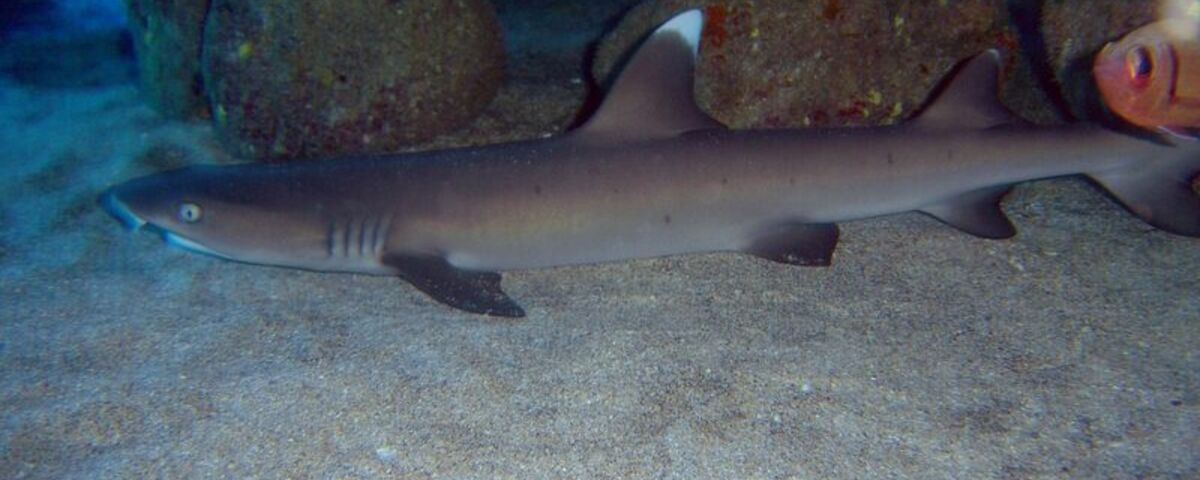
Gato Island is a small rocky island north of Malapascua with a feature that no other dive site in the Philippines can match: an underwater cave tunnel...
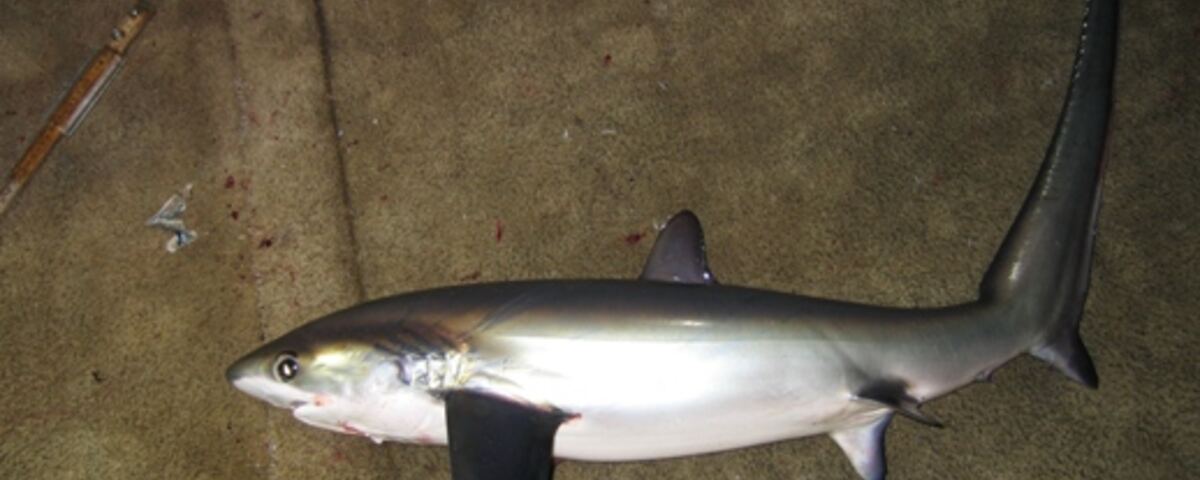
Kimud Shoal is Malapascua's second act. While the island's fame rests entirely on the thresher shark encounters at Monad Shoal, Kimud Shoal offers som...
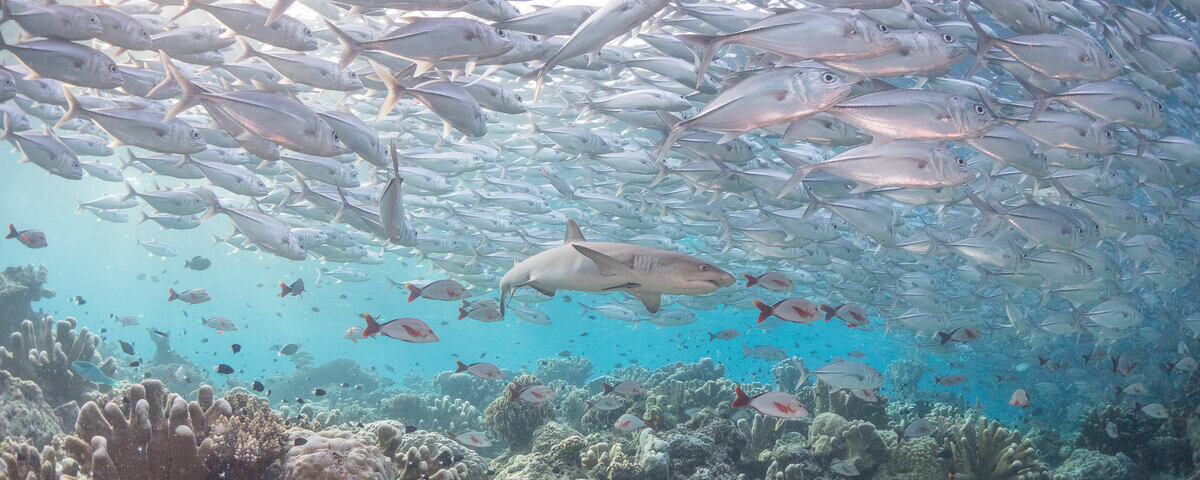
Monad Shoal is the only place on earth where you can reliably see pelagic thresher sharks on a recreational dive. These extraordinary animals, with th...
Every morning, just before sunrise, thresher sharks rise from the deep at Monad Shoal. Malapascua is the only place on the planet where you can reliably see pelagic thresher sharks on a recreational dive, and that single fact puts this tiny island north of Cebu on every serious diver's list.
The sharks come up from 200+ metres to cleaning stations at around 20 to 30 metres depth. Early morning dives (boats leave around 5am) offer sighting rates above 90% during peak season. It's a surreal experience: these are open-ocean predators with enormous eyes and whip-like tails that can exceed their own body length. Nowhere else do they reliably approach this close to recreational depth.
Beyond the threshers, Malapascua diving has genuine depth. Gato Island, a short boat ride away, features swim-through caves with whitetip reef sharks resting on the sand floor. The surrounding reefs support solid macro diving, with mandarin fish, frogfish, and various nudibranch species. Dona Marilyn, a passenger ferry that sank in a typhoon in 1988, offers a wreck dive at 25 to 32 metres for advanced divers.
Malapascua is a small island, about 2.5 kilometres long, with no cars and a handful of sandy paths. Getting there involves flying to Cebu, driving 3 to 4 hours north to Maya port, then taking a 30-minute boat crossing. The infrastructure is modest but sufficient: several dive resorts and operators, simple restaurants, and reliable electricity. February to October offers the best conditions, though thresher sightings happen year-round. Most divers spend 3 to 5 days here.