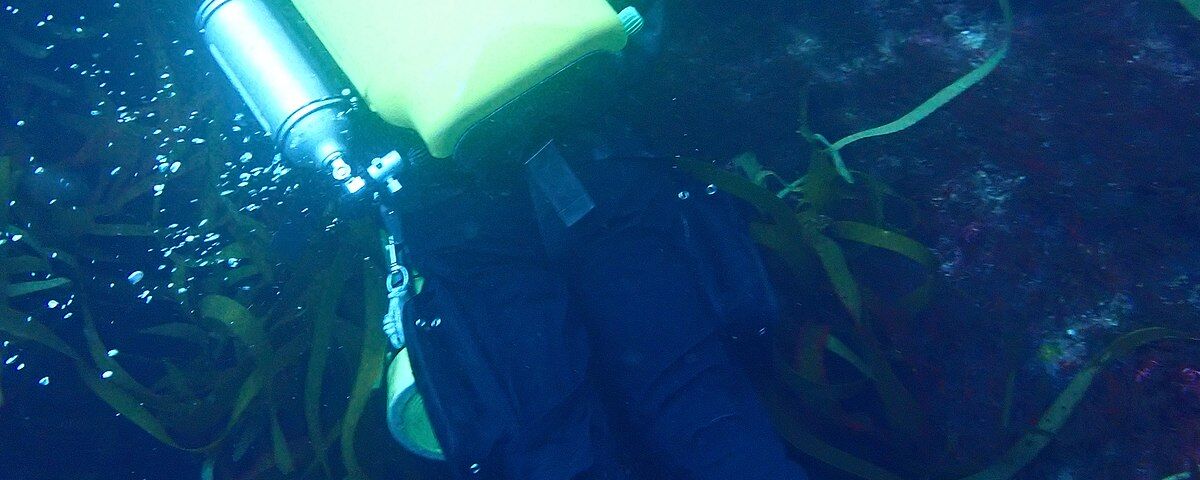
Canyons Dive Site
Puerto Galera (Mindoro), Philippines · Near Puerto Galera
Overview
Canyons is Puerto Galera's signature dive, a series of dramatic coral-covered ravines carved into the reef that channel current, concentrate marine life, and create one of the most visually striking underwater landscapes in the Philippines. The site sits in the Verde Island Passage, widely recognised as the global epicentre of marine shore-fish biodiversity, and the canyon formations funnel the passage's nutrient-rich currents into concentrated streams that feed a reef system bursting with life.
The topography is what makes this site memorable. Deep cuts in the reef create parallel canyons running roughly perpendicular to the current, with walls rising 5 to 10 metres on either side and sandy floors between them. Swimming through the canyons feels like navigating an underwater slot canyon, with coral-covered walls on either side and fish streaming overhead. The current accelerates through the narrow passages, creating a natural drift that carries you from one canyon to the next.
Canyons is a current dive. The Verde Island Passage pushes large volumes of water through this section of reef, and the topography concentrates the flow. When the current runs, the canyons come alive with schooling fish, hunting predators, and the overall sense of energy that current-swept sites deliver. When it's slack, the site is a pleasant reef dive with good coral. The difference is dramatic.
Puerto Galera has been a dive training destination since the 1970s, and Canyons is the site that graduates divers from the beginner sites in Sabang Bay to the more demanding open-water diving that the Verde Island Passage offers. It's a rite of passage for divers based in the area, and the site delivers a world-class experience that justifies Puerto Galera's reputation as one of the Philippines' premier dive destinations.
Puerto Galera's dive industry has been operating since the 1970s, making it one of the most established diving communities in Asia. The accumulated knowledge of the local dive guides, many of whom have spent their entire careers diving these reefs, represents an invaluable resource for visiting divers. The guides at Canyons know not just where the fish are, but how the current patterns change with the tide, where the sharks rest at different times of day, and which canyon sections produce the best encounters in different conditions.
Marine Life at Canyons
Schools of big-eye trevally form swirling formations above the canyons when current is running. Giant trevally make aggressive hunting passes through the schooling fusilier and surgeonfish that pack the canyon openings. White-tip reef sharks rest on the sandy floors between the canyon walls, sometimes several visible from a single position.
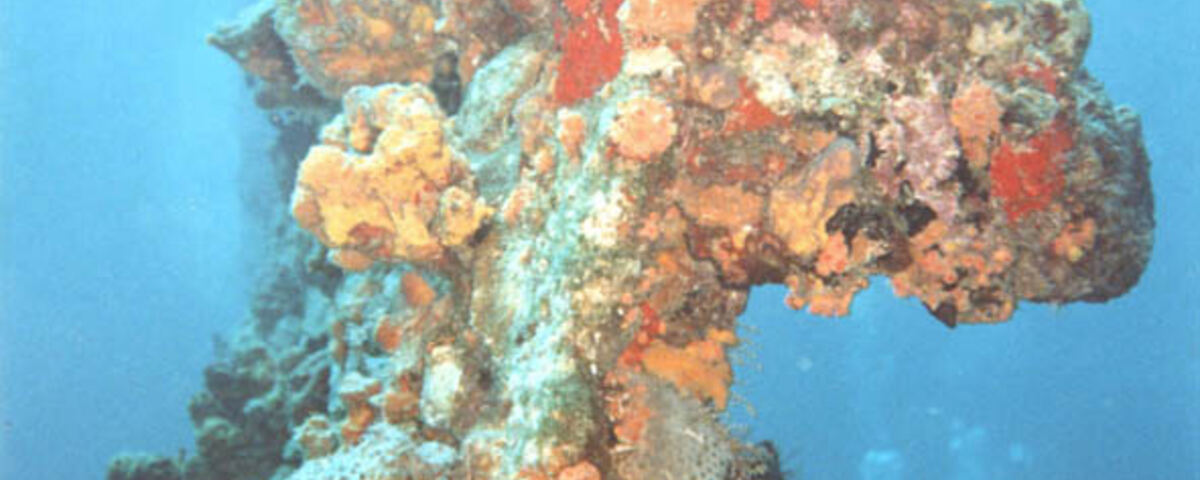
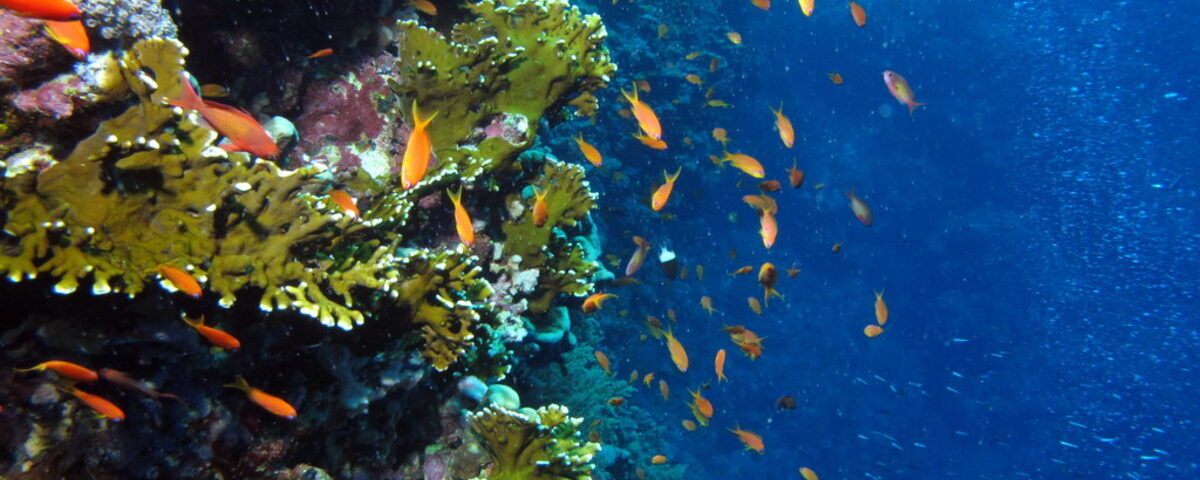
The canyon walls are covered in hard and soft corals, with sea fans, barrel sponges, and gorgonians occupying the current-facing surfaces. Sweetlips and snapper cluster under the overhangs. Moray eels of several species inhabit the crevices throughout the canyon walls.
Turtles are common, often resting on the reef flat above the canyons or cruising past at mid-depth. Napoleon wrasse are regular visitors, their size making them conspicuous against the canyon backdrop. Batfish drift above the reef in loose groups.
The Verde Island Passage location means pelagic visitors are always possible. Eagle rays pass through periodically. Schools of barracuda are common. The occasional hammerhead has been reported at the deeper sections, though these sightings are rare.
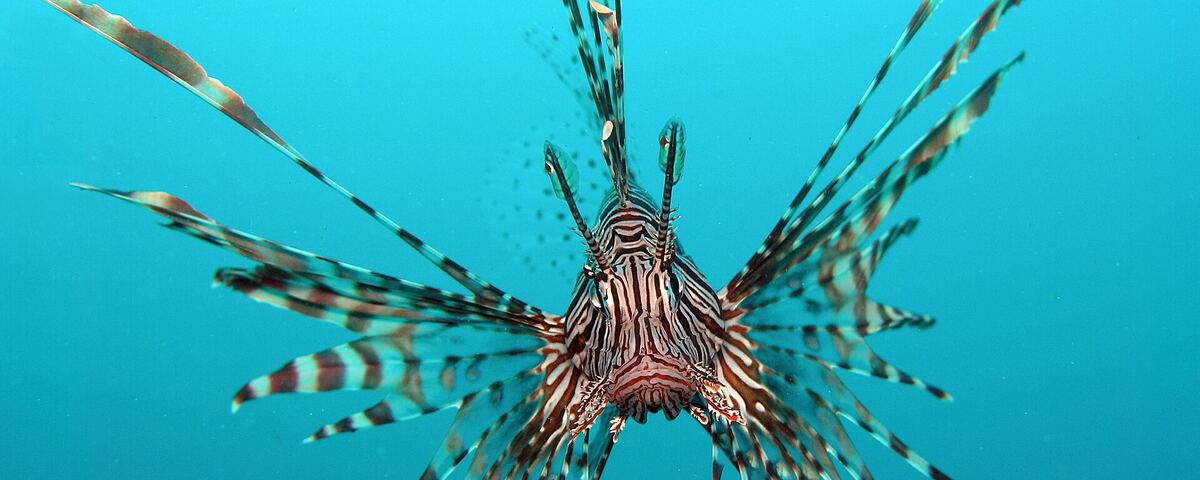
Macro life is present on the canyon walls: nudibranchs, flatworms, and commensal shrimp on the coral and sponge surfaces. Scorpionfish and lionfish are common throughout. Frogfish have been found on the wall surfaces, though they require sharp-eyed guides to locate.
The canyon formations create micro-environments within the larger reef system. The sand floors between canyon walls provide habitat for garden eels, stingrays, and sand-dwelling gobies. The walls themselves support different coral communities on their exposed and sheltered faces, creating two distinct habitats within centimetres of each other. The overhangs at the top of the canyon walls harbour squirrelfish, soldierfish, and the occasional resting nurse shark.
The Verde Island Passage location means Canyons receives marine life from multiple biogeographic regions. Species typically found in the South China Sea co-exist with Pacific species and Indian Ocean species, creating assemblages that don't occur elsewhere. Marine biologists have documented this overlap extensively, and it contributes to Puerto Galera's consistently high species counts.
Dive Conditions
Current at Canyons ranges from moderate to strong, driven by the tidal exchange through the Verde Island Passage. The canyons accelerate the flow, creating areas of strong current at the canyon mouths and relative calm in the protected interior sections. Your guide navigates through the canyons using the sheltered sections for rest and the current-exposed areas for marine life observation.
Visibility is typically 10 to 25 metres, better during the dry season (November to May) and reduced during the monsoon months. Water temperature ranges from 25 to 30 degrees, with cooler water from the passage occasionally dropping temperatures during upwelling events.
The site is suitable for advanced divers comfortable with current diving. The canyon topography provides shelter from the strongest flow, but navigating between canyons in open current requires experience and confidence. Entry is by banca from Sabang Beach or Puerto Galera, approximately 15 to 20 minutes.
The canyon topography provides natural shelter from the strongest passage currents. The canyon interiors are significantly calmer than the open reef above, creating a predictable pattern: exposed reef for pelagic sightings, canyon interior for detailed observation and photography. Guides use this pattern to manage the dive, alternating between high-energy exposed sections and calm interior sections to maintain the group's comfort and air consumption.
The canyon topography creates natural shelter from the strongest passage currents. Inside the canyons, current drops to a fraction of the open-reef flow, creating calm zones where you can pause, check air, and observe the fish life in the current-exposed openings without fighting the flow. This alternation between sheltered and exposed zones is the key to managing energy and air consumption on a Canyons dive.
⚓ Divemaster Notes
Canyons is the dive I'm most proud to show visiting divers in Puerto Galera. The topography is unique, the marine life is abundant, and the current adds an element of excitement that makes the dive memorable beyond just what you see.
The trick to Canyons is using the terrain to manage the current. The canyon interiors are sheltered, and you can pause in the calm zones to observe the fish life in the current-exposed openings without fighting the flow yourself. Think of it as watching a river from the bank rather than swimming in it.
I start my groups at the deepest canyon (usually the third canyon at 25 to 30 metres) and work upward through the shallower canyons as the dive progresses. This natural ascent profile maximises bottom time and puts the most challenging section first, when air and energy are highest.
Watch for titan triggerfish nesting in the sand between the canyons. Nesting titans are genuinely aggressive and will charge divers who enter their territory. The territory extends vertically above the nest, so ascending directly above a nesting area is worse than passing beside it. Your guide should flag nesting zones before the dive.
The morning slot typically has the best conditions at Canyons. The current patterns here favour the first hours of the day, when flow is strong enough for marine life activity but not so powerful that navigation becomes a struggle. Afternoon dives can work but the current is often less predictable.
The canyon floors are sandy, which creates photo opportunities for wide-angle shots looking up through the canyon walls towards the surface. Position yourself low on the sand, shoot upward through the gap between the walls, and the resulting image captures the scale and drama of the canyon formations. Adding a diver silhouetted at the canyon lip creates a composition that communicates the site's structure to anyone who hasn't dived it.
How to Get to Canyons
Puerto Galera is located on the northern coast of Mindoro Island, directly across the Verde Island Passage from Batangas on Luzon. The most common route is a 3-hour drive from Manila to Batangas pier, followed by a 1-hour ferry crossing to Puerto Galera. Fast ferries and bangka boats operate multiple daily crossings.
Sabang Beach is the diving centre of Puerto Galera, with dozens of dive operators clustered along the waterfront. Canyons is approximately 15 to 20 minutes by banca from Sabang.
Alternatively, some divers fly to Batangas via Clark Airport (north of Manila) and transfer by road. The Manila route is more common and more straightforward.
Gear Recommendations
Reef hook useful for pausing in current. Full 3mm or 5mm wetsuit for passage temperature drops. SMB essential for the drift exit. Wide-angle lens for the canyon and schooling fish shots. Dive computer with depth alerts. Nitrox recommended for the deeper canyon exploration.
Recommended Dive Operators
Asia Divers is one of Puerto Galera's longest-running operations, with decades of experience at Canyons and the other passage sites. Sabang Divers offers reliable access with experienced local guides. Tech Asia provides both recreational and technical diving at Canyons, with support for extended depth exploration. Action Divers has a strong reputation for small group sizes and personalised guiding.
Liveaboard Options
Puerto Galera is not a liveaboard destination; all diving is operated from shore-based centres in Sabang and Puerto Galera. The day-trip banca format provides flexible scheduling and local expertise.