Hole in the Wall Dive Site
Puerto Galera (Mindoro), Philippines · Near Puerto Galera
Overview
Hole in the Wall takes its name from a natural opening in the reef wall at about 18 metres depth, large enough for divers to swim through single file. The swim-through connects two sections of reef separated by the wall, and passing through it is one of Puerto Galera's most memorable diving moments. You enter one side of the wall, swim through a short tunnel with the reef structure above and around you, and emerge on the other side to a different reef landscape.
The site sits on the edge of the Verde Island Passage, exposed to the same current-driven marine richness that makes Canyons exceptional. The wall drops from about 15 metres to beyond 30 metres, covered in soft corals, sponges, and gorgonian fans that thrive in the nutrient flow. The passage location means the biodiversity here is concentrated and varied, with species lists that reflect the site's position at the intersection of multiple marine biogeographic zones.
Beyond the namesake hole, the wall itself is a superb dive. Dense coral coverage, healthy fish populations, and regular shark sightings make this one of the top five sites in Puerto Galera. The wall faces the passage and catches the current, which concentrates marine life along its face and creates the conditions for dramatic schooling fish encounters.
The hole is the centrepiece but not the entirety of the dive. Operators typically combine the swim-through with a wall drift that covers several hundred metres of reef, providing a varied dive that includes the tunnel experience, wall exploration, and the potential for pelagic encounters in the passage waters.
The hole itself is a natural geological formation, carved by erosion through the reef structure over thousands of years. Unlike artificial swim-throughs or cave entrances, this is a feature that has been part of the reef's architecture since before humans dived here, and the marine life has adapted to its presence. The tunnel interior hosts species adapted to reduced light, including sponges, tunicates, and small crustaceans that are not found on the exposed wall surfaces.
The Verde Island Passage, where Hole in the Wall is located, has been the subject of extensive marine biodiversity surveys. The passage connects the South China Sea with the Philippine Sea, creating a corridor that supports the highest concentration of marine species per unit area documented anywhere on earth. Hole in the Wall sits directly in this corridor, benefiting from the extraordinary species richness that has made Puerto Galera a destination for marine biologists as well as recreational divers.
Marine Life at Hole in the Wall
The hole itself is a natural tunnel approximately 3 to 4 metres in diameter and 5 to 6 metres long, carved through the reef wall. The interior is dark, requiring torchlight, and the walls are covered in sponges and small corals. Emerging from the hole onto the outer wall reveals the drop-off into the passage, with deep blue water below and the wall stretching away in both directions.
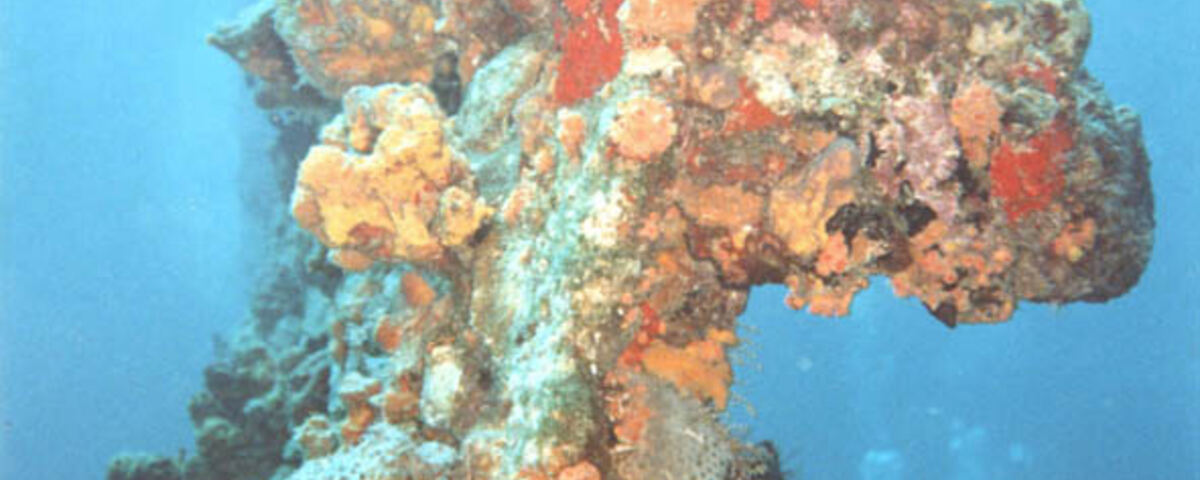
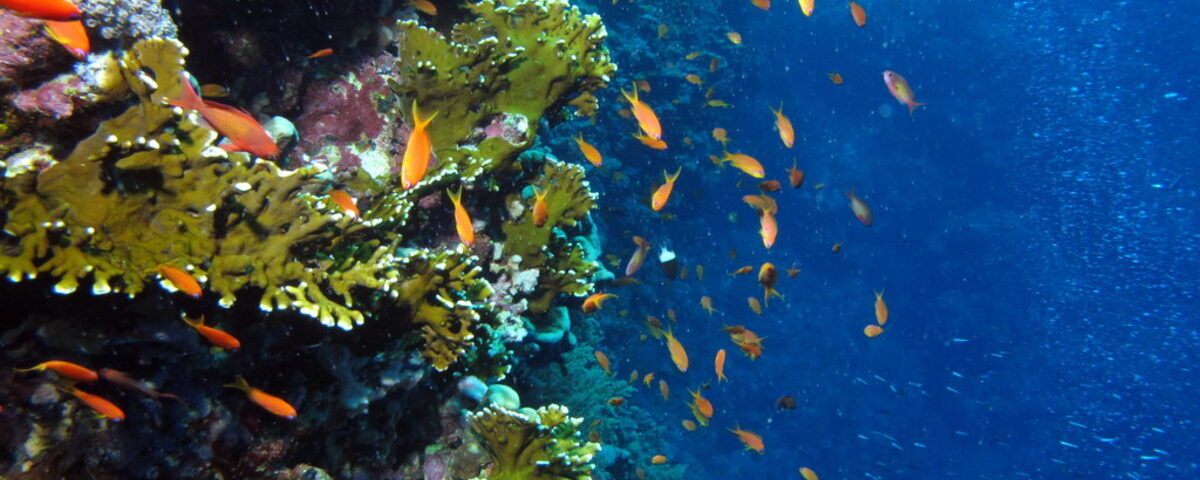
The outer wall is covered in gorgonian sea fans, soft corals, and barrel sponges. Crinoids cling to the fans in multiple colours. The coral coverage is dense and healthy, reflecting the passage's nutrient-rich water.
White-tip reef sharks are regularly sighted along the wall, both resting on ledges and cruising past in the current. Schools of jacks and barracuda circle in the blue water beyond the wall edge. Giant trevally hunt along the wall face. Napoleon wrasse are occasional visitors.
Turtles are common on the wall, with both green and hawksbill turtles present. Schools of snapper and sweetlips cluster under overhangs throughout the wall section. Anthias swarm the coral-covered surfaces in the shallower sections.
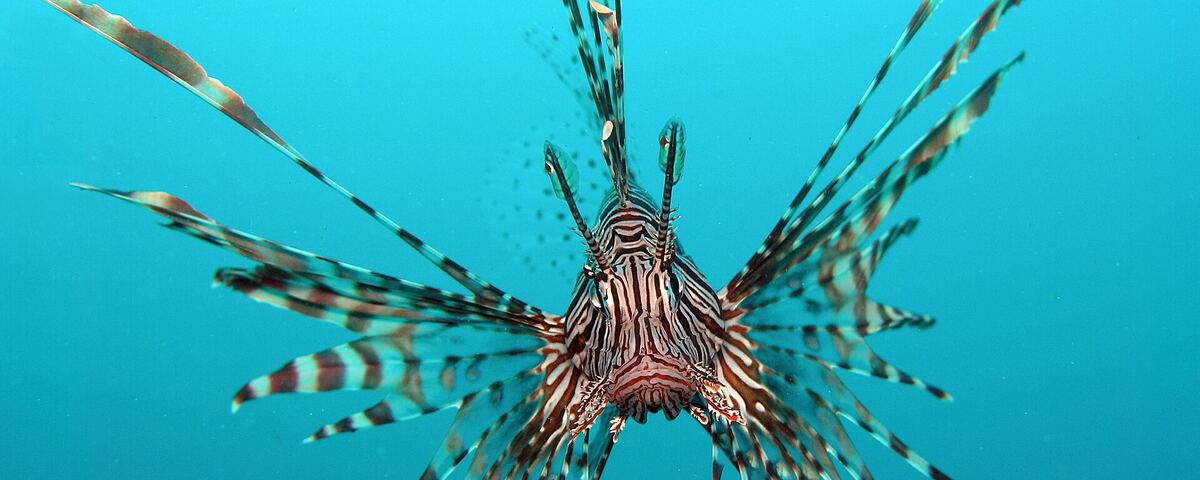
Macro life is solid: nudibranchs, flatworms, and commensal shrimp on the wall surfaces. Frogfish have been reported, though they're uncommon. Scorpionfish and lionfish are standard wall residents.
The current-facing wall sections on either side of the hole host dense communities of gorgonian sea fans, some exceeding 2 metres in diameter. These fans are oriented perpendicular to the current, maximising their filter-feeding efficiency, and their uniform alignment creates a visual pattern along the wall that is distinctive and photogenic. Crinoids in multiple colours cling to the fans, and careful examination reveals commensal species including crinoid shrimp and crinoid squat lobsters.
The wall extends for several hundred metres in both directions from the hole, and the sections beyond the swim-through are often less visited, providing quieter diving with equally healthy coral coverage. If your group has already done the swim-through on a previous visit, ask your guide to explore the outer wall sections for a different perspective on the site.
The wall sections flanking the hole host some of the best gorgonian sea fan growth in Puerto Galera. The fans are oriented perpendicular to the current, creating a uniform alignment along the wall that produces striking visual patterns. Individual fans can exceed 2 metres in diameter, and their surfaces host crinoids, commensal shrimp, and occasionally pygmy seahorses.
The deep blue water beyond the wall edge occasionally produces surprise encounters. Eagle rays, barracuda schools, and the very occasional hammerhead have been reported passing along the wall in the deeper water. These sightings are irregular but add an element of anticipation to every dive.
Dive Conditions
The hole is at approximately 18 metres depth, with the wall extending from 15 to beyond 30 metres. Current is moderate to strong, driven by the Verde Island Passage tidal flow. The hole is typically swum through in mild to moderate current; strong current can make the transit uncomfortable and the guide may skip the swim-through in favour of a wall drift.
Visibility is 10 to 25 metres. Water temperature ranges from 25 to 30 degrees. The site is diveable year-round but optimal from November to May during the dry season.
Entry is by banca from Sabang Beach, approximately 15 to 20 minutes. Advanced Open Water certification is required, and comfort with current diving is essential.
The wall drops to beyond 30 metres, with the deepest sections hosting different species from the shallower wall. Soft coral density increases with depth, and the deeper sections are where the larger gorgonian fans are found. However, the majority of marine life activity occurs between 15 and 25 metres, so deep excursions are optional rather than necessary.
⚓ Divemaster Notes
Hole in the Wall is one of those sites where timing the current determines the entire dive experience. I check conditions before every dive and make the call on whether to attempt the swim-through or skip it in favour of a wall drift. Pushing the group through the hole in strong current is dangerous and unnecessary; the wall is excellent without the hole.
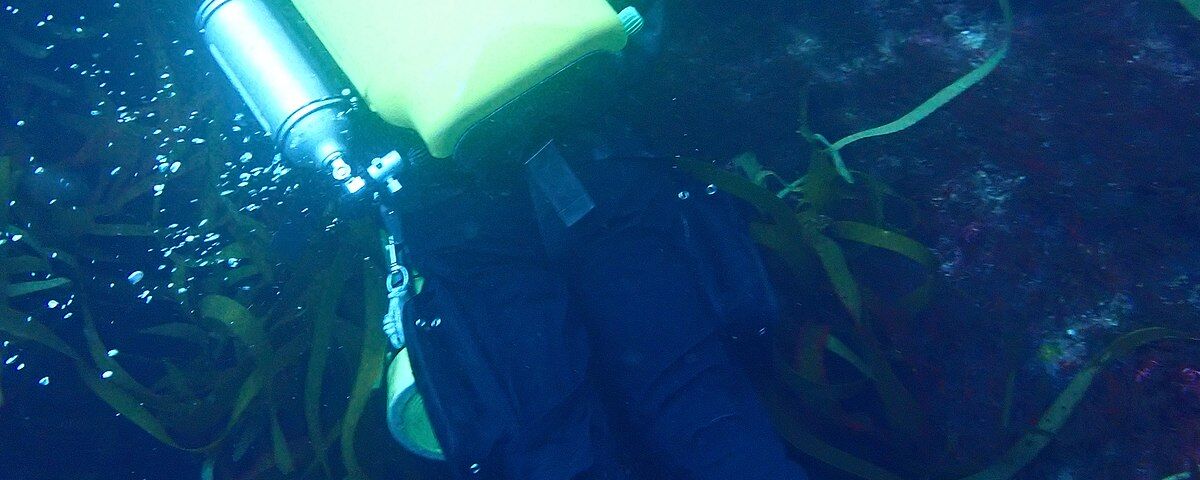
When conditions permit the swim-through, I brief the group on spacing. Single file, one diver at a time through the hole, with the next diver entering only when the previous one has cleared the exit. The tunnel is short but narrow enough that two divers abreast create a bottleneck. Torches on before entry, keep your arms tucked, and don't touch the walls (sponge growth and critters).
The wall drift after the hole is some of the best wall diving in Puerto Galera. I let the current carry the group along the face, maintaining depth between 18 and 22 metres where the soft coral coverage is most impressive. The gorgonians here rival anything in Anilao or the Visayas.
The passage-side of the wall drops into deep water, and the blue water beyond the wall edge is where the pelagic action happens. Position yourself near the wall edge and look into the blue for jacks, barracuda, and the occasional shark cruising past. Don't swim away from the wall to chase anything in the blue; the current will carry you faster than you can swim back.
Night dives at Hole in the Wall are possible but the current makes them challenging. I only offer night dives here on slack water nights, and even then the experience is different enough from daytime to warrant a separate briefing.
The marine life in the tunnel itself is worth observing during the transit. The walls host sponges, tunicates, and small crustaceans adapted to the reduced-light environment. Shrimp eyes reflect torchlight, and tiny crabs work the sponge surfaces. These tunnel residents are easily missed when divers focus on the swimming-through experience rather than the tunnel's ecology. Slow down during the transit and look at the walls; the tunnel is a microhabitat as well as a thoroughfare.
How to Get to Hole in the Wall
Puerto Galera, Mindoro, is reached by road from Manila to Batangas (3 hours) followed by a 1-hour ferry crossing. Sabang Beach is the dive centre, with multiple operators offering daily trips. Hole in the Wall is 15 to 20 minutes by banca from Sabang.
Gear Recommendations
Torch essential for the swim-through. Full 3mm to 5mm wetsuit. SMB mandatory. Reef hook useful for pausing on the wall in current. Wide-angle lens for the wall, hole, and blue-water subjects. Dive computer with depth alerts. Nitrox recommended for extended wall time.
Recommended Dive Operators
Asia Divers and Sabang Divers are the most experienced operators for this site, with guides who know the current patterns and can time the hole swim-through for optimal conditions. Tech Asia offers extended-depth exploration of the wall beyond recreational limits. Action Divers provides reliable smaller-group access.
Liveaboard Options
Puerto Galera diving is shore-based. Day trips from Sabang Beach dive operators are the standard and only practical access.