Alma Jane (Wreck) Dive Site
Puerto Galera (Mindoro), Philippines · Near Puerto Galera
Overview
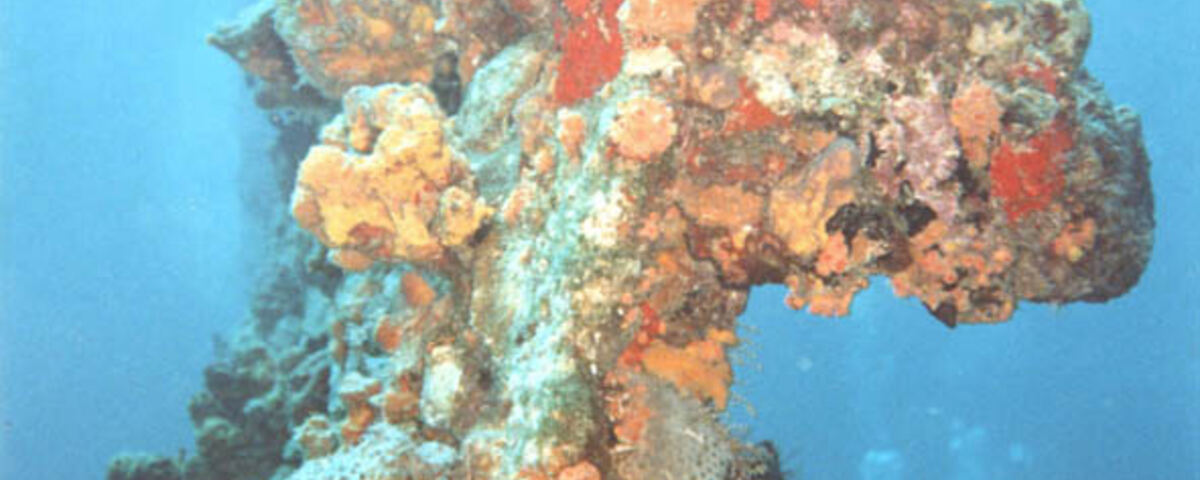
The Alma Jane is a purpose-sunk wreck sitting upright on the sandy bottom off Sabang Beach, and it has become one of the best artificial reef dive sites in the Philippines. The 32-metre wooden-hulled cargo vessel was scuttled in 2003 to create a dive attraction, and in the two decades since, marine life has claimed it so thoroughly that the original vessel structure is barely visible beneath the coral, sponge, and soft coral growth.
The wreck sits upright with a slight list, her keel at about 30 metres and her deck structures reaching up to 18 metres. This depth range puts the entire wreck within comfortable recreational diving limits, making it accessible to intermediate divers without the specialised training or gas management that deeper wrecks require. You can swim around the hull, explore the deck, peer into the holds, and circumnavigate the entire wreck on a single tank.
What sets the Alma Jane apart from many purpose-sunk wrecks is the speed and completeness of the colonisation. The warm, nutrient-rich waters of the Verde Island Passage have transformed the hull into a functioning reef ecosystem. Soft coral covers the superstructure in vivid colours. Hard coral has established on the horizontal surfaces. Schools of fish swirl around the masts and rigging. The wreck no longer looks artificial; it looks like a natural reef that happens to be ship-shaped.
The wreck's location in the Verde Island Passage, the marine biodiversity hotspot between Luzon and Mindoro, means the species colonising the hull are drawn from one of the richest marine communities on the planet. The fish diversity on and around the wreck is exceptional for an artificial reef, and it continues to increase as the structure matures.
Puerto Galera's easy accessibility from Manila (about 3 hours including the ferry crossing) makes the Alma Jane one of the most convenient wreck dives in Southeast Asia. For divers visiting the Philippines on a short trip, it delivers a quality wreck experience without requiring the logistics or expense of more remote destinations.
The decision to scuttle the Alma Jane was a collaboration between the local dive operators and the municipal government, recognising that a purpose-sunk wreck could diversify Puerto Galera's dive offerings beyond its natural reef sites. The success of the project has been documented in multiple studies as a model for artificial reef creation in tropical waters.
Marine Life at Alma Jane (Wreck)
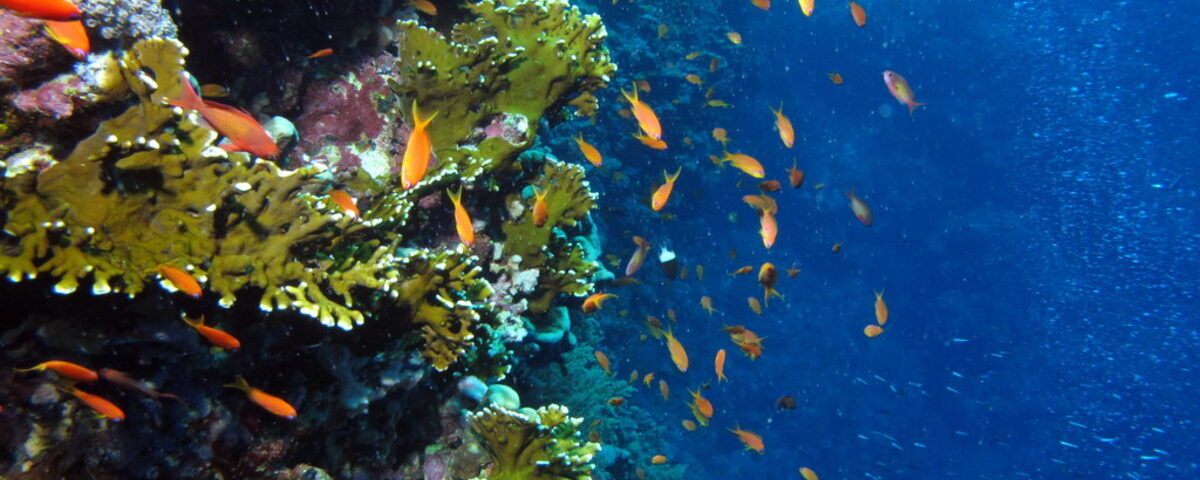
The wreck's superstructure is draped in soft coral that gives the vessel a colourful, organic appearance. Sea fans extend from the rails and masts, their shapes silhouetted against the blue water above. Hard coral has colonised the flat surfaces of the deck, and sponges cover the hull plates in patchwork patterns. The overall effect is of a vessel being slowly absorbed by the reef.
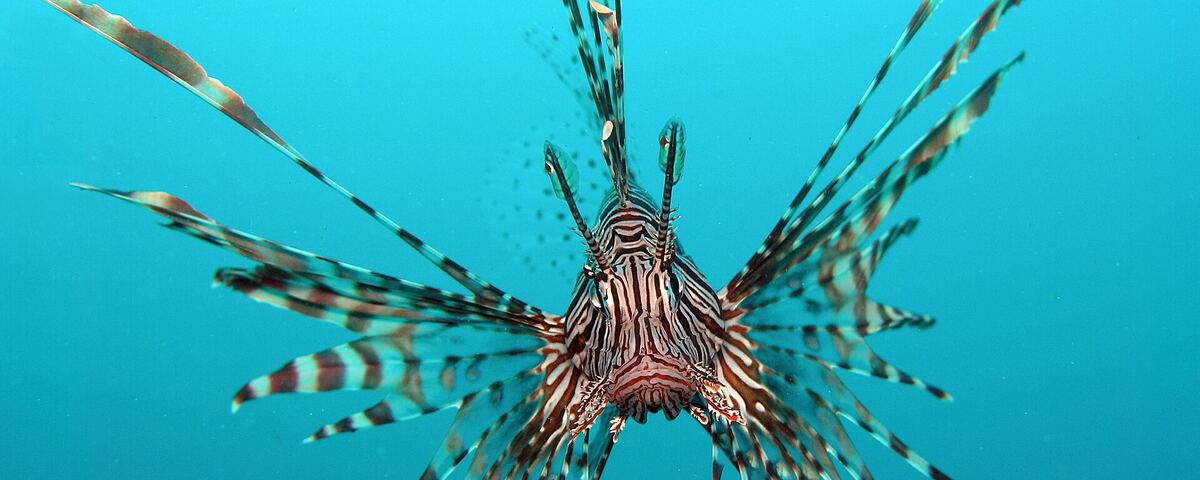
Schools of batfish hover around the masts and rigging, their flat bodies catching the light as they turn. Sweetlips shelter under the overhanging structures, and snappers pack the spaces around the holds. Lionfish position themselves at the edges of the wreck's structures, using the shelter for ambush hunting.
The holds are accessible for external viewing, and looking down into the cargo spaces reveals moray eels, groupers, and schools of glassfish that use the enclosed spaces for shelter. Penetration is possible for trained wreck divers, though the wooden structure has deteriorated in places and care is needed.
The sandy bottom around the wreck hosts blue-spotted stingrays, flounder, and various shrimp species. The wreck's shadow creates a zone where pelagic fish sometimes pass, and trevally hunting around the structure are a common sight.
Nudibranchs and flatworms inhabit the wreck's surfaces, and the sponge coverage provides habitat for commensal shrimp. The macro life on the Alma Jane is surprisingly good for a wreck, reflecting the broader Verde Island Passage biodiversity. Frogfish are occasionally found on the hull, their camouflage matching the encrusted surfaces.
At night, the wreck transforms. Crustaceans emerge from every crevice, hunting octopus patrol the deck, and the bioluminescence of disturbed plankton sometimes creates a glowing halo around the hull. Night dives on the Alma Jane are available through most Puerto Galera operators and well worth scheduling.
The wreck's mast and rigging structures extend upward from the deck, creating vertical habitat that the flat sandy bottom lacks. These elevated structures attract schooling fish that orbit the masts in circular formations, creating classic wreck photography opportunities. The mast tops, reaching to about 18 metres, are often the most active areas for fish aggregation on the whole wreck.
Dive Conditions
The Alma Jane sits on a sandy bottom at about 30 metres, with the deck at 18 to 22 metres. Current is typically mild to moderate, driven by tidal flow through the area. The wreck's position in relatively sheltered water near Sabang Beach means conditions are generally predictable.
Visibility ranges from 10 to 25 metres, best during the dry season (November to May). The sandy bottom can reduce visibility if divers descend too fast and stir up sediment, so controlled descents are important.
Water temperature is 26 to 29 degrees, comfortable in a 3mm wetsuit. The deeper sections of the wreck (below 25 metres) can feel cooler due to thermoclines.
The upright position and intact structure make navigation straightforward. The wreck can be circumnavigated at deck level in about 20 minutes, leaving time for closer exploration of specific features. The bow, stern, and mast areas are the most photogenic sections.
Intermediate certification is recommended for the depth (deck at 18 to 22 metres, keel at 30 metres). The dive is technically straightforward but the depth requires awareness of air consumption and no-decompression limits. Advanced Open Water or equivalent is ideal.
The wreck sits on a well-established mooring system that protects both the wreck structure and the surrounding seabed from anchor damage. All operators are expected to use the moorings rather than dropping anchor. This system has contributed to the wreck's excellent condition and the healthy reef development on its surfaces.
⚓ Divemaster Notes
The Alma Jane is the dive I recommend to every visitor who asks for one must-do site in Puerto Galera. The wreck delivers a complete experience: the visual drama of a ship structure, the marine life of a thriving reef, and a depth range that lets you spend real time exploring rather than watching your gauges.
I start the dive at the stern, where the soft coral coverage is densest and the batfish congregation is usually at its thickest. From there, I work along the port side to the bow, where the anchor chain disappears into the sand and schools of fusilier orbit the forward mast. The circuit finishes along the starboard side back to the stern, ascending gradually as we go.
For photographers, the Alma Jane is a versatile subject. Wide-angle with the wreck silhouetted against the blue surface above, mid-range for the soft coral details on the superstructure, and macro for the nudibranchs and critters on the hull surfaces. Bring whichever lens you want; there are subjects for everything.
Watch your depth on this dive. The keel at 30 metres is tempting to visit but eats into your no-deco time quickly. I keep most groups at deck level (18 to 22 metres) where the marine life is richest and the dive time is longest. Drop to the sand briefly for the stingrays and the full-hull perspective, but don't linger at depth.
One practical note: the wooden hull has deteriorated over two decades. Some sections are fragile, and pushing against weakened timbers can collapse them. Don't touch the wreck structure, and don't attempt penetration without proper training and a guide who knows the current state of the interior.
How to Get to Alma Jane (Wreck)
The Alma Jane wreck is off Sabang Beach in Puerto Galera, on the northern coast of Mindoro island. Puerto Galera is about 3 hours from Manila, combining a 2-hour drive to Batangas pier with a 1-hour ferry crossing to Puerto Galera.
The wreck is a short boat ride from the Sabang Beach dive operators, typically 10 to 15 minutes. Most Puerto Galera dive shops offer the Alma Jane as a standard site on their daily schedules.
Ferry services from Batangas to Puerto Galera run multiple times daily, with both public ferries and private bangka (outrigger) boats available. Resorts can arrange end-to-end transfers from Manila.
Gear Recommendations
3mm wetsuit. Wide-angle lens for wreck scenes is the priority. Torch for looking into the holds and illuminating the soft coral colours. SMB for ascent. Dive computer with depth and NDL alarms set appropriately for the 30-metre maximum depth. Nitrox beneficial for extending bottom time at the deck-level depth range.
Recommended Dive Operators
Asia Divers in Sabang has decades of experience at the Alma Jane and offers guided wreck dives with knowledgeable staff. Frontier Scuba in Sabang provides reliable service with well-maintained equipment. Action Divers offers wreck specialty training that includes the Alma Jane as a training site. Sabang is compact enough that most operators are within walking distance of each other and dive the same sites.
Liveaboard Options
Puerto Galera is primarily a shore-based destination with resort and beach-front dive operations. Occasional liveaboard itineraries covering the Verde Island Passage may include Puerto Galera sites, but this is uncommon. Most divers visit on multi-day stays at Sabang-based resorts.