Giant Clam Dive Site
Puerto Galera (Mindoro), Philippines · Near Puerto Galera
Overview
Giant Clam is Puerto Galera's gentle introduction, a sheltered bay dive where the star attractions are the enormous tridacna clams that dot the sandy bottom at modest depths. The site sits within Puerto Galera Bay proper, away from the current-swept sites near the Verde Island Passage, in calm water that feels almost lake-like on still days.
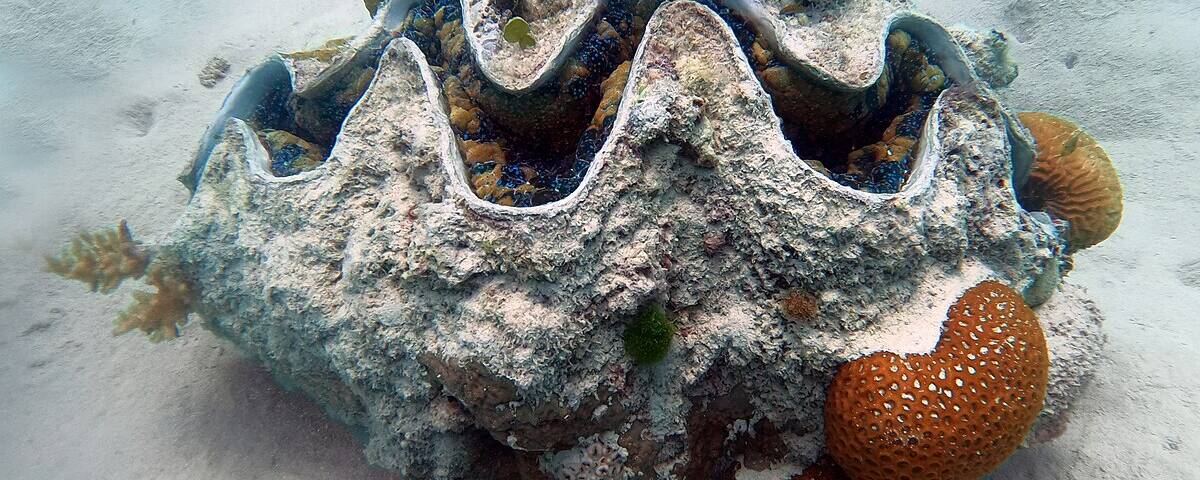
The dive site starts shallow at about 6 metres and slopes gradually to 18 metres, with the giant clams concentrated at 8 to 12 metres on the sandy bottom. These Tridacna gigas specimens can exceed a metre in width, their mantles displaying extraordinary patterns of electric blue, green, and brown. Sensing a diver's shadow or vibration, they slowly close their shells, a defensive reaction that reveals the animal's impressive mass and muscle.
Giant Clam works brilliantly as a muck dive too. The sandy bottom between the clams hosts the critter life that Puerto Galera's position on the Verde Island Passage provides. Crocodilefish lie flat against the substrate, flamboyant cuttlefish walk across the sand on good days, and gobies with their commensal shrimp populate the rubble patches.
The site's zero-current conditions make it ideal for training dives, introductory dives, and divers building their confidence. Several operators use Giant Clam as their Discover Scuba Diving location, which works perfectly: the giant clams provide a genuine wow moment for first-timers at depths safely within introductory limits.
The coral reef sections surrounding the clam field support standard tropical fish communities. The health is moderate, with some areas showing impact from past development, but the overall experience is pleasant if not spectacular. The clams themselves are the draw, not the reef.
Giant Clam is also one of Puerto Galera's best night dive locations. After dark, the sandy bottom comes alive with hunting octopus, foraging crabs, and the nocturnal crustacean community. The giant clams themselves take on a different appearance at night, their mantles retracted and their pale shells prominent in the torchlight.
The limitation is obvious: if you've seen giant clams before (they're common at many Indo-Pacific sites), this dive's unique appeal diminishes. The reef diving is competent but not exceptional, and the site lacks the dramatic topography or pelagic encounters that Puerto Galera's more exposed sites provide.
The giant clams at this site have been growing for decades, possibly longer. Tridacna gigas is the largest living bivalve species, and specimens at this site represent years of undisturbed growth. Their conservation status (vulnerable on the IUCN Red List) adds significance to the encounter: these are animals that have been over-harvested elsewhere in the Philippines and throughout their range. Seeing them healthy and numerous at this site is genuinely encouraging.
The bay position means Giant Clam avoids the current issues that affect the passage-facing sites like the Canyons and Verde Island. This makes it a reliable option when weather or current conditions shut down the more exposed locations. Most operators have Giant Clam as a backup plan, though it deserves to be experienced as a primary choice rather than a consolation prize.
Marine Life at Giant Clam
Giant tridacna clams are the main attraction. These enormous bivalves, some exceeding 100 centimetres across, sit on the sandy bottom with their mantles exposed. The mantle patterns are extraordinary: iridescent blues, greens, and browns created by zooxanthellae algae in the tissue. Each clam has a unique pattern, and the colour intensity is most vivid in bright ambient light.
Crocodilefish are common on the sandy substrate, their flat bodies and elaborate camouflage making them challenging to spot. Once identified, they're cooperative photographic subjects, remaining motionless unless closely approached.
The muck diving opportunities include gobies with commensal shrimp on the rubble patches, mantis shrimp at burrow entrances, and the occasional frogfish on sponges or debris. Flamboyant cuttlefish are recorded seasonally, their walking behaviour and colour displays providing unforgettable encounters.
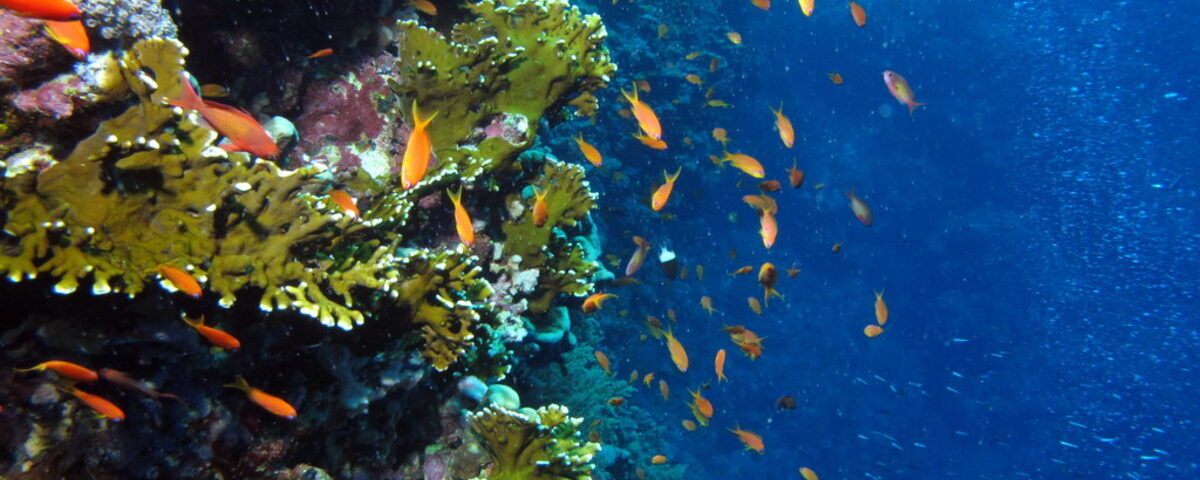
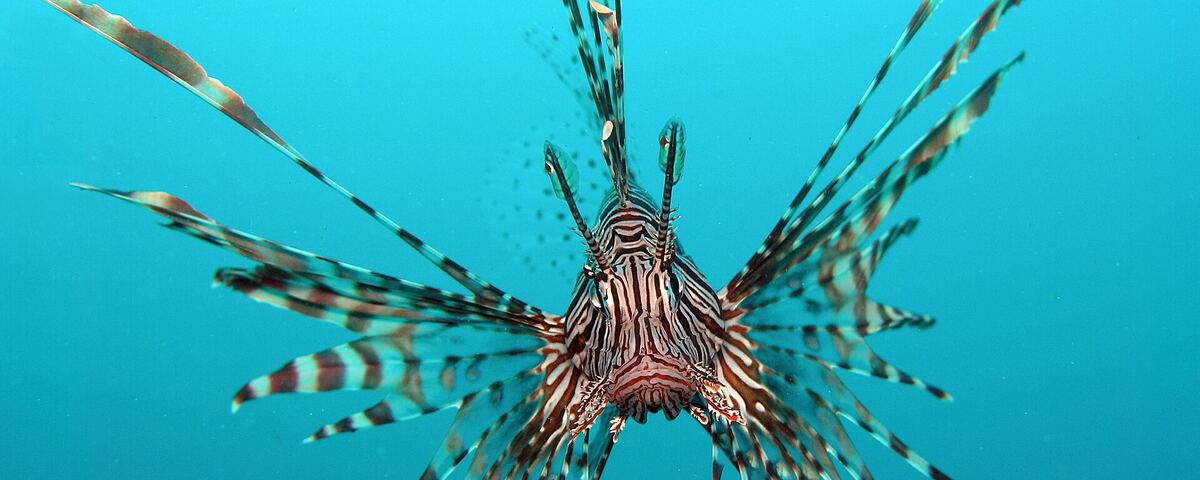
The reef sections host a healthy community of small reef fish. Clownfish in anemones, butterflyfish, wrasse, and damselfish populate the coral areas. Lionfish patrol the overhangs, and nudibranchs are present on the coral surfaces.
Starfish are common on the sandy bottom, including the blue sea star that's a popular photographic subject. Sea cucumbers process the sand. The invertebrate community is active and visible, making the site productive for patient divers who work the sandy areas rather than rushing between coral heads.
At night, the site transforms. Hunting octopus move across the bottom with purpose, hermit crabs emerge from shells to forage, and sleeping fish lie motionless on the reef. The giant clams retract their mantles at night, their shells pale against the dark sand.
The clams' zooxanthellae algae (the microscopic organisms that give the mantle its colour) respond to light intensity, creating colour variations throughout the day. Morning dives with bright sun produce the most vivid mantle colours, while cloudy conditions mute the palette. The variation means repeat visits reveal different aspects of the same animals.
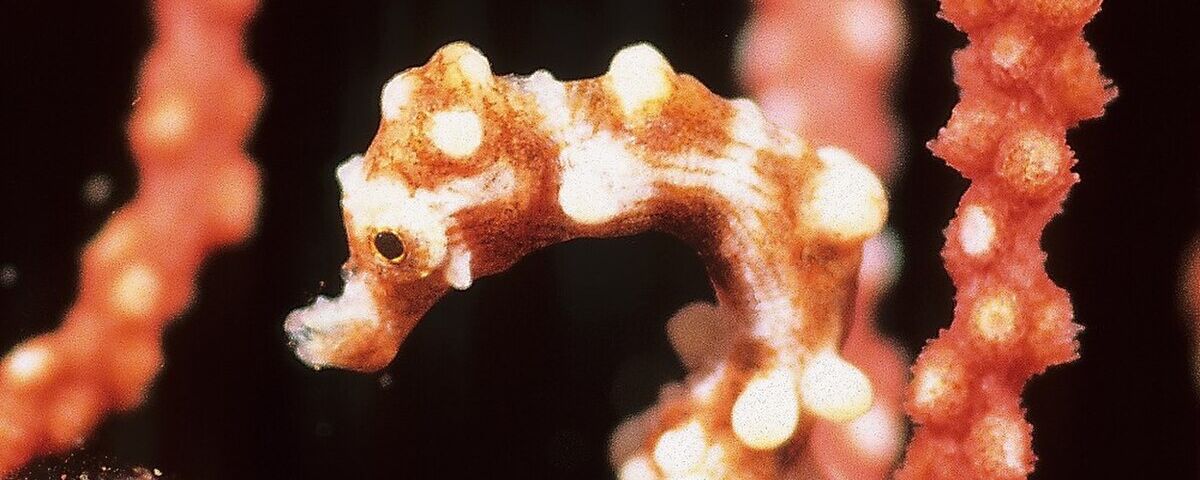
Pipefish, both the double-ended and the ghost varieties, are found in the debris and sparse coral sections between the clam field and the reef. Their slender bodies hover vertically, making them challenging to spot without guide assistance.
Dive Conditions
Giant Clam is one of the calmest dive sites in Puerto Galera. Current is typically mild to non-existent, with the bay position providing shelter from tidal flow. The site is diveable year-round in almost any conditions.
Visibility ranges from 8 to 20 metres, with the bay water sometimes trapping suspended sediment. After heavy rain, run-off can reduce clarity temporarily. For close-up work with the clams, the visibility is rarely a limiting factor.
Water temperature is 26 to 29 degrees year-round. A 3mm wetsuit or rashguard is sufficient.
The gentle slope from 6 to 18 metres provides a profile with unlimited practical bottom time. Dives of 60 to 70 minutes are standard, limited by air supply only.
Entry is by banca, with a short ride from the Sabang or Puerto Galera town pier. The site can also be accessed from certain beachside locations as a shore dive.
Genuinely suitable for all levels, including first-time divers on introductory programmes.
The bay's sheltered position means this site is available when rougher conditions close the passage-facing dive sites. Operators often use Giant Clam as a backup option, but it genuinely deserves to be scheduled as a primary dive, particularly for groups with mixed experience levels or non-diving companions who want to snorkel.
The sandy bottom can reduce visibility when disturbed, so maintaining proper fin technique is important. Hover above the clams rather than kneeling beside them, and use frog kicks to minimise sand disturbance for the divers behind you.
⚓ Divemaster Notes
Giant Clam is where I take people on their first ever dive. The conditions are so forgiving that I can focus entirely on the new diver's comfort rather than managing environmental factors. And the giant clams provide a moment of genuine wonder that hooks people on diving.
The clams' closing response is predictable and entertaining. I tell new divers to wave their hand slowly over a clam's mantle and watch the massive shell begin to close. It happens in slow motion, which gives them time to appreciate the animal's size and power. I also emphasise that the clams are protected and should never be touched.
For experienced divers, I run Giant Clam as a muck dive, ignoring the clams almost entirely and focusing on the critter life in the sand and rubble. The crocodilefish are always there, and on a good day the flamboyant cuttlefish make this dive exceptional despite its modest appearance.
Night dives at Giant Clam are underappreciated. The sandy bottom reveals a nocturnal community that's completely hidden during the day. I've found bobbit worms here (which terrify and fascinate in equal measure), plus the usual night hunting cast of octopus, crabs, and shrimp. The conditions are ideal for night diving: no current, shallow, easy navigation.
The one thing I always do on a Giant Clam dive is check the size of each clam specimen I pass. The biggest one I've recorded was about 120 centimetres across. There's a quiet competition among guides to find the largest individual, which adds a game element to a familiar site.
How to Get to Giant Clam
Giant Clam sits within Puerto Galera Bay, about 5 to 10 minutes by banca from Sabang or the town pier. Puerto Galera is on Mindoro's northern coast, reached by ferry from Batangas City (approximately 1.5 hours). Batangas City is about 2 hours from Manila.
The site is available year-round and is included in most operators' standard site lists. No special arrangements needed beyond standard dive booking.
Gear Recommendations
Minimal gear needed. 3mm wetsuit or rashguard. Camera with either macro (for critters and clam mantle close-ups) or wide-angle (for clam-and-diver compositions). Torch for night dives and for illuminating the clams' mantle colours. No SMB needed. No Nitrox needed.
Recommended Dive Operators
Asia Divers includes Giant Clam in their beginner and night dive programmes. BADLADZ Scuba Diving runs good introductory dives at the site. Action Divers provides experienced guiding. El Galleon Dive Resort offers the site as part of their comprehensive Puerto Galera dive menu.
Liveaboard Options
Giant Clam is a shore-based dive in Puerto Galera Bay. No liveaboard operations anchor specifically for this site.