Monkey Beach Dive Site
Puerto Galera (Mindoro), Philippines · Near Puerto Galera
Overview
Monkey Beach is Puerto Galera's macro jewel, a sheltered reef slope east of Sabang that packs an extraordinary density of small marine life into a dive that rarely exceeds 18 metres. Named after the monkeys that inhabit the forested hillside above, the site is everything Puerto Galera does well: accessible, critter-rich, and consistently rewarding regardless of conditions.
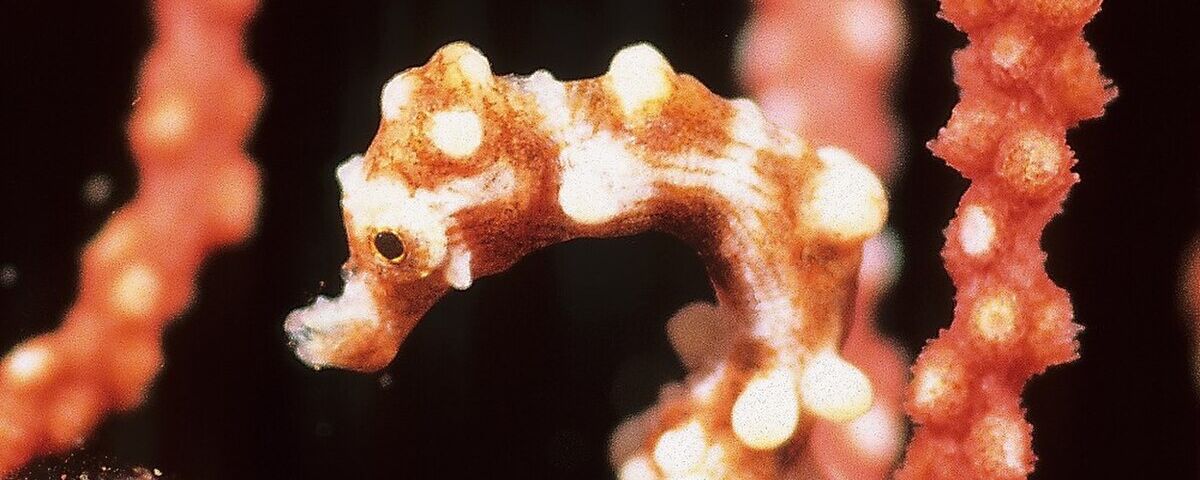
The reef slopes gently from about 5 metres to 18 metres, with a mix of coral, sea fans, and rubble substrate. The site's claim to fame is its gorgonian sea fans, which host multiple pygmy seahorse specimens. On a single large fan, a patient guide can point out 3 or 4 individuals, each barely 1.5 centimetres long and perfectly colour-matched to their host. Monkey Beach is one of the most reliable pygmy seahorse sites in the Philippines.
Beyond the pygmy seahorses, Monkey Beach delivers the full Puerto Galera macro experience. Nudibranchs in excellent variety populate the coral surfaces. Ghost pipefish appear seasonally. Frogfish lurk in the sponges and rubble. The site's sheltered position means conditions are almost always suitable for the precise, stationary diving that macro photography demands.
The dive is close to Sabang, Puerto Galera's diving hub. The banca ride takes less than 10 minutes, putting Monkey Beach among the most accessible sites in the area. This convenience means it's frequently used as a check dive, an afternoon relaxation dive, or a dedicated macro photography session.
Puerto Galera's position on the Verde Island Passage, identified by marine scientists as the centre of the centre of marine shore fish biodiversity, means even this modest-looking reef supports an impressive species count. The passage's currents bring nutrient-rich water that feeds the small stuff, which in turn supports the predators, which creates the food web that makes the area so productive.
The limitation is scale. Monkey Beach is a small site with a limited depth range. Divers seeking dramatic topography, big pelagics, or challenging conditions should head to the Canyons or Verde Island. Monkey Beach is for the macro devotees, the photographers, and anyone who appreciates the extraordinary detail hidden in an ordinary-looking reef.
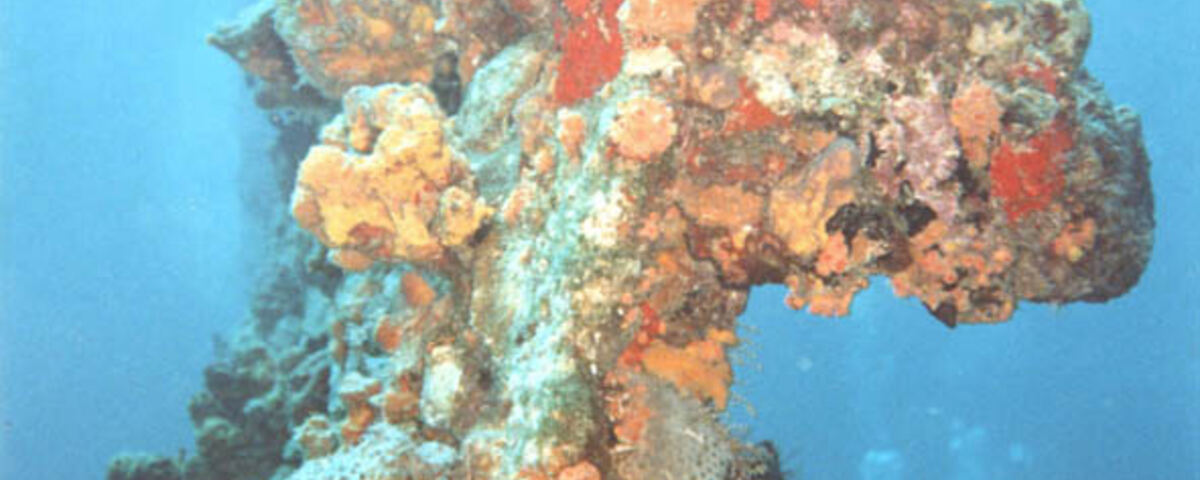
The reef structure at Monkey Beach includes scattered coral bommies rising from a sandy slope, with the gaps between bommies hosting their own micro-communities. The bommies function as individual reef systems, each with resident fish, invertebrates, and the critter species that macro photographers seek. A single bommie can occupy a photographer for 15 to 20 minutes, which makes the site feel much larger than its physical dimensions suggest.
Puerto Galera's diving infrastructure has matured over decades, and Monkey Beach benefits from this institutional knowledge. Guides have been working the same reef for years, sometimes decades, and their accumulated species records mean they can often predict what will be where on any given dive. This guide knowledge is arguably the most valuable resource at the site.
Marine Life at Monkey Beach
Pygmy seahorses are the headline attraction. Bargibant's pygmy seahorse and Denise's pygmy seahorse have both been documented on the site's gorgonian fans. These tiny fish (under 2 centimetres) match their host fan's colour and texture so precisely that finding them without guide assistance is nearly impossible. Once located, they're surprisingly photogenic, remaining on their fan while photographers work.
Nudibranchs populate the reef in impressive variety. The mix includes common chromodoris species alongside rarer specimens that excite experienced macro photographers. Flatworms share the same surfaces, and distinguishing between the two groups is part of the learning experience for newer divers.
Ghost pipefish appear seasonally, typically during the cooler months when plankton productivity increases. The ornate ghost pipefish, with its elaborate leaf-like appendages, is the most sought-after species. Robust ghost pipefish, larger and more colourful, are found more consistently.
Frogfish occupy the rubble and sponge areas, their camouflage rendering them invisible to the untrained eye. Painted frogfish and warty frogfish are the most common species. Their yawning behaviour and occasional hunting strikes provide dramatic photographic moments.
The gorgonian fans themselves are worth appreciating as structures. Some span over a metre and host entire communities: commensal shrimp, crinoid fish, basket stars, and the pygmy seahorses that made them famous. A single fan can occupy a photographer for the entire dive.
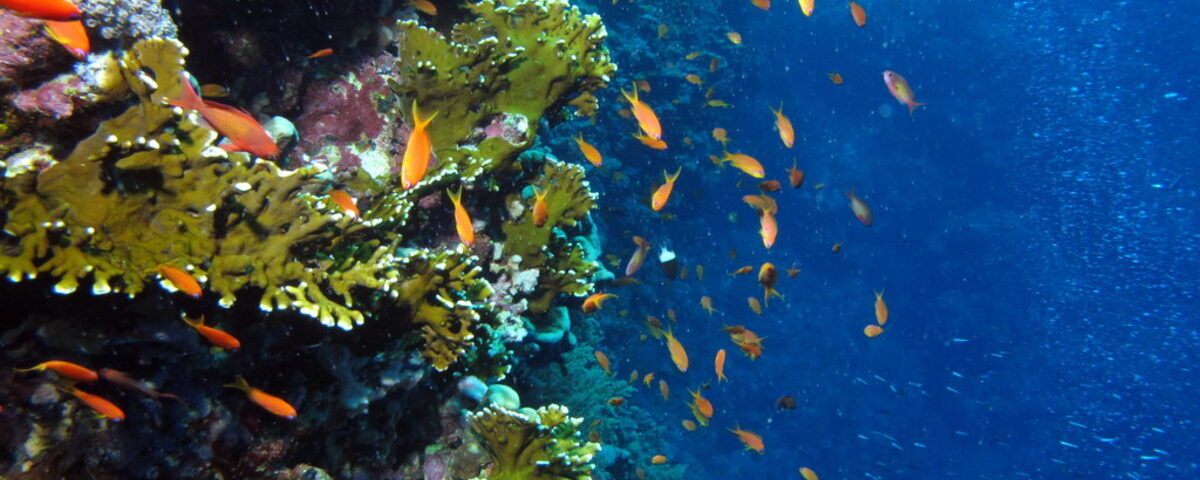
Reef fish populate the coral areas in the standard Puerto Galera mix. Clownfish in anemones, damselfish defending territories, butterflyfish in pairs, and schools of anthias over the coral heads. The fish community is healthy and provides pleasant background activity between macro subjects.
Mantis shrimp occupy burrows in the rubble sections, their colourful compound eyes visible at the burrow entrance. These aggressive predators can deliver a strike that's among the fastest movements in the animal kingdom, which makes observing them from a respectful distance the prudent approach.
Crinoids in multiple colour variations decorate the sea fans and coral outcrops, hosting commensal species (shrimp, squat lobsters, crinoid fish) that match their host's colouration. Each crinoid is worth a close inspection for these hidden residents.
Dive Conditions
Monkey Beach is one of Puerto Galera's calmest dive sites. Current is typically mild, sheltered by the surrounding coastline from the stronger flows that affect sites like the Canyons. The site is diveable year-round, with conditions rarely preventing access.
Visibility ranges from 10 to 25 metres, with the clearer conditions during the dry season (November to May). The sheltered bay water can trap sediment after heavy rain, temporarily reducing clarity.
Water temperature is 26 to 29 degrees year-round. A 3mm wetsuit is sufficient.
The gentle slope from 5 to 18 metres provides a comfortable depth profile with generous no-decompression limits. Dives commonly last 60 to 70 minutes, constrained by air supply rather than bottom time.
Entry is by banca, with a short ride from Sabang. The site suits all certification levels, from introductory dives to experienced macro photographers seeking specific subjects.
The sheltered bay position means surface conditions are almost always calm, making the short banca ride comfortable. Seas can become choppy during the southwest monsoon (June to October), but the site remains accessible in most conditions.
The reef's sandy substrate between the bommies requires careful fin technique. Flutter kicks raise sand clouds that reduce visibility for divers behind you. Frog kicks or modified flutter kicks keep the sand settled and the visibility intact.
⚓ Divemaster Notes
Monkey Beach is my photographer's workshop. When a guest arrives with a macro rig and asks where to test their setup, this is where we go. The calm conditions mean camera adjustments happen underwater without fighting current, and the pygmy seahorses provide a challenging but rewarding first subject.
The main gorgonian fans with the known pygmy seahorse populations are at about 12 to 15 metres on the eastern side of the site. I check these fans every few days because the seahorses can relocate. Currently, the largest fan at 14 metres hosts 3 specimens that have been resident for several months.
I run the dive as a slow meander along the reef, stopping at each notable subject for photography time. There's no rush. The site is small enough that you can cover everything interesting in 60 minutes while spending 5 to 10 minutes at each major stop.
For non-photographers, I focus on the behaviour aspect: watching the goby-shrimp partnerships, observing the clownfish territorial displays, and finding the camouflaged scorpionfish. The critter life at Monkey Beach tells stories if you have a guide willing to narrate.
The monkeys on the hillside above occasionally make their presence known through loud vocalisation during the surface interval. They don't affect the diving, but they're the reason for the name and add character to the site description.
The monkeys on the hillside are long-tailed macaques, and while they're entertaining to watch from the boat, they can be aggressive if you bring food ashore. The dive site was named because the monkeys are visible from the water surface, not because they interact with divers. But the name gives the site character and makes it memorable for guests reviewing their logbooks months later.
How to Get to Monkey Beach
Monkey Beach is east of Sabang, less than 10 minutes by banca from Puerto Galera's dive centre strip. Puerto Galera is on the northern coast of Mindoro Island, reached by ferry from Batangas City (approximately 1.5 hours). Batangas City is about 2 hours from Manila by road.
The main ferry services operate from Batangas Pier to Muelle or Sabang piers in Puerto Galera. Some operators offer speedboat transfers that cut the crossing time in half.
Most Puerto Galera dive centres include Monkey Beach in their standard site rotation. It's available year-round.
Gear Recommendations
3mm wetsuit. Macro lens (60mm or 100mm equivalent) is essential for the pygmy seahorses. Dual macro strobes. Focus light for autofocus assistance. Pointer stick for stabilisation. No SMB needed for the shallow profile. No Nitrox needed.
Recommended Dive Operators
Asia Divers Puerto Galera is one of the longest-established operations with experienced macro guides. Action Divers provides good critter-finding support. El Galleon Dive Resort combines accommodation with a full-service dive operation. Frontier Scuba offers small-group diving from Sabang.
Liveaboard Options
Puerto Galera is primarily a land-based diving destination, with dive centres along the Sabang and Small La Laguna Beach strips. Liveaboards occasionally visit the Verde Island Passage area but don't specifically anchor at Monkey Beach.