Sabang Wrecks Dive Site
Puerto Galera (Mindoro), Philippines · Near Puerto Galera
Overview
Sabang Wrecks is a collection of three small vessels scuttled in the sandy bay off Sabang Beach, sitting at depths accessible to newly certified divers. Where the Alma Jane demands intermediate skills and the deeper profiles that come with a 30-metre wreck, the Sabang Wrecks group offers wreck diving at 8 to 18 metres in sheltered water with negligible current. It's wreck diving with the intimidation removed.
The three wrecks sit within easy swimming distance of each other on the sandy bottom: a small fishing boat at about 8 metres, a slightly larger vessel at 12 metres, and the biggest of the trio at around 18 metres. Together they create a multi-wreck dive that progresses naturally from shallow to deep, allowing divers to manage their profiles comfortably while visiting all three structures on a single tank.
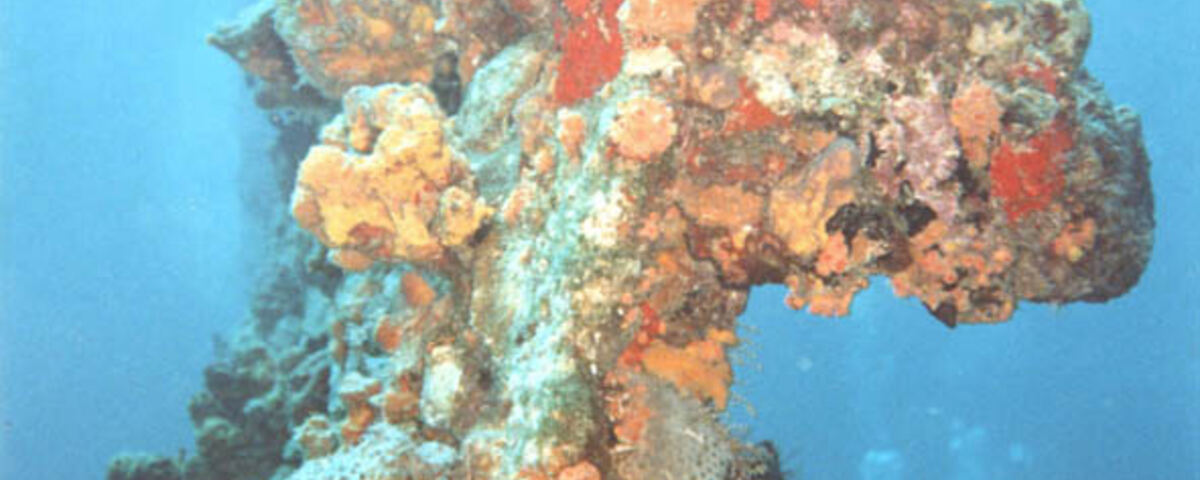
Each wreck has been colonised by marine life to varying degrees, with the oldest showing the most advanced reef development. The shallowest wreck has become a nursery habitat, with juvenile fish sheltering in and around the structure in significant numbers. The mid-depth wreck hosts the densest coral growth. The deepest wreck is the most intact structurally and the most atmospheric, with moray eels, lionfish, and resident groupers occupying the interior spaces.
Sabang Wrecks is used extensively for training dives. The PADI Advanced Open Water wreck dive, Deep Diver specialty, and Wreck Diver specialty all use these wrecks as training sites. This means the wrecks are frequently dived and the guides know every feature, but it also means you may share the site with student groups. Mid-week visits tend to be quieter.
The site's value extends beyond training. For experienced divers, the Sabang Wrecks offer a relaxed alternative to Puerto Galera's current-intensive reef sites. The shallow depths allow long dives, the sheltered conditions permit unhurried exploration, and the wreck structures provide photographic subjects that vary from wide-angle hull shots to macro subjects on the encrusted surfaces.
The Sabang Wrecks also serve as a research site for studies on artificial reef colonisation in tropical waters. Researchers have documented the successional process as the wrecks transformed from bare steel and wood to functioning reef ecosystems, providing data on how marine life establishes on human-made structures. The oldest wreck in the group shows the most advanced ecological development, with a species community approaching that of natural reefs of similar depth.
Marine Life at Sabang Wrecks
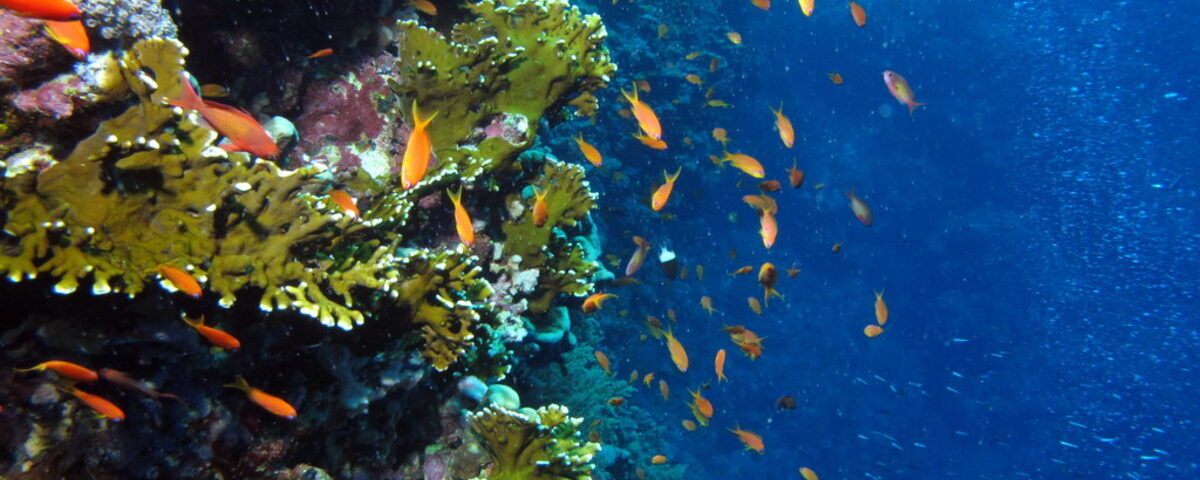
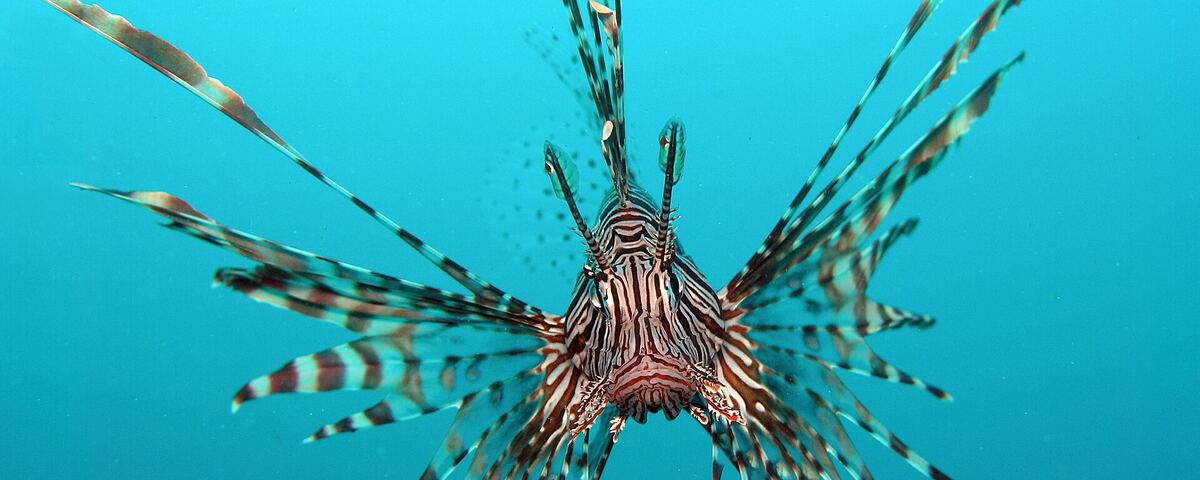
The three wrecks collectively support a rich fish community. Schools of cardinalfish hover around the structures in shimmering clouds. Batfish patrol the mid-water near the larger wreck. Sweetlips rest under the overhanging structures during the day. Lionfish position themselves at the edges of the wreck openings, their spines fanned out in their characteristic hunting posture.
Moray eels occupy crevices and openings in all three wrecks, with giant moray and snowflake moray both common. Groupers of several species lurk in the interior spaces, some grown large enough that they clearly consider the wrecks permanent territory. Schools of juvenile fish swirl around the structures, using the wrecks as shelter from predators.
The encrusting growth on the wrecks includes soft coral, sponges, tunicates, and algae. Hard coral has established on the horizontal surfaces of the older wrecks. Nudibranchs crawl on the encrusted surfaces, and commensal shrimp inhabit the sponge growth. The macro life is modest compared to dedicated critter sites but adds interest for slow-paced explorers.
The sandy bottom between the wrecks hosts blue-spotted stingrays, flounder, and garden eels in small colonies. Lizardfish rest on the open sand, their ambush hunting strategy keeping them motionless until prey approaches. The swim between wrecks across the open sand provides a change of scenery and a chance to spot bottom-dwelling species.
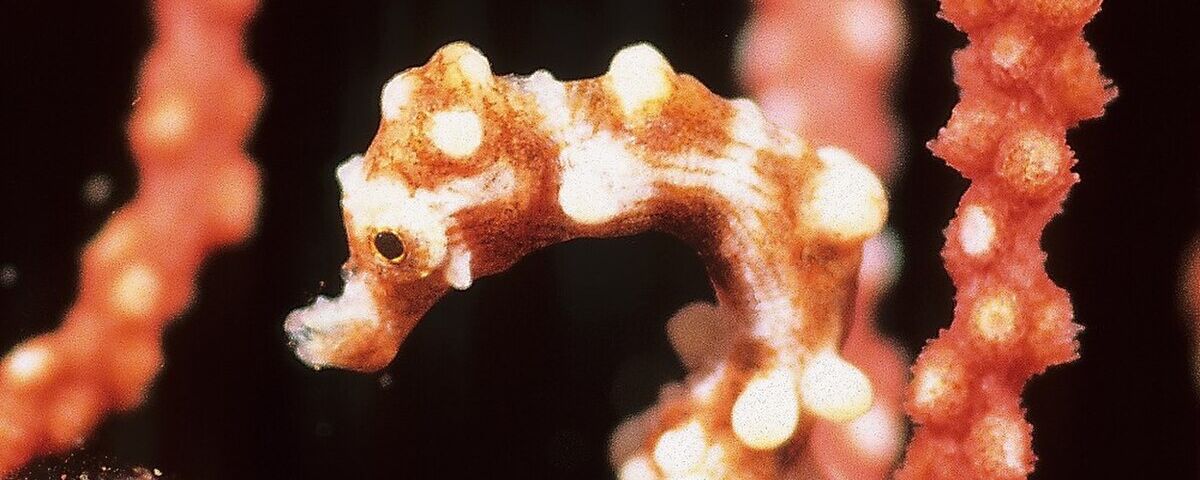
Frogfish are occasionally found on the wreck surfaces, particularly on the sponge-covered sections of the larger vessel. Their camouflage against the encrusted hull makes them difficult to spot without a guide's assistance. Seahorses have been reported clinging to debris near the wrecks, though sightings are less reliable than at dedicated macro sites.
The swim between the three wrecks crosses sandy bottom that hosts its own community of burrowing and sand-dwelling species. Razorfish hover in small groups above the sand, retreating headfirst into narrow crevices when approached. Shrimp gobies share burrows with their partner alpheid shrimps, the goby acting as lookout while the shrimp maintains the burrow. These sand-dwelling partnerships are easily observed on the swim between wrecks if you hover above the sand at a comfortable distance.
Boxfish and pufferfish are common residents of the wreck structures, their slow, hovering swimming style making them easy to observe and photograph. The larger porcupinefish shelter under wreck overhangs during the day, their big eyes tracking approaching divers with what appears to be curiosity. Trumpetfish hang vertically near the masts, attempting to blend with the vertical structures while they ambush passing prey.
Dive Conditions
Sabang Wrecks sits in the sheltered bay off Sabang Beach, protected from the currents that affect the more exposed sites in Puerto Galera. Current is typically mild, rarely more than a gentle drift. The sandy bottom and sheltered position create some of the calmest dive conditions in the area.
Visibility ranges from 8 to 20 metres, occasionally affected by sediment from the beach and rain run-off. The wreck structures are close enough together that you can see the next wreck from the current one in average visibility conditions.
Water temperature is 26 to 29 degrees. A 3mm wetsuit or even a rash guard is sufficient for the shallow sections. The maximum depth of 18 metres is within Open Water diver limits, making this site accessible to the broadest range of certified divers.
The sandy bottom and calm conditions make buoyancy practice comfortable, which is partly why the site is so popular for training dives. The absence of current removes the need for drift management skills, and the multiple wreck structures provide natural navigation waypoints.
Night diving at Sabang Wrecks is popular and straightforward. The sheltered conditions and clear navigation make night diving accessible even for divers without extensive night diving experience. The wrecks come alive after dark with hunting crustaceans and emerging nocturnal fish.
⚓ Divemaster Notes
Sabang Wrecks is my default site for divers doing their first wreck dive or their first dive of the trip. The shallow depth, calm conditions, and simple navigation let people focus on the experience rather than the logistics.
I run the dive as a progression: shallowest wreck first, then the middle wreck, finishing at the deepest wreck before ascending along the sand slope for the safety stop. This means the deepest part of the dive comes when divers are most comfortable and their buoyancy is dialled in.
The shallowest wreck (8 metres) is the best for photography on a clear day. Natural light penetrates well at this depth, and the wreck structure creates nice silhouettes against the surface. The cardinalfish clouds around this wreck photograph beautifully with natural light.
For night diving, I bring the group to the deepest wreck first (the one with the most moray eels and resident groupers) and work our way shallower. The hunting behaviour of the octopus that come out after dark is the highlight. They drape themselves over the wreck surfaces like liquid, changing colour constantly as they search for prey.
One thing I always brief: don't touch the wrecks. The structures are deteriorating and may have sharp edges from corrosion. More importantly, the marine growth on the surfaces is fragile and takes years to establish. A careless hand can destroy months of coral development in a second.
For photographers, the three wrecks offer three different lighting conditions. The shallowest wreck gets the most natural light and is best for ambient-light shooting. The mid-depth wreck requires some strobe work for colour. The deepest wreck is dark enough that strobes are essential. Planning your lighting setup for the target wreck depth saves time underwater and produces better results.
How to Get to Sabang Wrecks
Sabang Wrecks is directly off Sabang Beach in Puerto Galera, accessible by a short boat ride of 5 to 10 minutes from the beach-front dive operators. Some operators offer shore entry when conditions permit.
Puerto Galera is reached from Manila by road to Batangas (about 2 hours) and ferry to Puerto Galera (about 1 hour). Multiple ferry services operate daily.
Sabang is the diving centre of Puerto Galera, with numerous dive shops, restaurants, and accommodation options clustered along the beach. The compact area makes it easy to compare operators and book.
Gear Recommendations
3mm wetsuit or rash guard for the warm, shallow water. Wide-angle lens for wreck silhouette shots. Torch for looking into wreck interiors and essential for night dives. No current management or deep diving equipment needed. Standard tropical dive setup is sufficient.
Recommended Dive Operators
Asia Divers on Sabang Beach offers professional guided dives to the Sabang Wrecks with decades of local experience. Frontier Scuba provides reliable service and uses the wrecks for specialty training courses. Action Divers specialises in wreck diving courses and knows the interior layouts. Sabang Inn Dive Centre sits directly on the beach with the shortest boat ride to the wrecks.
Liveaboard Options
Puerto Galera is a shore-based destination. The Sabang Wrecks are accessed by day-trip boat diving from Sabang Beach operators. No liveaboard operations specifically serve this site.