Koh Bon Dive Site
Similan Islands (Andaman Sea), Thailand · Near Khao Lak
Overview
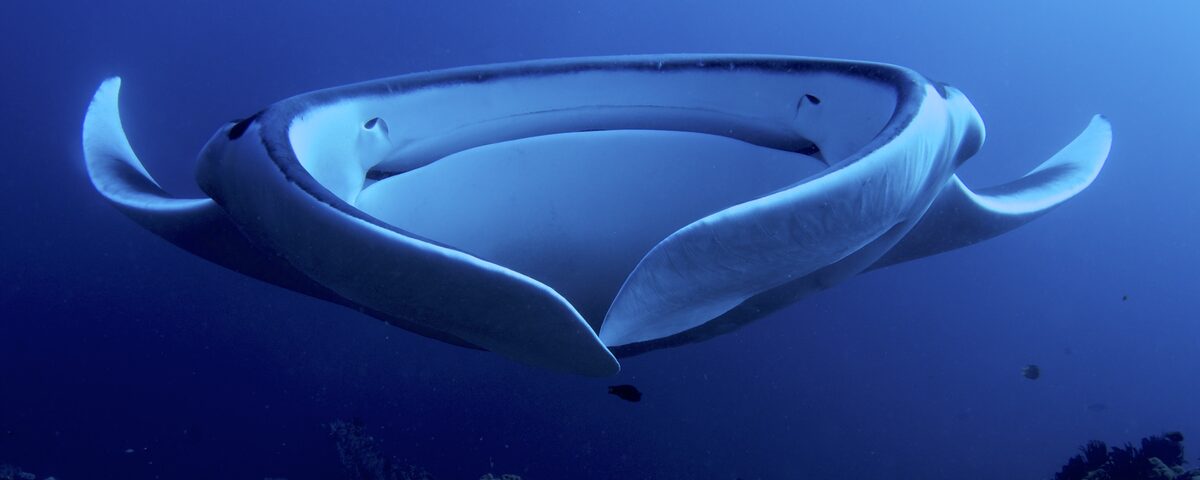
Koh Bon is the Similan Islands' manta ray cleaning station, and when the mantas are in, there is nothing in Thailand that competes with it. The western ridge of this small island drops into deep water where oceanic manta rays come to be cleaned by wrasse on the rocky outcrops between 15 and 25 metres. These are not reef mantas; they are the larger oceanic species, some exceeding 4 metres in wingspan, and they arrive with a presence that changes the entire character of a dive.
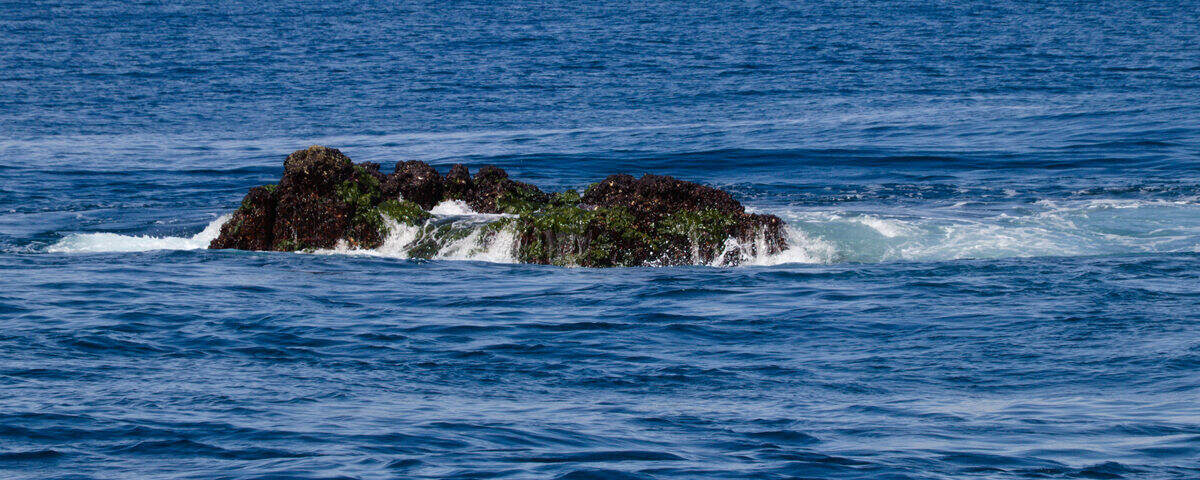
The island sits between the main Similan group and Richelieu Rock, making it a natural stop on liveaboard itineraries heading north. The dive site wraps around the western point and southern face, where a rocky ridge descends from the island's base into deep water. The ridge's structure creates the cleaning stations that the mantas use, and the current flowing past the island brings the nutrients that sustain the cleaner fish community.
Manta encounters at Koh Bon follow a seasonal pattern. The peak runs from December to April, with February and March typically the most productive months. During this period, mantas visit the cleaning stations with enough regularity that multi-dive visits almost always produce at least one encounter. Some days produce extended sessions where a manta circles the cleaning station repeatedly for 20 minutes or more, hovering over the rocky outcrop while cleaner wrasse attend to parasites.
Outside of manta season, Koh Bon remains a solid dive. The reef health is excellent, with hard coral coverage on the shallower sections and sea fans on the deeper walls. Leopard sharks rest on the sandy patches. Schools of fusilier and snapper stream along the ridge. It is a good dive without the mantas and an exceptional dive with them.
The limitation is current. Koh Bon's exposed position means the site can experience strong flow, particularly on the western point where the mantas congregate. On high-current days, reaching the cleaning stations requires effort, and holding position while a manta approaches demands decent buoyancy and calm nerves.
The reef system at Koh Bon extends beyond the western ridge that hosts the cleaning stations. The southern face of the island features hard coral gardens in excellent condition, with table corals, branching formations, and the reef fish communities that healthy coral supports. The diversity reflects the Andaman Sea's biogeographic richness, with species from the Indian Ocean and Pacific overlapping in this region.
Koh Bon's exposed position means weather and sea state can change rapidly. Liveaboard captains monitor conditions carefully, and some trips bypass Koh Bon entirely if the sea is too rough for safe mooring. This unpredictability is part of the expedition nature of Similan liveaboard diving.
Marine Life at Koh Bon
Oceanic manta rays are the headline. These large rays (typically 3 to 5 metres wingspan) visit the cleaning stations on the western ridge, hovering over rocky outcrops while cleaner wrasse remove parasites from their gill slits and skin. The manta's approach is unmistakable: a dark shape materialising from the blue, growing larger until the full wingspan becomes apparent. Encounters range from brief fly-bys to extended cleaning sessions lasting 20 minutes or more.
Leopard sharks (also called zebra sharks) rest on the sandy patches between the reef structures. These docile sharks, with their distinctive spotted pattern and elongated tail, are reliably found at Koh Bon during the season. They typically remain motionless on the sand, allowing close observation.
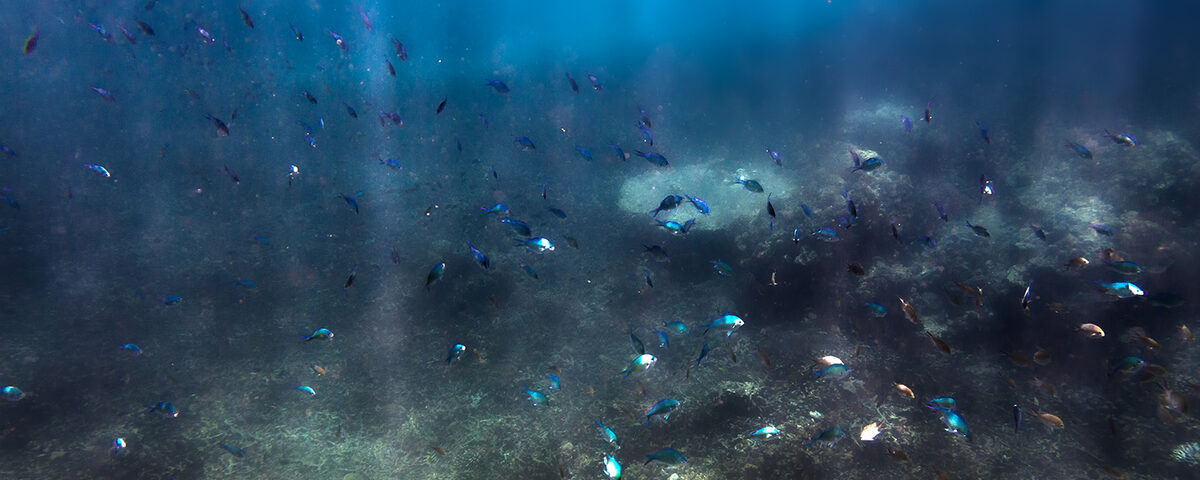
The reef supports healthy hard coral on the upper sections and gorgonian fans on the deeper walls. Schools of fusilier, snapper, and surgeonfish stream along the ridge in current. Barracuda schools form over the point. Trevally hunt through the baitfish concentrations.
Napoleon wrasse are regular visitors, often appearing in pairs. Batfish drift above the reef. Yellow-banded sea snakes hunt among the coral. Moray eels occupy crevices throughout the ridge structure.
Macro life is present but secondary to the pelagic action. Nudibranchs populate the coral surfaces, and the sea fans host commensal species. Scorpionfish and lionfish are common. The reef ecology is healthy and diverse, reflecting the Similan Islands' protected status.
Cuttlefish are present on the reef, sometimes in mating pairs during the season. Scorpionfish camouflage themselves against the encrusted rock surfaces. The hard coral sections support damselfish, butterflyfish, and angelfish in excellent variety, providing colour and movement on dives when the mantas are elsewhere.
Dive Conditions
The western ridge drops from 5 metres at the reef top to beyond 35 metres. The manta cleaning stations sit at 15 to 25 metres on rocky outcrops along the ridge. The reef flat provides an excellent safety stop area with healthy coral and fish life.
Current is the defining variable. Mild current days allow comfortable exploration of the entire ridge. Strong current days restrict access to the lee side, though the current-swept point is where the mantas are most active. Reef hooks are commonly used for holding position at the cleaning stations during current.
Visibility ranges from 10 to 30 metres, with the better clarity during mid-season (February to April). Water temperature is 27 to 30 degrees, comfortable in a 3mm wetsuit.
The site is typically dived from liveaboards as part of Similan Islands itineraries. Day trips from Khao Lak occasionally include Koh Bon but the distance makes it a long day.
The reef flat behind the ridge provides a sheltered area for safety stops and beginning dives. The coral here is healthy table coral and branching formations, populated by damselfish, butterflyfish, and small wrasse. It is a pleasant shallow environment that contrasts with the current-swept ridge beyond.
Night dives at Koh Bon are uncommon but offered by some liveaboard operators. The cleaning station is inactive at night, but the reef itself hosts nocturnal hunters including hunting moray eels and foraging crabs.
⚓ Divemaster Notes
Koh Bon is where I first saw an oceanic manta ray, and the experience ruined every reef manta encounter after it. The scale is different. A 4-metre manta approaching from the blue, wings flexing slowly, mouth slightly open, passing overhead close enough that you feel the water displacement: it is one of diving's genuine peak moments.
The cleaning station protocol is straightforward: descend to the ridge at 18 to 20 metres, find a comfortable position on dead rock (reef hook if current demands it), and wait. The mantas come to the cleaning station on their schedule, not yours. Patience is the only skill required. I have waited 35 minutes for a manta that then stayed for 25 minutes, making the entire dive a single, extraordinary encounter.
When the manta arrives, hold still. Do not swim towards it, do not ascend to its level, do not position yourself between it and the cleaning station. Let it approach, let it settle into the cleaning behaviour, and then slowly adjust your position for photographs if needed. The manta will tolerate a calm diver at 3 to 4 metres distance. Closer than that and it banks away.
The reef around the cleaning stations is excellent in its own right. Leopard sharks on the sand at 20 metres make for brilliant wide-angle compositions. The hard coral on the shallower ridge sections is healthy and photogenic. Even on manta-less dives (which happen, honestly), Koh Bon delivers a satisfying experience.
I always brief the group about current management before the dive. The point where the mantas clean catches the full force of the tidal flow, and divers who cannot maintain position in current need to stay in the sheltered area behind the ridge. Better to watch from a distance than to be swept past the cleaning station and ruin the encounter for the group.
How to Get to Koh Bon
Koh Bon sits north of the main Similan Islands group in the Andaman Sea. Access is primarily by liveaboard from Khao Lak or Phuket, with Koh Bon included as a standard stop on most Similan liveaboard itineraries.
Liveaboards depart from Tab Lamu Pier near Khao Lak. The sailing distance to Koh Bon is approximately 4 to 5 hours from the pier. Most itineraries reach Koh Bon on day two of a multi-day trip after diving the main Similan sites.
Day trip operators from Khao Lak occasionally run Koh Bon trips, but the distance (roughly 3 hours each way by speedboat) makes these physically demanding and limits bottom time. The liveaboard approach allows multiple dives across different tidal conditions, significantly improving manta encounter odds.
Season: November to May. Manta peak: December to April.
The Similan Islands National Park entrance fee applies to Koh Bon. This fee is typically included in liveaboard pricing but may be charged separately for day trips. The fee supports the park's management and conservation programmes.
Gear Recommendations
3mm wetsuit. Wide-angle lens essential for the manta encounters. Reef hook for holding position at the cleaning stations in current. SMB for safety stops. Nitrox recommended for the depth range. Dive computer with depth alarms.
Recommended Dive Operators
The Junk, Similan Diving Safaris, Wicked Diving, and MV Giamani all include Koh Bon on their Similan liveaboard itineraries. Operators with experienced guides who know the cleaning station locations and manta patterns offer the best experience. Sea Dragon Dive Center in Khao Lak runs day trips that occasionally reach Koh Bon.
Liveaboard Options
Koh Bon is a standard stop on Similan Islands liveaboard itineraries. Most trips include 1 to 3 dives at Koh Bon, with the number depending on manta activity and conditions. The Junk, Similan Diving Safaris, Wicked Diving, and MV Giamani are reliable operators. The liveaboard approach allows timing dives around tidal conditions for optimal manta encounters. Season: November to May.