Mini Wall Dive Site
Komodo, Indonesia · Near Labuan Bajo
Overview
Mini Wall sits on the northern face of Sebayur Kecil island, roughly 20 minutes by boat from Labuan Bajo harbour, and it is one of those Komodo dive sites that punches well above its modest name. The wall itself drops from a gentle coral slope at around 5 metres down to a sandy bottom beyond 30 metres. It is not a towering cliff face like some of the park's more dramatic sites. But what it lacks in sheer vertical scale, it compensates for with density of life, accessibility, and a coral covering so thick that the underlying rock barely shows through.
Mini Wall diving in Komodo delivers something the park's headline current dives cannot: time. Without the relentless flow that characterises Castle Rock or Batu Bolong, divers here can hover, observe, and actually photograph what they find. The wall's sheltered position on Sebayur Kecil's north side means conditions stay calm even when the rest of the park is getting hammered by tidal exchanges. That shelter has allowed coral communities to develop in ways they simply cannot at more exposed sites.
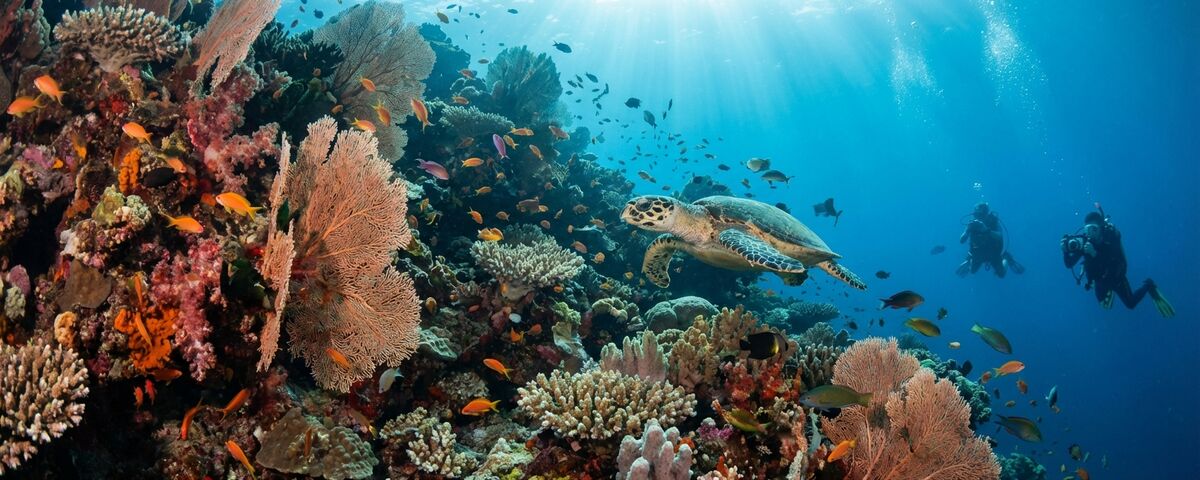
The topography reads like a guided tour of reef architecture. A sandy slope scattered with coral bommies leads to the wall's edge, where the reef transitions into a proper vertical section crusted with sponges, soft corals, sea fans, and encrusting hard corals. Overhangs and small crevices punctuate the wall face, each one worth checking for resting sharks, morays, or sleeping turtles. Below the wall, the sand at 30 to 35 metres occasionally hosts garden eels and blue-spotted stingrays.
What makes Mini Wall genuinely worth a dedicated dive rather than a rushed checkout stop is the diversity of marine life compressed into a relatively small area. Hawksbill turtles are resident here. Not seasonal visitors, not occasional sightings, but reliably present animals that have adopted specific resting spots on the wall. Napoleon wrasse cruise past with the unhurried confidence of fish that know they are too large to worry about most predators. Giant trevally work the wall's edge, and bumphead parrotfish thunder through the shallows in the early morning.
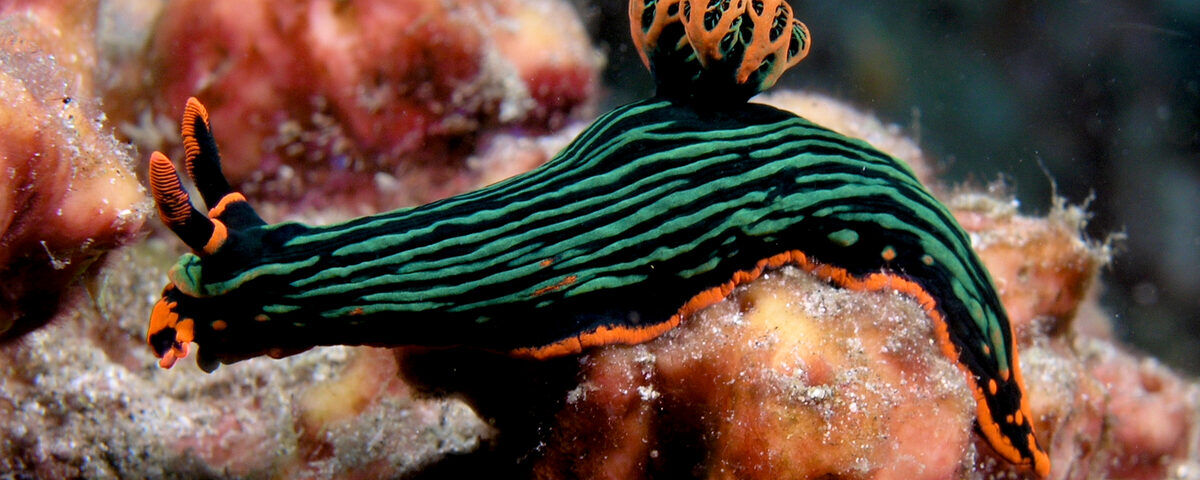
The macro life rivals dedicated muck diving sites. Nudibranchs, particularly Chromodoris and Phyllidia species, dot the sponges. Reef scorpionfish sit motionless on coral heads, perfectly camouflaged until a guide points them out. Ornate ghost pipefish hide among crinoids on the wall face. For photographers carrying macro lenses, the calm conditions and static subjects create opportunities that the park's current-swept sites simply cannot match.
Mini Wall works for every level of diver. Open Water students can explore the upper slope and wall crest between 5 and 15 metres, where the coral is densest and the light is best. Advanced divers can drop along the wall to 25 to 30 metres to check for whitetip reef sharks and eagle rays that occasionally pass through. Even technical divers find the deeper sand slope worth exploring for unusual critters. The site's forgiving nature makes it a favourite for dive courses, but dismissing it as a training site would be a genuine mistake.
Marine Life at Mini Wall
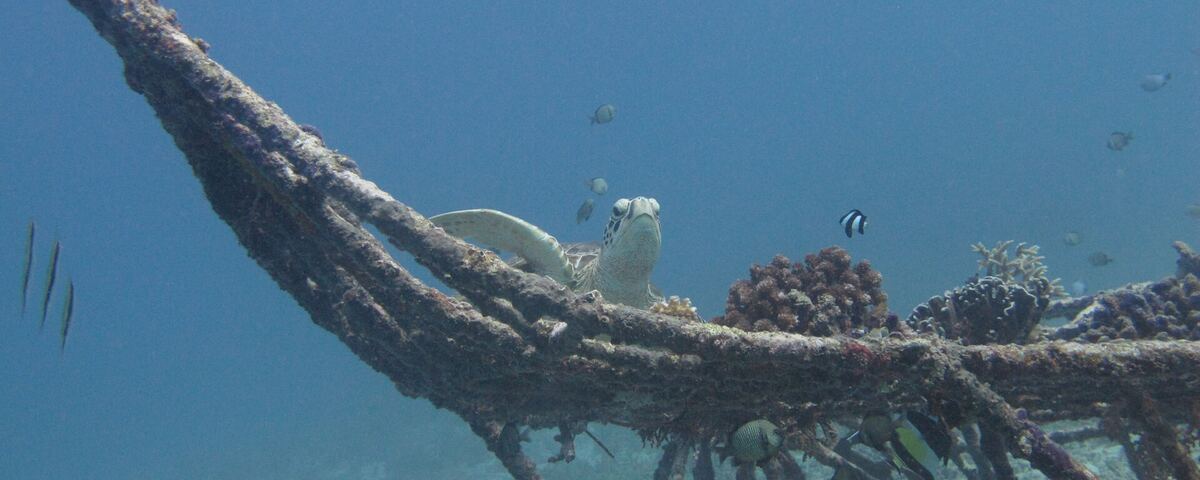
Hawksbill turtles are the signature residents. They rest on ledges and overhangs along the wall during the day, tucked into crevices with their shells pressing against the rock. Most dives produce at least two or three sightings, sometimes more. They are tolerant of careful approaches and will often continue resting as divers pass, making them excellent photography subjects for wide-angle shooters.
Napoleon wrasse patrol the wall in the mornings and late afternoons. These are substantial animals, some exceeding a metre in length, and they move with a slow deliberation that makes them easy to track. Their curiosity sometimes brings them close to divers, particularly if you stay still and let them approach on their own terms.
Giant trevally hunt along the wall edge, using the structure as an ambush point. They are fast and unpredictable, appearing from the blue in bursts of silver. Schools of bluefin trevally are more consistent, often holding station at the wall's midpoint where current brings food past their position. Bumphead parrotfish groups pass through the shallows, their bulk and the crunching of coral making them impossible to miss.
Reef scorpionfish are scattered across the wall face and upper slope. They sit perfectly still, relying on camouflage that matches the encrusted surfaces they rest on. Guides know the regular spots, and pointing one out to a diver who has been staring directly at it without seeing it is one of the small pleasures of this site. Leaf scorpionfish are less common but present, usually found on the deeper sections.
Nudibranchs provide the primary macro draw. Chromodoris lochi, Chromodoris annae, and Phyllidia varicosa are the most frequently spotted species, their vivid colours standing out against sponge and coral substrates. Flatworms mimic some nudibranch species here, creating identification puzzles for the observant diver.
Ornate ghost pipefish hide among crinoid arms on the wall face. They are seasonal, more commonly found between May and October, and require a patient eye to spot. When present, they are reliably in the same crinoid for days or weeks, so guides can direct return visitors straight to them.
Moray eels occupy crevices throughout the wall. Giant morays and white-eyed morays are the most common, often visible with their mouths gaping in the characteristic breathing motion that unnerves new divers but poses no threat. Cleaner shrimp work around their mouths and gills, providing some of the better cleaning station interactions on the wall.
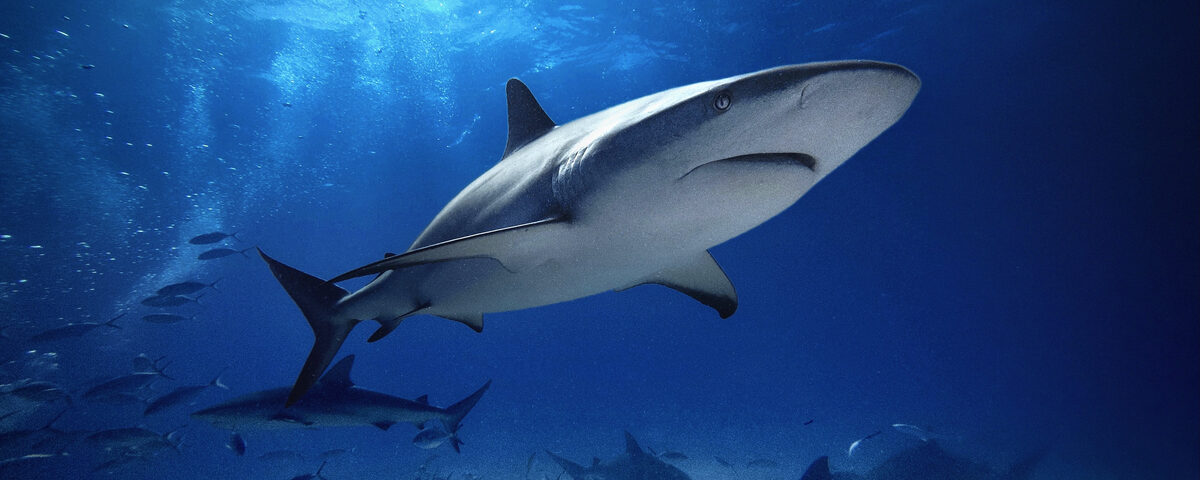
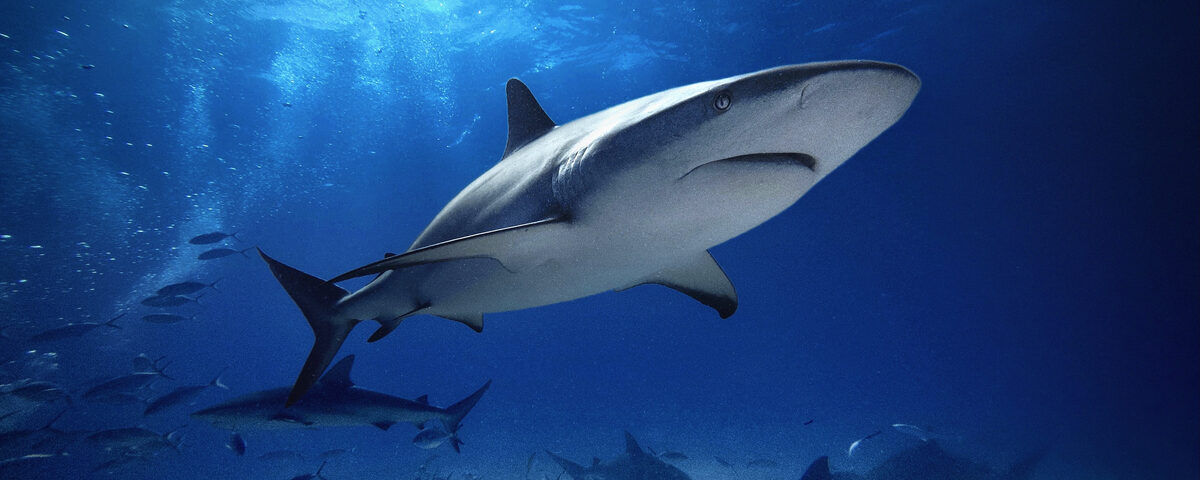
Eagle rays are occasional visitors, more common during the cooler months between July and September when nutrient-rich upwelling draws larger pelagics closer to shore. Whitetip reef sharks rest on the sandy bottom below the wall, typically at 28 to 32 metres. They are docile and generally remain in place unless approached too aggressively.
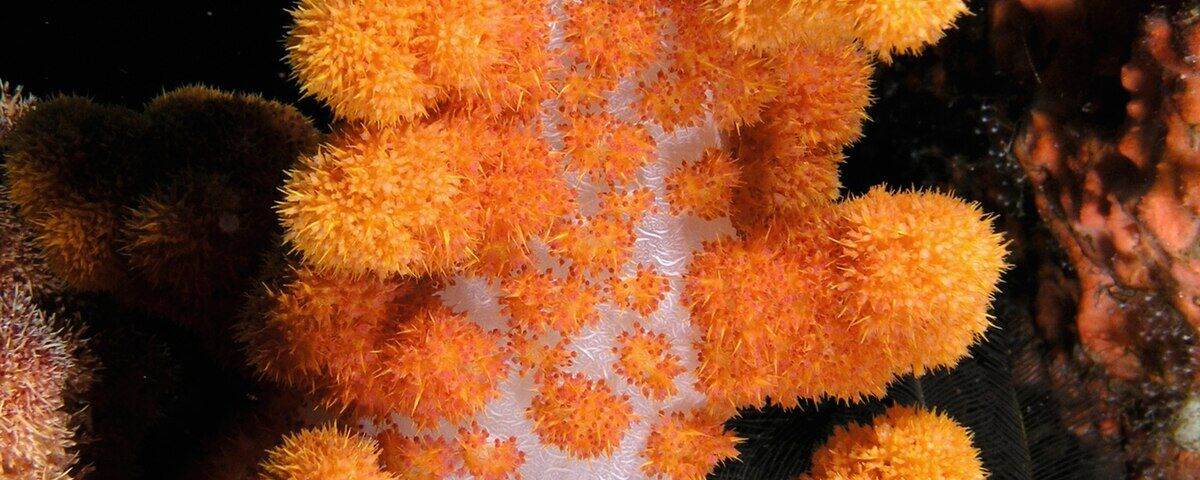
The coral itself deserves attention as a subject. Sea fans on the wall face grow to impressive sizes, their branches spreading perpendicular to the current to maximise food capture. Barrel sponges anchor on ledges, some large enough to fit a diver inside (though touching them is obviously off limits). Soft coral trees in yellows, pinks, and purples cluster on the overhangs, creating the kind of colour composition that works beautifully in photographs with a strobe or two.
Dive Conditions
Mini Wall is one of the more forgiving dive sites in Komodo National Park. The wall's position on the sheltered northern face of Sebayur Kecil protects it from the stronger tidal currents that make sites like Castle Rock and Batu Bolong challenging. Current here ranges from negligible to mild on most dives, occasionally picking up to moderate during spring tides. When current is present, it typically runs parallel to the wall, creating an easy drift that actually improves the diving by bringing nutrients and attracting feeding fish.
Depth ranges from around 5 metres on the upper slope to beyond 35 metres at the base of the wall where it meets the sandy bottom. The sweet spot for most divers sits between 10 and 22 metres, where the wall structure is most developed and marine life concentrations are highest. Advanced divers exploring the deeper sections should monitor their air and no-decompression limits carefully, as the interesting features at depth can easily extend a dive beyond comfortable margins.
Visibility is variable but generally good. Clear days offer 20 to 25 metres of visibility with blue water and excellent natural light penetration to the wall. Average conditions produce 12 to 18 metres, which is perfectly adequate for enjoying the reef and photographing subjects at close range. Green water from plankton blooms reduces visibility occasionally but also brings mantas and whale sharks closer to shore, so reduced clarity is not always unwelcome.
Water temperature follows Komodo's seasonal pattern. The warm season from April to September sees temperatures of 27 to 29 degrees Celsius in the shallows. The cooler season from October to March drops to 24 to 27 degrees, with thermoclines on the deeper sections capable of hitting 22 degrees. A 3mm wetsuit works for most of the year; 5mm is worth considering between July and September when cold upwelling from the south can make the deeper wall sections noticeably chilly.
Surface conditions at the mooring are almost always calm. The island provides shelter from swell, and the boat ride from Labuan Bajo crosses relatively protected waters. Entries are simple giant strides from the boat, and exits involve a short surface swim to the ladder. There is no need for negative entries or complex descent procedures.
⚓ Divemaster Notes
I have dived Mini Wall hundreds of times, and I still find things I have not seen before on this wall. That is not a throwaway comment. The density of life packed onto a relatively small section of reef means every dive reveals something different depending on the season, the time of day, and where you choose to focus your attention.
The best approach is to start at the mooring, head right along the wall crest at around 10 metres, and gradually descend as you go. The turtle resting spots are concentrated in the section between 12 and 18 metres, roughly 50 metres east of the mooring line. They use the same overhangs repeatedly, so once you know the spots, you can navigate directly to them.
For photographers, I always recommend spending the first 10 minutes on the upper wall between 8 and 14 metres. The light is strongest there, the coral coverage is most photogenic, and you will find nudibranchs and scorpionfish without having to search too hard. Wide-angle shooters should position themselves below the wall looking up to capture the coral face with blue water and sun behind. With a turtle in frame, that is a portfolio image.
The ghost pipefish, when present, tend to sit in crinoids on the wall face at around 15 to 18 metres. They favour the darker, shadowed sections where current delivers food. I check three specific crinoid clusters each dive and find them roughly six out of ten times during the May to October window.
Morning dives are consistently better than afternoon sessions here. The turtles are more active, the trevally are hunting, and the Napoleon wrasse are out cruising. By afternoon, the turtles are tucked deeper into their resting spots and the pelagic activity drops.
One mistake I see regularly: divers rushing through Mini Wall because they are mentally saving themselves for the current dives later in the trip. Slow down. The wall rewards patience in a way that drift dives cannot. You do not need current to have a world-class dive. You need concentration, good buoyancy, and a willingness to look closely.
How to Get to Mini Wall
Mini Wall sits in the central section of Komodo National Park, on the northern face of Sebayur Kecil island. The boat ride from Labuan Bajo harbour takes approximately 20 minutes, making it one of the closest park sites to town.
Labuan Bajo is the gateway to Komodo and sits on the western tip of Flores island in East Nusa Tenggara province. Komodo Airport (LBJ) receives direct flights from Bali Ngurah Rai (roughly 1 hour with Garuda Indonesia, Lion Air, or Wings Air), Jakarta (direct or connecting), and several other Indonesian cities. Flight frequency has increased significantly in recent years as tourism to the region has grown.
From the airport, taxis and hotel transfers reach the harbour area in about 10 minutes. Most dive operators are based around the harbour and along the main road through town. They handle all boat logistics, park permits, and equipment.
Komodo National Park charges an entrance fee that has been revised several times in recent years. Most dive operators include the park fee in their trip pricing, but it is worth confirming this when booking. The fee structure differs for Indonesian nationals and foreign visitors.
Most divers encounter Mini Wall as part of a day trip combining two or three central Komodo sites. A typical day might pair Mini Wall with Sebayur Kecil (the adjacent coral garden), Siaba Besar, or Tatawa Besar. Liveaboard itineraries frequently use Mini Wall as a first-day dive after departing Labuan Bajo, as its sheltered conditions make it ideal for a gear check before heading to more demanding sites further into the park.
Labuan Bajo itself has developed from a sleepy fishing village into a proper tourism town. Accommodation ranges from budget hostels and guesthouses to boutique hotels and a few higher-end resorts. Restaurants, bars, and dive shops line the harbour area. The town has reliable WiFi, ATMs, and a hospital, though serious medical issues should be evacuated to Bali.
Gear Recommendations
A 3mm wetsuit covers most of the year comfortably. Between July and September, a 5mm suit or at minimum a hooded vest is worth carrying for the deeper sections where thermoclines can drop temperatures by several degrees. Torch is essential for looking into crevices and overhangs where morays, sleeping turtles, and crustaceans shelter. The wall has enough dark recesses that a torch transforms the experience even in good visibility.
Macro lens is the priority for photographers. The calm conditions and static subjects (scorpionfish, nudibranchs, ghost pipefish, cleaning stations) are purpose-built for close-up work. A 60mm or 100mm macro with a single strobe produces excellent results. Wide-angle shooters will find good compositions on the wall face and with turtles, but the site rewards macro more consistently.
Surface marker buoy is standard practice for all Komodo diving. Conditions at Mini Wall rarely require mid-water deployment, but boats expect to see an SMB at the end of every dive. Reef hook is not appropriate here and should stay clipped to your BCD. The corals on this wall are too healthy and too dense to risk anchor damage from a reef hook.
Nitrox is a sensible choice if you plan to spend time below 20 metres on the wall. The wall's interesting features extend deep enough that enriched air provides a meaningful safety margin and extended bottom time. Most Labuan Bajo operators offer nitrox fills.
Recommended Dive Operators
Blue Marlin Dive is one of the original Komodo dive operations and runs daily trips to central sites including Mini Wall. Their guides know the wall intimately and can point out the resident turtles and ghost pipefish spots that casual visitors miss. Azul Komodo is a PADI 5-Star IDC centre with Green Fins certification, running both day trips and their Lotus Liveaboards phinisi vessels. They frequently use Mini Wall for course dives and checkout dives, with instructors who treat it as a proper dive rather than a formality. Scuba Junkie Komodo operates from their resort on Sebayur Besar island, which makes Mini Wall practically their house reef. Their proximity means they can time dives for optimal conditions and visit during quieter periods when day boats from Labuan Bajo have not yet arrived. Wunderpus Dive Centre runs smaller group sizes with a focus on critter diving and photography, making them a strong choice for divers who want to slow down and work the macro subjects on the wall.
Liveaboard Options
Nearly every Komodo liveaboard includes Mini Wall in its itinerary. The Lotus Liveaboards phinisi fleet (operated by Azul Komodo) offers handcrafted wooden sailing vessels with PADI professionals and excellent onboard catering. Their standard central Komodo itinerary hits Mini Wall on day one. The Damai runs premium expedition-level trips with a focus on photography and small group sizes; their route through central Komodo always includes this site. Indo Siren is a photographer's liveaboard with dedicated camera facilities, rinse tanks, and charging stations at every bunk. Blue Dragon is a smaller vessel running budget-conscious three to five night trips that stay in the central and northern park, making Mini Wall a regular stop. For shorter trips, several operators in Labuan Bajo run two-night liveaboard itineraries covering Sebayur, Siaba, and Tatawa sites, keeping Mini Wall as a centrepiece dive rather than a checkbox.