Sebayur Kecil Dive Site
Komodo, Indonesia · Near Labuan Bajo
Overview
Sebayur Kecil sits in a protected bay just a short boat ride from Labuan Bajo, and it serves as the opening act for almost every Komodo liveaboard trip. That role as a checkout dive has given it an unfair reputation. Divers tick it off, fiddle with their weight, adjust a leaky mask seal, and then spend the rest of the trip raving about Castle Rock and Batu Bolong while forgetting the coral garden that quietly outclasses half the sites they visited after it.
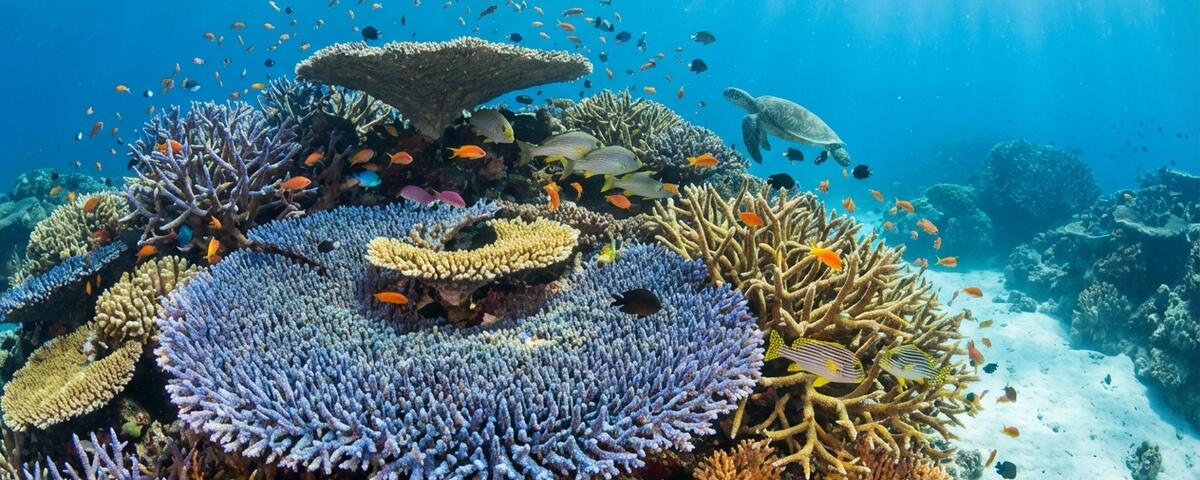
The topography is simple: a steep white sand slope curving down from the shallows into a channel, blanketed in hard corals so dense they overlap and compete for space. Staghorn thickets, table corals the size of dining tables, massive brain corals, and branching formations spread across the slope in a patchwork that looks almost landscaped. When the sun is directly overhead and the visibility cooperates, the colours are startling. Greens, purples, blues, and yellows layer across the reef in a way that feels more Caribbean than Coral Triangle, except the biodiversity here is on a completely different level.
The bay's sheltered position means current rarely reaches this site. That absence of flow is precisely what allows the coral growth to flourish so spectacularly. Without the constant battering that shapes sites like Castle Rock or Crystal Rock, the hard corals here grow in their natural, undistorted forms. For coral nerds, it is a reference library of healthy Indo-Pacific reef architecture.
Sebayur Kecil also quietly holds its own for marine life. Bumphead parrotfish cruise through in small groups, leaf scorpionfish sit camouflaged in the staghorn branches, and moray eels poke from crevices at every depth. The deeper sections around 25 metres harbour a seamount where whitetip reef sharks rest on the sand and giant sweetlips school in the blue. Trevally patrol the drop-off. None of this is headline stuff compared to the manta encounters further south, but for a site routinely dismissed as a warm-up, the marine life roster is genuinely impressive.
The site works at every certification level. Open Water students can stay on the upper slope at 10 to 12 metres and spend an entire dive exploring the coral garden without running out of things to look at. Advanced divers can drop to the seamount and check the blue for pelagics. Instructors use it for skills training because the sandy patches between coral heads provide perfect kneeling spots, and the calm conditions mean students can actually focus rather than fighting current.
Dismissing Sebayur Kecil because it lacks current or big-ticket pelagics misses the point entirely. Komodo's reputation was built on adrenaline dives, and rightly so. But a pristine hard coral garden in flat-calm water, teeming with macro life and reef fish, is its own category of excellence. Plenty of divers travel thousands of miles to find reefs half this healthy.
Marine Life at Sebayur Kecil
The hard coral coverage is the centrepiece, and it deserves unhurried attention. Staghorn coral thickets dominate the mid-slope, creating a three-dimensional habitat that shelters hundreds of smaller species. Damselfish dart between the branches. Hawkfish perch on the tips, watching for prey. Juvenile sweetlips shelter in the gaps, their spotted patterns a sharp contrast to the adult colouration they will eventually develop.
Table corals on the upper slope grow to extraordinary sizes. Some exceed two metres across. Underneath these natural umbrellas, you will find soldierfish hovering in the shade, cardinal fish in tight schools, and occasionally a blue-spotted stingray pressed flat against the sand.
Bumphead parrotfish pass through the site regularly, usually in groups of three to eight. They are not subtle animals. You will hear the crunch of coral being bitten before you see them, and their bulk displaces the smaller fish as they power through the shallows. These sightings are more reliable here than at many Komodo sites because the healthy coral provides exactly what bumpheads need: food.
Leaf scorpionfish are the resident macro prize. They sit perfectly still among the coral branches, their flattened bodies swaying gently to mimic debris. Guides know where to find them, but even experienced spotters sometimes walk past one that has repositioned overnight. Colours vary from bright yellow to deep brown and occasionally pink. Photographing them requires patience and a macro lens; they reward close, slow approaches.
Moray eels occupy crevices throughout the site. Giant morays and honeycomb morays are the most common species, often visible from their resting positions during the day. Cleaner shrimp work their mouths and gill openings, providing some of the best cleaning station photography opportunities in Komodo.
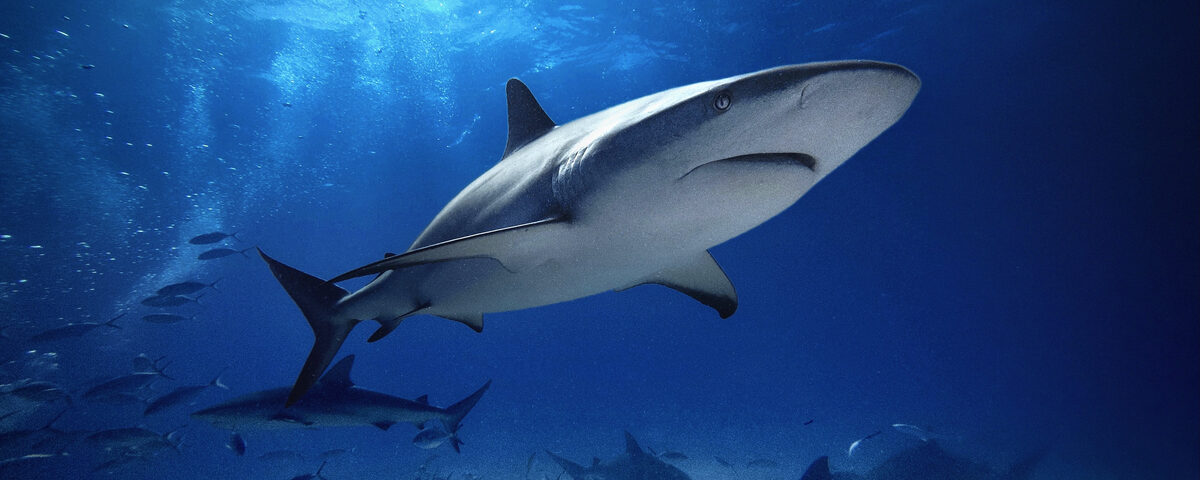
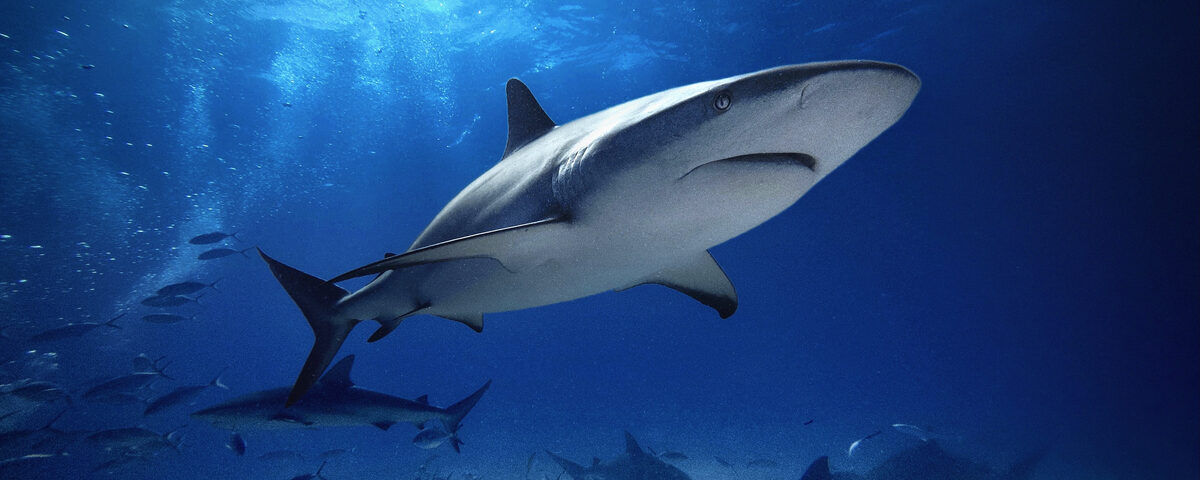
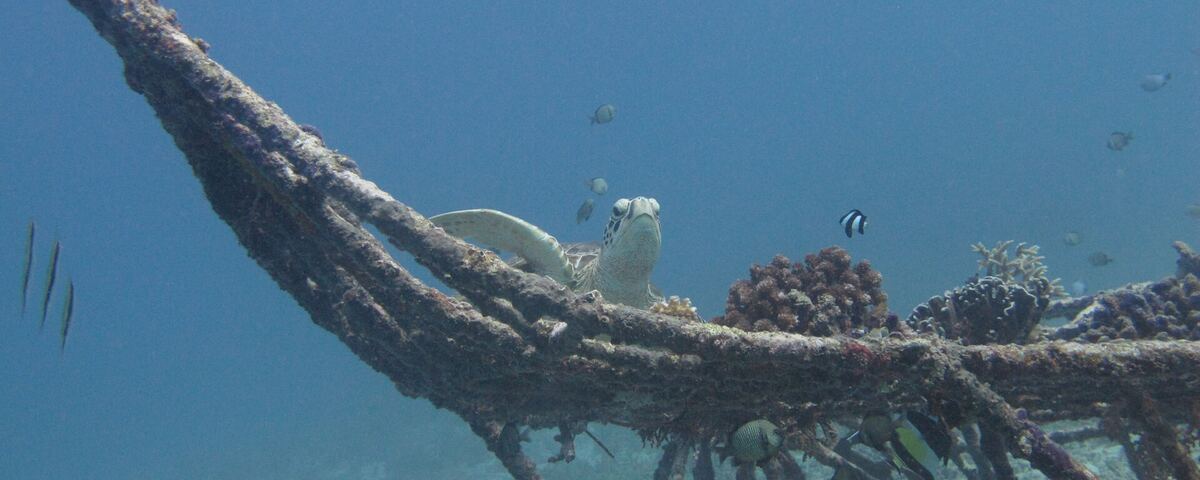
The seamount at around 25 metres depth attracts pelagic visitors. Whitetip reef sharks rest on the sandy bottom around the structure, typically two or three at a time. They are docile and tolerant of divers who approach calmly. Giant trevally and bluefin trevally hunt around the seamount edges, and large schools of yellowback fusiliers swirl in the water column above.
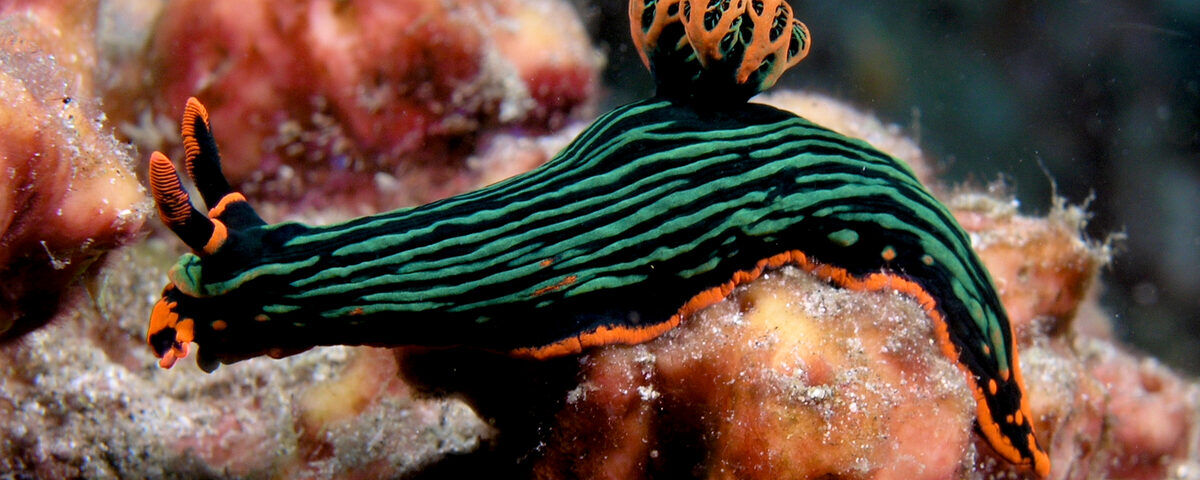
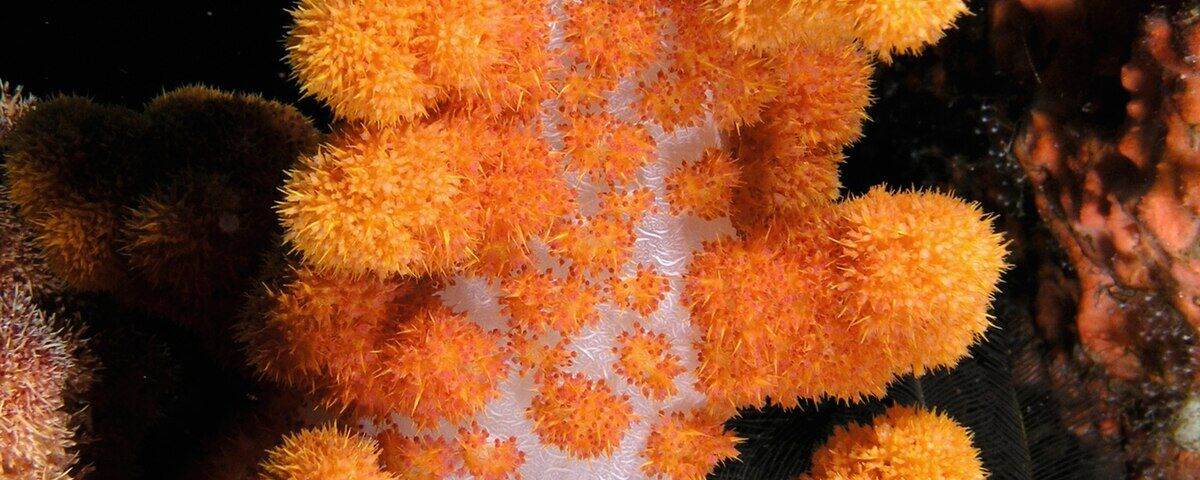
Nudibranchs are scattered across the reef, particularly on sponges and soft coral patches. Chromodoris species are the most frequently spotted, their vivid mantles standing out against the substrate. Flatworms and commensal shrimp round out the macro menu for photographers willing to look closely.
Dive Conditions
Sebayur Kecil is one of the calmest dive sites in the entire Komodo National Park. Current is rare, and when it does appear, it is gentle enough to barely register. This makes the site genuinely accessible to every level of diver, from students completing their first open water dives to instructors running courses.
The slope runs from about 3 metres in the shallows down to roughly 25 metres where it meets the channel floor. Average depth for a comfortable exploration of the coral garden sits around 12 metres. The seamount feature is at approximately 25 metres, requiring an Advanced Open Water certification or equivalent to reach comfortably within no-decompression limits.
Visibility is variable. On good days, the water is clear blue with 20 to 25 metres of visibility, and the coral colours pop against the white sand. On average days, expect 10 to 15 metres, which is still more than adequate for enjoying the reef. The green tinge that sometimes affects Gulf visibility here comes from plankton blooms and is a sign of the productivity that drives Komodo's food chain.
Water temperature ranges from 25 to 29 degrees Celsius depending on season and depth. Thermoclines can drop the temperature by several degrees on the deeper sections, particularly between July and September when upwelling from the south brings cooler, nutrient-rich water into the park. A 3mm wetsuit is standard; some divers prefer 5mm during the cooler months.
The protected bay means surface conditions are almost always calm. Entries and exits are easy, and surface intervals can be spent watching the green hills of Sebayur island. The mooring is well-established, and boats from Labuan Bajo reach the site in approximately 20 to 30 minutes.
⚓ Divemaster Notes
I use Sebayur Kecil as a checkout dive for almost every trip, and I have zero complaints about that. It is genuinely one of the healthiest coral reefs I guide on anywhere in Komodo, and the lack of current means I can actually watch my divers rather than managing a drift.
The trick to making this dive memorable rather than forgettable is slowing down. Most groups rush the slope, glance at the coral, tick the box, and head back to the boat thinking about tomorrow's current dives. I do the opposite. I set a deliberately slow pace, stop frequently, and point out the critters that hide in the coral architecture. The leaf scorpionfish near the large staghorn thicket at 10 metres is almost always there. Two giant morays share a crevice on the east side at about 14 metres, and they are reliable enough that I include them in my briefing.
For photographers, I recommend spending the entire dive between 8 and 15 metres. The light is best there, the coral is densest, and the macro subjects are most concentrated. Wide-angle shooters should head to the big table corals on the upper slope, get underneath, and shoot upward with the sun behind. The silhouette of a two-metre table coral with fish underneath and blue water above is an image that justifies the lens choice.
The seamount at 25 metres is worth visiting on the second dive if you do two here, but I would not sacrifice time on the coral garden for it. The whitetip sharks are pleasant to see but not unique to this site. The coral garden, in this condition, is.
One thing I always mention in my briefing: buoyancy matters here more than at current-swept sites. When current pushes you along, minor buoyancy errors get corrected by the flow. At Sebayur Kecil, there is nothing to mask sloppy trim. Fin kicks near the coral will break branches that took years to grow. I ask divers to stay at least a metre above the reef and use gentle frog kicks. The coral survived the El Nino bleaching events that devastated reefs elsewhere in Indonesia. It deserves respect.
How to Get to Sebayur Kecil
Sebayur Kecil sits in the northern part of Komodo National Park, close to the town of Labuan Bajo on the western tip of Flores island. The boat ride from Labuan Bajo harbour takes roughly 20 to 30 minutes, making it one of the most accessible dive sites in the park.
Labuan Bajo is reached by air from Bali (roughly 1 hour on Garuda, Lion Air, or Wings Air), from Jakarta (connecting flights or direct on select carriers), and from several other Indonesian cities. The airport, Komodo Airport, sits just outside town. Taxis and hotel transfers to the harbour take about 10 minutes.
Most divers visit Sebayur Kecil as part of a day trip or liveaboard itinerary departing from Labuan Bajo. Day trip operators run boats to the northern sites (Sebayur Kecil, Siaba Besar, Tatawa Besar) as a standard package. Liveaboards typically use Sebayur Kecil as their first or last dive of the trip, given its proximity to port and forgiving conditions.
Komodo National Park requires an entrance fee. As of recent years, the fee structure has changed several times; check the latest rates through your dive operator before arriving. Most operators include the park fee in their trip pricing, but confirm this when booking.
Labuan Bajo has developed rapidly in recent years. Accommodation ranges from budget hostels to mid-range hotels, with a growing number of higher-end options. The town's restaurant and bar scene has expanded significantly, centred around the harbour area. It functions as a genuine base rather than a transit point.
Gear Recommendations
Standard tropical diving gear with a 3mm wetsuit for most of the year. A 5mm suit or hood is worth considering between July and September when thermoclines can drop temperatures noticeably on the deeper sections. Torch recommended for looking into crevices and under table corals where morays and soldierfish shelter. Macro lens is the priority for photographers here; the critter life rewards close-up work more than wide-angle. Surface marker buoy is standard practice in Komodo, though the calm conditions at this site make it less critical than at the current-swept sites. Reef hook is not needed and should not be used. Nitrox is a good option if you plan to spend extended time at the seamount depth.
Recommended Dive Operators
Blue Marlin Dive is one of the established operations in Labuan Bajo, running day trips to the northern sites including Sebayur Kecil with experienced guides who know the macro life locations. Azul Komodo (and their liveaboard division Lotus Liveaboards) is a PADI 5-Star IDC and Green Fins certified centre that frequently uses Sebayur Kecil as a checkout dive, with knowledgeable guides who can point out the leaf scorpionfish and nudibranchs that most divers swim past. Wunderpus Dive Centre operates smaller groups and focuses on critter diving, making them a strong choice for photographers targeting the macro life here. For liveaboard options, the Blue Lotus phinisi and the Damai fleet both include Sebayur Kecil on their standard Komodo itineraries.
Liveaboard Options
Sebayur Kecil features on virtually every Komodo liveaboard itinerary as a first or last dive. The Blue Lotus phinisi (operated by Lotus Liveaboards / Azul Komodo) is a handcrafted wooden vessel offering small-group trips with PADI professionals and chef-prepared meals. The Damai fleet runs premium expedition-style trips that frequently include Sebayur Kecil alongside the headline sites. The Indo Siren is a well-regarded option for photographers, with dedicated camera stations and rinse tanks. Budget-conscious divers can find shorter two or three-night liveaboard options out of Labuan Bajo that focus on the northern sites, keeping Sebayur Kecil as a regular stop. Most Komodo liveaboards run between April and November, aligning with the park's best diving conditions and manta season.