Yellow Wall of Texas Dive Site
Komodo, Indonesia · Near Labuan Bajo
Overview
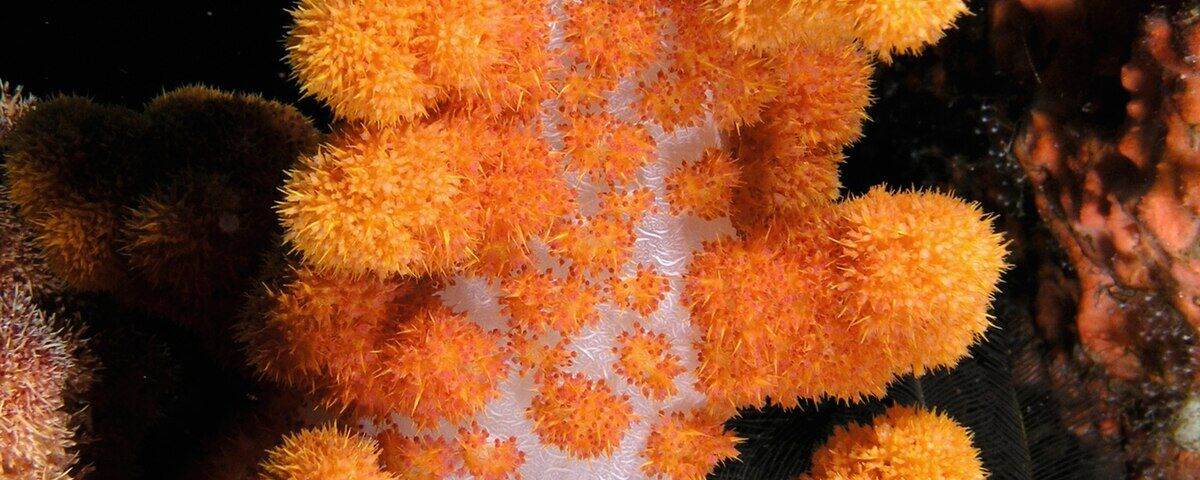
Yellow Wall of Texas sits in the southern reaches of Komodo National Park near Horseshoe Bay, and its name tells you almost everything you need to know before you get wet. The wall is yellow. Bright, vivid, almost aggressively yellow, covered in a species of soft coral (Tubastrea micranthus, the black sun coral, which is actually yellow when its polyps extend) that blankets the vertical rock face from about 10 metres down to 30 metres and beyond.
The effect is startling. You drop over the edge of a reef that looks fairly standard, and suddenly the wall below you is a sheet of gold. In the right light, with torch beams picking out the polyps, the colour intensity is genuinely unlike anything else in the park. Photographers who have been to Castle Rock and Crystal Rock and think they've seen Komodo's best colours get a surprise here.
The wall itself is a sheer drop on the south side of a small island near Rinca. It faces into the open water of the strait between the park and Sumba, which means the cold, nutrient-rich upwellings from the Indian Ocean feed directly into the site. Those upwellings are what drive the extraordinary soft coral growth, but they also bring water temperatures several degrees colder than the northern Komodo sites. This is 24 to 26 degree territory, not the comfortable 28 you might be used to.
The site pairs naturally with Cannibal Rock, which sits in the same bay. Most liveaboards and the occasional day-trip operator combine the two, giving divers a macro dive at Cannibal Rock followed by a wide-angle wall dive at Yellow Wall of Texas. The contrast between the two sites shows the range that southern Komodo offers.
Yellow Wall of Texas doesn't get the celebrity status of Castle Rock or Manta Point, partly because of its remote location and partly because wall dives don't generate the same adrenaline stories as current-swept pinnacles. But for pure visual impact, this is one of the most striking dives in Indonesia.
The site's location in the southern park means it benefits from the same cold water upwellings that feed Cannibal Rock. These upwellings bring nutrients from the deep Indian Ocean, driving the extraordinary soft coral growth that makes both sites special. The trade-off is colder water and lower visibility compared to the crystal-clear northern sites, but for the visual spectacle on offer, most divers consider that an easy exchange.
Marine Life at Yellow Wall of Texas
The Tubastrea coral is the star. When polyps are extended (typically in current or during lower light conditions), the wall transforms into a sheet of golden yellow. Each colony is composed of thousands of individual polyps, their tentacles reaching into the water to filter feed on passing plankton. Under torch light, the colour is intense enough to make camera sensors struggle with white balance.
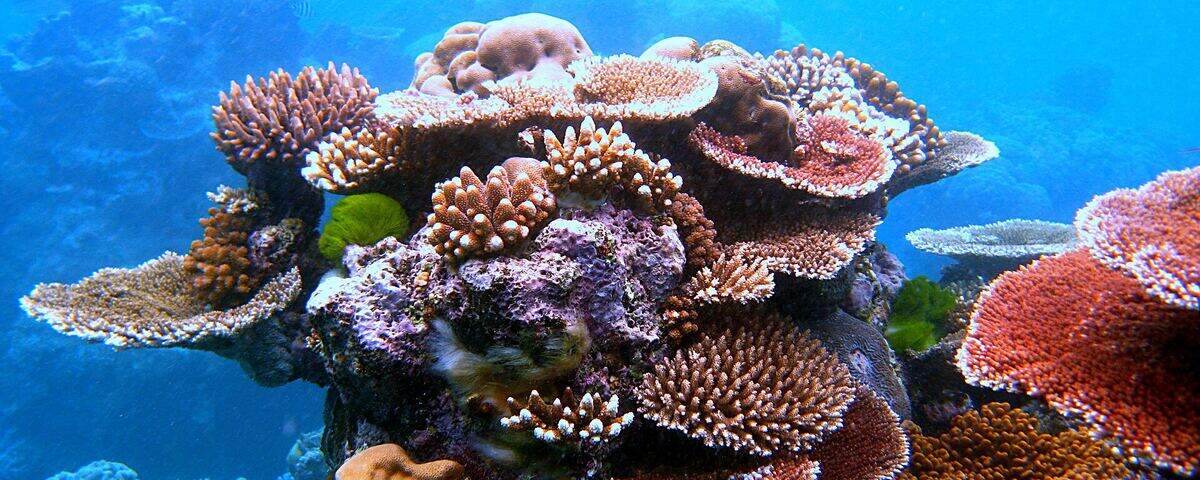
The wall supports a strong community of reef fish adapted to the cooler southern conditions. Anthias swarm the upper sections in pink and orange clouds, creating a colour contrast against the yellow wall that makes for exceptional wide-angle photography. Schools of fusilier pass along the wall face, and batfish hang in the blue water off the wall edge.
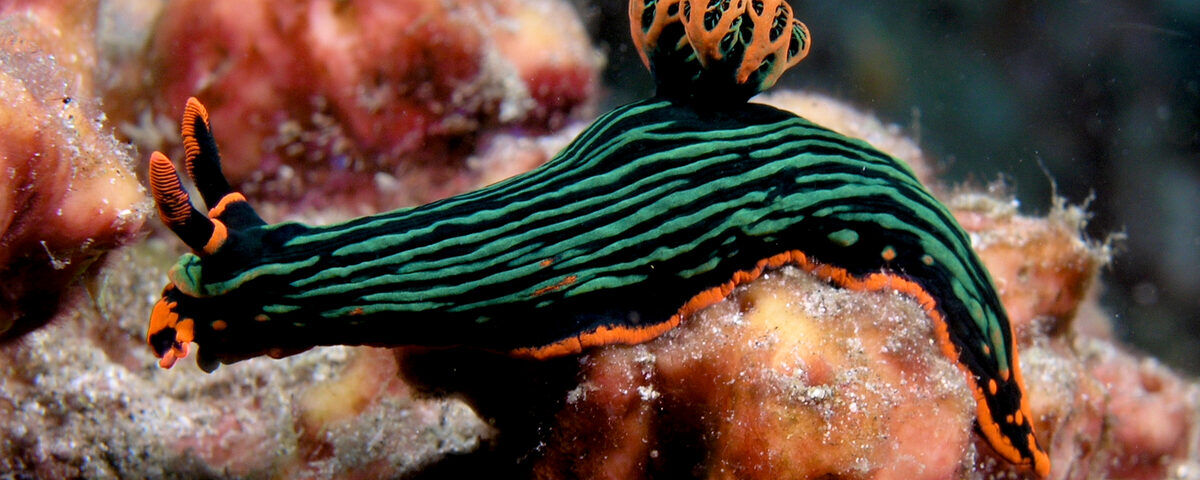
Sea fans and gorgonians grow on the wall where the Tubastrea thins, and these are worth checking for pygmy seahorses. The cold, nutrient-rich water that feeds the soft coral also supports an impressive invertebrate community. Nudibranchs, flatworms, and commensal shrimp inhabit the wall's crevices and coral surfaces.
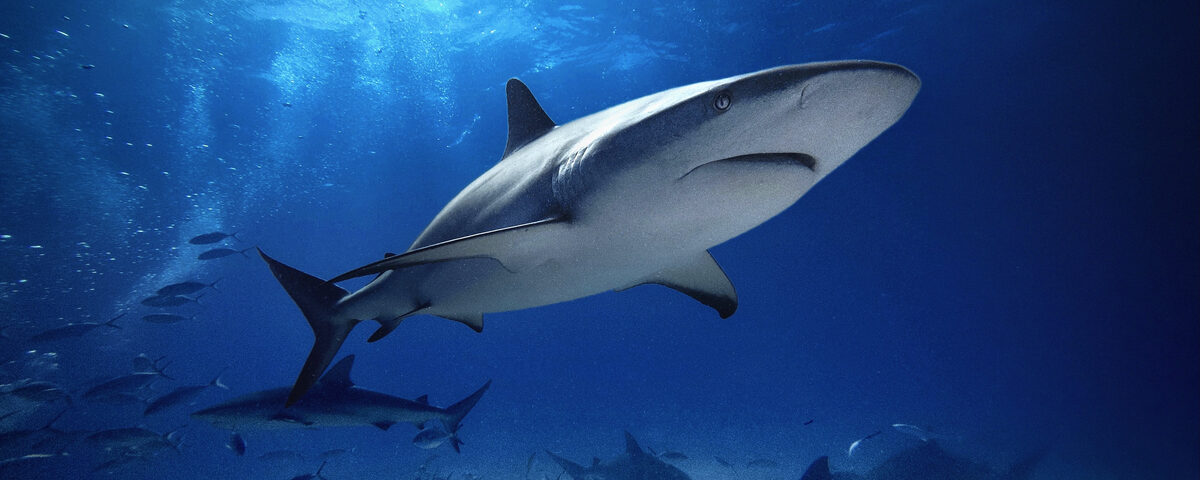
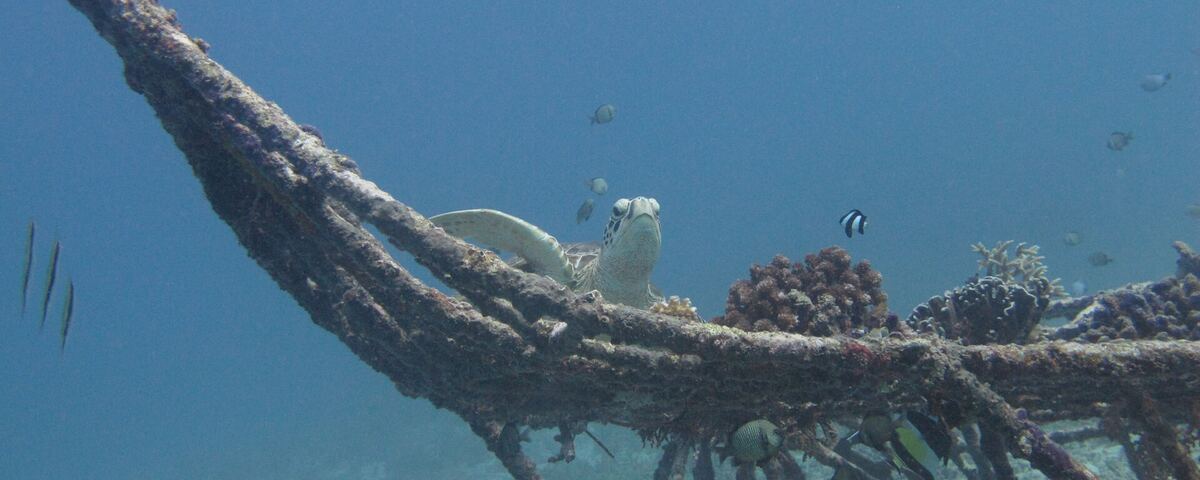
Reef sharks patrol the base of the wall, typically white-tips resting on ledges or cruising slowly past. The occasional eagle ray sweeps along the wall face, and green turtles are seen regularly in the shallower sections above the wall's edge. The reef top between 5 and 10 metres has healthy hard coral with the usual Komodo complement of damselfish, wrasse, and territorial triggerfish.
The deeper sections of the wall (below 25 metres) are less visited but harbour larger gorgonian fans and the occasional decorator crab or spider crab on the coral surfaces. Torch use is essential here; without artificial light, the yellow colour of the Tubastrea appears muted by the depth-filtered ambient light.
The deeper wall sections below 25 metres support a different community from the bright Tubastrea zone above. Larger gorgonian fans, sponge encrusted rock faces, and the occasional leopard shark resting on ledges make the deeper exploration worthwhile for divers with the qualification and gas management to visit safely.
Dive Conditions
Current at Yellow Wall of Texas is typically mild to moderate, significantly gentler than the northern pinnacle sites. The wall's sheltered position in the southern park area means tidal flows are less intense, allowing comfortable wall diving without reef hooks or aggressive current management.
The defining condition here is temperature. Upwellings from the Indian Ocean bring cold water into this area, and temperatures of 24 to 26 degrees are normal. Occasional thermoclines can drop the temperature further, sometimes dramatically. Divers coming from the warm northern sites find this a shock, and it directly affects air consumption and dive duration.
Visibility ranges from 8 to 20 metres. The nutrient-laden water that feeds the coral also carries particulate matter that reduces clarity compared to the open-ocean pinnacle sites. For wall diving, this rarely matters since you're working close to the rock face, but it does limit the wide-angle vista shots.
Entry is by boat, dropping over the reef edge and descending along the wall. The dive profile is a typical wall dive: descend to your planned max depth, work gradually upward along the wall face, and finish with a safety stop on the reef top. The wall orientation means depth management requires attention; it's easy to drift deeper than planned when following an interesting feature downward.
This site suits intermediate divers comfortable with wall diving and cool water. The absence of strong current makes it technically straightforward, but the cold and the depth require sensible planning.
⚓ Divemaster Notes
Yellow Wall of Texas is where I bring divers who think they've seen everything Komodo has to offer. After three days of pinnacles and manta sites, this wall dive feels like visiting a completely different national park. The colour genuinely catches people off guard.
Bring a torch. Without one, you're missing the point. The Tubastrea colour looks muted at depth under ambient light, but hit it with a torch beam and the wall explodes with yellow. Wide-angle shooters should use strobes to bring out the colour; available light won't do it justice below 15 metres.
The cold water is the thing people underestimate most. I've seen divers in 3mm suits turn around after 15 minutes because they're shivering too hard to enjoy the dive. Pack your 5mm for the southern sites. You'll thank yourself.
The wall drops well beyond recreational limits, so watch your depth. The coral is just as impressive at 15 metres as at 30, so there's no reason to push deep. I typically plan a max depth of 20 to 25 metres, which gives plenty of time on the wall without burning through air in the cold water.
If you're combining this with Cannibal Rock on the same day, do Yellow Wall first while your air and warmth reserves are fresh. Cannibal Rock rewards slow, shallow macro diving that doesn't demand the same thermal endurance.
How to Get to Yellow Wall of Texas
Yellow Wall of Texas is in the southern section of Komodo National Park, near Horseshoe Bay on Rinca Island's south coast. The journey from Labuan Bajo takes 3 to 4 hours by dive boat, making it a long day trip. Most divers access it via liveaboard, where it pairs naturally with nearby Cannibal Rock and Torpedo Alley.
A handful of Labuan Bajo day-trip operators run southern Komodo excursions, but the distance means early departures (often 5 or 6 AM) and late returns. The liveaboard option is substantially more comfortable and allows multiple dives at the southern sites.
Labuan Bajo is reached by direct flights from Bali (approximately 1 hour) or via Jakarta connections. Park entrance fees apply for all sites within the national park boundaries.
Gear Recommendations
5mm wetsuit minimum, hood recommended for the cold upwellings. Powerful torch essential for bringing out the Tubastrea colours. Wide-angle lens for the wall scenes, dual strobes for colour reproduction at depth. Nitrox extends bottom time and adds safety margin on a wall dive where depth creeps easily. SMB for safety stop.
Recommended Dive Operators
Wunderpus Liveaboard includes the southern Komodo sites on their extended itineraries, with guides experienced in wall diving and macro photography. The Samambaia and Arenui also feature Yellow Wall of Texas on their routes, typically as part of a day spent exploring the Horseshoe Bay area. For day trips, check with Blue Marlin Komodo and Uber Scuba Komodo about their southern excursion schedules, as these run less frequently than the standard northern trips.
Liveaboard Options
Yellow Wall of Texas is primarily a liveaboard site due to its distance from Labuan Bajo. The Wunderpus, Samambaia, and Arenui include it on southern Komodo itineraries, typically combined with Cannibal Rock and Torpedo Alley in the same area. Most Komodo liveaboards operate 5 to 7-night trips that cover both northern and southern park sections, ensuring divers experience the full range of the park's diving.