Turtle Cavern Dive Site
Sipadan, Malaysia · Near Semporna
Overview
Turtle Cavern at Sipadan is one of the most sobering dive sites in the world. The cavern entrance sits on the wall at about 18 metres, opening into a system of chambers that extend deep into the island's limestone core. Inside, on the cavern floor, lie the skeletal remains of green turtles that entered the cave system and could not find their way out. The bones have been there for decades, possibly centuries, a poignant reminder of the ocean's indifference.
The cavern is not a recreational dive. The entrance is accessible, and the first chamber can be viewed from the opening without penetrating the overhead environment. Beyond that first chamber, the system extends into darkness with passages that narrow, branch, and eventually require cave diving training and equipment. Several divers have died in Turtle Cavern over the years, most from becoming disoriented in the silty interior and running out of air. The site carries a genuine fatality history.
Most visitors experience Turtle Cavern as a cavern dive rather than a cave dive. The entrance and first chamber are within the light zone, meaning natural light is visible from inside. This limited penetration allows divers to see the turtle skeletons near the entrance and appreciate the cavern's atmosphere without entering the dangerous interior passages.
The exterior wall around the cavern entrance is a rewarding dive in its own right. The wall section hosts the same marine life as Drop Off and other eastern wall sites: turtles, sharks, schooling fish, and excellent coral. The cavern adds a unique dimension to an already strong wall dive.
Sipadan's turtle population is one of the healthiest in Southeast Asia, which makes the cavern's contents particularly striking. The island hosts one of the largest green turtle nesting colonies in the region, with females returning each year to lay eggs on the beach. The irony of a healthy turtle population coexisting with a cavern full of turtle remains is part of what makes the site so memorable.
The cavern system has been the subject of scientific study and conservation debate. Some advocates have argued for restricting all access to protect the archaeological remains (the turtle skeletons may be hundreds of years old), while others maintain that managed visits create the conservation awareness that justifies the site's protection. The current compromise, threshold visits with no cave penetration, balances both interests.
The cave system extends significantly deeper into the island than most visitors see. Exploration by certified cave divers has mapped passages extending over 100 metres into the limestone, with multiple chambers containing additional turtle and dolphin remains. This deeper system is off-limits to recreational divers and should remain so.
The emotional impact of Turtle Cavern is its defining characteristic. Other Sipadan sites impress with abundance and spectacle. Turtle Cavern impresses with absence and silence. The skeletons in the cavern are a reminder that the ocean, for all its beauty, is an environment of fundamental indifference. The turtles entered the cave following their instincts and died because those instincts could not navigate an environment that offered no air and no exit.
Marine Life at Turtle Cavern
The cavern entrance is a dark opening in the wall at about 18 metres. From the entrance, torchlight illuminates the first chamber, where turtle skeletons rest on the silty floor. The bones are bleached white against the dark sediment, and the skulls are immediately recognisable. The sight is both beautiful and unsettling.
The first chamber is large enough for several divers to observe from the entrance threshold without penetrating the overhead. The cavern walls are smooth limestone, carved by water over geological time. Stalactites in some sections indicate the caves were above water during lower sea levels in past ice ages.
Outside the cavern, the wall is classic Sipadan. Green turtles (living ones) swim past the entrance, occasionally investigating the cavern mouth before continuing along the wall. The juxtaposition of living turtles and skeletal remains inside is viscerally effective.
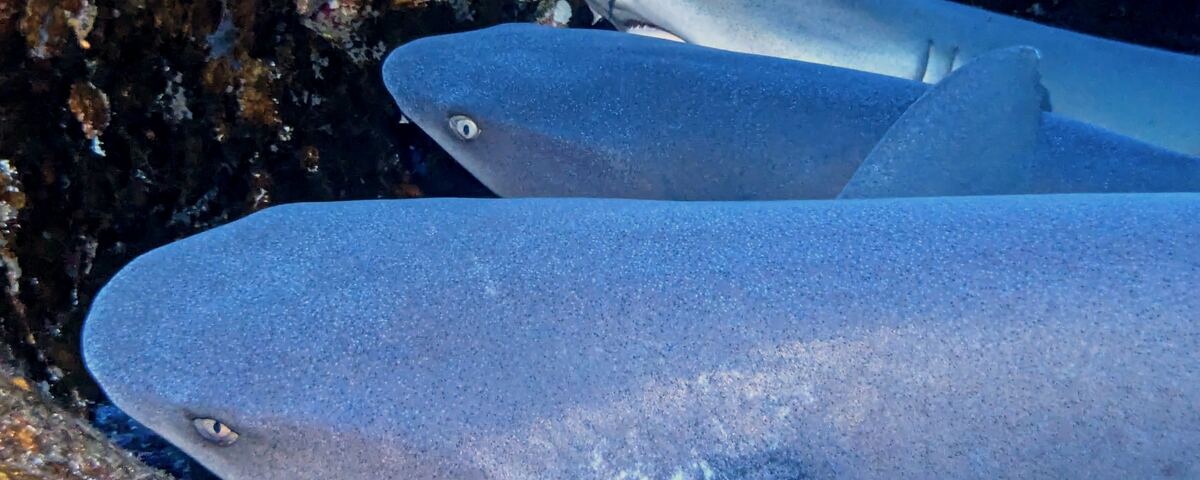
White-tip reef sharks rest on ledges near the entrance. The wall coral is healthy, with hard and soft coral coverage typical of Sipadan's eastern side. Schools of fish stream along the wall. The cavern entrance itself is framed by barrel sponges and sea fans that create a natural gateway composition for photographers.
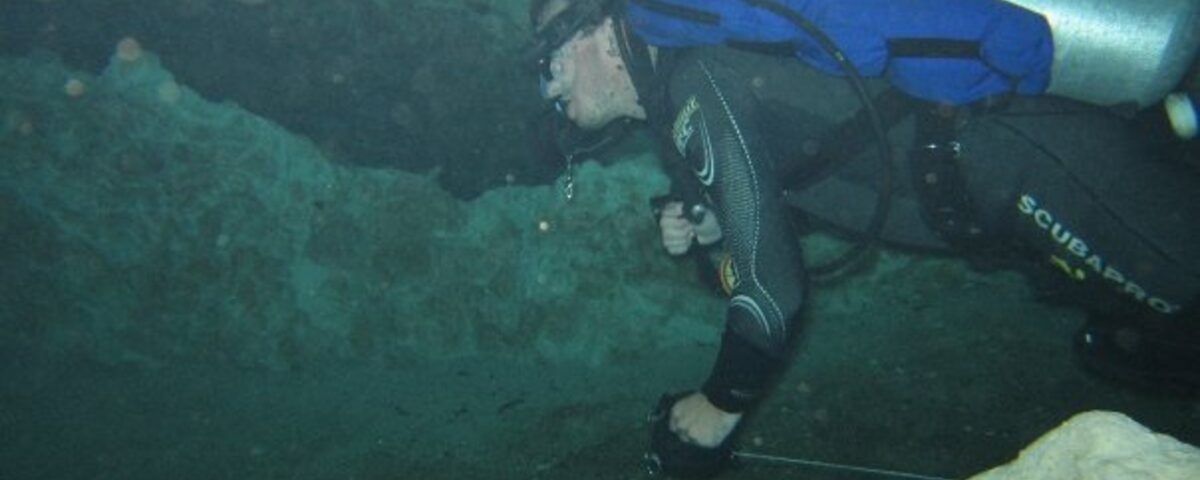
Inside the cavern (for those qualified to enter), the passages extend into a labyrinth of chambers containing more turtle and dolphin remains. The silt on the cavern floor is extremely fine and rises at the slightest disturbance, reducing visibility to zero within seconds. This silt-out potential is the primary danger of the site.
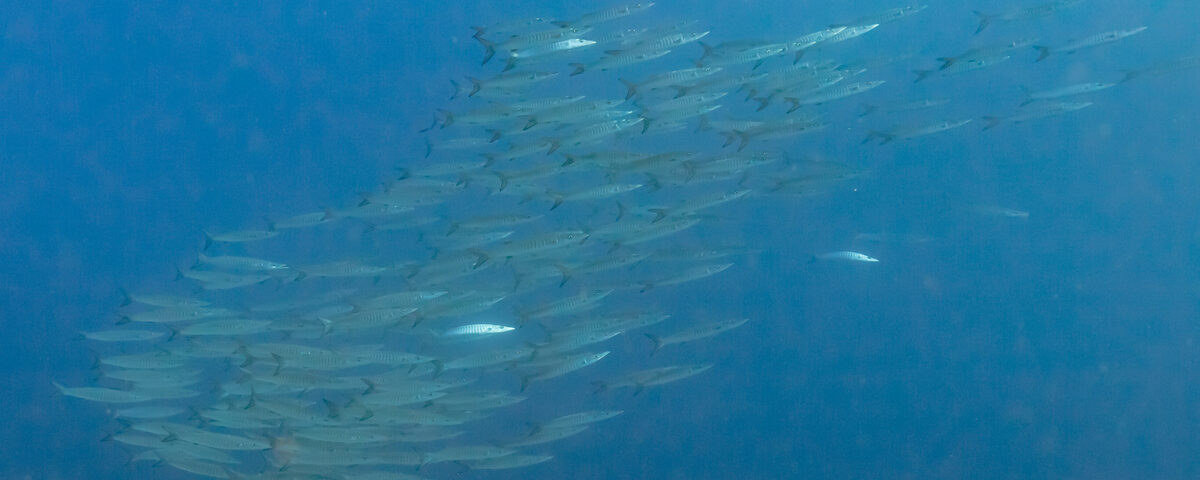
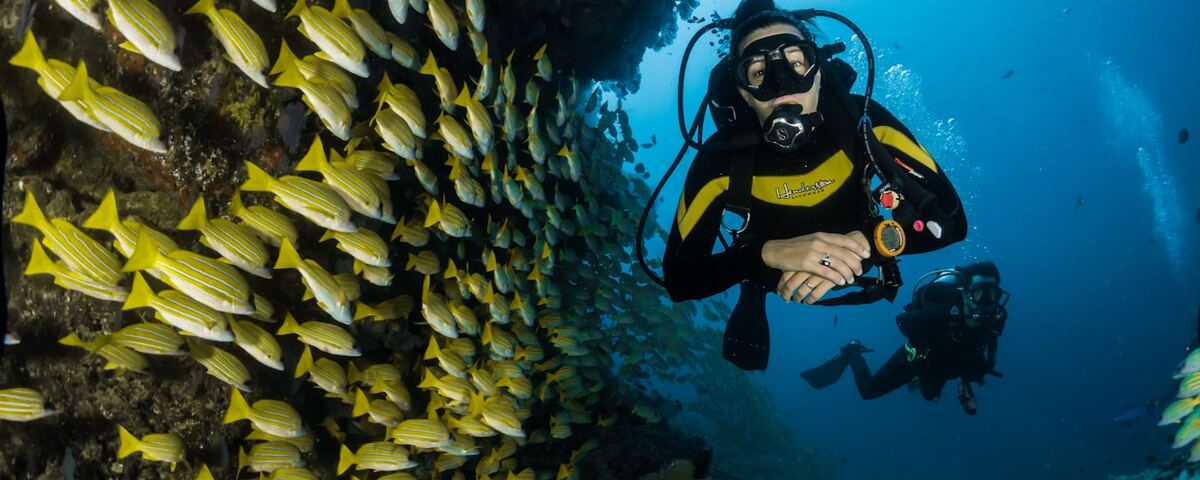
The wall section approaching the cavern hosts healthy coral growth typical of Sipadan's eastern face. Large barrel sponges, sea fans, and table corals provide structural diversity. Schools of snapper and fusilier stream along the wall. The approach dive is often underappreciated, overshadowed by the cavern's reputation, but it ranks among the better wall sections on Sipadan's eastern side.
Resting green turtles on the wall near the cavern entrance create a powerful visual contrast with the skeletal remains inside. The living turtles are oblivious to the cavern's contents, swimming past the entrance and occasionally peering inside before continuing their patrol.
Dive Conditions
The cavern entrance sits at approximately 18 metres on Sipadan's eastern wall. The first chamber extends to about 25 metres depth. The exterior wall provides standard Sipadan wall diving from 5 to 30 metres.
Current at the entrance is typically mild, as the cavern sits on the sheltered eastern wall. Visibility outside is 15 to 30 metres; inside the cavern, visibility drops to 5 to 15 metres in undisturbed conditions and can fall to zero if sediment is disturbed.
Water temperature is 27 to 30 degrees. Inside the cavern, temperature is consistent with the surrounding water.
Advanced certification is required for approaching the entrance. Cave diving certification (full cave or cavern course) is required for any penetration beyond the entrance threshold. Most operators only allow observation from outside the cavern entrance or threshold penetration with an experienced guide.
The approach to the cavern along the wall is a rewarding dive in its own right. The wall section near the entrance hosts large barrel sponges, sea fans, and the same turtle and shark populations found at other eastern wall sites. Many operators spend the majority of the dive on the wall, using the cavern visit as a 5-minute highlight within a longer wall experience.
⚓ Divemaster Notes
Turtle Cavern is the dive I brief most carefully. The temptation to enter the cave is real, particularly for experienced divers who feel their skills are sufficient. They are not, unless those skills include specific cave diving training. I have seen the aftermath of overconfidence in this cave, and it informs every briefing I give.
My standard approach: descend to the wall at 18 metres, bring the group to the cavern entrance, and position them at the threshold. Torches illuminate the first chamber, making the turtle skeletons visible from outside the overhead. The group observes for 3 to 5 minutes, and then we continue along the wall. Nobody enters the overhead without cave certification.
The emotional impact of the skeletons is significant. The turtles entered the cavern to rest or hide from predators, became disoriented in the darkness, and drowned. Turtles are air breathers; they suffocated in the labyrinth. Knowing this while watching living turtles swim past the entrance creates a contemplative mood that stays with divers long after the trip.
The wall dive surrounding the cavern entrance is excellent and should not be treated as merely the approach to the cave. I spend the majority of the dive on the wall itself, using the cavern visit as a 5-minute highlight within a full wall experience.
For photographers, the cavern entrance shot (a dark opening in a coral-covered wall with a diver's torch beam illuminating the interior) is a classic Sipadan image. Position the model diver at the entrance looking in, with the torch creating a beam through the dark water. The living turtles swimming past the entrance add narrative to the composition.
How to Get to Turtle Cavern
Standard Sipadan access via the daily permit system. Turtle Cavern is part of the Sipadan dive site rotation and is typically combined with wall diving along the eastern side of the island.
Semporna is the mainland gateway. Day boats from Mabul/Kapalai take 15 to 20 minutes to Sipadan. Book permits 3 to 6 months ahead.
Gear Recommendations
3mm wetsuit. Torch mandatory for illuminating the cavern interior. Wide-angle lens for the entrance compositions. Standard wall diving equipment: SMB, dive computer, Nitrox recommended. No additional cave diving equipment unless cave-certified and planning a penetration dive (which requires separate arrangement with the operator).
A compact camera with a wide-angle adapter can work well for the cavern entrance compositions. The shot framing the dark entrance against the coral-covered wall, with a diver's torch beam cutting into the darkness, requires wide-angle coverage and careful exposure management.
Recommended Dive Operators
Sipadan Scuba and Borneo Divers have the most experience guiding Turtle Cavern dives. Both operators enforce strict no-penetration policies for non-cave-certified divers. Scuba Junkie includes Turtle Cavern on their Sipadan rotation with careful safety briefings.
Liveaboard Options
Sipadan diving is resort-based from Mabul and Kapalai. No liveaboard operations serve Sipadan.