Akitsushima Dive Site
Coron (Palawan), Philippines · Near Coron Town
Overview
The Akitsushima is the only Japanese seaplane tender sunk during the war that's accessible to recreational divers, and that unique history gives this wreck a character that none of the other Coron vessels can match. The ship's crane, used for launching and recovering seaplanes, is still attached and visible at the stern, rising from the wreck like a skeletal finger pointing towards the surface. Beside it, the remains of the Aichi E13A 'Jake' reconnaissance seaplane that the ship carried lie scattered on the seabed, wings and fuselage recognisable despite eight decades of immersion.
The Akitsushima lies on her port side at a depth of 20 to 38 metres, tilted at an angle that makes navigation interesting and spatial awareness essential. She was 118 metres long in service, a purpose-built seaplane support vessel with specialised handling equipment that makes her internally different from the supply ships and tankers that make up the rest of the Coron fleet.
The wreck was sunk during the same American air raid on 24 September 1944 that claimed the rest of Coron's Japanese fleet. Unlike some of the other vessels, which were supply ships caught at anchor, the Akitsushima was a warship, and the damage from the aerial attack is visible along the hull in the form of blast holes and structural deformation.
Diving the Akitsushima requires comfort with depth, limited visibility, and wreck orientation. The port-side lie means what should be the deck is now a wall, and what should be the wall is now the floor. This disorientation is part of the appeal for wreck diving enthusiasts, but it demands experience and clear thinking at depth.
The Akitsushima's unique history as a seaplane tender adds a dimension to the dive that the supply ships lack. This was a warship with a specific military function: deploying and recovering reconnaissance seaplanes that extended the Imperial Japanese Navy's surveillance range across vast stretches of ocean. The infrastructure for this role is visible in the crane, the aircraft handling equipment, and the internal layout of the ship, all of which differ from the cargo vessels and tankers that make up the rest of the Coron fleet.
Marine Life at Akitsushima
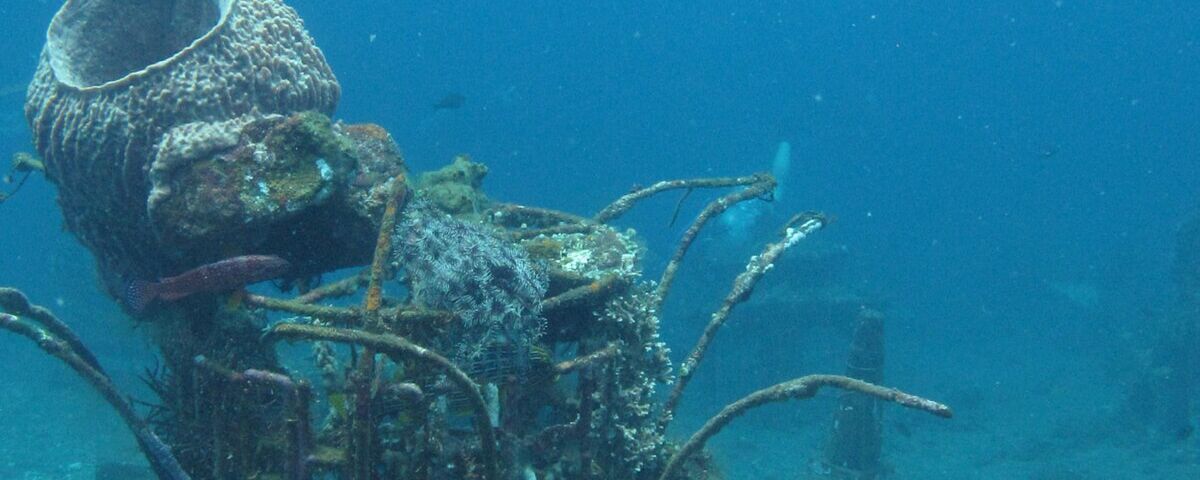
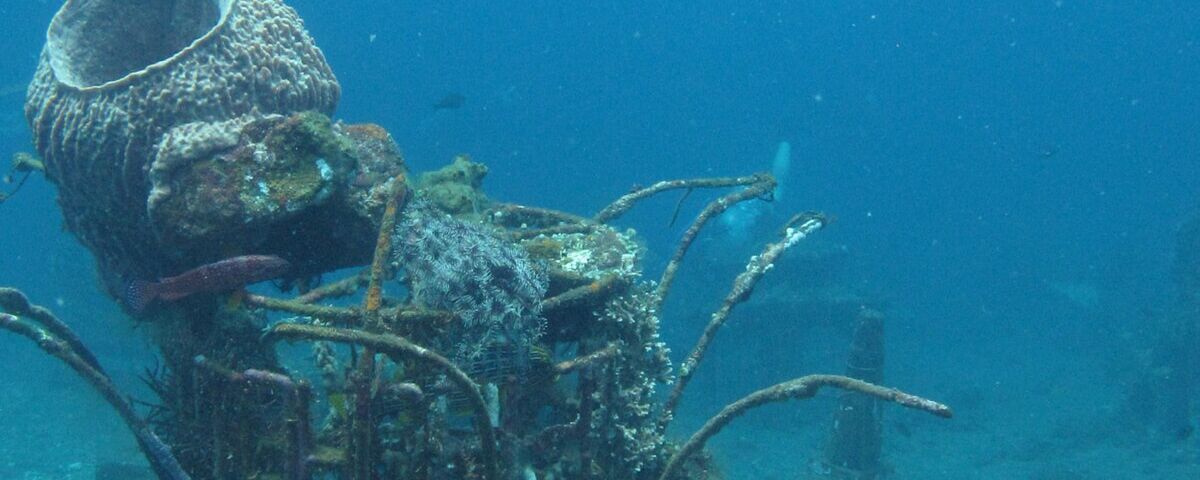
The stern crane is the site's most photographed feature: a large metal structure that originally lifted seaplanes from the water, now draped in soft coral and sponges. The crane's arm extends into the water column above the wreck, creating a dramatic silhouette against the blue water above. Batfish and schools of snapper gather around the crane structure.
The seaplane wreckage beside the main vessel is the Akitsushima's unique draw. The Aichi E13A's float, wing sections, and engine components are identifiable on the sand, partially buried but still recognisable to anyone who knows what they're looking at. This is the only diveable WWII seaplane wreck in the Philippines, and for aviation history enthusiasts, it's a genuine pilgrimage site.
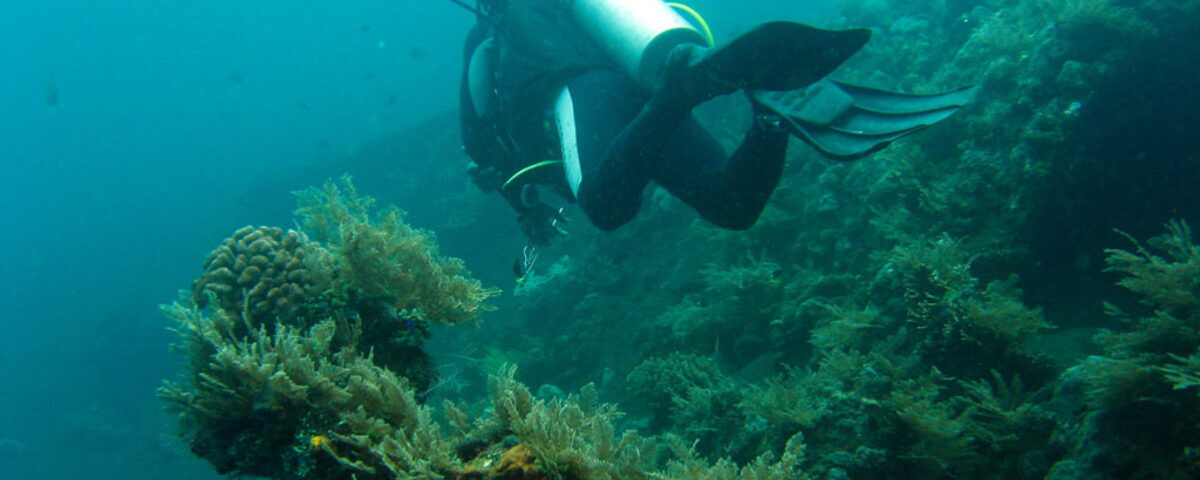
The hull is covered in marine growth: hard corals, soft corals, sponges, and hydroids covering every surface. Large groupers inhabit the interior spaces, and lionfish are common along the hull plates. Scorpionfish blend into the encrusted surfaces. Schools of glassfish fill the sheltered interior sections, creating shimmering clouds in the torch beam.
The holds and interior compartments are accessible to qualified wreck penetration divers, with the ship's machinery, pipe work, and structural elements visible inside. The port-side orientation means corridors are tilted, and doors and hatches are at unexpected angles. Silting is a risk inside the wreck, and visibility can drop to zero within seconds if fins disturb the sediment.
The ship's internal compartments reveal the military nature of the vessel more clearly than the exterior. Ammunition storage areas, crew quarters with recognisable fixtures, and the engineering spaces with their heavy machinery are all accessible to qualified penetration divers. The level of preservation in the deeper, darker internal spaces is often better than on the exterior, where coral growth and current erosion have obscured the original structure.
Dive Conditions
The Akitsushima lies at 20 to 38 metres, with the shallowest point (starboard side, which is now the uppermost) at around 20 metres and the sand alongside at 36 to 38 metres. This is a deep dive requiring Advanced Open Water certification at minimum. Bottom time on air is limited to 20 to 25 minutes before decompression obligations require ascent.
Visibility is typically 5 to 15 metres, which is standard for Coron's wrecks. The enclosed bay location means the water holds more particulate matter than open ocean sites. Torches are essential, not optional. Current is usually mild.
The thermocline between surface and depth can be pronounced, with temperature dropping from 29 degrees at the surface to 25 degrees at the wreck. A 5mm wetsuit provides comfort for the full dive, including the safety stop in warmer shallows.
Entry is by banca from Coron Town, approximately 30 minutes to the dive site. The descent is a free fall through open water to the wreck, with the superstructure gradually materialising from the murk as you drop. The first sight of the crane emerging from the gloom is one of Coron's great diving moments.
The wreck's port-side lie adds navigational complexity that makes this a more challenging dive than the upright vessels. What was the port wall is now the floor, and doors and hatches are rotated 90 degrees from their designed orientation. This can be disorienting at depth, particularly inside the wreck where visual references are limited. Clear mental mapping of the ship's layout before the dive, reinforced by the guide's pre-dive briefing, helps maintain orientation.
⚓ Divemaster Notes
The Akitsushima is the wreck I most enjoy briefing because the history is so specific. This wasn't just a cargo ship; it was a purpose-built seaplane tender, one of a class of two, and the only one that ended up in diveable depth. The crane, the seaplane wreckage, and the specialised internal layout all tell a story that the supply ships can't match.
When briefing divers, I draw the wreck's orientation on a slate: port side down, starboard side up, stern crane pointing roughly north. This matters because the tilted lie confuses spatial awareness at depth. What looks like a corridor leading forward might actually be leading downward. Keep your orientation references in mind and check your depth gauge frequently.
The seaplane wreckage is easy to miss if your guide doesn't specifically take you there. It lies to the port side (now the bottom side) of the stern, partially buried in sand. The wing sections and engine are the most recognisable pieces. Spend a few minutes here; it's the unique element that separates this dive from every other wreck in Coron.
Don't attempt interior penetration unless you have specific wreck penetration training and experience. The tilted orientation, limited visibility, and silt accumulation inside the hull create a genuinely dangerous environment for unqualified divers. Exterior exploration of the hull, crane, and seaplane is thoroughly rewarding on its own.
Air management is critical. The excitement of the wreck and the depth combine to increase air consumption significantly. Plan your turnaround pressure before descending and stick to it. I've retrieved more than one diver from inside a wreck who didn't notice their gauge dropping because they were fixated on something interesting in a cargo hold.
I always carry a spare torch when diving the Akitsushima. The interior is genuinely dark in places, and a torch failure inside the wreck leaves you relying on ambient light that barely penetrates the tilted structure. A backup torch clipped to your BCD is cheap insurance against a situation that could be dangerous.
The port-side lie of the Akitsushima creates unique photographic opportunities. Shooting through doorways and hatches that are now rotated 90 degrees creates surreal compositions that upright wrecks can't produce. The tilted perspective adds a visual tension to images that communicates the wreck's unusual orientation even to non-divers viewing the photographs.
How to Get to Akitsushima
Coron Town on Busuanga Island is the departure point. Direct flights from Manila to Busuanga Airport take about 1 hour. From the airport, a 30-minute drive reaches town. The Akitsushima site is roughly 30 minutes by banca from Coron harbour.
Most operators include the Akitsushima on wreck diving day trips, typically combined with one or two shallower wrecks for a varied day of diving. Some operators offer dedicated deep wreck trips that pair the Akitsushima with the Irako for experienced divers.
Gear Recommendations
5mm wetsuit for the cold deep water. Primary torch (1000+ lumens) and backup torch, both essential. Dive computer with deep diving mode. SMB for the ascent. Wide-angle lens for the crane and hull shots. Wreck reel for penetration dives (certified divers only). Consider a safety sausage with light attachment for added surface visibility.
Recommended Dive Operators
D'Divers Coron specialises in wreck diving and offers guided Akitsushima dives with detailed pre-dive briefings on the ship's layout and history. Coron Divers provides reliable access with safety-focused operations. Sea Dive Resort runs regular trips with experienced wreck guides. Sangat Island Dive Resort offers the most comprehensive deep wreck diving support in the Coron area.
Liveaboard Options
Coron wrecks are primarily dived as day trips from Coron Town. Some Philippine liveaboards include Coron on wider itineraries, but the town-based banca operations offer the most practical and flexible access to the Akitsushima and the other wrecks.