Okikawa Maru Dive Site
Coron (Palawan), Philippines · Near Coron Town
Overview
The Okikawa Maru is one of the most accessible and visually dramatic wrecks in Coron, a 160-metre oil tanker sitting upright in 26 metres of water with her bow rising to just 10 metres below the surface. The shallow upper sections make this wreck approachable for intermediate divers who aren't ready for the depths of the Irako or Akitsushima, while the size and structure provide the atmospheric wreck diving experience that draws people to Coron.
The ship was an oil supply vessel sunk during the American air raid on 24 September 1944, and the fire damage from the attack is visible along the hull. The tanker burned before sinking, and the scorched, twisted metal of the upper deck tells the story of a violent end. Despite the fire damage, the hull is largely intact and provides a framework for the marine life that has colonised every surface over eight decades.
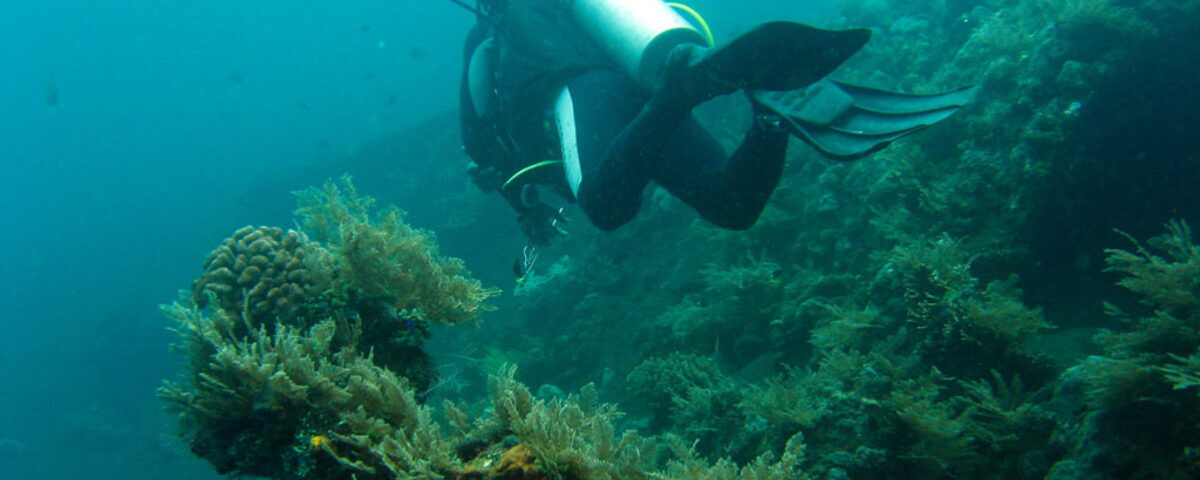
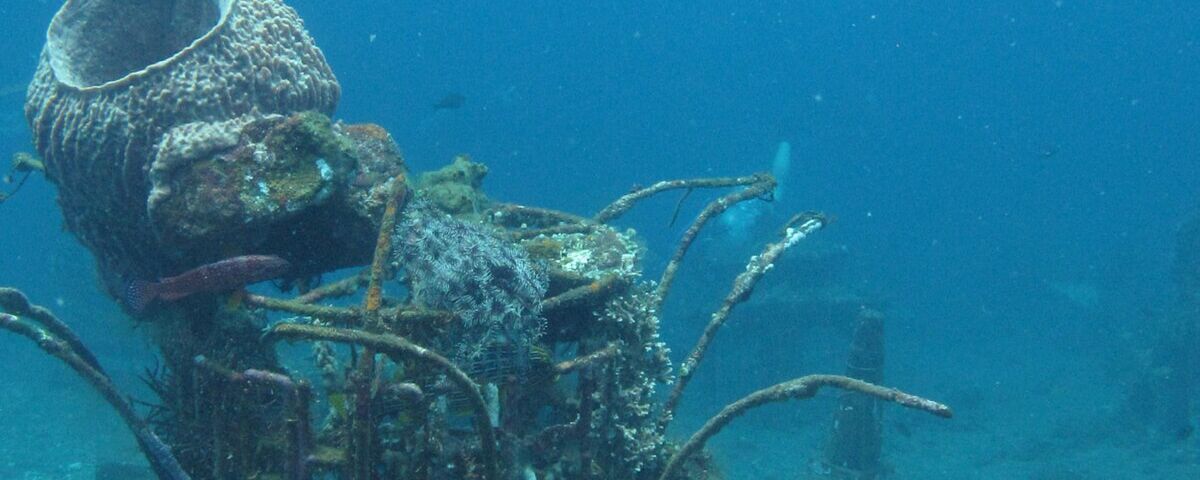
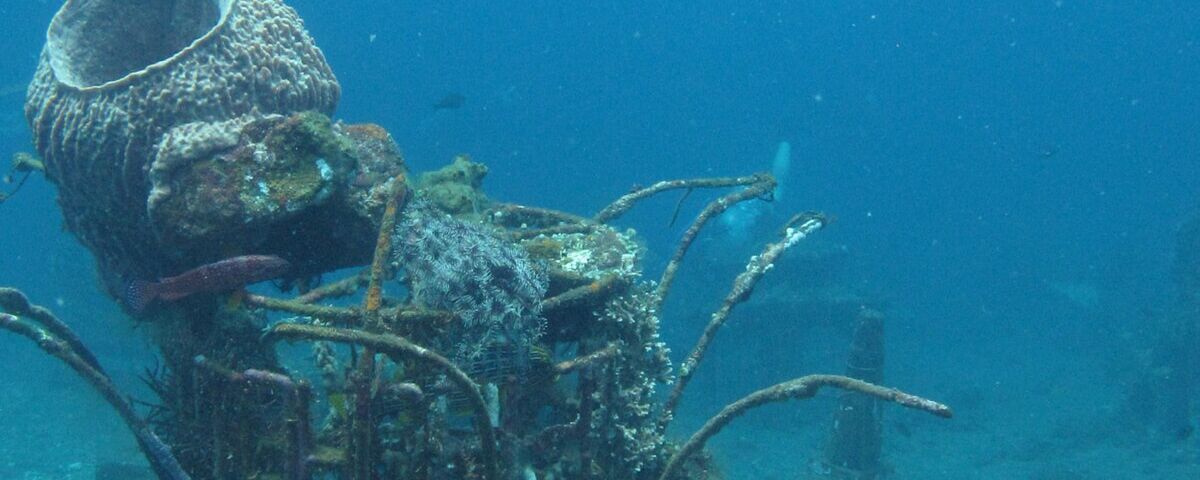
What makes the Okikawa Maru particularly appealing is the contrast between the scarred industrial structure and the colourful marine life now covering it. Hard corals grow from the railings. Soft corals drape from the mast stubs. Barrel sponges anchor themselves in the rust holes. The wreck has been claimed by the reef, and the transition from industrial ruin to living ecosystem is genuinely fascinating.
The shallow bow section is also popular with snorkellers, visible from the surface on clear days. This dual accessibility makes the Okikawa Maru one of the most frequently visited wrecks in Coron.
The fire damage visible on the Okikawa Maru provides a tangible connection to the events of September 1944. The warped and scorched metal plates, the collapsed sections of superstructure, and the blast holes from aerial bomb impacts tell the story of the ship's final hours more vividly than any written account. This combination of history and marine ecology, violence and regeneration, gives the wreck a character that transcends the typical dive site experience.
Marine Life at Okikawa Maru
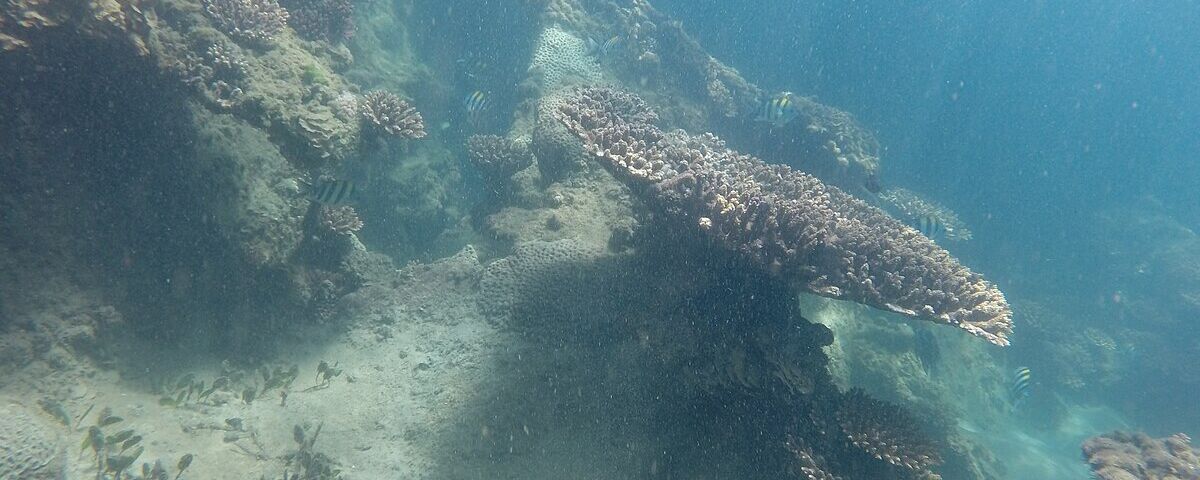
The bow section rising to 10 metres is covered in hard coral growth, with table corals and staghorn formations establishing themselves on deck surfaces. Schools of fusilier and snapper stream along the hull, using the wreck as shelter. Large batfish drift in loose groups above the superstructure.
The cargo holds are open and accessible from above, with the tanker's internal pipe work and bulkhead structures visible inside. Schools of glassfish fill the interior spaces, creating shimmering clouds when illuminated by torchlight. Lionfish hover at the hold entrances, positioned to ambush the glassfish.
The stern section sits deeper, at 22 to 26 metres, with more dramatic fire damage visible. Twisted metal and blast holes are evident along the stern deck plates. Coral growth is less established on the deeper sections, meaning the ship's structure, including anchor chain, winches, and deck equipment, is more clearly visible.
Scorpionfish are common on the hull, blending into encrusted metal with near-perfect camouflage. Moray eels inhabit pipe work and structural gaps throughout. Nudibranchs crawl on the coral-covered surfaces, adding macro interest to an otherwise wide-angle dive.
The wreck's size (160 metres) means that even a 50-minute dive covers only a portion of the ship. Repeat visits reveal new details: a porthole covered in coral growth, a section of hull with blast damage that catches the light differently in the afternoon, a new frogfish that has taken up residence on a sponge-covered bulkhead. The Okikawa rewards familiarity in a way that smaller wrecks cannot.
The wreck also serves as a night diving site, though less frequently visited after dark than the shallower sites. Night dives reveal the nocturnal shift: the daytime fish retreat into the wreck structure and are replaced by hunting lionfish, prowling crabs, and Spanish dancer nudibranchs on the coral-covered hull. The torch beam creates dramatic shadows on the hull plates that add atmosphere to an already atmospheric dive.
Dive Conditions
The depth range of 10 to 26 metres makes the Okikawa Maru one of the most forgiving Coron wrecks for recreational divers. The shallow bow provides extended bottom time, and even the deeper stern is within comfortable Advanced Open Water limits. A typical dive runs 40 to 50 minutes, starting deep at the stern and ascending to the bow for the safety stop.
Visibility is standard for Coron: 5 to 15 metres. The enclosed bay protects from strong current but limits water exchange. Torches are useful throughout and essential for the holds. Current is mild, rarely more than a gentle drift. Water temperature is comfortable at 27 to 30 degrees.
Entry is by banca from Coron Town, approximately 20 to 30 minutes. A descent line fixed to the wreck makes the descent straightforward in any visibility.
The wreck is positioned to offer shelter from prevailing winds, making it one of the most weather-resistant dive sites in Coron Bay. When surface conditions prevent access to the more exposed wrecks or the open-water sites, the Okikawa Maru remains diveable. This reliability makes it a practical choice for operators managing schedules around uncertain weather.
The Okikawa Maru is frequently dived twice in a single day by operators running multi-wreck packages. The first dive explores the deeper stern section, and after a surface interval, the second dive focuses on the shallow bow. This two-dive approach allows thorough exploration of the entire 160-metre wreck without the depth and time constraints of trying to cover it all in a single immersion.
⚓ Divemaster Notes
The Okikawa Maru is the wreck I use to introduce divers to Coron's WWII fleet. The depth is manageable, the wreck is big enough to be impressive, and the fire damage creates talking points that connect the underwater experience to real history.
The bow section makes an exceptional safety stop. The coral growth at 10 metres is dense and healthy, and the structure of the ship creates shelter for schooling fish that make the last few minutes of the dive genuinely enjoyable rather than a boring hover in blue water.
I always take groups to the stern first, while air and bottom time are fresh, then work forward to the bow as the dive progresses upward. This natural ascent profile maximises bottom time and puts the best coral in the shallow sections where you have time to appreciate it.
The cargo holds are safe to look into from above but penetration requires care. The interior visibility can drop to zero if silt is disturbed, and the tanker's internal structure includes pipe work and bulkheads that create potential entanglement hazards. If you're not trained in wreck penetration, enjoy the holds from the outside.
One thing I always point out: the oil tanker pipes running along the deck are still visible and give you a sense of what this ship actually did. She carried fuel to Japanese garrisons across the Pacific, and the infrastructure for that purpose is still recognisable 80 years later.
The Okikawa Maru has a particular characteristic that I point out to every group: the contrast between the fire-damaged stern and the coral-covered bow tells the story of the ship's final moments. The bow, which sank first and has been submerged longest, has the densest marine life. The stern, which burned longest before sinking, has more visible structural damage. Swimming from stern to bow is like time-travelling through the wreck's history, from violent destruction to peaceful reclamation.
How to Get to Okikawa Maru
Coron Town on Busuanga Island is the base for all Coron wreck diving. Direct flights from Manila to Busuanga Airport (approximately 1 hour), then a 30-minute van transfer to town. The Okikawa Maru site is about 20 to 30 minutes by banca from Coron harbour.
Most operators include it on standard wreck diving day trips alongside other wrecks. The shallow depth profile makes it a good pairing with deeper wrecks like the Irako, serving as the shallower second dive for off-gassing.
Coron's wreck diving scene has grown significantly in recent years, with new operators joining the established ones. Competition has improved standards across the board, but it has also increased diver numbers at the popular wrecks. For quieter encounters, ask your operator about scheduling the Okikawa Maru as a first dive of the morning, before the bulk of daily trips arrive.
Coron's wreck diving scene has grown significantly in recent years, with new operators joining established ones. Competition has improved standards across the board, but it has also increased diver numbers at popular wrecks. For quieter encounters, ask your operator about scheduling the Okikawa Maru as a first dive of the morning, before the bulk of daily trips arrive.
Gear Recommendations
3mm or 5mm wetsuit depending on comfort preference. Torch essential for the holds and interior viewing. Dive computer with standard recreational settings. SMB for the ascent. Wide-angle lens for hull shots and interior glassfish scenes. Macro lens useful for the nudibranchs and coral details on the shallow bow section.
Recommended Dive Operators
D'Divers Coron runs reliable Okikawa Maru dives with pre-dive briefings that cover the ship's layout and history. Coron Divers offers guided wreck tours with attention to the fire damage details. Sea Dive Resort includes this wreck on most of their day-trip itineraries. For budget-conscious divers, several waterfront operators offer competitive packages that include the Okikawa Maru alongside two other wrecks.
Liveaboard Options
Coron wrecks are dived as day trips from Coron Town rather than by liveaboard. The banca-based operations provide flexible scheduling and local knowledge that liveaboards passing through cannot match.