Taiei Maru Dive Site
Coron (Palawan), Philippines · Near Coron Town
Overview
The Taiei Maru sits upright on the sandy bottom at 26 metres, a small tanker that packs more atmosphere per metre than many of Coron's larger wrecks. At roughly 55 metres in length, she's compact enough to explore thoroughly in a single dive, which means you actually get to know this ship rather than swimming past sections you'll never return to.
Sunk in the same September 1944 air raid that claimed the rest of Coron's Japanese fleet, the Taiei Maru was a fuel supply vessel that now serves as an artificial reef in Coron Bay. The superstructure has collapsed somewhat but the hull remains largely intact, creating an enclosed environment that marine life has colonised with enthusiasm. The wreck sits close to the Okikawa Maru, and operators frequently pair the two for a day's diving.
The Taiei Maru's manageable size is actually its strongest feature. On larger wrecks, you're always aware that you're only seeing a fraction of the ship. Here, you can swim bow to stern, explore both sides, peek into the holds, and finish with a sense of having genuinely explored the entire vessel. For divers new to wreck diving, that completeness is satisfying in a way that partial exploration of a 160-metre tanker can't match.
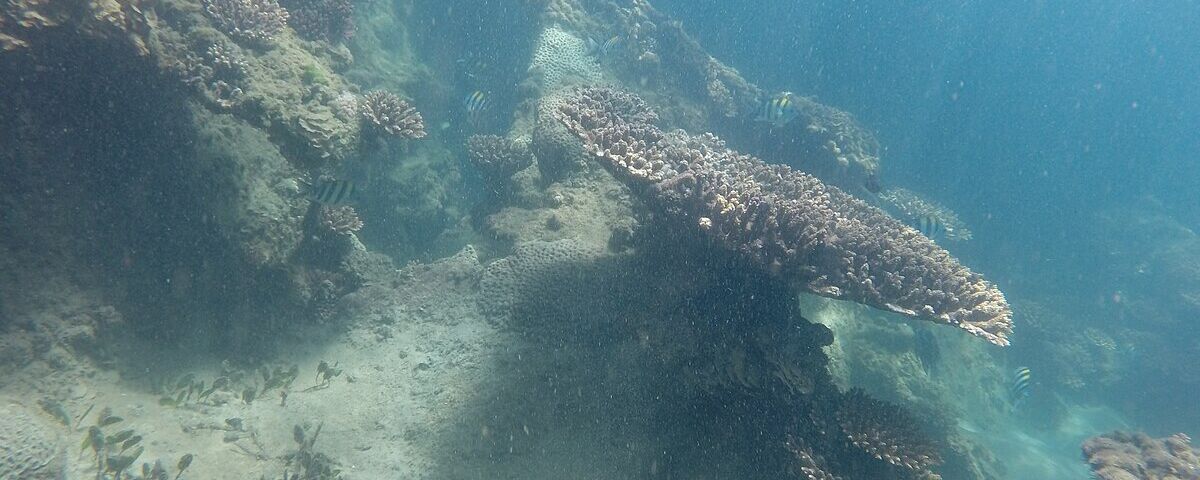
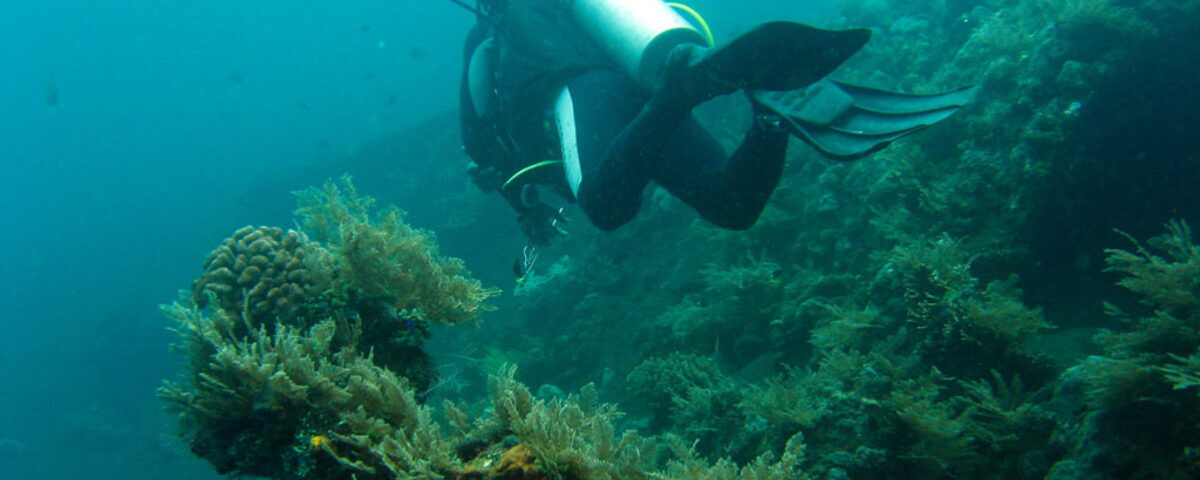
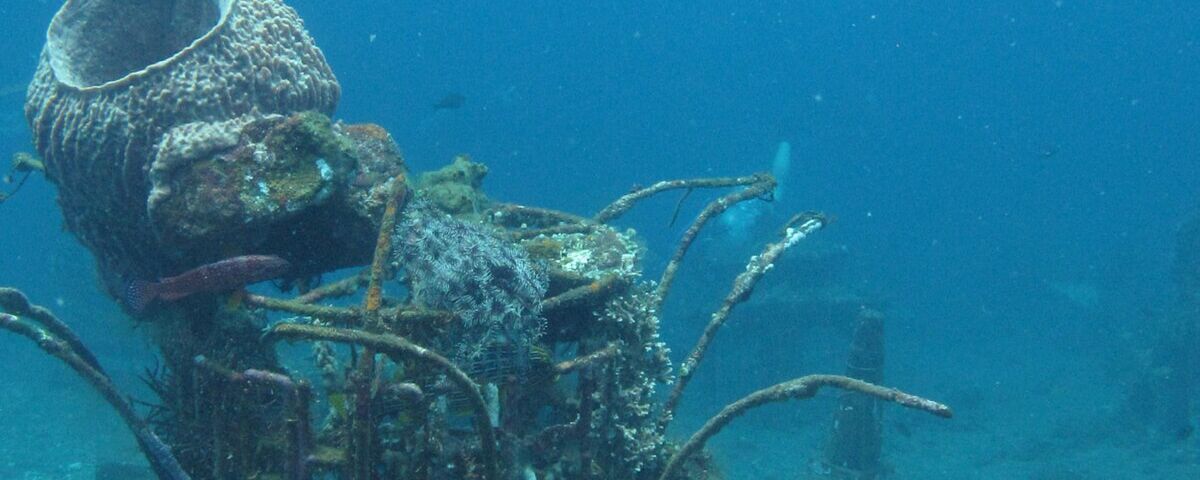
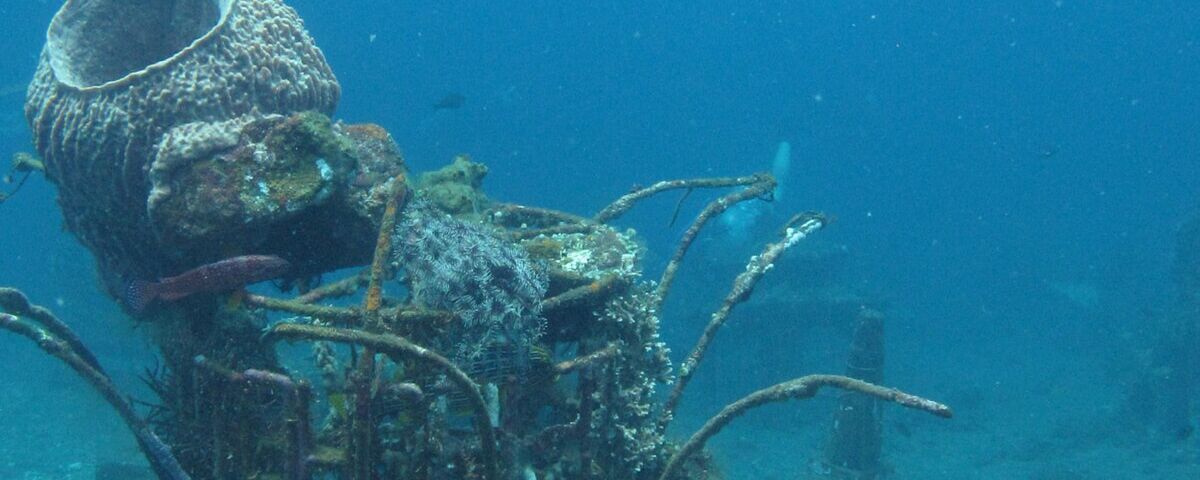
Coral coverage on the hull is substantial, with soft corals and hard corals competing for space on every available surface. The wreck has reached the stage where it functions as a reef rather than a ship, and the fish life reflects this: resident species have established territories, cleaning stations operate on the hull, and the structure provides habitat from the keel to the mast stub.
The Taiei Maru's compact dimensions make it an excellent teaching wreck. Dive instructors use it to introduce wreck diving concepts because the entire vessel can be surveyed in a single dive, the depth is manageable, and the interior spaces are accessible enough to demonstrate wreck penetration principles without the complexity of a larger vessel. If you're taking a wreck diving specialty course in Coron, there's a good chance the Taiei Maru will be your classroom.
The Taiei Maru's condition has stabilised over the decades, with the hull structure reaching an equilibrium between corrosion and biological colonisation. The coral growth actually protects the remaining metal from further degradation, creating a symbiotic relationship between the ship's structure and the reef it now supports. Marine archaeologists consider this stage of wreck evolution, where biological processes have permanently incorporated the human structure into the natural environment, particularly interesting from both scientific and historical perspectives.
Marine Life at Taiei Maru
Schools of glassfish pack the interior spaces, creating the signature Coron wreck experience of shimmering, translucent clouds that part as you pass through. Lionfish station themselves at openings, feeding on the glassfish with calculated precision. The relationship between the two species is the most visible predator-prey dynamic on the Coron wrecks.
The hull exterior is covered in hard coral, soft coral, and sponge growth. Scorpionfish sit on the encrusted surfaces with camouflage that makes them nearly invisible. Moray eels of several species inhabit the pipe work and structural gaps. Nudibranchs crawl on the coral-covered hull plates.
Batfish and sweetlips hover around the superstructure. Snapper school above the deck in loose formations. The occasional black-tip reef shark passes through the area, though shark sightings at the Coron wrecks are less frequent than at the open-ocean sites elsewhere in the Philippines.
The cargo hold area is accessible from above and contains the tanker's internal machinery and pipe work, partially obscured by silt accumulation but still recognisable as industrial equipment. The holds create dark, enclosed spaces that add atmosphere to the dive, particularly when torchlight catches the glassfish schools inside.
The hull plates on the starboard side (now the upper side) show the characteristic vertical lines of lapstrake construction, with overlapping plates riveted together in a pattern that was standard for Japanese shipbuilding of the era. The rivets, now covered in coral growth, form regular patterns along the hull that create interesting visual textures for photography. The construction technique is more visible on the Taiei Maru than on larger wrecks where the scale makes individual hull plates less conspicuous.
Night diving on the Taiei Maru reveals a different wreck. The glassfish that fill the interior during the day disperse at night, and in their place, coral shrimp, crabs, and hunting lionfish occupy the wreck structure. The compact size makes night navigation manageable, and the wreck's isolation on the sand means you can circumnavigate by following the hull without risk of getting lost.
The ambient light conditions inside the holds change throughout the day as the sun angle shifts. Morning dives produce different lighting effects from afternoon dives, and guides who know the wreck well can time visits to specific sections for optimal natural lighting. The glassfish respond to these light changes by shifting their position within the holds, creating dynamic patterns that change with every visit.
Dive Conditions
Depth ranges from 10 metres at the shallowest point to 26 metres at the sand. The profile is similar to the Okikawa Maru and suitable for Advanced Open Water divers. Bottom time of 35 to 45 minutes is typical on air.
Visibility follows the Coron standard: 5 to 15 metres. Current is mild. Water temperature is comfortable at 27 to 30 degrees. The site is sheltered within the bay.
Entry by banca from Coron Town, approximately 20 to 30 minutes. The wreck is usually visited alongside the Okikawa Maru on the same day trip, with a surface interval on the boat between dives.
The Taiei Maru's position in the bay provides excellent shelter from surface conditions. Even on windy days when the exposed wrecks are inaccessible, the Taiei Maru is usually diveable. This reliability makes it a valuable backup option for operators managing weather-dependent schedules.
The wreck is small enough that groups can split into two for photography purposes: one group explores the exterior while the other works the interior, then they swap. This rotation system reduces the number of divers in any one area and allows photographers to work without other divers in their frames. It requires coordination between guides but produces significantly better results.
⚓ Divemaster Notes
The Taiei Maru is the wreck I recommend for divers who want to feel like they've genuinely explored a ship rather than just visited one. The compact size means you can swim the entire hull in 35 minutes and still have time for the holds and the deck equipment.
The glassfish in the interior are one of Coron's best photographic subjects. The trick is to approach slowly and let the school settle after your entry disturbs them. Give them 30 seconds and they'll reform into dense clouds that look spectacular when backlit by your torch. Have your buddy position their light behind the school while you shoot from the front.
Pair this dive with the Okikawa Maru for the best day of wreck diving in Coron at the intermediate level. Start with the Taiei Maru (slightly deeper, smaller, faster to explore) and then do the Okikawa Maru second (shallower bow for off-gassing, bigger structure for longer exploration).
The silt inside the holds is thick and easily disturbed. Frog-kick only inside the wreck, and never touch down on the bottom. Even a slight fin contact will reduce visibility to zero within seconds, which is disorienting and potentially dangerous in an enclosed space.
For photographers interested in wreck interiors, the Taiei Maru offers the most accessible interior lighting conditions in Coron. The collapsed deck sections allow natural light to filter into the holds, creating atmospheric lighting effects that larger, more enclosed wrecks don't provide. Position your buddy with a torch behind the glassfish clouds for backlit shots that capture the ethereal quality of these interior environments.
For new wreck divers, the Taiei Maru teaches spatial awareness in a controlled environment. The compact dimensions mean you're never far from the exit, but the wreck's structure still requires you to navigate around bulkheads, through holds, and past obstructions. These are the fundamental skills that more complex wreck penetration dives demand, and practising them here builds confidence for the larger Coron vessels.
How to Get to Taiei Maru
Coron Town is the base, reached by direct flights from Manila to Busuanga Airport (1 hour) plus a 30-minute van transfer. The Taiei Maru is about 20 to 30 minutes by banca from Coron harbour. It's typically paired with the nearby Okikawa Maru for a two-wreck dive day.
The Taiei Maru is located close to the Okikawa Maru, making it easy to dive both wrecks in a single day trip. The boat simply repositions between the two sites during the surface interval, and the short transit time means more time in the water and less time on the boat.
Gear Recommendations
3mm or 5mm wetsuit. Torch essential for interior spaces. Dive computer with recreational settings. SMB for ascent. Wide-angle lens for hull and glassfish shots. Backup torch recommended for any wreck diving.
Recommended Dive Operators
The same Coron wreck specialists handle this site: D'Divers Coron, Coron Divers, and Sea Dive Resort all include the Taiei Maru in their wreck diving rotations. The site is part of the standard three-wreck day trip offered by most operators.
Liveaboard Options
Day trips from Coron Town are the standard access method. Liveaboard visits are possible but unnecessary given the proximity to town.