Irako Maru Dive Site
Coron (Palawan), Philippines · Near Coron Town
Overview
The Irako Maru sits upright on the sandy bottom at 43 metres, the deepest of Coron's accessible Japanese wrecks and arguably the most rewarding for experienced divers willing to manage the depth. This 147-metre refrigeration vessel was part of the Japanese supply fleet sunk by American aircraft on 24 September 1944, and she's been resting in Coron Bay ever since, largely intact and increasingly colonised by marine life.
The depth is the defining characteristic. The deck sits at around 28 to 33 metres, the sand at 43 metres, and the superstructure rises to about 24 metres at the shallowest point. This is deep diving by any standard, and on air the available bottom time is limited to roughly 15 to 20 minutes before decompression obligations demand an ascent. Technical divers on trimix can extend this significantly, but recreational divers need to plan carefully and accept that this is a look-and-ascend dive rather than a thorough exploration.
What you see in those compressed minutes is worth the effort. The Irako is remarkably well preserved. The bow is intact, the stern section has collapsed somewhat but remains recognisable, and the cargo holds are open for inspection if you have the depth certification and nerve to drop inside. The ship's refrigeration equipment, including coils and machinery, is visible in the holds, a tangible reminder of the vessel's role supplying Japanese garrisons across the Pacific.
The Irako sits in the shadow of the other Coron wrecks, which are shallower and more frequently dived. But experienced wreck divers consistently rate it as the most atmospheric and rewarding of the collection. The depth filters out the casual visitors, and it's common to have the wreck entirely to yourself.
The historical context of the Irako adds weight to the dive. This ship was part of the supply network that sustained Japanese operations across the western Pacific, carrying refrigerated supplies to garrisons scattered across thousands of kilometres of ocean. Her sinking, along with the rest of the Coron fleet, represented a significant logistical blow to Japanese operations in the Philippines. Diving the Irako connects you to this history in a way that books and museums cannot replicate.
Marine Life at Irako Maru
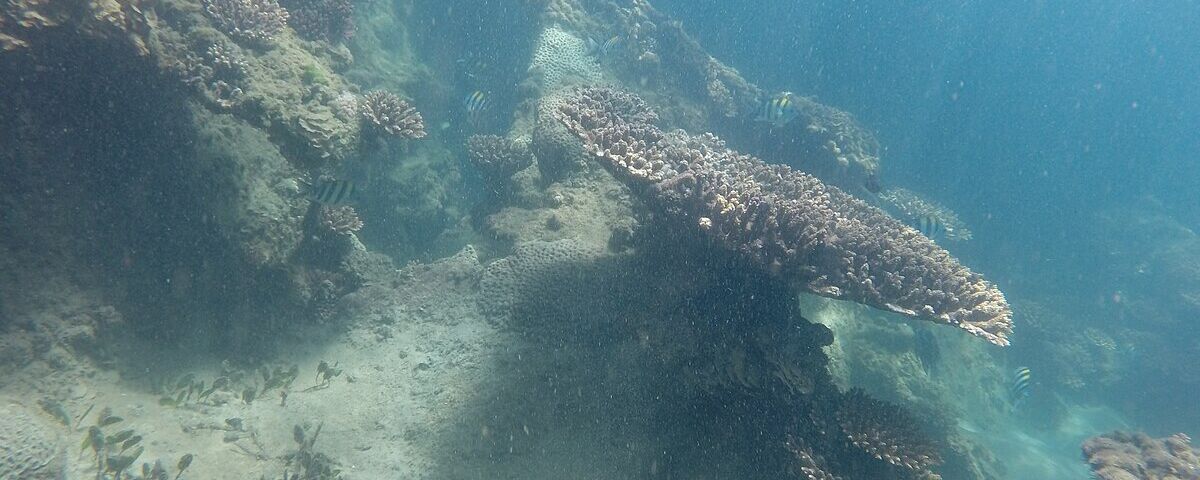
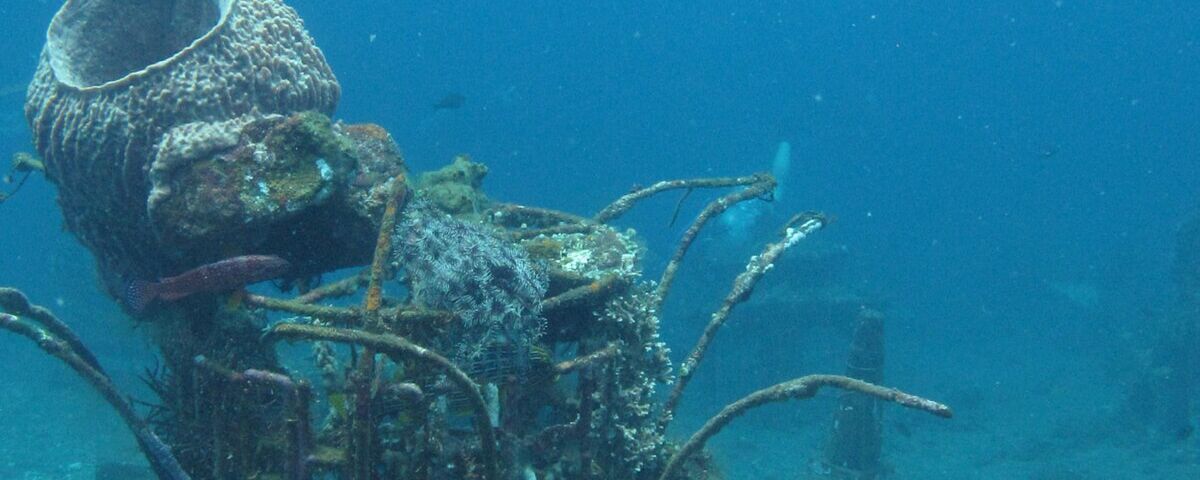
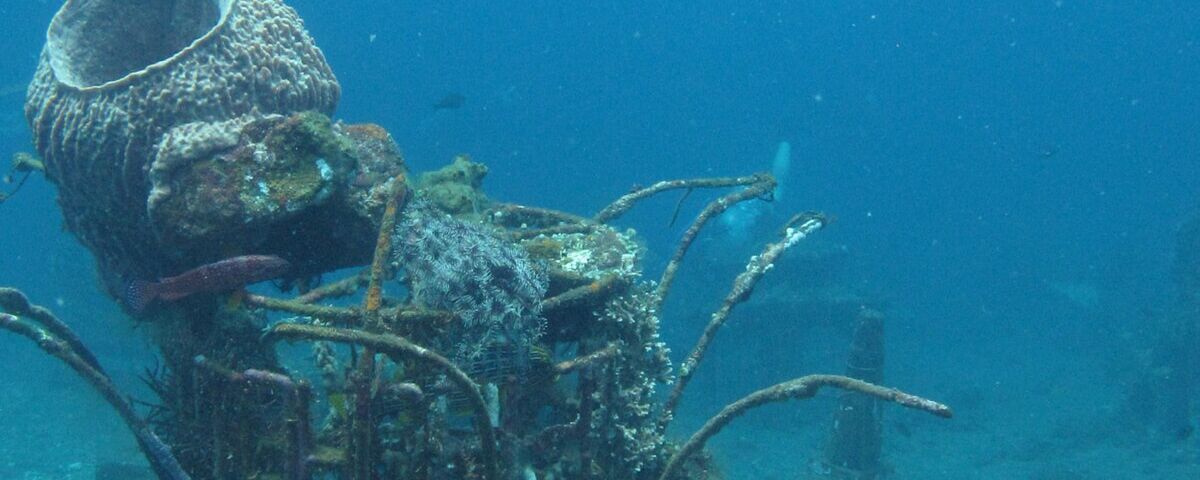
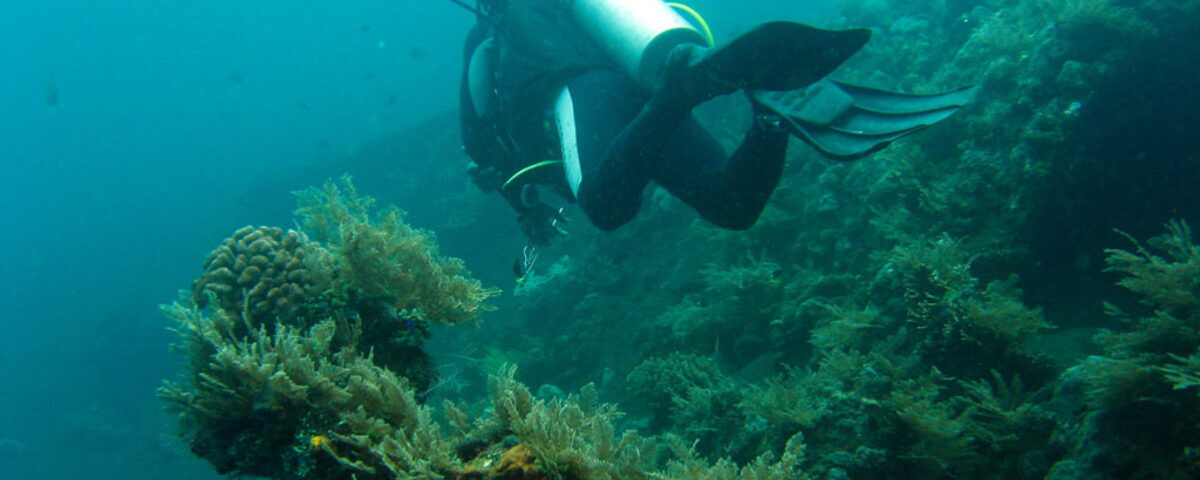
The Irako's hull is encrusted with hard and soft corals that have colonised every surface over eight decades. Barrel sponges grow from the deck, gorgonian fans spread across the superstructure, and black coral bushes sprout from the railings and mast stubs. The coral growth is dense enough that sections of the ship look more like reef than wreck, particularly around the bow area.
Large groupers inhabit the interior spaces, some of them genuinely large fish that have spent years in the wreck's protected environment. Lionfish hover under overhangs and along the hull plates. Batfish drift above the deck in small schools, seemingly indifferent to the depth. Scorpionfish blend into the coral-encrusted surfaces with near-perfect camouflage.
The cargo holds are accessible to qualified divers, and the refrigeration machinery inside is the site's unique feature. Coils, compressors, and pipe work are visible, preserved by the cold, deep water. The holds are dark and require torches, and the particulate matter inside makes silting a risk for divers without wreck penetration experience.
The sand around the wreck base hosts garden eels, stingrays, and the occasional nurse shark resting in the shade of the hull. The water column above the wreck sometimes holds schools of jacks and barracuda, particularly when current is running lightly across the site.
The wreck's eight decades of immersion have created a mature artificial reef ecosystem. The succession from bare metal to pioneer species to the diverse coral community now present on the hull follows predictable ecological patterns, but seeing the end result of 80 years of natural colonisation is remarkable. The Irako demonstrates that given enough time and protection from further disturbance, shipwrecks can become genuinely productive marine habitats.
The bow section of the Irako is the most photogenic area, with the ship's forward mast stubs rising from the deck and coral-covered railings framing views along the hull. The scale of the bow at depth, disappearing into the murk below and stretching away in both directions, creates a sense of the ship's original size that photographs from the mid-section don't convey as effectively.
Dive Conditions
Depth is the primary consideration. The wreck sits in water that starts at 24 metres (top of superstructure) and bottoms out at 43 metres (sand). On air with a 40-metre depth limit, your usable bottom time at the deck level (28 to 33 metres) is roughly 15 to 20 minutes. Plan your dive, dive your plan, and do not exceed your limits. The depth is real and the consequences of overextending are serious.
Visibility at the Irako is typically lower than at the shallower Coron wrecks, ranging from 5 to 15 metres. The deep water tends to hold more particulate matter, and the thermocline between the warm surface layer and the cooler deep layer can create a hazy transition zone. Torches are essential for seeing anything inside the holds or under overhangs.
Current is typically mild at this depth, rarely more than a gentle drift. Water temperature at the wreck can drop to 24 to 25 degrees below the thermocline, noticeably cooler than the surface layer. A 5mm suit or thicker is advisable.
Entry is by banca (traditional Filipino outrigger boat) from Coron Town, about 30 to 45 minutes to the dive site. The site is suitable only for Advanced Open Water divers with deep diving experience, and ideally for divers with Deep Diver specialty certification or technical training.
The thermocline transition on the Irako is noticeable and physically uncomfortable. As you descend through approximately 15 to 18 metres, the water temperature drops by 3 to 5 degrees over just a few metres. This temperature change can cause your regulator to free-flow briefly and will make you reach for a hood if you brought one. The cold at depth also increases air consumption, which further limits your available bottom time.
⚓ Divemaster Notes
The Irako is my favourite Coron wreck, and I'll tell you exactly why: the depth keeps the crowds away. While groups of 15 divers pile onto the Okikawa Maru and the Kogyo Maru, I can take four experienced divers to the Irako and we'll have the entire 147 metres of ship to ourselves.
Plan the dive conservatively. I brief a maximum depth of 38 metres (deck level at the stern, which is the deepest easily accessible point) with a total bottom time of 18 minutes. That gives us time to swim the length of the wreck, peer into the holds, and begin a controlled ascent before NDL gets tight. Some guides push deeper or stay longer. I've had enough close calls in 25 years of wreck diving to know that conservative planning is the only planning that works over a career.
The ascent is the most critical phase of this dive. You'll be doing an extended safety stop, and the thermocline transition from cold deep water to warm shallow water can cause buoyancy shifts that catch people off guard. Control your ascent rate carefully through the thermocline. I've seen divers rocket from 10 metres to the surface because they didn't vent their BCD as the expanding warm water increased their buoyancy.
Nitrox is not useful for this dive. The depth exceeds the safe operating limit for standard EAN32, and EAN28 doesn't provide meaningful benefit at these depths. If you want more time on the Irako, the answer is technical training and trimix, not Nitrox.
Bring a good torch. Not a backup light, not a phone torch, but a proper 1000-lumen dive torch. The wreck interior at 35 metres is genuinely dark, and you cannot see the details that make this dive special without proper illumination.
The best time to photograph the Irako is during the midday period when the overhead sun sends the most light to the wreck's depth. Morning and late afternoon dives have atmospheric qualities but the reduced light at 35 metres makes photography significantly more challenging. If you're making a single dive on the Irako, schedule it for the 10:00 AM to 2:00 PM window.
How to Get to Irako Maru
Coron Town on Busuanga Island is the base for all Coron wreck diving. Direct flights from Manila to Busuanga Airport (Francisco B. Reyes Airport) take about 1 hour, with several airlines operating daily services. From the airport, a 30-minute van ride reaches Coron Town. Some resorts arrange airport transfers.
The Irako site is approximately 30 to 45 minutes by banca from Coron Town harbour. Most operators include it on advanced wreck diving day trips alongside one or two shallower wrecks, using the shallower dives for off-gassing after the deep Irako profile.
Coron is a popular tourist destination beyond diving, with limestone karst landscapes, freshwater lakes, and island-hopping tours attracting non-diving visitors. Accommodation ranges from budget guesthouses in town to resort-style properties on nearby islands.
Gear Recommendations
5mm wetsuit or thicker for the cold deep water. Primary dive torch plus backup light. Dive computer with deep diving alerts set conservatively. SMB for the ascent (mandatory). Reef hook unnecessary. Wide-angle lens for exterior hull shots; macro unnecessary at these depths. Consider technical diving equipment (doubles, stage bottles) if pursuing wreck penetration.
Recommended Dive Operators
D'Divers Coron has the most experience with the deeper wrecks and offers technical diving support for extended Irako explorations. Coron Divers specialises in wreck diving with guides who know the interior layout of each vessel. Sea Dive Resort offers reliable access with well-maintained gear. For technical diving, Sangat Island Dive Resort provides trimix support and dedicated deep wreck packages.
Liveaboard Options
Coron is not a typical liveaboard destination; the wrecks are all accessible by day trip from Coron Town. Some Philippine liveaboards include Coron as part of wider Palawan itineraries, but the day-trip format from town-based operators is the standard and most practical access for the wreck sites.