Kogyo Maru Dive Site
Coron (Palawan), Philippines · Near Coron Town
Overview
The Kogyo Maru is Coron's most popular wreck for good reason: it combines accessible depth, impressive size, and a cargo hold so overgrown with marine life that it looks like an underwater garden planted inside a ship. This 130-metre supply vessel sits upright at 34 metres with her upper deck at around 16 to 22 metres, putting the most interesting sections within comfortable recreational diving range.
The ship was carrying construction supplies when she was sunk during the September 1944 air raid, and the evidence is still visible. Cement bags, now solidified into stone blocks, are stacked in the cargo holds alongside construction materials and vehicle parts. The passage of time has turned this industrial cargo into habitat: corals grow on the cement blocks, sponges colonise the vehicle frames, and the entire hold has become a thriving micro-ecosystem.
The cargo holds are the Kogyo Maru's signature feature. They're large, open from above (the deck plates have rusted away in sections), and flooded with enough light to support substantial coral and sponge growth. Swimming above an open hold and looking down into a green, coral-filled interior space that was once packed with military supplies is an experience unique to this particular wreck.
The exterior hull is equally rewarding, with dense coral coverage and the typical Coron wreck community of scorpionfish, lionfish, batfish, and schooling glassfish. The ship's substantial size means there's always more to see on a return visit, and most divers who come to Coron for the wrecks end up diving the Kogyo Maru at least twice.
The Kogyo Maru's cargo tells a story of military logistics. Construction materials, vehicle parts, and engineering supplies were being transported to build and maintain infrastructure across the Japanese-occupied Philippines. The solidified cement bags, now serving as coral substrate, represent a literal transformation of military purpose into ecological function. This intersection of history and biology is visible nowhere more clearly than in the Kogyo Maru's cargo holds.
The Kogyo Maru occupies a sweet spot in the Coron wreck collection: deep enough to feel like a proper wreck dive, shallow enough for comfortable bottom time, large enough to be impressive, and distinctive enough (the cargo holds) to be memorable. It's the wreck that most visiting divers remember most fondly, and it's the one that local guides are most enthusiastic about sharing.
Marine Life at Kogyo Maru
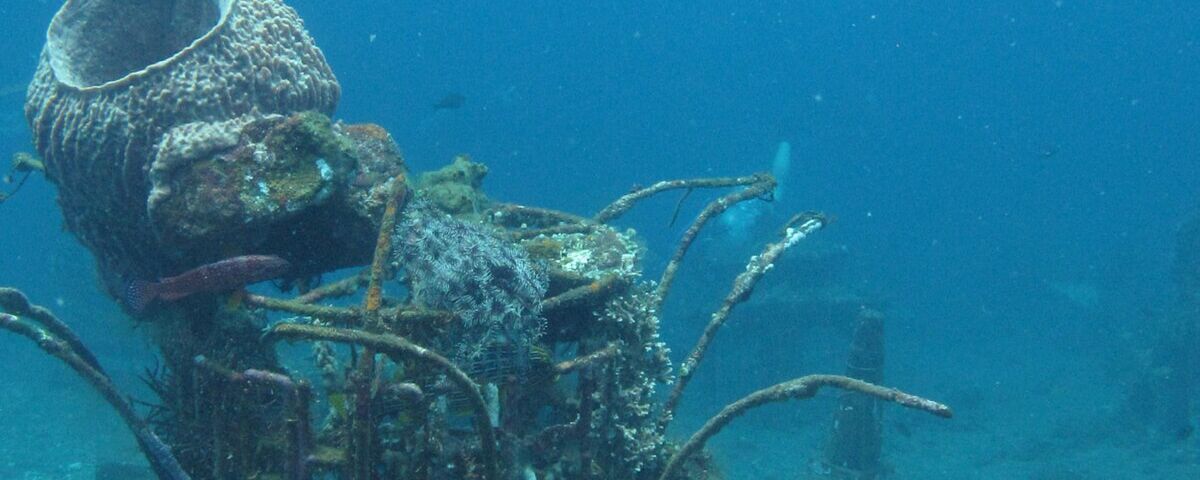
The open cargo holds are the centrepiece. Inside, cement bags have fused into concrete masses that now serve as substrate for soft corals, sponges, and hard coral formations. The combination of industrial cargo and tropical marine life creates surreal compositions: pink soft coral growing from a stack of cement blocks, a scorpionfish sitting on a vehicle chassis, anemonefish colonising a winch mechanism.
Schools of batfish are the Kogyo Maru's most photogenic residents, drifting above the deck and holds in groups of 5 to 15 individuals. Their flat, circular profiles and unhurried movement make them reliable subjects for wide-angle photography. Sweetlips cluster under overhangs throughout the superstructure.
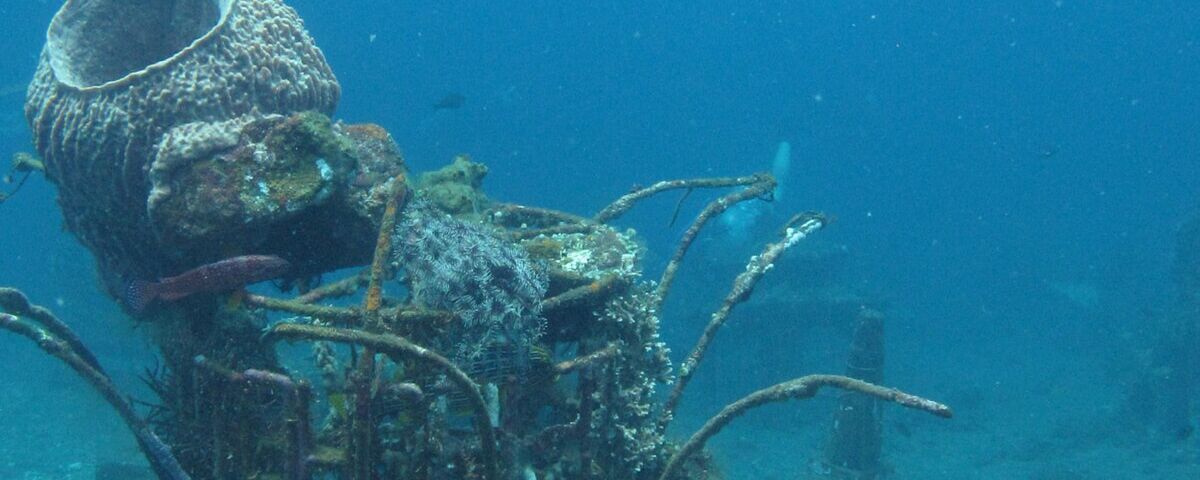
The hull exterior supports dense coral and sponge growth, with barrel sponges, sea fans, and encrusting corals competing for space on every surface. Lionfish are common at hold entrances and along the hull plates. Giant groupers inhabit the larger interior spaces, sometimes startling divers who round a corner and come face to face with a fish weighing 30 kilograms.
The forward mast, still standing, is covered in coral and acts as an aggregation point for schooling fish. Fusilier and snapper circle the mast, and the structure creates a dramatic photographic element against the blue water above. Nudibranchs and flatworms are present on the coral-covered surfaces for macro enthusiasts.
The vehicle chassis in the forward hold deserve close examination. Despite eight decades of immersion, the basic shapes of military vehicle frames are recognisable: axles, springs, and wheel hubs can be identified among the coral growth. The vehicles were being shipped unassembled, which means individual components are scattered throughout the hold, each one slowly becoming part of the reef.
Anemonefish have established colonies on several structures within the holds, creating improbable domestic scenes: orange and white clownfish tending their eggs on a piece of military hardware that last saw daylight in 1944. These juxtapositions between war material and marine life are the Kogyo Maru's distinctive contribution to the Coron wreck diving experience.
The batfish that frequent the Kogyo Maru are among the most photographed subjects in Coron. Their flat, disc-like bodies and unhurried movement make them cooperative subjects, and the wreck backdrop adds context and drama to the images. Position yourself below the batfish group and shoot upward, using the wreck structure as a frame and the blue water above as negative space.
Dive Conditions
Depth ranges from 12 metres (top of mast/superstructure) to 34 metres (sand at the keel). The main deck sits at 16 to 22 metres, which is where most of the dive takes place. Advanced Open Water certification is required for the full wreck experience, though the upper structure is accessible to Open Water divers in calm conditions.
Visibility is 5 to 15 metres, standard for Coron Bay. Current is mild. Water temperature is 27 to 30 degrees at the surface with a slight cooling at the deeper hull sections.
Bottom time on air is 30 to 40 minutes for a deck-level dive, longer if staying above 18 metres. Entry by banca from Coron Town, 20 to 30 minutes. Descent is via a line fixed to the wreck.
Nitrox is particularly beneficial on the Kogyo Maru, where extended time at the 18 to 20 metre deck level allows thorough exploration of the cargo holds without the pressure of approaching NDL limits. On air, bottom time at the deck is adequate but not generous; on EAN32, you gain an additional 10 to 15 minutes that make the difference between a rushed survey and a thorough exploration.
⚓ Divemaster Notes
The Kogyo Maru is the dive I use to sell people on Coron wreck diving. The cargo holds are dramatic, the marine life is dense, and the depth is manageable enough that divers can actually relax and enjoy the experience rather than anxiously watching their gauges.
The open cargo holds are safe to look into from above but require caution if entering. The rusted deck plates surrounding the hold openings can be sharp and unstable. Stay on established paths and don't put weight on sections of deck that look thin or corroded.
The cement bag cargo is one of the most photographed features in Coron. For the best shots, position yourself at the hold edge and shoot downward into the interior with available light from above. The shafts of sunlight penetrating through the deck gaps create natural spotlighting effects on the coral growth.
I always brief divers on the vehicle parts visible in the forward hold. Most people don't realise they're looking at military vehicle chassis until someone points it out. The frames are recognisable but heavily encrusted, creating one of those fascinating intersections between human history and natural reclamation.
Watch your depth on the stern section. The deck drops to 22 metres and the hull continues to 34 metres at the sand. It's easy to drift deeper than planned while exploring the hull exterior, especially when visibility is limited and you lose your depth reference.
The Kogyo Maru is the wreck where I spend the most time on pre-dive briefings, because the cargo is the feature and divers need to know what they're looking at. Without context, the cement bags are just rectangular shapes on the bottom. With context, they're military construction supplies that were heading to build Japanese installations when the bombs fell. The narrative transforms the dive from 'nice wreck' to 'genuinely moving experience.'
The forward mast of the Kogyo Maru is one of the best vantage points on any Coron wreck. Ascending along the mast during your safety stop puts you above the wreck structure, looking down at the deck and holds from a bird's-eye perspective that provides a sense of the ship's overall layout. From this position, the relationship between the different sections of the ship becomes clear, and you can see the distribution of marine life across the wreck in a single view.
How to Get to Kogyo Maru
Coron Town on Busuanga Island. Direct Manila flights (1 hour) to Busuanga Airport, 30-minute van to town. The Kogyo Maru is approximately 20 to 30 minutes by banca from Coron harbour. Featured on virtually every Coron wreck diving package.
The Kogyo Maru is the wreck most commonly featured in Coron's dive trip marketing, and every operator includes it in their standard packages. If choosing between operators, ask about group sizes; smaller groups (4 to 6 divers) provide a significantly better experience at the Kogyo Maru than larger groups (10 to 12 divers), particularly in the cargo holds where space is limited.
Gear Recommendations
3mm to 5mm wetsuit. Torch essential. Dive computer. SMB for ascent. Wide-angle lens is the priority for the holds and hull shots. Backup torch recommended. Nitrox worthwhile if you want extended time at the 16 to 22 metre deck level.
Recommended Dive Operators
D'Divers Coron, Coron Divers, and Sea Dive Resort all offer excellent guided Kogyo Maru dives. This is the wreck most operators use as their flagship dive, and guide quality is generally high across operators because of the site's popularity and familiarity.
Liveaboard Options
Day trips from Coron Town are the standard and most practical access. The Kogyo Maru is within easy reach of all town-based operators.