Dive Sites in Puerto Galera (Mindoro), Philippines
5 dive sites in Puerto Galera (Mindoro)
Sitting on the Verde Island Passage, sometimes called the centre of the centre of marine biodiversity. Puerto Galera has 40+ dive operators and 30+ sites covering current-swept canyons, deliberately sunk wrecks, and macro-rich slopes. Two hours from Manila by road and boat, with fun dives from $20. Browse all Puerto Galera dive sites below.
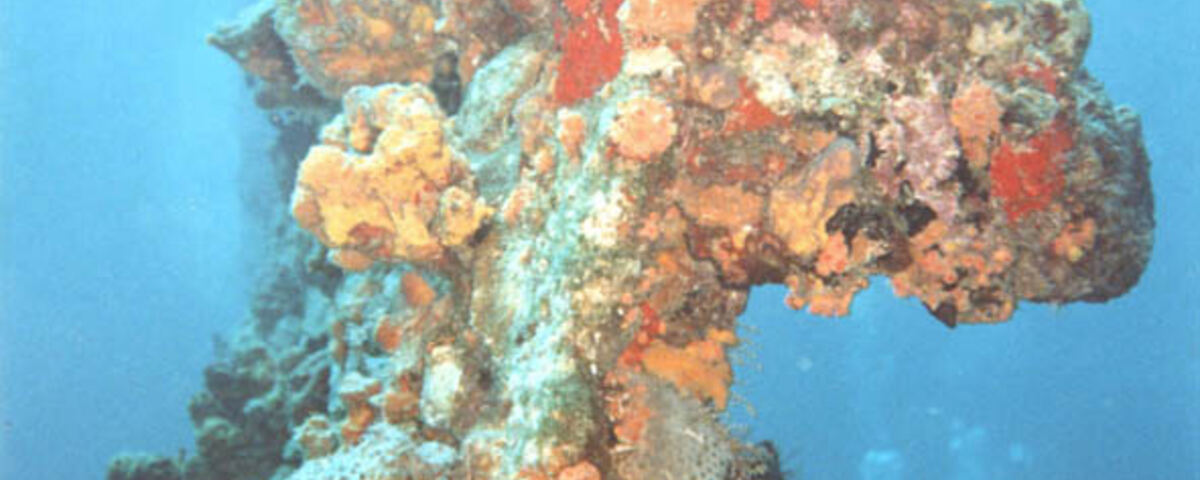
The Alma Jane is a purpose-sunk wreck sitting upright on the sandy bottom off Sabang Beach, and it has become one of the best artificial reef dive sit...
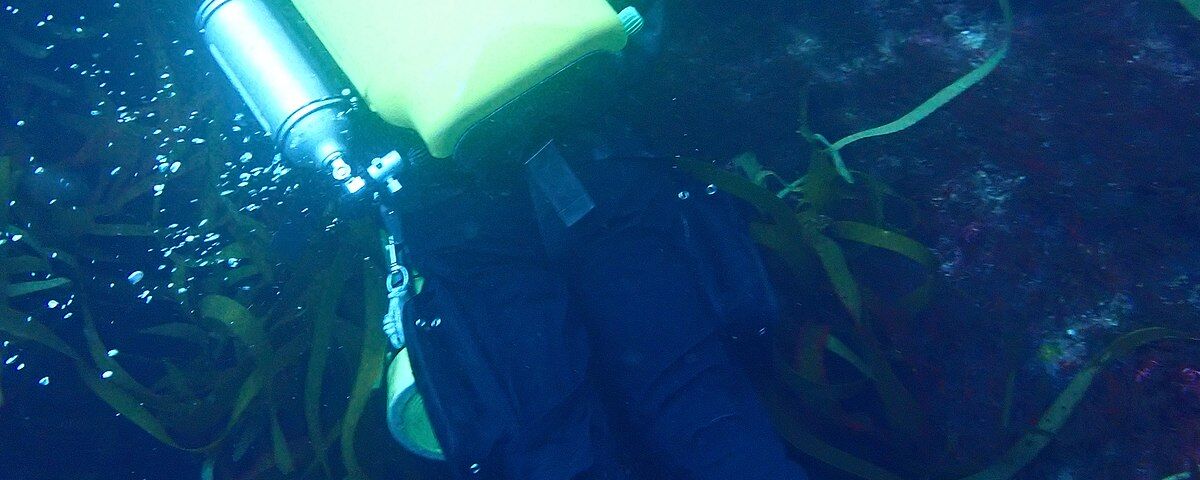
Canyons is Puerto Galera's signature dive, a series of dramatic coral-covered ravines carved into the reef that channel current, concentrate marine li...
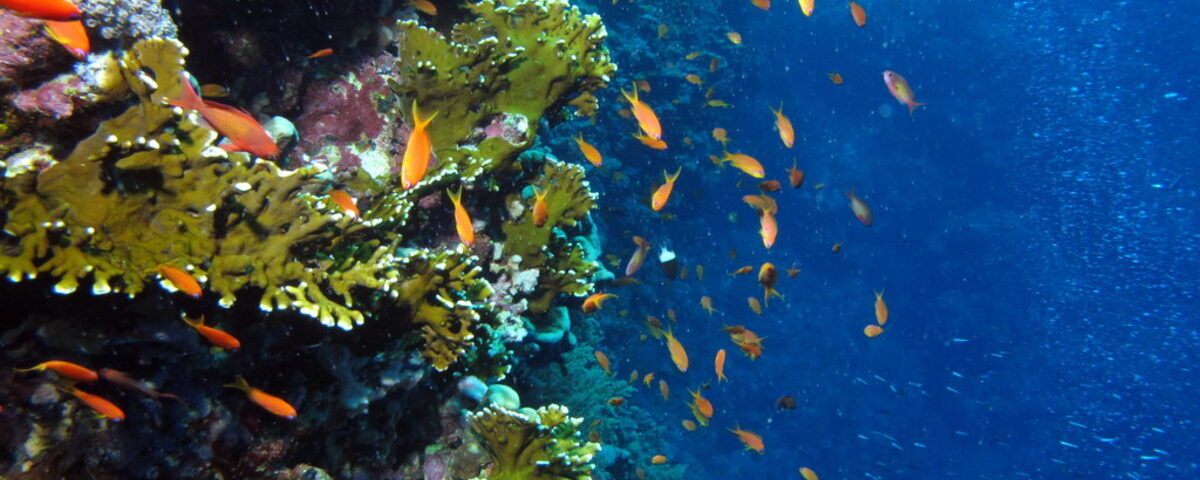
Hole in the Wall takes its name from a natural opening in the reef wall at about 18 metres depth, large enough for divers to swim through single file....
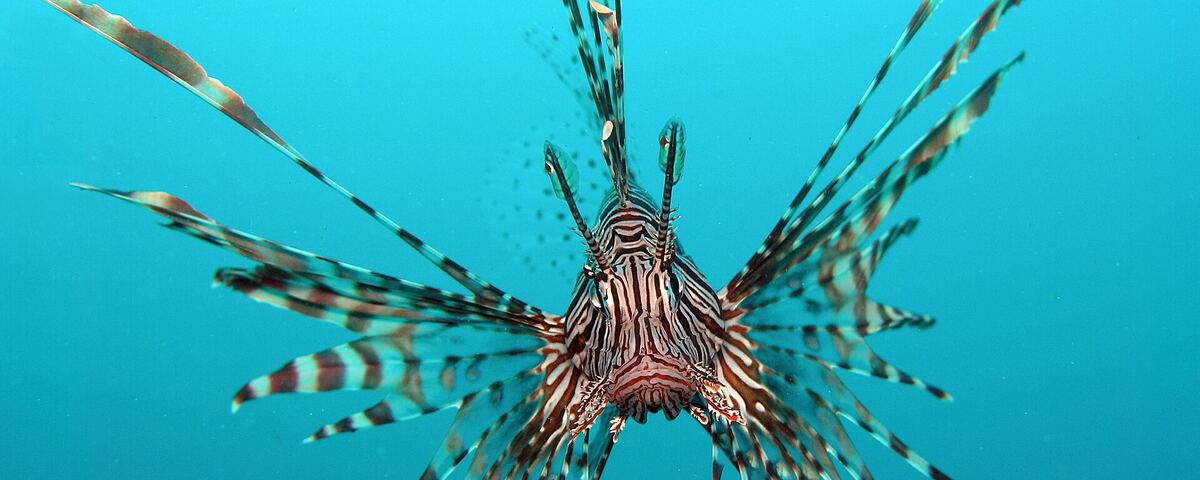
Sabang Wrecks is a collection of three small vessels scuttled in the sandy bay off Sabang Beach, sitting at depths accessible to newly certified diver...
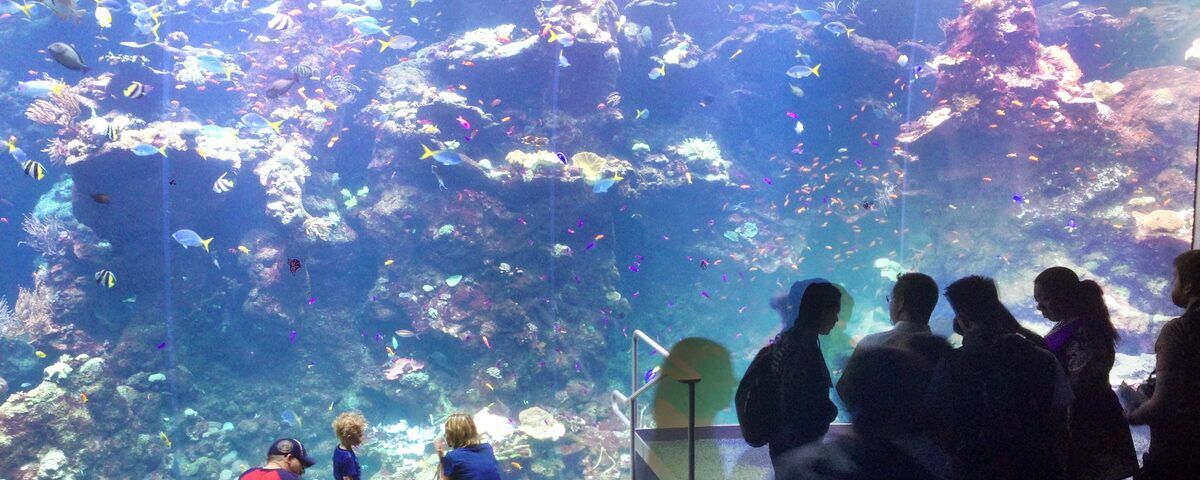
Sinandigan Wall is the gentle giant of Puerto Galera's dive sites: a long, continuous wall running along the Sinandigan point with some of the healthi...
The Verde Island Passage, the narrow strait between Mindoro and Batangas, has been called the centre of the centre of marine biodiversity. Puerto Galera sits right on it. With 40+ dive operators and over 30 named dive sites, diving in Puerto Galera has been a training and fun-diving hub for decades, and the marine life density remains exceptional.
The diving here is varied. Canyons (literally named "The Canyons") cut through reef walls where strong currents funnel nutrients and attract schools of trevally, batfish, and sweetlips. Sabang Point and Sabang Wrecks offer gentler profiles suitable for Open Water divers. Alma Jane, a deliberately sunk cargo vessel, sits upright at 30 metres with excellent coral growth. Holes in the Wall features swim-throughs packed with soft coral and nudibranchs.
Puerto Galera has a reputation as a training destination, and that's fair: the combination of affordable courses, calm shallow sites, and reliable conditions makes it popular for certifications. But dismissing it as a beginner spot would be a mistake. The deep channels between Sabang and Escarceo Point produce current-swept dives with genuine big-fish action, and the macro diversity along the slopes rivals sites twice as famous.
Getting here is straightforward. Drive 2 hours south from Manila to Batangas port, then take a 1-hour bangka crossing to Sabang or White Beach. Some operators arrange direct transfers from Manila airport. Costs are among the lowest in the Philippines, with fun dives around $20 to $30. The best diving conditions fall between November and May, though the sites are diveable year-round. Typhoon season (July to October) occasionally disrupts boat crossings.