Amos Rock Dive Site
Tubbataha (Palawan), Philippines · Near Puerto Princesa
Overview
Amos Rock is one of the premier wall dives at Tubbataha Reefs Natural Park, a UNESCO World Heritage Site sitting in the middle of the Sulu Sea, 150 kilometres from the nearest land. The isolation is Tubbataha's defining characteristic. No coastal run-off, no fishing pressure, no construction, no pollution. Just pristine reef in the middle of open ocean, protected by one of the most effective marine park management systems in Southeast Asia.
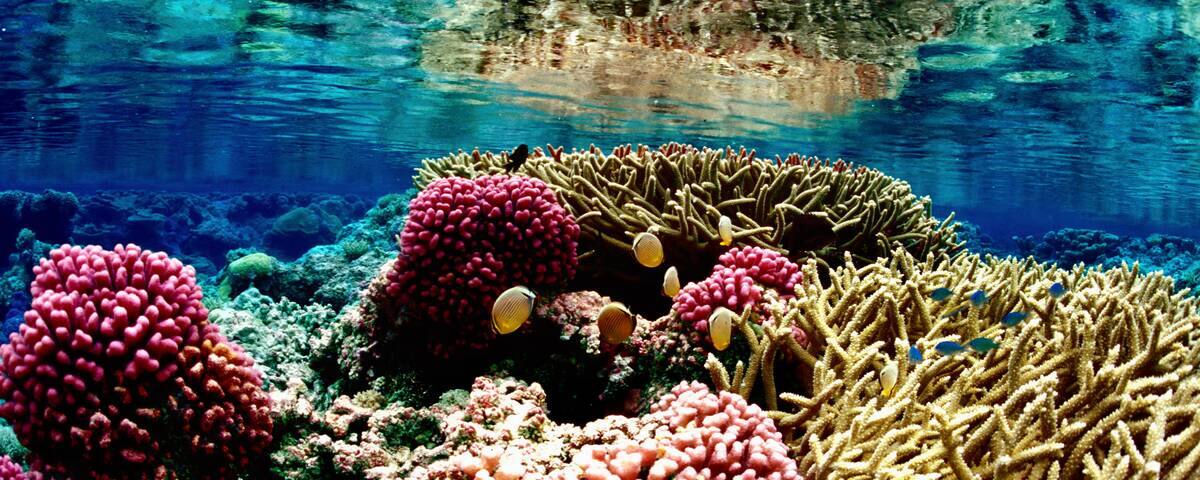
The wall at Amos Rock drops vertically from 5 metres into deep blue water, covered in sea fans, soft corals, and sponges that thrive in the current-fed, nutrient-rich water. The coral health here sets a standard that mainland Philippine reefs simply cannot match. Everything is bigger, denser, and more vivid than what you'll see at coastal sites, and the water clarity (frequently exceeding 30 metres) means you can appreciate the full scale of the wall from a single position.
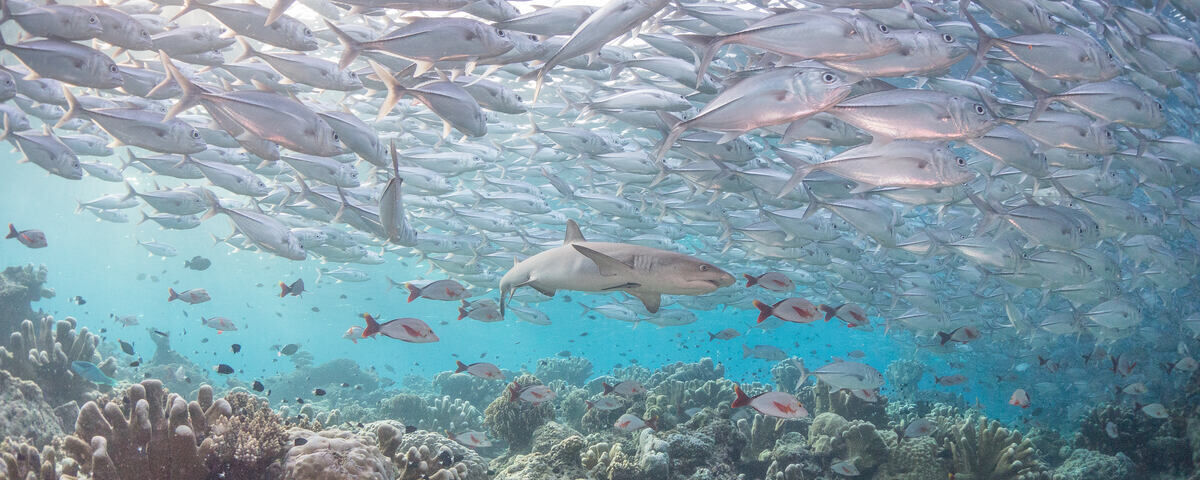
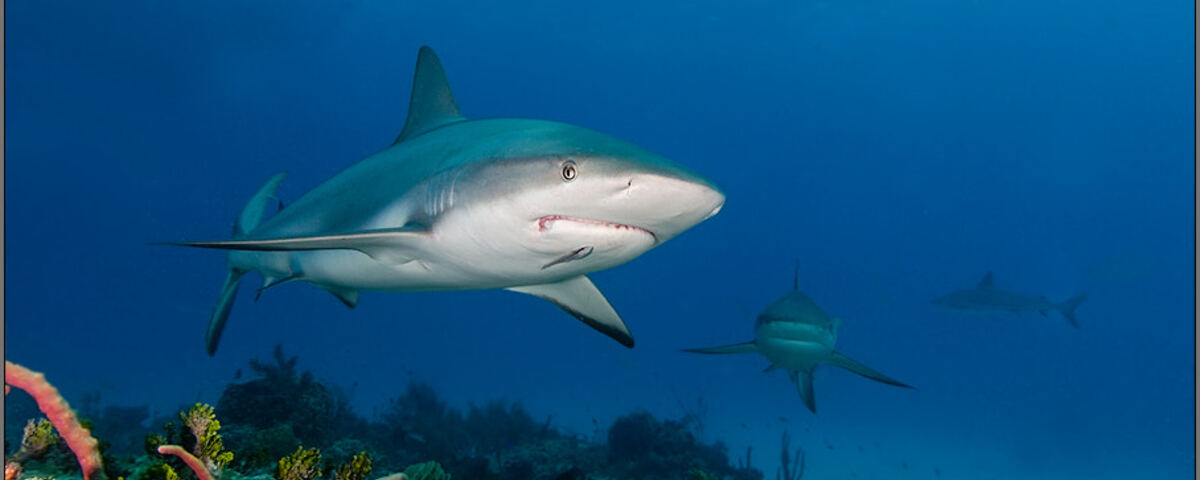
Shark encounters at Amos Rock are routine. Grey reef sharks, white-tip reef sharks, and the occasional hammerhead patrol the wall edge. Turtle traffic is heavy. Schools of jacks and barracuda circle in the blue water beyond the wall's lip. The biomass here reflects what happens when a reef is left alone for decades: everything returns to abundance.
Access to Tubbataha is liveaboard only, with the park open to divers for just three to four months each year (March to June), when the seas between Palawan and the reef are calm enough for the 10 to 12 hour overnight crossing from Puerto Princesa. This limited access is part of the management strategy that keeps Tubbataha pristine, and it means every dive here feels earned.
The management of Tubbataha Reefs Natural Park is often cited as a model for marine protected area management in the developing world. The park's management office, based in Puerto Princesa, employs park rangers who live at the reef year-round, operating from a permanent ranger station on the North Atoll. Their presence deters illegal fishing, and the park's strict regulations limit the number of liveaboards that can operate in the park simultaneously.
Marine Life at Amos Rock
Grey reef sharks are the most commonly sighted sharks at Amos Rock, patrolling the wall edge in groups of 2 to 8. White-tip reef sharks rest on ledges and in crevices throughout the wall. The occasional black-tip appears in the shallower sections. Hammerhead sharks are reported at the deeper sections of the wall, though sightings are less predictable than the reef shark encounters.
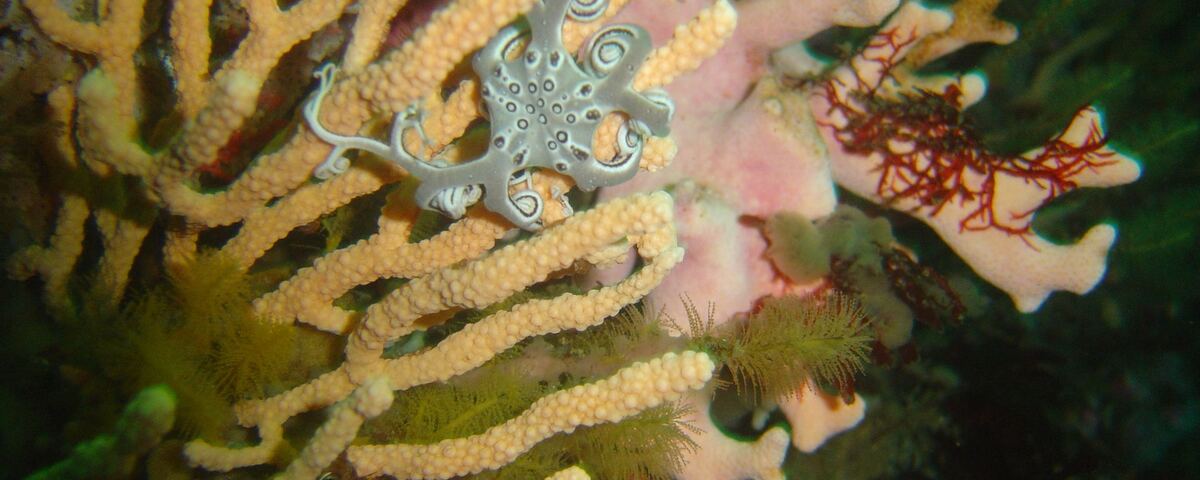
The wall itself is covered in gorgonian sea fans of impressive size, barrel sponges, and soft corals in vivid purples, reds, and oranges. The coral health is outstanding: no bleaching damage visible, no bomb fishing scars, no anchor impacts. This is what a healthy Indo-Pacific wall looks like, and it's becoming increasingly rare.
Green and hawksbill turtles are common, often seen feeding on the wall's sponge and algae growth. Schools of big-eye trevally form spiralling columns in the blue water. Barracuda school at the wall edge. Napoleon wrasse of genuinely large size drift past with unhurried confidence.
The reef flat above the wall (5 to 10 metres) is a nursery for juvenile fish and provides habitat for clown triggerfish, titan triggerfish (watch for nesting behaviour), and dense populations of reef fish. Manta rays visit Tubbataha waters, though Amos Rock is not a primary cleaning station.
Macro life is present but secondary to the wide-angle spectacle. Nudibranchs, flatworms, and commensal shrimp are found on the wall surfaces. The water clarity means macro subjects are less frequently the focus than at mainland sites, but they're there for divers who look.
The fish diversity at Amos Rock includes species that have become rare or locally extinct at degraded Philippine reef sites. Bumphead parrotfish, once common throughout Philippine waters, are regularly seen at Tubbataha in herds that number 20 or more individuals. Their presence is an indicator of reef health, as bumpheads are among the first species to disappear from overexploited reefs and the last to return when protection is effective.
Dive Conditions
The wall at Amos Rock drops from 5 metres at the reef flat edge to beyond recreational limits. Most diving concentrates between 10 and 25 metres, where the coral coverage and fish life are densest. Current is typically mild to moderate, running along the wall.
Visibility at Tubbataha is exceptional: 20 to 40 metres is standard, with occasional days exceeding 40 metres. The oceanic location, far from any land-based run-off or sediment source, produces some of the clearest water in the Philippines. Water temperature is a comfortable 27 to 30 degrees year-round.
Diving at Tubbataha is regulated by the park management office. Dive permits are required (currently approximately USD 100 for the entire visit) and are arranged by your liveaboard operator. The number of liveaboards permitted in the park at any time is limited, and mooring buoys are used to prevent anchor damage.
The park's season is March to June, when the Sulu Sea is calm enough for the crossing from Puerto Princesa. Outside this window, sea conditions make the transit dangerous, and the park is closed to visitors.
The absence of a nearby recompression chamber means every dive at Tubbataha should be planned with extra conservatism. Set your computer to a more conservative mode than usual, add extra safety stop time, and don't push NDL limits. The rangers at the North Atoll station have emergency oxygen and basic first aid capability, but the nearest chamber is hours away by air transfer. This isolation is real and should be factored into every dive plan.
⚓ Divemaster Notes
Amos Rock is usually the first dive of a Tubbataha trip, and the reaction from divers who've only dived mainland Philippine sites is always the same: stunned silence. The visibility, the coral health, and the shark numbers combine to produce a first impression that most people describe as the best dive of their lives. Some of them are right.
The wall has enough structure for multiple dives, with different sections offering different characters. The north face tends to have the most shark activity, while the east face has the best soft coral coverage. Ask your guide which section they're planning based on the day's current direction.
Buoyancy control matters more here than almost anywhere else I dive. The pristine reef means there's nothing that's already damaged, and every fin kick that contacts the wall damages coral that took decades to grow in the absence of human interference. Stay at least a metre from the wall at all times. If your buoyancy isn't good enough for that, practice in the shallows before diving the wall.
The sharks at Tubbataha are not fed or habituated to divers. They're genuinely wild, and their behaviour reflects that: curious but cautious, approaching to investigate before moving on. This makes encounters feel more authentic than at shark feeding sites, and the sharks' natural behaviour is educational to observe.
One practical note: there is no decompression chamber at Tubbataha. The nearest chamber is in Cebu, hours away by air. Dive conservatively. The isolation that makes Tubbataha pristine also makes dive emergencies genuinely dangerous.
For first-time Tubbataha divers, Amos Rock serves as the calibration dive. After the long crossing from Puerto Princesa, everyone is excited and potentially tired. The wall here is forgiving enough to accommodate slightly imperfect buoyancy or elevated air consumption while still delivering the wow factor that Tubbataha is famous for. I use it to assess the group's capabilities before planning the more demanding dives at Black Rock and the current-exposed walls.
How to Get to Amos Rock
Tubbataha is accessible only by liveaboard from Puerto Princesa, Palawan. The crossing takes 10 to 12 hours overnight, typically departing Puerto Princesa in the evening and arriving at the reef at dawn. Puerto Princesa has direct flights from Manila (approximately 1.5 hours) and from Cebu.
Liveaboard trips to Tubbataha typically run 5 to 7 nights, with 3 to 4 full diving days at the reef. The crossing days (one each way) are non-diving transit time. All operators handle the park permit arrangements.
The limited season and liveaboard-only access mean Tubbataha requires planning. Trips fill up months in advance, and peak season (April and May, when seas are calmest) books earliest. Reserve your spot 6 to 12 months ahead.
The crossing from Puerto Princesa is an experience in itself. The 10 to 12 hour overnight transit crosses open ocean with no land in sight, and the dawn arrival at the reef, with pristine coral visible through crystal-clear water, is one of diving's great moments. Some operators provide comfortable cabin accommodation on the crossing; others are more basic. Check the sleeping arrangements before booking, as a good night's sleep on the crossing significantly improves your first day's diving.
Gear Recommendations
Wide-angle lens is essential for the wall, sharks, and schooling fish. Full 3mm wetsuit. SMB for every dive. Dive computer with conservative settings (no chamber nearby). Nitrox recommended for extended wall time and increased safety margins. Reef hook useful for pausing at the wall edge in current.
Recommended Dive Operators
S/Y Philippine Siren is a luxury sailing yacht that runs Tubbataha trips with excellent guides and small group sizes. Solitude One offers comfortable liveaboard access with well-maintained equipment and experienced dive staff. Discovery Fleet runs the M/Y Discovery Palawan with dedicated Tubbataha itineraries. All About Scuba operates liveaboard trips from Puerto Princesa with knowledgeable local guides who have dived Tubbataha extensively.
Liveaboard Options
Tubbataha is exclusively a liveaboard destination. The S/Y Philippine Siren, Solitude One, Discovery Palawan, and several other operators run dedicated Tubbataha trips during the March to June season. Trips typically last 5 to 7 nights and include 10 to 15 dives at the reef. Booking 6 to 12 months in advance is strongly recommended for peak season.