Jessie Beazley Reef Dive Site
Tubbataha (Palawan), Philippines · Near Puerto Princesa
Overview
Jessie Beazley Reef sits alone in the Sulu Sea, a submerged atoll separated from the main Tubbataha atolls by 20 kilometres of open ocean. It's the most remote dive site in a park that is already defined by remoteness, and the isolation shows in the marine life. The sharks are bolder, the schools are thicker, and the reef has a wild, untouched quality that even the main Tubbataha sites can't quite match.
The reef is a roughly circular structure rising from deep water, with a shallow reef top at about 5 metres and walls dropping steeply on all sides. The entire reef is small enough to circumnavigate in a single dive when conditions allow, which gives you the sensation of diving on a small island of life surrounded by vast oceanic space.
Jessie Beazley earned its reputation through consistent large pelagic encounters. The isolation and deep surrounding water attract species that the more sheltered Tubbataha atolls see less frequently. Hammerhead sharks (scalloped and great) pass through the deeper water beyond the reef edge. Whale sharks have been documented during the season. Oceanic manta rays cruise past. The site functions as an oasis in open water, drawing big animals to the concentrated food source the reef represents.
The reef's exposure to open ocean means conditions are less predictable than the main atolls. Current can be strong, seas can build during the crossing from the main park, and weather windows for diving Jessie Beazley are narrower than for the sheltered Tubbataha sites. Liveaboard captains make the call on whether to visit based on the day's conditions, which means some trips miss it entirely while others enjoy perfect conditions.
When conditions allow, Jessie Beazley Reef delivers diving that stands alongside the world's best open-ocean sites. The combination of pristine reef health, big pelagic encounters, and extraordinary visibility creates an experience that most divers rank as the highlight of their Tubbataha trip, and often their diving career.
Jessie Beazley Reef was named after a 19th-century vessel that struck the reef, one of several historical shipwrecks in the area that testify to the reef's shallow, navigable hazard status long before it became a dive destination. The reef's isolation in open water made it a genuine maritime hazard in the age of sail, and its transformation from shipping danger to conservation jewel reflects the broader shift in how humanity values marine environments.
Marine Life at Jessie Beazley Reef
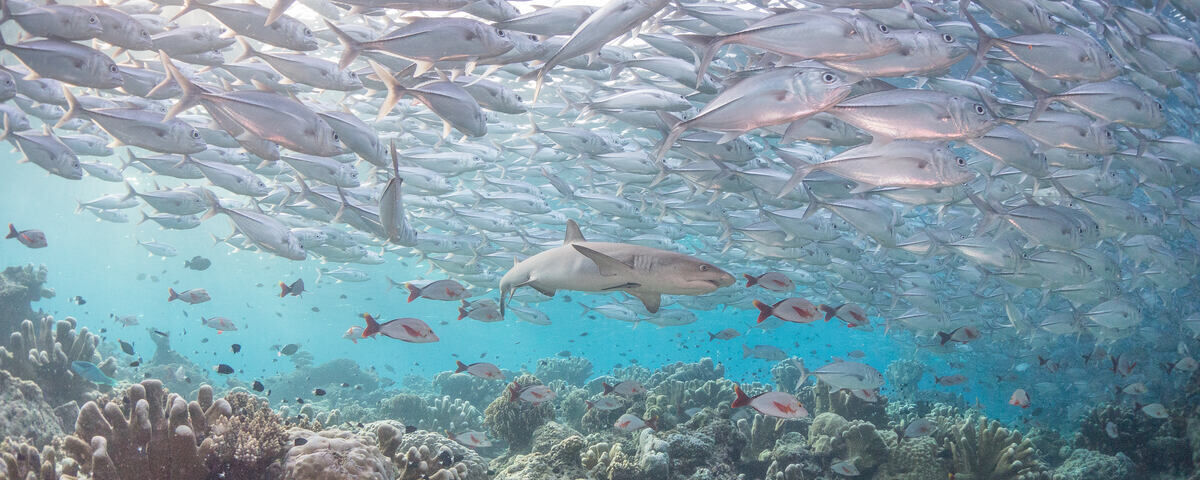
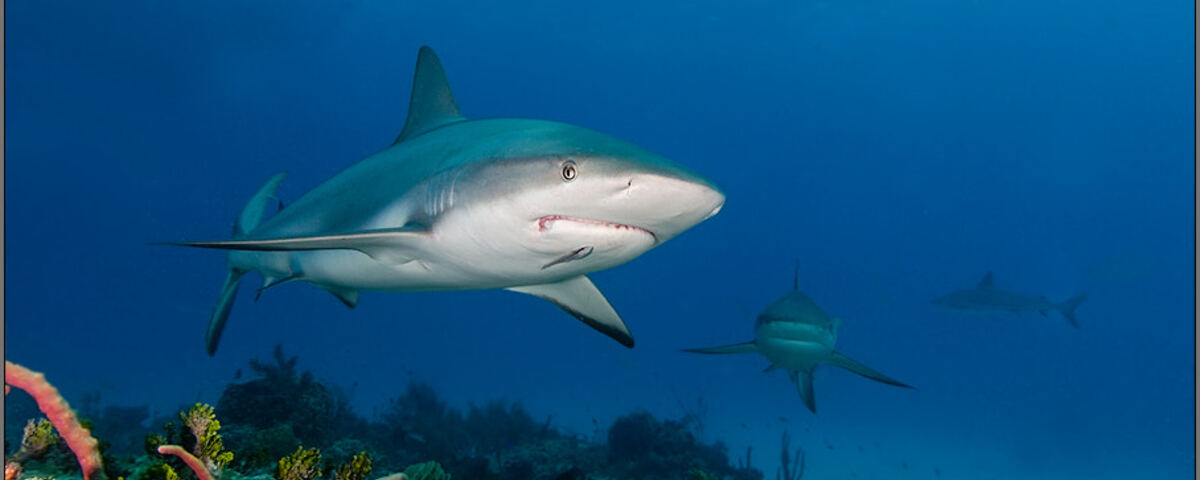
Sharks are the headline at Jessie Beazley. Grey reef sharks patrol the reef edges in numbers, sometimes 15 to 20 visible in a single sweep of the horizon. White-tip and black-tip reef sharks are also present. The excitement comes from the deeper water beyond the reef, where hammerhead sharks pass during season. Scalloped hammerheads are more common, but great hammerheads have been documented. Sightings are not guaranteed but occur with enough frequency to justify the trip.
Schooling fish pack the reef's upper sections. Snapper, surgeonfish, and fusilier form dense aggregations that follow the reef contour, and the predator responses (trevally and barracuda attacks on the school edges) create explosive moments of action. Schools of jacks sometimes form cylindrical formations in the blue water off the reef edge.
Turtles are abundant, resting on the reef and cruising the walls. Napoleon wrasse of impressive size drift past, and groupers shelter in the deeper overhangs. The fish diversity on the reef is high, reflecting its position in the Sulu Sea's broad biogeographic region.
Manta rays (both reef and oceanic species) visit the area seasonally. Oceanic mantas at Jessie Beazley can exceed 5 metres in wingspan, dwarfing the reef mantas more commonly seen at other sites. Whale shark sightings have been reported during peak plankton months but are rare.
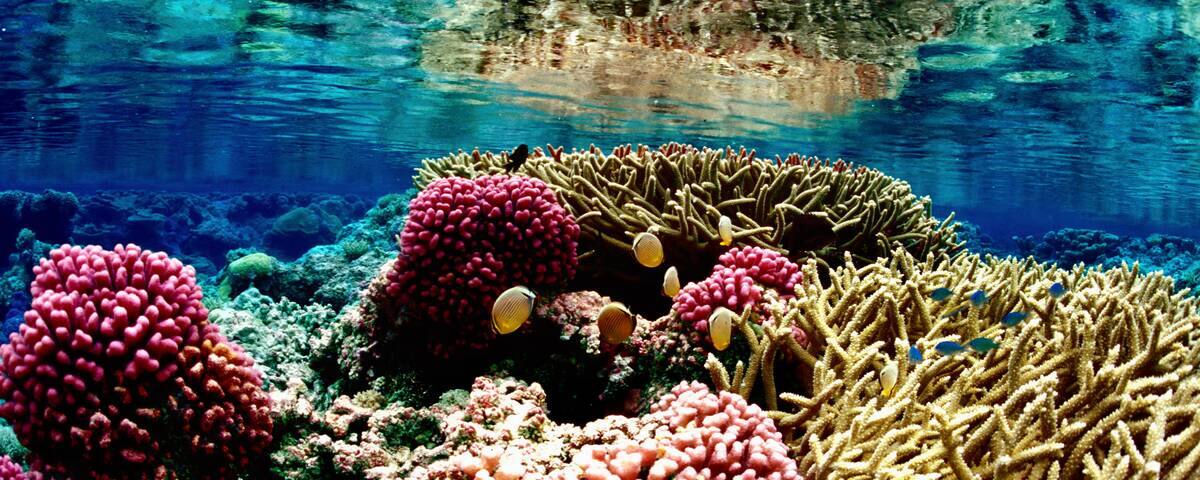
The reef structure supports healthy hard and soft coral with excellent gorgonian fan growth on the current-exposed sections. The coral health is outstanding, benefiting from the same protection and isolation that characterises all Tubbataha sites. Macro life exists on the reef surface but takes a distant second place to the pelagic spectacle that defines Jessie Beazley.
The water column around Jessie Beazley is pelagic highway. Tuna and mackerel blast through the surrounding blue water on hunting runs, their speed and power visible in brief, explosive appearances. Sailfish have been reported during certain seasons, though sightings are too rare to be expected. The open-ocean setting means virtually anything can appear, which adds an element of unpredictability that sheltered reef sites lack.
Dive Conditions
Jessie Beazley is exposed to open ocean, and conditions reflect this. Current ranges from moderate to strong, driven by oceanic currents and tidal flow. The small reef size means the current can affect the entire structure, with limited shelter available behind the reef mass.
Visibility is exceptional, typically 20 to 40 metres. The deep, oceanic water surrounding the reef is clear of terrestrial influence, and on optimal days the visibility feels almost unlimited. This clarity means you see the sharks and pelagics from a distance, giving you time to prepare for encounters.
Water temperature is 27 to 30 degrees. The depth drops rapidly beyond the reef edge, and the blue water below can produce cold upwellings without warning. A 3mm wetsuit is adequate for most dives, but thermoclines at depth may warrant additional protection.
The crossing from the main Tubbataha atolls to Jessie Beazley covers about 20 kilometres of open water and takes 30 to 60 minutes by liveaboard tender. Sea conditions can make this crossing uncomfortable or unsafe, and the captain's decision to visit is final. Weather windows are narrowest at the beginning and end of the diving season.
This is an advanced dive site. The current intensity, exposed position, depth, and distance from the main park (and therefore from the nearest emergency facilities) demand experience and self-reliance. Operators typically restrict Jessie Beazley to divers with logged experience and demonstrated competence.
⚓ Divemaster Notes
Jessie Beazley is the dive I dream about during the off-season. When conditions align (good visibility, moderate current, hammerheads in the blue), this is one of the finest dives on Earth. I don't say that lightly.
The key to the dive is positioning. I take the group to the current-exposed side of the reef, descend to 20 to 25 metres, and settle on the reef edge facing outward into the blue. This is where the pelagic traffic concentrates, and patience here pays off. The sharks come to you; you don't need to chase them.
Hammerhead encounters require a specific approach. They're skittish at Jessie Beazley (more so than at, say, Galapagos or Malpelo), so minimal movement and no bubble-heavy breathing are important. When I spot hammerheads, I signal the group to hold position and breathe shallow. The hammerheads often make a tentative approach, circling at the edge of visibility before deciding whether to come closer. Sudden movements end the encounter.
The circumnavigation dive is excellent when current permits. Starting on the lee side, you work around the reef through zones of varying current intensity, experiencing the full range of the reef's habitats. The current-exposed side has the densest fish aggregations and shark activity. The lee side has the best coral and macro subjects. Both are worth seeing.
One reality check: Jessie Beazley is weather-dependent. I've had trips where we've visited three times in perfect conditions, and trips where we couldn't make the crossing at all. Book your Tubbataha trip for mid-season (April to early May) for the best chance of calm weather for the Jessie Beazley crossing.
Safety note: the nearest recompression chamber is in Cebu or Manila. The remote location means diving conservatively is not optional. I plan all Jessie Beazley dives with wide safety margins, and I use Nitrox as standard to increase the safety buffer.
How to Get to Jessie Beazley Reef
Jessie Beazley Reef is 20 kilometres north of the main Tubbataha atolls, in the Sulu Sea. It's accessed only by liveaboard, as part of a broader Tubbataha trip departing from Puerto Princesa, Palawan.
The liveaboard crosses from Puerto Princesa to the Tubbataha atolls (approximately 10 to 12 hours), and Jessie Beazley is visited as a side trip from the main park when conditions allow. Not all liveaboard trips include Jessie Beazley; it depends on weather and sea conditions.
Puerto Princesa has domestic flights from Manila, Cebu, and Clark. The Tubbataha season runs March to June. Park fees apply.
Book with operators who explicitly include Jessie Beazley on their itinerary and have a track record of making the crossing. Weather permitting, most operators prioritise the reef because they know its reputation among experienced divers.
Gear Recommendations
3mm wetsuit with possible thermocline encounters at depth. Wide-angle lens essential for the shark and pelagic encounters. SMB mandatory for drift ascents in open water. Dive computer with conservative settings for the remote location. Nitrox strongly recommended for safety margin. Reef hook useful for holding position in current on the reef edge.
Recommended Dive Operators
Solitude One includes Jessie Beazley on their standard Tubbataha itineraries and has the vessel capability for the open-water crossing. Discovery Fleet schedules Jessie Beazley visits on most trips. The MV Resolute also covers the reef when conditions permit. Confirm Jessie Beazley is included on your specific departure when booking.
Liveaboard Options
Jessie Beazley is exclusively a liveaboard site, visited as part of Tubbataha Reefs trips. Solitude One, Discovery Fleet, and the MV Resolute are the primary operators. Trips depart Puerto Princesa during the March to June season. The reef is typically visited on one day of a 5 to 7 night itinerary, with multiple dives if conditions allow. Book early for peak season.