Shark Airport Dive Site
Tubbataha (Palawan), Philippines · Near Puerto Princesa
Overview
Shark Airport is a flat, sandy area on Tubbataha's North Atoll where sharks gather in numbers that explain the name. The 'airport' is a reference to the shark activity: animals cruising in, hovering, circling, and departing like aircraft in a holding pattern. It's one of the most reliable shark observation sites in the Tubbataha system and, because of its relatively shallow depth and mild current, one of the most accessible.
The site consists of a sandy plateau at about 12 to 15 metres, surrounded by reef structures and coral bommies. Sharks congregate on the sand and around the bommies, resting, socialising, and using the site as a daytime gathering point. The dynamics are different from wall or pinnacle shark encounters: here, the sharks are at rest rather than hunting, and the atmosphere is correspondingly calmer.
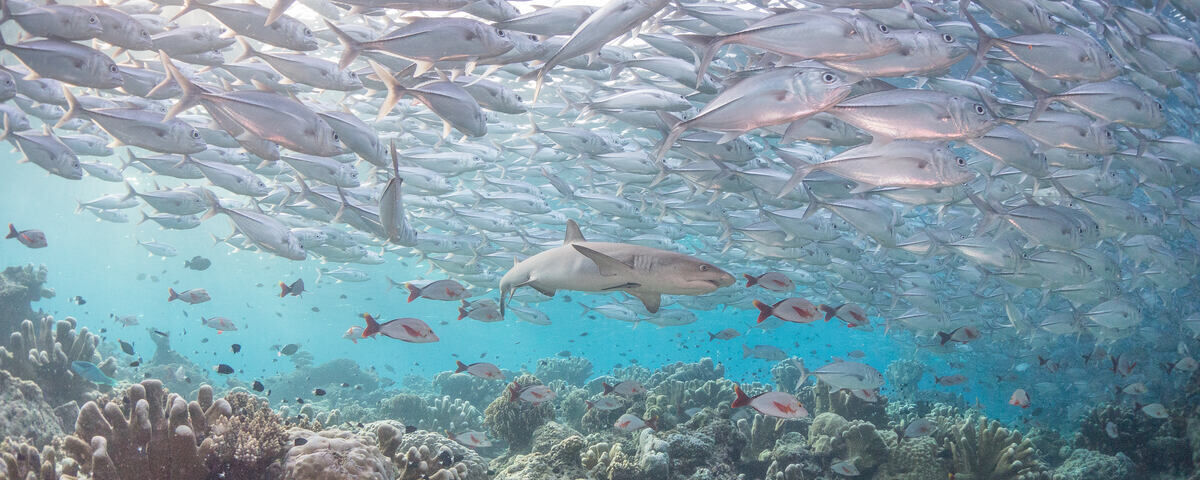
The flat, open terrain and clear water (frequently 30 metres or more) make Shark Airport feel like a wide-angle photographer's studio. Sharks against white sand with blue water above creates clean, graphic compositions that are difficult to achieve at busier, more cluttered reef sites.
The mild current and moderate depth make Shark Airport one of the easier Tubbataha dives, accessible to intermediate divers who might find Black Rock or the current-swept wall sites too challenging. It's often scheduled as the last dive of the day, when the afternoon light rakes across the sand and the sharks settle into their late-day pattern.
The name 'Shark Airport' was coined by dive guides who observed the resemblance between the sharks' behaviour on the sand flat and aircraft at an airport: arriving, idling, circling, and departing on their own schedules. The analogy is surprisingly apt. The sharks use the site as a daytime resting and social gathering area, arriving in the morning, spending the day in a low-energy state, and departing in the evening to hunt on the surrounding reef.
The flat, open terrain at Shark Airport provides a viewing experience that's fundamentally different from wall or pinnacle shark diving. There's no vertical dimension to manage, no current to fight, no blue-water exposure to deal with. You settle on the sand at 15 metres and watch the sharks on a flat plane, like observing wildlife from a hide. This simplicity makes the encounters more relaxing and more observational than the action-oriented shark dives at sites like Black Rock.
The ecological function of the sand flat as a shark aggregation site may be related to the thermoregulation needs of the white-tip reef sharks. The shallow, sun-warmed sand provides a warmer environment than the deeper reef, and sharks may be using the site to raise their body temperature after cold-water night hunting. This thermoregulation hypothesis is supported by the daily pattern of shark arrivals (morning) and departures (evening).
Marine Life at Shark Airport
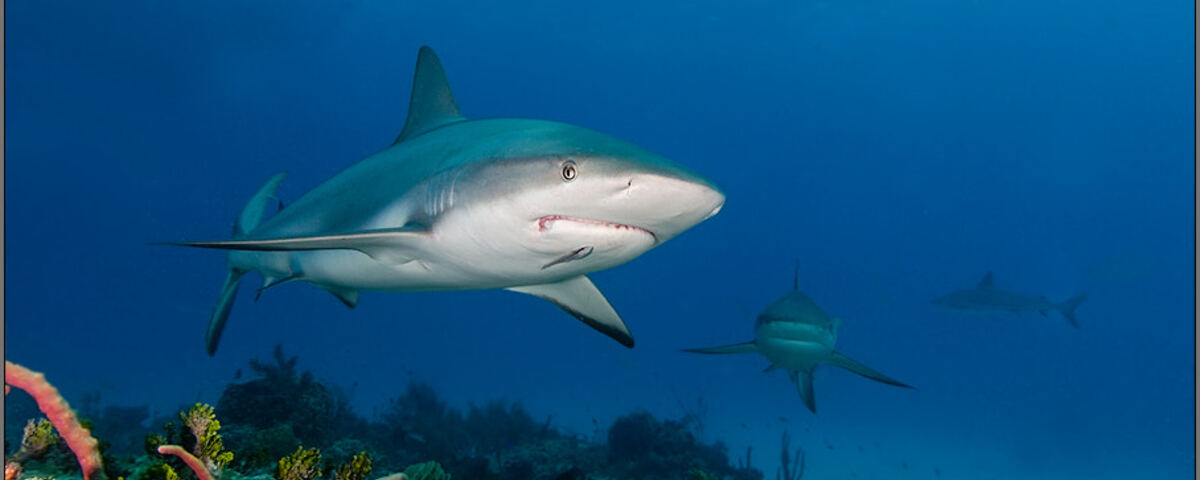
White-tip reef sharks are the primary residents, resting on the sand in groups that can number 10 to 20 individuals at peak times. They lie motionless on the bottom, barely moving their gills, completely unbothered by divers at a respectful distance. Grey reef sharks cruise above the sand and around the bommies in smaller numbers, their cruising behaviour contrasting with the resting white-tips below.
The sand also attracts blue-spotted stingrays, eagle rays (occasional), and large groupers that have established territories around the coral bommies. Turtles rest on the bommies and in the sand depressions, adding to the relaxed atmosphere of the site.
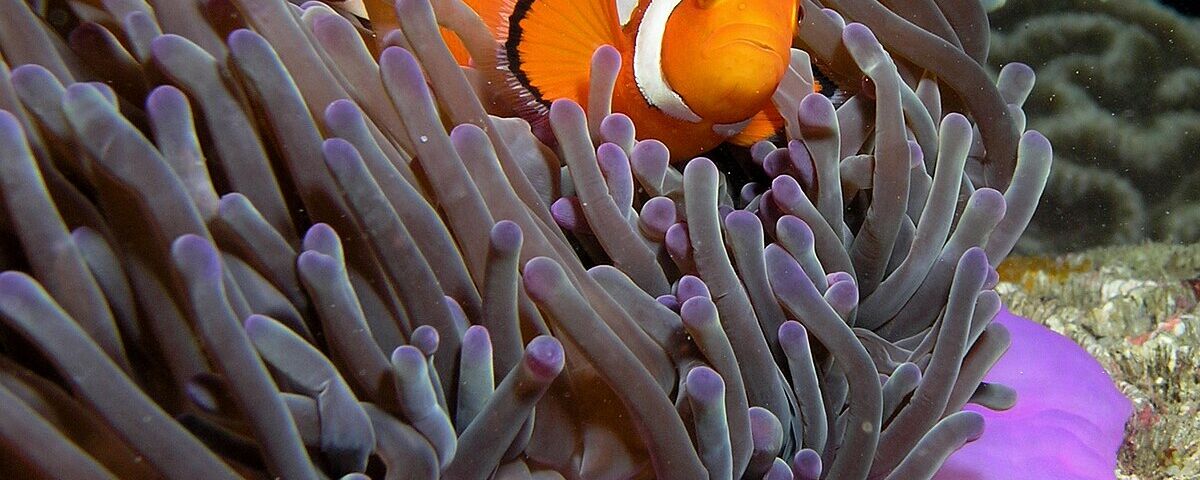
The coral bommies scattered across the sand provide reef habitat for schools of snapper, sweetlips, and fusilier. Anemonefish colonies are established on several bommies. The bommies also serve as cleaning stations, and reef sharks can sometimes be observed receiving attention from cleaner wrasse.
Nurse sharks are occasionally sighted at Shark Airport, resting under the bommies during the day. Leopard sharks (zebra sharks in adult form) have been documented here, though sightings are irregular.
The surrounding reef sections have healthy hard coral coverage, with table corals, massive Porites, and branching Acropora providing habitat for the full range of Indo-Pacific reef species. The reef flat (5 to 10 metres) above the sand area hosts titan triggerfish territories and dense populations of chromis and damselfish.
The social dynamics between the resting sharks are worth observing. White-tip reef sharks at Shark Airport arrange themselves in loose groups, with individuals maintaining consistent spacing. Occasionally, a shark adjusts position, creating a ripple effect as its neighbours shift to maintain their preferred distance. Dominant individuals occupy preferred resting spots (typically the most sheltered positions), and incoming sharks navigate the social hierarchy before settling.
The coral bommies scattered across the sand serve as reference points for the sharks and for divers. Each bommie hosts its own community of reef fish, creating small oases of colour on the white sand backdrop. Anemonefish, groupers, and cleaning stations on these bommies provide entertainment between shark observation periods.
Leopard sharks (also known as zebra sharks in their juvenile form) are occasionally sighted at Shark Airport, typically resting on the sand near the coral bommies. These distinctive sharks, with their spotted adult colouring and elongated tail, are photogenic and docile. Sightings are less frequent than white-tip encounters but consistent enough that experienced guides know the likely resting areas.
The bommies at Shark Airport also serve as cleaning stations for the resident reef fish. Groupers and sweetlips queue at these stations, presenting themselves to cleaner wrasse in a behaviour that's easily observed from the sandy viewing position nearby. The cleaning station activity provides natural entertainment between shark observation periods.
Dive Conditions
Shark Airport sits on a sand plateau at 12 to 15 metres, with surrounding reef from 5 to 20 metres. The depth profile is moderate and the terrain is flat, making this one of the most relaxed dives at Tubbataha.
Current is typically mild at this site, sheltered by the atoll structure from the stronger flows that affect the exposed walls and pinnacles. This calm environment is part of what makes it a shark gathering point: the animals congregate where conditions are comfortable.
Visibility is outstanding: 20 to 40 metres, typical of Tubbataha. The white sand reflects light, creating bright, well-lit conditions for photography. Water temperature is 27 to 30 degrees.
Dive times of 50 to 60 minutes are standard, with the shallow depth and mild current allowing extended exploration. The flat terrain means buoyancy control is straightforward, though staying slightly above the sand (rather than kneeling or resting on it) is important to avoid disturbing the resting sharks.
The shallow depth and mild current at Shark Airport allow genuinely long dive times. With Nitrox at 15 metres, 70-minute dives are achievable for divers with reasonable air consumption. These extended bottom times transform the dive from a sighting event into an observation session, allowing you to watch the sharks' behaviour patterns unfold over time rather than glimpsing them briefly before your air runs out.
The mild current at Shark Airport means you can choose to explore actively or settle in one position for the entire dive. Both approaches work: active exploration covers more ground and potentially encounters more species, while stationary observation allows you to watch individual sharks over extended periods and observe their resting behaviour in detail.
⚓ Divemaster Notes
Shark Airport is the dive that changes people's perception of sharks. Most divers arrive at Tubbataha with some residual shark anxiety, even experienced ones. Seeing 15 white-tip reef sharks resting peacefully on the sand, showing zero interest in the group of divers hovering 3 metres above, recalibrates that fear effectively.
The approach is simple: descend to the sand level (12 to 15 metres), position your group about 3 to 5 metres from the resting sharks, and settle. The sharks will continue resting. Some will open an eye, assess you as non-threatening, and close it again. The interaction is overwhelmingly... boring. And that's the point. Sharks are not the aggressive predators that media portrays. They're animals that spend most of their day resting, and Shark Airport lets you observe that reality firsthand.
The photography here is about clean compositions. Shark on white sand, blue water above. Simple, graphic, and powerful. Resist the urge to get too close; a distance of 3 metres produces better images than trying to fill the frame from 1 metre, which risks disturbing the animal and losing the shot.
Afternoon dives tend to produce the most sharks, as the animals settle into their resting spots as the day progresses. Morning dives still produce encounters but the numbers are typically lower.
I use Shark Airport as the transition dive between the intense wall and pinnacle sites. After the adrenaline of Black Rock or the current at Amos Rock, the calm sandy plateau with resting sharks feels like a decompression dive for the mind as well as the body.
For first-time shark divers, Shark Airport provides the gentlest possible introduction. The sharks are resting, the depth is moderate, and the conditions are calm. There is nothing threatening or anxiety-inducing about the experience, which makes it an ideal platform for building comfort with shark encounters before attempting the more intense dives at Black Rock or the wall sites.
How to Get to Shark Airport
Shark Airport is located on Tubbataha's North Atoll, accessible only by liveaboard from Puerto Princesa. It's part of the North Atoll dive rotation and is visited on most multi-day Tubbataha trips.
Season: March to June. Liveaboard booking well in advance is essential.
Gear Recommendations
Wide-angle lens is the priority for the shark and sand compositions. Full 3mm wetsuit. SMB for the ascent. No reef hook needed; mild current. Dive computer with standard settings. Nitrox useful for extended bottom time at the moderate depth.
Recommended Dive Operators
All Tubbataha-certified liveaboard operators include Shark Airport. S/Y Philippine Siren, Solitude One, and Discovery Fleet are reliable options.
Liveaboard Options
Exclusively liveaboard. All Tubbataha operators include Shark Airport as a regular dive site on their North Atoll rotations.