Sabolon Island Dive Site
Komodo, Indonesia · Near Labuan Bajo
Overview
Sabolon Island sits roughly 40 minutes north of Labuan Bajo by speedboat, close enough to town that most operators use it as a first or last dive of the day. Two islands make up the Sabolon group: Sabolon Kecil (the smaller, with the better diving) and Sabolon Besar (the larger, with a white sand beach that doubles as a surface interval spot). The diving here centres on a submerged seamount off Sabolon Kecil's southern flank, a structure that rises from a sandy bottom at around 30 metres to within a few metres of the surface.
Sabolon Island diving near Komodo gets overlooked by visitors fixated on the park's headline sites. That is a mistake. The seamount is covered in gorgonian sea fans so large they look like they belong in a museum, hard coral gardens packed tight enough that the rock beneath has disappeared entirely, and enough critter life to keep a macro photographer occupied for an hour without moving more than ten metres. The combination of easy access, sheltered conditions, and genuine biodiversity makes this one of the most underrated dives in the Labuan Bajo area.
Technically, Sabolon sits outside the boundaries of Komodo National Park. That matters for two reasons: no park entrance fee applies (saving visitors around IDR 350,000 per dive day), and the reefs here receive less boat traffic than the park's popular sites. Fewer boats means fewer fin kicks near fragile coral, and the reef health reflects that advantage. The hard coral coverage in the shallows between 3 and 8 metres is some of the densest you will find anywhere in the Flores Sea.
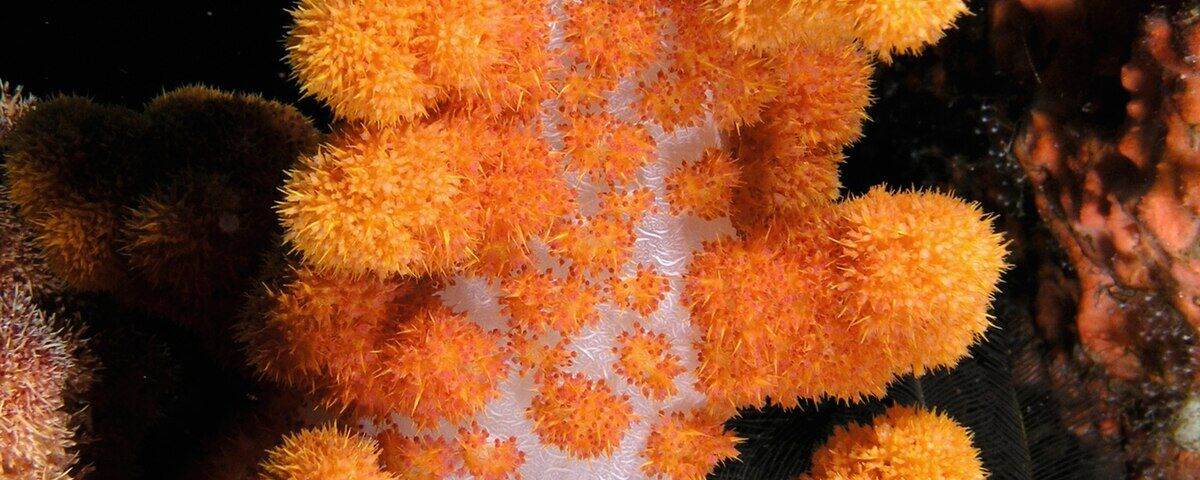
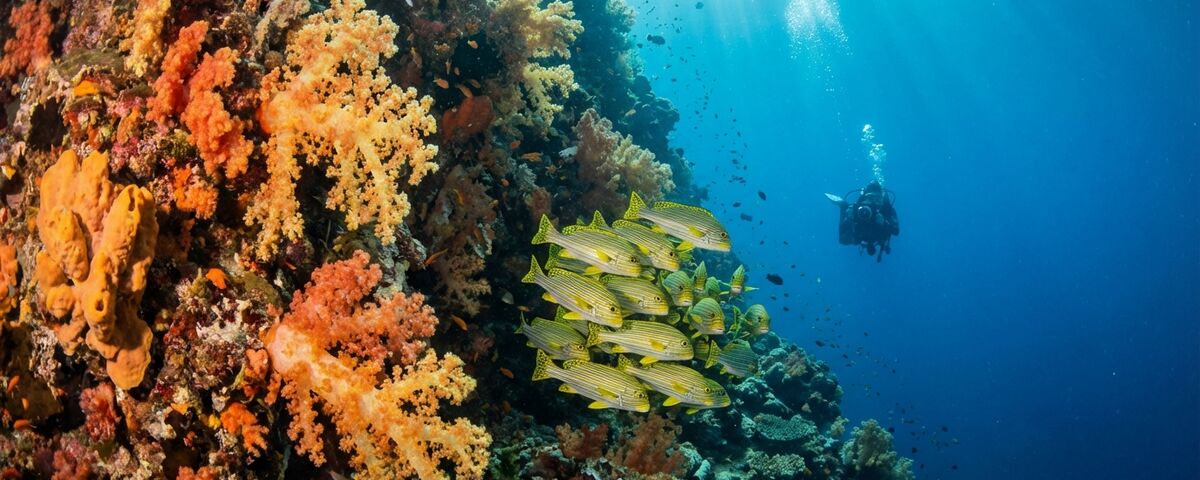
The seamount itself is the centrepiece. It rises like a small underwater hill, its slopes fanning outward in all directions and covered in a patchwork of soft corals, sponges, and encrusting organisms. Schools of surgeonfish circle the structure in loose formations, and barracudas stack up on the current side when tidal movement pushes water past the mount. The topography creates natural circuits for a dive: drop to the base, work your way around the seamount at depth, then spiral upward through the best coral sections before finishing in the sunlit shallows.
For new divers, Sabolon is one of the best introductions to Flores diving you can ask for. Current is rarely strong enough to cause trouble, the reef starts shallow, and the variety of marine life is broad enough to showcase what this part of Indonesia has to offer. For experienced divers returning from the heavy current sites further into the park, Sabolon works as a recovery dive that somehow manages to be genuinely good rather than merely pleasant.
Marine Life at Sabolon Island
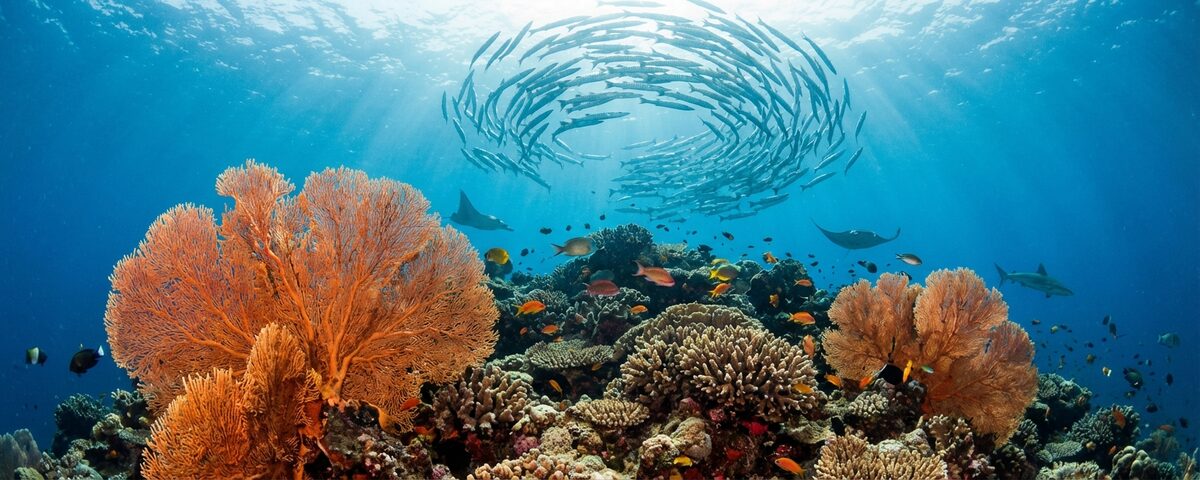
Barracuda schools are the first thing most divers notice at the seamount. Chevron barracuda circle in formations of 30 to 80 individuals, holding station on the current side of the mount and shifting position as the tidal flow changes direction. They are not skittish here. Patient divers who hover at their depth and let the school come to them get remarkably close encounters.
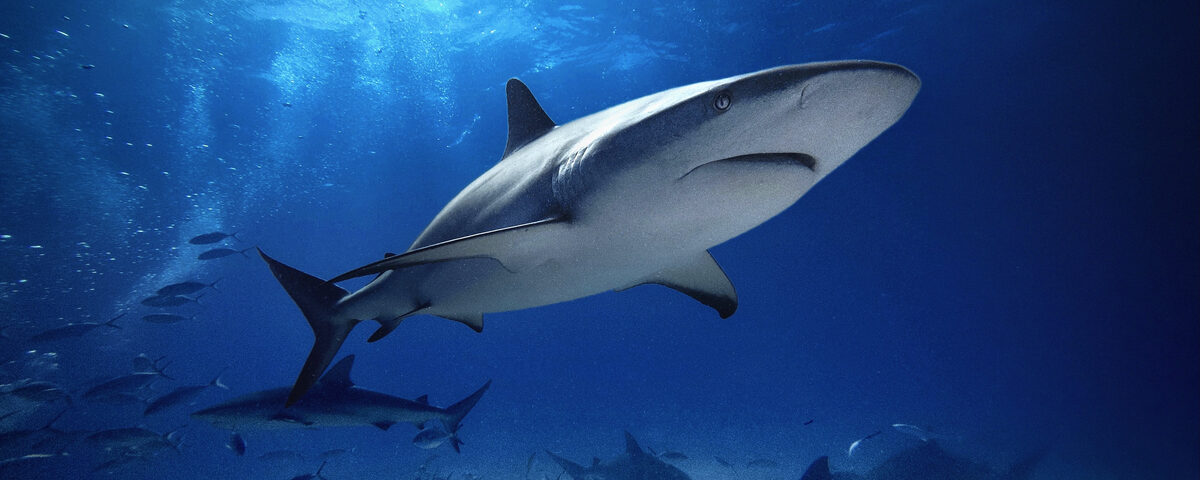
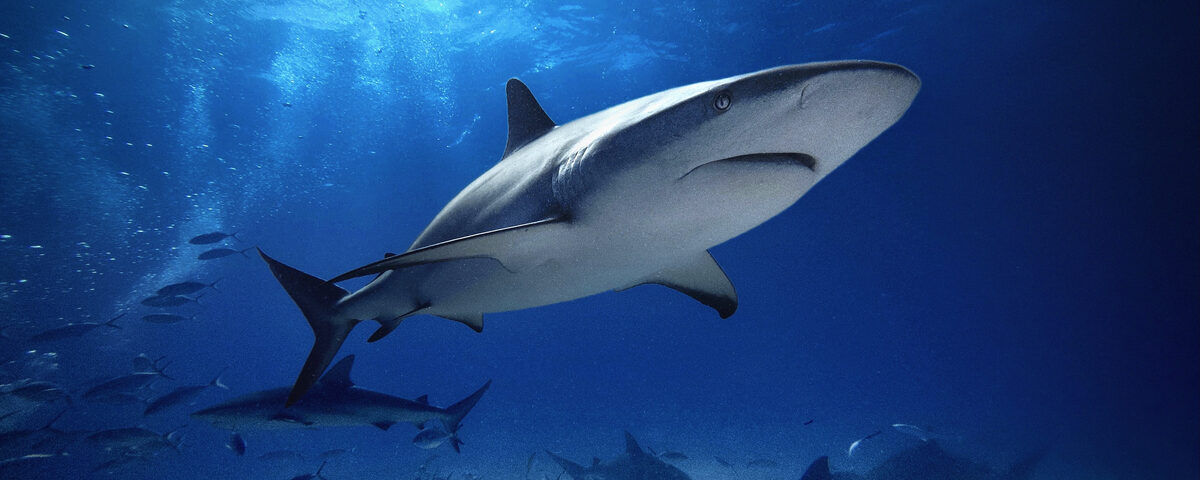
Whitetip reef sharks rest on the sandy bottom around the seamount's base, typically between 22 and 28 metres. They favour the sheltered pockets where current eddies create calm zones. Morning dives produce the most reliable sightings, with two or three sharks visible on a typical pass around the deeper sections. They are docile animals that stay put unless a diver descends directly on top of them.
Green and hawksbill turtles are regular residents. They feed on the sponges and algae growing on the seamount's upper slopes and rest under overhangs on the reef. Hawksbills in particular seem comfortable with divers here, continuing to feed as you approach. Two or three turtle encounters per dive is a reasonable expectation.
The macro life is where Sabolon quietly excels. Devil scorpionfish sit camouflaged on coral rubble at the seamount's base, their textured skin blending with the substrate so effectively that most divers swim past them without a glance. Pygmy seahorses (Hippocampus bargibanti) have been found on several of the larger gorgonian sea fans, though spotting them requires a patient guide with sharp eyes and a willingness to search. Orangutan crabs shelter among bubble corals on the upper slopes, their hairy orange bodies visible once you know what to look for.
Frogfish appear seasonally, most commonly between May and October. They sit motionless on sponges and coral heads, relying on camouflage that can fool even experienced spotters. When present, guides tend to know their locations and can navigate straight to them. Painted frogfish and warty frogfish are the most common species reported here.
Cuttlefish are frequent visitors, particularly on the sandy plateau between the seamount and the main reef. Broadclub cuttlefish are the larger species you will encounter, their skin rippling with colour changes as they move across the sand. They are curious about their own reflections in camera housings and will sometimes approach photographers.
Moray eels occupy crevices and holes throughout the seamount. Giant morays are the most common species, though honeycomb morays and white-eyed morays also make appearances. Cleaner shrimp work around their mouths at several cleaning stations scattered across the structure.
The gorgonian sea fans deserve attention as subjects in their own right. Some of the fans on the seamount's eastern face span over two metres across, their branches spreading flat against the current to filter plankton. With a diver or turtle silhouetted against blue water behind them, these fans create the sort of wide-angle compositions that end up on magazine covers. Barrel sponges anchor to the deeper ledges, and soft coral trees in reds, oranges, and purples cluster in the overhangs.
Dive Conditions
Sabolon is one of the more forgiving dive sites near Komodo. The seamount's position is sheltered from the fierce tidal exchanges that make sites like Castle Rock and Batu Bolong challenging, and current here rarely exceeds a gentle drift. On most dives, you can circumnavigate the seamount at your own pace without needing a reef hook or worrying about being swept off into open water.
When current does pick up (typically around new and full moon), it runs parallel to the seamount rather than directly over it, creating a mild drift that actually improves the diving. The current side attracts the barracuda schools and brings clearer water from the open strait. The sheltered side remains calm enough for macro photography and slow exploration.
Depth ranges from around 3 metres on the reef crest to 30 metres at the seamount's base on the deeper side. The most interesting diving sits between 8 and 22 metres, where the coral coverage is densest and the transition between hard coral gardens and gorgonian fans happens. Deeper excursions to the sandy base are worthwhile for the whitetip sharks and devil scorpionfish, but the site does not demand depth to deliver a good dive.
Visibility varies with season and tide. Clear days produce 20 to 25 metres with blue water and strong natural light. Average conditions give 12 to 18 metres, which works well for both wide-angle and macro photography. Green water from plankton blooms reduces visibility occasionally but also brings more feeding activity to the seamount.
Water temperature follows the regional pattern. April to September sees 27 to 29 degrees Celsius, comfortable in a 3mm wetsuit. October through March drops to 25 to 27 degrees, with thermoclines on the deeper sections occasionally dipping to 23 degrees. A 5mm suit or hooded vest is worth having during the cooler months if you plan to spend time below 20 metres.
Surface conditions are usually calm. The island provides natural shelter from swell, and entries are straightforward giant strides from the boat. Sabolon Besar's sandy beach serves as a surface interval location, making it a genuinely pleasant place to spend time between dives.
⚓ Divemaster Notes
I have used Sabolon as a warm-up dive, a check-out dive, a course dive, and a dedicated critter-hunting dive. Every time, it has delivered something I did not expect. That consistency is rare among sites that get categorised as 'easy' or 'beginner-friendly.' The reef does not care about your certification level. It just does its thing.
The best approach is to drop on the seamount's south side, descend to around 20 metres, and work your way around the structure in a clockwise direction. The eastern face has the biggest gorgonians and the best chance of pygmy seahorse sightings. The northern side tends to collect current and attract the barracuda schools. The western face is more sheltered and better for macro work in the crevices and overhangs.
For photographers, the seamount rewards patience over ambition. You do not need to cover the entire structure in one dive. Pick a section, slow down, and look closely. The devil scorpionfish at the base are nearly invisible until a guide points them out, and even then you might need a second look. Frogfish, when present, tend to sit on sponges between 12 and 18 metres on the southern approach.
Morning dives are consistently better. The whitetip sharks are more active, the cuttlefish are out hunting on the sand, and the light angle on the eastern gorgonians is at its best. Afternoon dives are fine but the large marine life thins out and the barracuda schools often disperse.
One thing worth knowing: the sandy plateau between the seamount and the main reef is not dead space. That transition zone is where cuttlefish hunt, blue-spotted stingrays rest, and garden eels poke up from their burrows. Most divers cross it quickly to get between the two reef structures. Slow down there instead.
Sabolon Besar's beach makes this a brilliant surface interval spot. Bring snorkel gear; the shallows around the beach have healthy coral and reasonable fish life, and the white sand and clear water make for a pleasant break between dives. Some operators set up lunch on the beach, which turns a dive day into something closer to a day trip experience.
How to Get to Sabolon Island
Sabolon Island lies north of Labuan Bajo, roughly 40 minutes by speedboat from the harbour. It sits outside Komodo National Park boundaries, so no park entrance fee is required. This makes it a popular first dive of the trip, an affordable alternative for budget-conscious divers, or a convenient last dive before returning to port.
Labuan Bajo is the gateway town for all diving in the Komodo region, sitting on the western tip of Flores island in East Nusa Tenggara province. Komodo Airport (LBJ) receives direct flights from Bali Ngurah Rai (about 1 hour with Garuda Indonesia, Lion Air, or Wings Air) and from Jakarta via connecting flights. Flight frequency has grown significantly as tourism to the region has expanded.
From the airport, taxis and hotel transfers reach the harbour in about 10 minutes. Most dive operators are clustered around the waterfront and along the main road through town. They handle boat logistics, equipment rental, and scheduling.
Sabolon is typically dived as part of a day trip that combines it with one or two other local sites outside the park, such as Bidadari Island or Sebayur. Some operators also include it as a first dive on park day trips, warming up at Sabolon before heading into the national park for more demanding dives at sites like Tatawa or Siaba.
Labuan Bajo has developed rapidly in recent years. Accommodation runs from budget hostels and guesthouses to boutique hotels. Restaurants, dive shops, and tour agencies line the harbour. The town has reliable WiFi, ATMs, and a hospital, though serious medical emergencies should be evacuated to Bali.
Gear Recommendations
A 3mm wetsuit handles most of the year. Between July and September, a 5mm suit or hooded vest is sensible for the deeper sections where thermoclines can drop temperatures sharply. Torch is valuable for illuminating crevices on the seamount where morays, crustaceans, and resting sharks shelter. Even in good visibility, a torch brings out the true colours of the gorgonians and soft corals that appear washed out under natural light at depth.
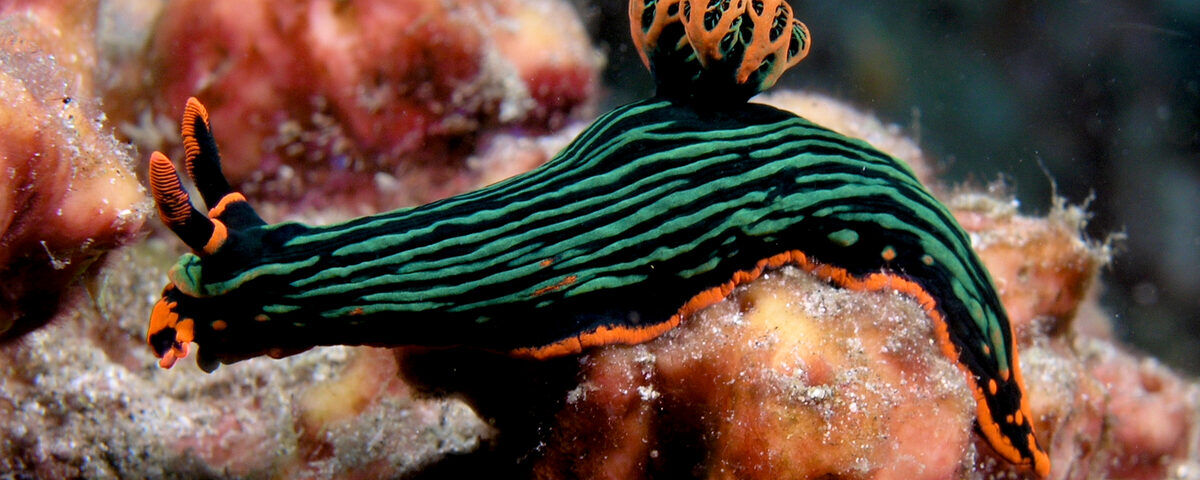
Macro lens is the priority for photographers at Sabolon. The calm conditions, static subjects (scorpionfish, frogfish, nudibranchs, pygmy seahorses), and sheltered seamount faces create ideal macro conditions. A 60mm or 100mm macro with a single strobe produces excellent results. Wide-angle shooters will find compositions on the larger sea fans and barracuda schools, but the site rewards close-up work more consistently.
Surface marker buoy is standard for all diving in the Labuan Bajo area. Conditions at Sabolon rarely require mid-water deployment, but boats expect to see an SMB at the end of every dive. Reef hook is not needed here and should stay clipped to your BCD. The coral coverage on the seamount is too healthy to risk anchor damage.
Nitrox is a sensible choice if you want to maximise bottom time on the deeper sections of the seamount. The interesting macro subjects extend to 25 metres, and enriched air provides a meaningful safety margin at those depths. Most Labuan Bajo operators offer nitrox fills as an add-on.
Recommended Dive Operators
Dive Komodo has been running trips to Sabolon for years and their guides know the seamount's critter spots inside out. They will take you straight to the gorgonians where pygmy seahorses have been found, and they carry pointers rather than touching the reef. Blue Marlin Dive uses Sabolon as a regular first-dive site and their briefings are thorough enough that even complete beginners feel confident in the water. Wet Frog Divers operates small group sizes with a photography focus, making them a strong choice if you want to slow down and work the macro subjects rather than rushing through. Scuba Junkie Komodo frequently includes Sabolon on their schedules, particularly for course dives and check-out dives, where the sheltered conditions make learning straightforward.
Liveaboard Options
Most Komodo liveaboards do not include Sabolon on their standard itineraries because it falls outside the national park and liveaboard routes typically head straight into the park from Labuan Bajo. However, several operators use it as a checkout dive on departure day or a final dive on the return leg. The Wunderpus and Lotus Liveaboards (operated by Azul Komodo) both occasionally schedule Sabolon as a warm-up dive before heading north to Castle Rock and Crystal Rock.
For divers who want to dive Sabolon properly, day trips from Labuan Bajo are the better option. The site's proximity to town means you can do a dedicated morning at Sabolon with two dives on the seamount and surrounding reef, then spend the afternoon diving other local sites or relaxing. This flexibility is something liveaboard schedules, with their fixed routes and tight timelines, cannot easily offer.