The Aquarium Dive Site
Komodo, Indonesia · Near Labuan Bajo
Overview
The Aquarium sits in a sheltered bay off Gili Lawa Laut, one of the small islands in the northern reaches of Komodo National Park. The name tells you exactly what to expect: a shallow, calm reef so densely packed with marine life that it feels artificial. Like someone stocked it overnight and forgot to tell the fish they were on display.
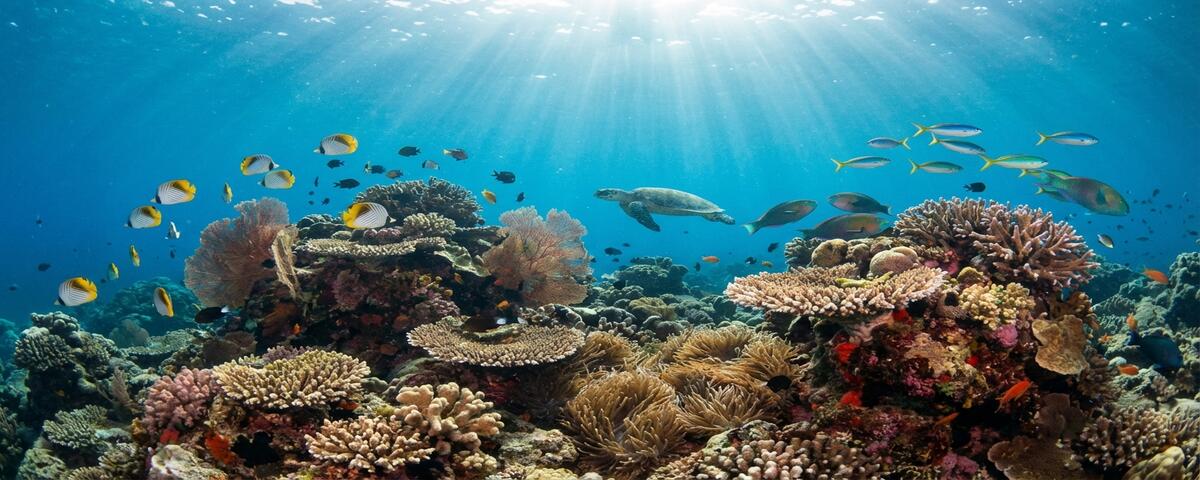
This is where Komodo softens its reputation. Most of the park's famous sites involve ripping currents, deep walls, and the sort of conditions that make newly certified divers reconsider their life choices. The Aquarium is the opposite. Gentle slopes, minimal current, and enough light penetration in the shallows that everything glows. The coral coverage across the main reef flat is genuinely some of the healthiest in the park, which is saying something given Komodo's standards.
The site works as a sloping reef that drops from about 3 metres down to around 20, with the sweet spot sitting between 5 and 15 metres. Coral bommies dot the sandy bottom in the deeper sections, each one functioning as its own micro-ecosystem. You could spend an entire 60-minute dive circling three or four bommies and still miss things. Hawksbill turtles treat the place as a canteen, burying their heads into sponges and ripping chunks free with their flippers. They are not shy about it.
Most day-trip operators from Labuan Bajo use The Aquarium as a first dive or a checkout site for divers who have not been underwater recently. That practical function undersells the place considerably. Photographers who know the park often request it specifically because the conditions are so controlled: no current dragging you off your composition, no surge bouncing you around, and light that stays consistent through the dive.
The site sits roughly 90 minutes by speedboat from Labuan Bajo harbour, typically combined with dives at nearby Castle Rock or Crystal Rock on northern Komodo itineraries. Liveaboards heading through the park usually slot it in as a late afternoon or sunset dive, when the light angle turns the shallows golden and the nocturnal creatures start emerging from the reef.
Marine Life at The Aquarium
Hawksbill turtles are the main attraction, and they are everywhere. Not the distant silhouettes you get at current-swept sites where turtles are passing through. These ones are feeding, resting on the coral, and generally ignoring you unless you get obnoxious with a camera housing. On a good day, five or six individuals share the reef simultaneously.
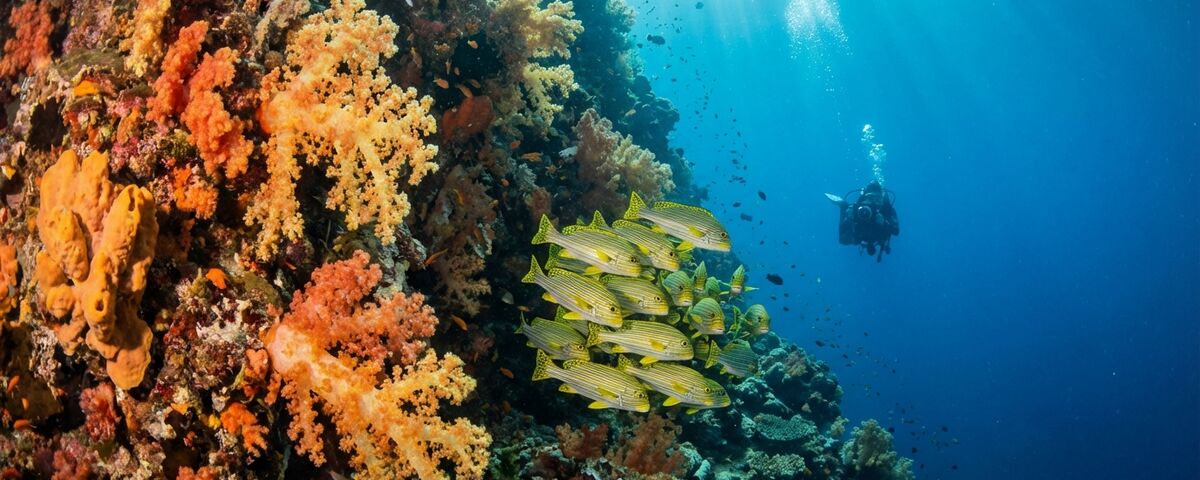
The coral bommies host a rotating cast of reef fish in absurd concentrations. Schools of fusiliers stream overhead in silver ribbons. Sweetlips cluster in their usual confused-looking groups under overhangs. Damselfish guard their patches of algae with the territorial aggression of a dog twice their size. Butterflyfish work the coral in pairs, picking at polyps with the precision of watchmakers.
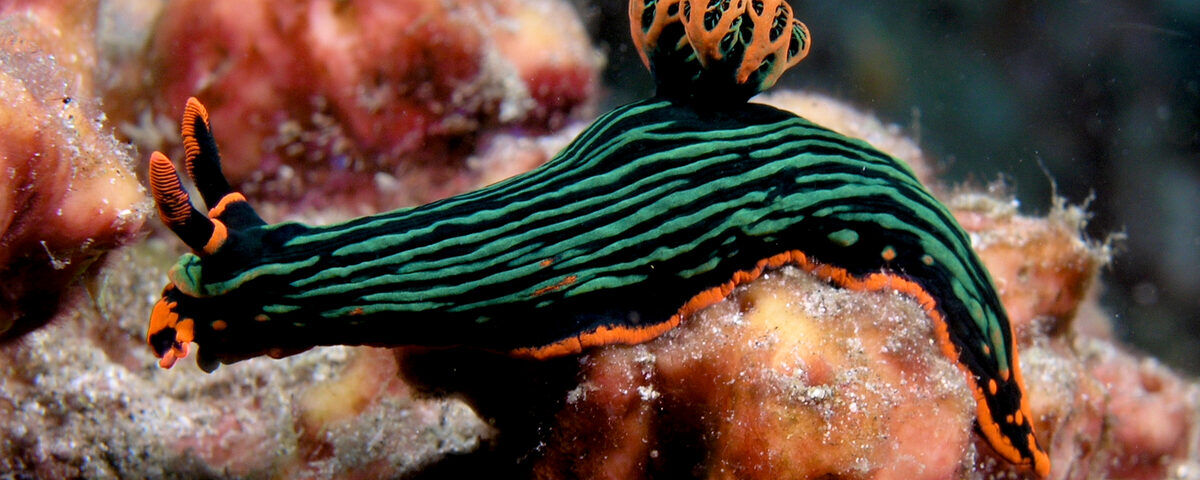
Macro photographers will find more than enough to fill a dive card. Nudibranchs crawl across the hard coral surfaces in species counts that rival dedicated muck sites. Sexy shrimp (Thor amboinensis, for the taxonomically inclined) bob on anemones in the shallows. Leaf scorpionfish sit motionless on the bommies, perfectly camouflaged until you learn to spot the outline. Mantis shrimp occupy burrows in the sandy patches between coral formations, their eyes tracking you with unsettling intelligence.
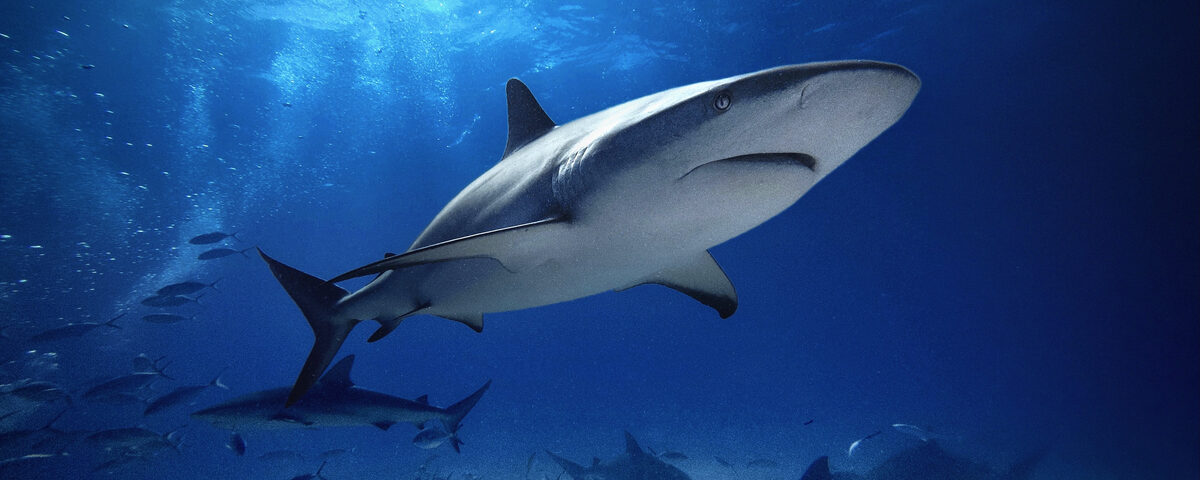
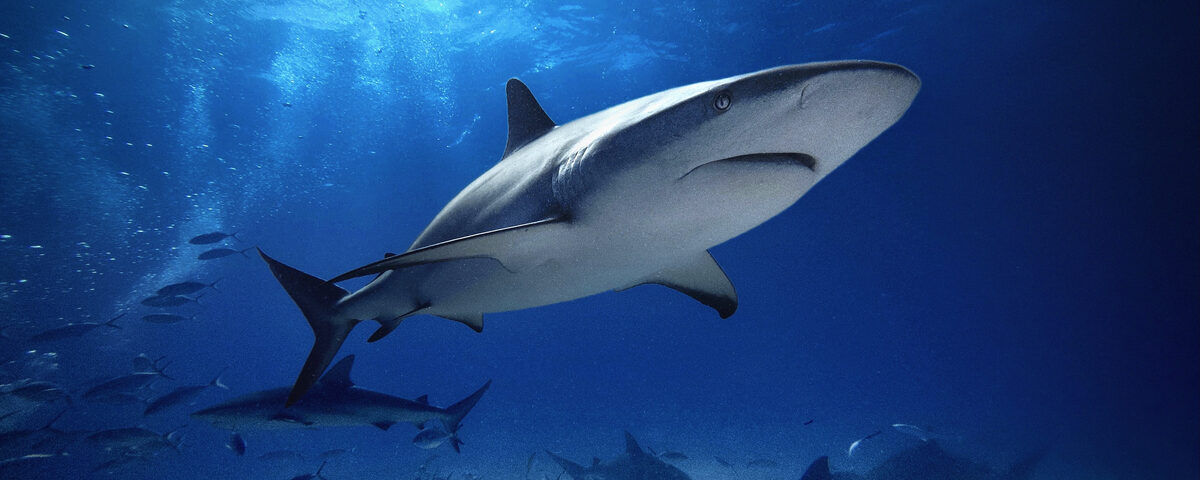
Larger visitors appear with reasonable frequency. White-tip reef sharks patrol the deeper edges of the site, particularly in the early morning before the boat traffic picks up. Giant trevally cruise through on hunting runs, scattering the smaller fish into brief chaos before everything resettles. Napoleon wrasse make occasional appearances, their bulk and unhurried pace making them impossible to miss when they do show up.
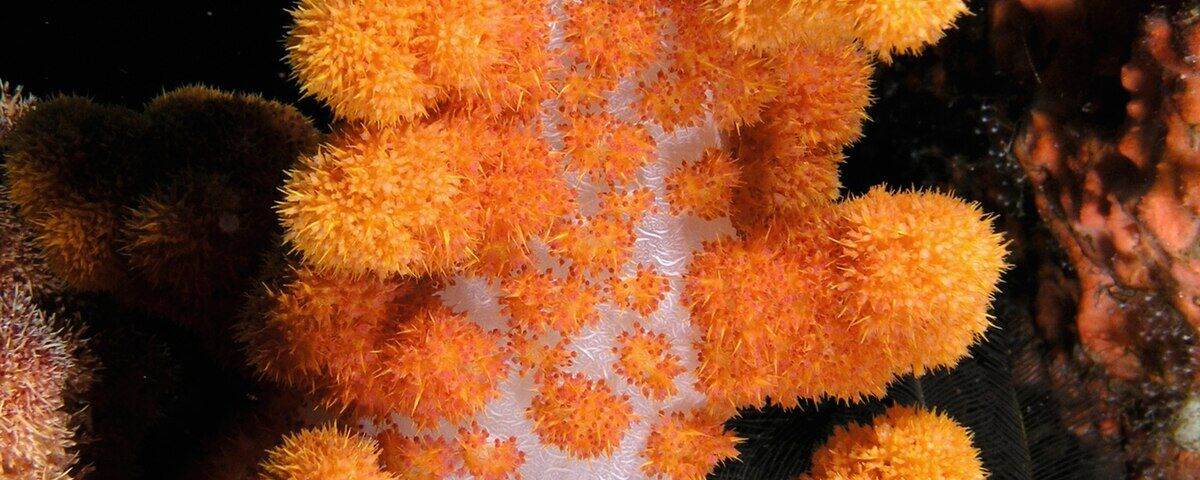
The coral itself deserves attention as a subject rather than just a backdrop. Table corals in the mid-range depths spread to impressive diameters, with some specimens exceeding two metres across. Staghorn formations create thickets in the shallows where juvenile fish shelter. Soft corals in purples and oranges decorate the bommie walls, opening fully when current brings planktonic food across the reef.
Cuttlefish are regular residents, often found hovering near the sand line where they hunt small crustaceans. Their colour changes are worth watching for several minutes if you have the patience and the air supply. Blue-spotted stingrays rest on sandy patches between the bommies, usually half-buried and easy to miss until your guide points out the distinctive blue dots.
Dive Conditions
The Aquarium sits in a naturally sheltered position on the lee side of Gili Lawa Laut, which is why the current stays so manageable. On most days, you will feel little to no water movement across the site. Occasional mild flow pushes gently across the reef during tidal changes, but nothing that requires effort to manage. This is one of the very few Komodo sites where you can hover in place, back up for a second shot at a photograph, and generally move at your own pace.
Depth ranges from 3 metres on the reef flat to roughly 20 metres at the sandy base of the slope. Most of the action concentrates between 5 and 15 metres, so bottom time is generous. An efficient air consumer on a standard 12-litre tank can comfortably stretch to 70 minutes here.
Visibility fluctuates with season and recent weather but generally sits between 15 and 25 metres, occasionally pushing to 30 on exceptional days. The northern sites in Komodo tend to get better visibility than the southern ones because the cold upwellings that reduce clarity around Rinca and the south rarely reach this far north. After heavy rain, visibility can drop to 10 metres in the shallows due to runoff from the island, though this clears within a day or two.
Water temperature holds between 26 and 29 degrees Celsius through most of the year. The warmer months (October to March) bring surface temperatures above 28 degrees. During the dry season (April to September), occasional thermoclines can drop temperatures a few degrees at the deeper sections of the site, though nothing that requires more than a standard 3mm wetsuit. Some divers prefer a 5mm for multiple daily dives during July and August.
Surface conditions at the site itself are consistently calm due to the island shelter. The boat ride from Labuan Bajo, however, crosses open water and can get choppy between June and August when the southeast trade winds pick up. Morning departures typically encounter calmer seas than afternoon returns.
⚓ Divemaster Notes
I use The Aquarium for two very different purposes, and both work brilliantly. First, it is genuinely the best checkout dive in Komodo. New arrivals who have not been in the water for months get a confidence boost from the calm conditions and the sheer volume of life. Nobody finishes a dive here feeling short-changed, even if the reason we chose it was practical rather than glamorous.
Second, and this is the bit most visiting divers miss, The Aquarium is one of the best photography sites in the entire park. I have seen professional underwater photographers specifically request this site over Castle Rock because the lack of current means they can actually compose shots properly. Try getting a clean macro image of a nudibranch at Crystal Rock with 3 knots of current pushing you sideways. Here, you can hover, breathe, frame, shoot, check the result, adjust, and reshoot. That matters.
My usual route starts at the mooring line and heads left along the reef slope, working from about 12 metres up to the shallows. The largest bommies with the best coral coverage sit in the 8 to 12 metre range on this side. I loop around the point where the reef curves, then work back along the shallower section where the staghorn coral gardens host the densest fish populations.
The turtles tend to concentrate on the western half of the site in the morning and shift to the eastern side as the sun moves. Whether that is a light preference or a feeding pattern, I cannot say for certain, but the correlation is consistent enough that I plan my route around it.
One genuine limitation: if you want big current and adrenaline, this is not your dive. Some experienced divers dismiss it after hearing the word beginner associated with the site. Their loss. The marine life density per square metre rivals anything in Komodo, and you actually get to stop and look at it instead of flying past on a current at three knots.
How to Get to The Aquarium
The Aquarium is accessed exclusively by boat from Labuan Bajo, the main town on the western tip of Flores island. The journey takes approximately 90 minutes by speedboat or 2 to 3 hours by traditional wooden dive boat.
Labuan Bajo has its own airport (Komodo Airport, LBJ) with daily flights from Bali (Denpasar) taking roughly one hour. Garuda Indonesia, Lion Air, and Wings Air operate multiple daily services. Flights from Jakarta are also available, typically with a stop in Bali or Surabaya.
From Labuan Bajo harbour, day-trip dive operators depart between 7 and 8 in the morning for northern itineraries that include The Aquarium alongside sites like Castle Rock, Crystal Rock, and Gili Lawa Laut. Most day trips include two or three dives, lunch, park entrance fees, and equipment for around 2.5 to 4 million Indonesian rupiah (roughly 150 to 250 USD).
Komodo National Park charges an entrance fee that increased significantly in 2023. Foreign visitors currently pay 150,000 IDR on weekdays and 250,000 IDR on weekends per day of entry. Dive operators generally include this in their trip pricing, but it is worth confirming when booking.
Liveaboard vessels departing from Labuan Bajo on multi-day itineraries through Komodo National Park commonly include The Aquarium on their route, particularly on the first or last day when the boat is positioned near the northern sites.
Gear Recommendations
Standard tropical setup with a 3mm wetsuit for most of the year. A 5mm shorty is worth bringing during the cooler months (July to September) if you plan multiple dives per day. No gloves needed. Reef hook unnecessary since there is no current to fight. Torch recommended for peering into crevices and bommie overhangs where the macro life hides. Camera is almost mandatory here given the conditions favour photography so strongly. Wide-angle works for the reef scapes and turtle portraits; macro lens for the nudibranch and shrimp. SMB for surfacing, though the calm conditions and proximity to the mooring make this less critical than at exposed sites.
Recommended Dive Operators
Wunderpus Liveaboard runs small-group trips through Komodo with knowledgeable guides who spend real time at The Aquarium rather than treating it as a throwaway checkout dive. Blue Marlin Dive operates from Labuan Bajo with well-maintained equipment and experienced local divemasters who know the bommie locations and where the turtles feed. Scuba Republic offers both day trips and liveaboard options, with their northern Komodo itinerary regularly featuring The Aquarium as a morning or sunset dive. Mikumba Diving operates the Nusantara liveaboard on budget-friendly Komodo safaris that include the northern sites.
Liveaboard Options
Most Komodo liveaboards transiting the northern sites include The Aquarium on their itinerary. The Mikumba Nusantara offers budget-friendly 3 to 4 day Komodo safaris that regularly dive this site. Wunderpus runs premium small-group trips with flexible scheduling that allows extended time at the northern sites. The Komodo Aggressor operates weekly charters from Labuan Bajo covering both northern and southern dive areas. Indo Aggressor follows a similar route. For budget options, several traditional phinisi sailing boats operate Komodo dive trips from Labuan Bajo with The Aquarium on the standard northern itinerary.