Three Sisters Dive Site
Komodo, Indonesia · Near Labuan Bajo
Overview
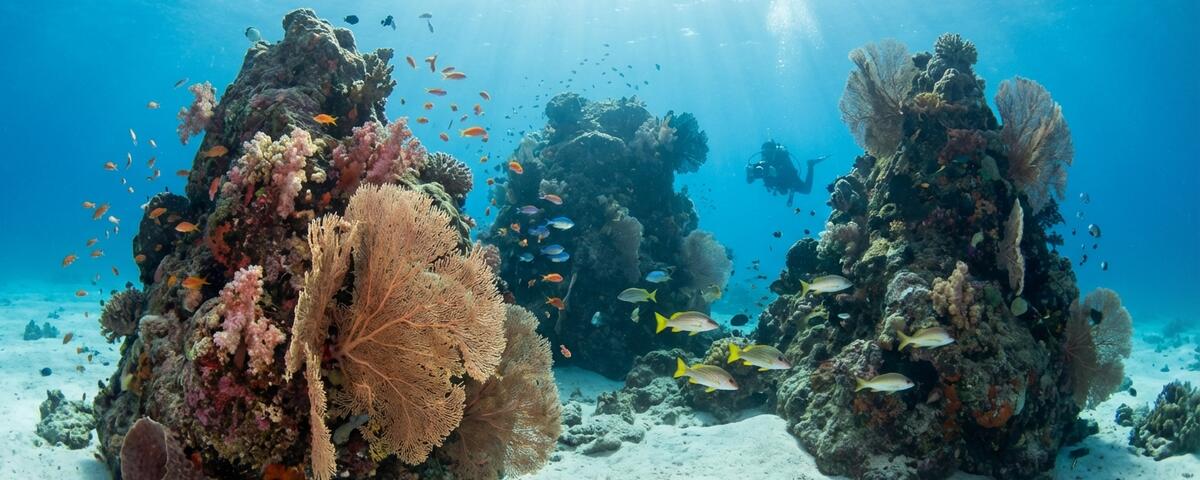
Three Sisters sits in the southern reaches of Komodo National Park, just north of Padar Island, where three rock pinnacles punch up from a sandy floor at 30 metres to within a few metres of the surface. The site doesn't appear on most nautical charts and the rocks barely break the waterline at low tide, which means plenty of dive boats motor straight past without knowing what's underneath. That relative obscurity is part of the appeal. Fewer divers means healthier coral, less silt, and marine life that hasn't learnt to scatter at the sound of tank banging.
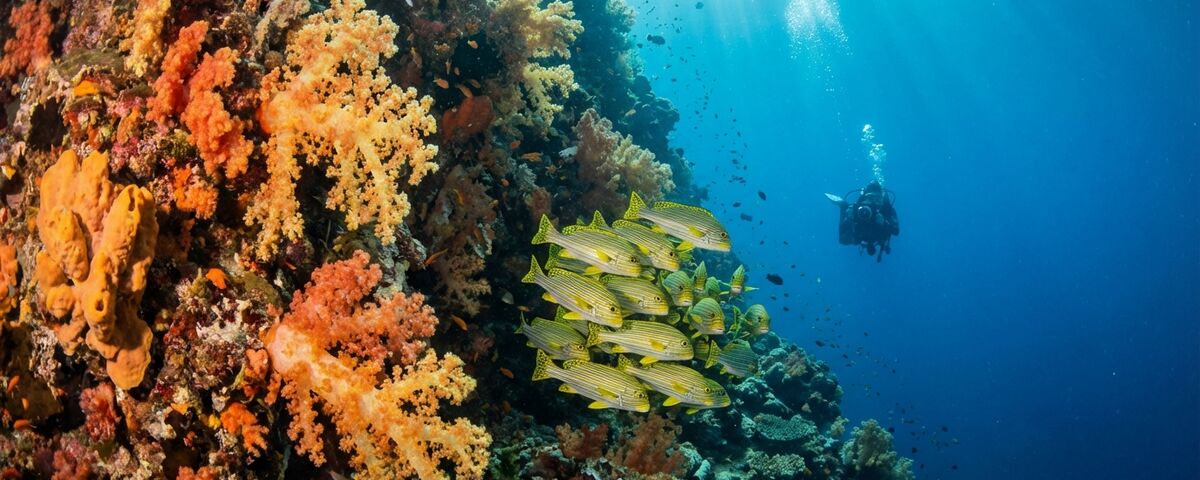
Each pinnacle is a self-contained ecosystem. Hard corals dominate the sun-drenched tops, transitioning to soft corals, gorgonian fans, and sponges as you descend into the gaps between the rocks. The sandy channels separating the three formations create natural corridors where current funnels through, concentrating nutrients and the predators that follow them. On a rising tide, you can drift between the pinnacles and let the ocean serve up whatever it has on offer that day.
What makes Three Sisters special is the combination of macro and wide-angle opportunities on the same dive. The sheltered pockets between pinnacles harbour pygmy seahorses, nudibranchs by the dozen, and frogfish wedged into coral crevices. Look up from any of those and you'll see trevally packs hammering baitfish in the blue water above. It's two dives in one, and the ratio shifts depending on current and timing.
A fourth formation sits further west, starting deeper at around 20 metres and dropping past 40. Most operators treat it as a bonus for experienced divers on slack tide, but its sea fans are some of the largest in the park and worth the extra air consumption if conditions allow.
The site's southern location puts it firmly in liveaboard territory. Day boats from Labuan Bajo rarely make the journey because the return trip eats into dive time and fuel budgets. That keeps visitor numbers low and the reef in outstanding condition. Operators who do bring divers here tend to treat it as a highlight, not a backup plan.
Marine Life at Three Sisters
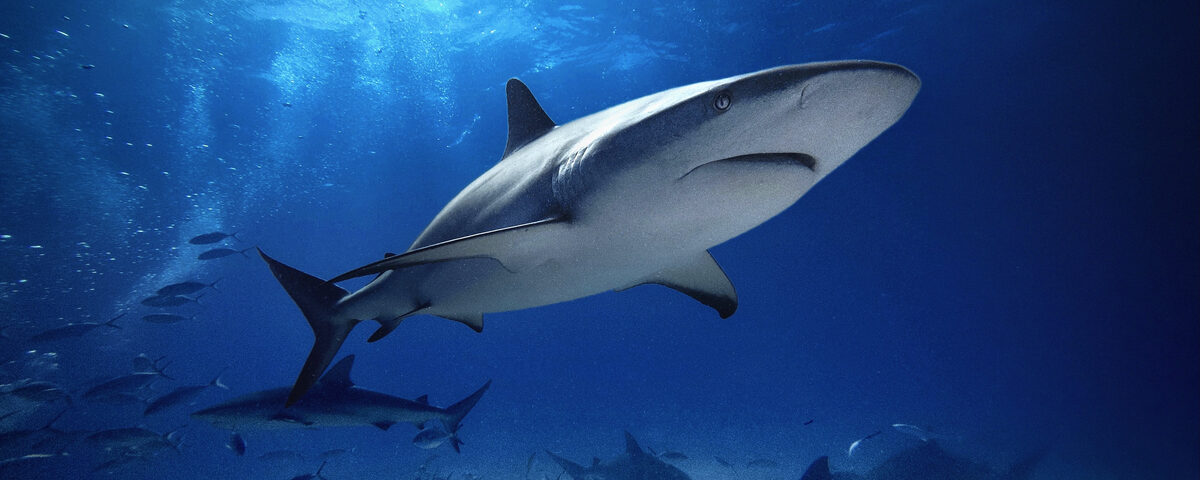
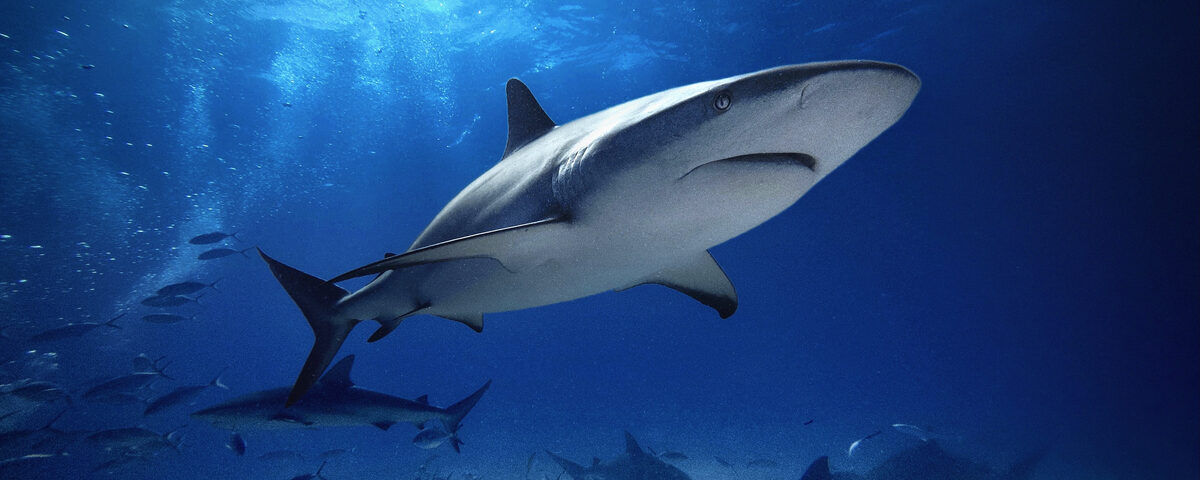
Grey reef sharks patrol the deeper water around the base of the pinnacles, and white-tip reef sharks rest in the sandy gaps between formations. They're not shy here. With fewer daily divers than northern Komodo sites, the sharks at Three Sisters behave more naturally, cruising closer and lingering longer before losing interest.
Giant trevally run the mid-water in loose hunting packs, making sudden explosive strikes into baitball formations that erupt around the pinnacle tops. Schools of barracuda sometimes stack vertically along the current-facing side of the tallest pinnacle, hundreds of fish holding position in the flow with minimal effort. Eagle rays pass through occasionally, usually solo, gliding between pinnacles before disappearing into deeper water.
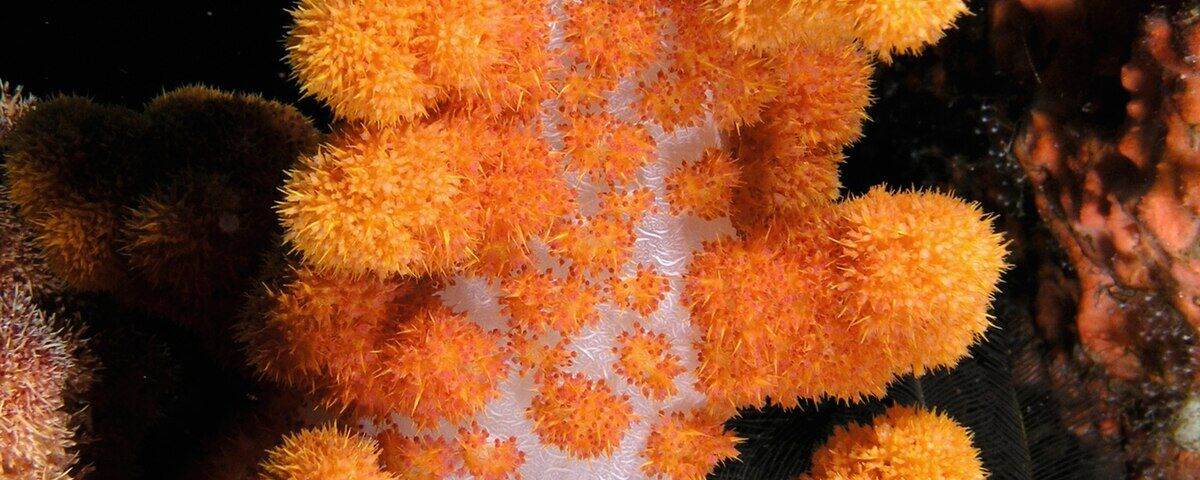
The coral coverage is exceptional by Komodo standards, which is saying something. Hard coral gardens cap each pinnacle, with branching and table corals creating habitat for damselfish, anthias, and chromis in clouds of colour. Below 15 metres, soft corals take over. Sea fans spread across the current-facing rock faces, some stretching over a metre across. Barrel sponges anchor the lower sections, providing shelter for hawksbill turtles that wedge themselves underneath for a rest.
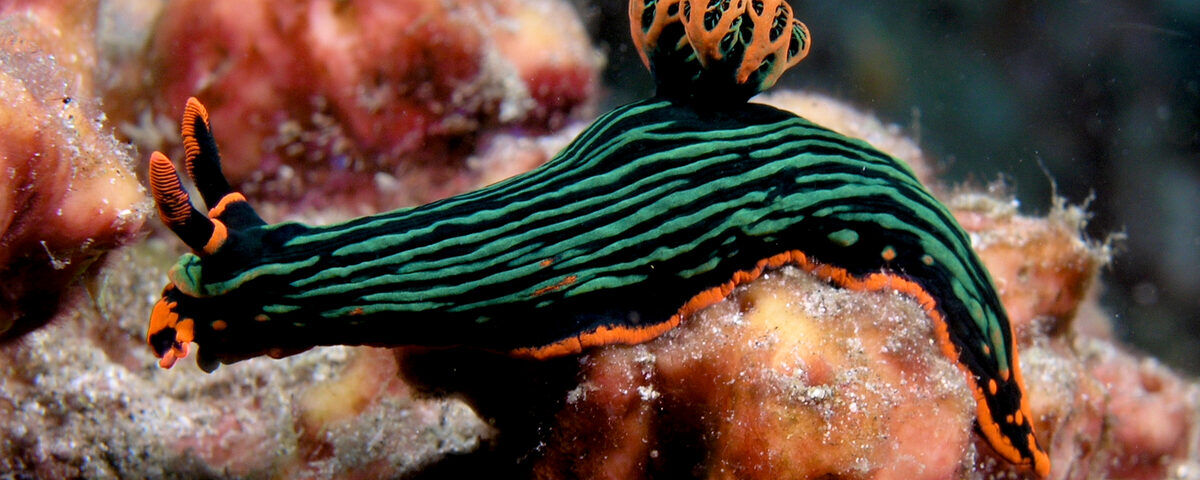
Macro life is where Three Sisters really earns its reputation among underwater photographers. Pygmy seahorses hide in the gorgonians (look for Bargibant's and Denise's species on fans below 18 metres). Nudibranchs are everywhere: Chromodoris, Phyllidia, Nembrotha, and enough variety to keep a slug enthusiast busy for the entire dive. Leaf scorpionfish perch motionless on coral ledges. Giant frogfish, sometimes bright orange, sometimes mottled brown, sit in plain sight on sponges. Ornate ghost pipefish appear seasonally, usually tucked against crinoids.
The gaps between pinnacles are worth hovering over. The sandy channels harbour blue-spotted stingrays and the occasional well-camouflaged crocodilefish. At dusk, mandarin fish have been spotted in the rubble patches near the base of the easternmost pinnacle, though timing a dive for this requires a cooperative operator and calm conditions.
Dive Conditions
Current is the defining variable at Three Sisters. The site sits in the flow path between the Flores Sea and the channels south of Padar, and tidal shifts push serious water through the gaps between the pinnacles. On a strong falling tide, the current can pin you against rock or sweep you off into open water if you're not paying attention. Rising tide tends to be more manageable but still demands good buoyancy and the ability to swim against flow when needed.
Slack tide transforms the dive. With minimal current, you can navigate freely between all three pinnacles, spending time on macro subjects without fighting for position. Most experienced operators time their visits for the transition between tides, catching 10 to 15 minutes of slack before the new flow establishes. That window is the sweet spot: enough residual movement to bring fish activity, but not so much that you're hanging on for survival.
Visibility ranges from 10 to 25 metres depending on season, tidal phase, and recent weather. The southern park tends to get slightly cooler, greener water than the northern sites, particularly between July and September when upwellings bring nutrient-rich water from deeper channels. This cooler water drops visibility but dramatically increases fish activity and pelagic encounters. Water temperature sits between 24 and 29 degrees Celsius, with thermoclines common below 20 metres that can drop the temperature by 3 to 4 degrees without warning.
Entry is always by boat, typically a negative entry when current is running. Your guide should brief the descent plan: roll off, dump BCD, drop to the nearest pinnacle top before current takes you past the site entirely. Surface swimming back to the pinnacles against current is rarely possible. If you miss the drop, signal the boat and try again.
This is a genuine advanced dive. The combination of current, depth (the fourth pinnacle drops past 40 metres), and the open-water location means it's not suitable for divers still building confidence with drift diving or deep profiles.
⚓ Divemaster Notes
Three Sisters rewards patience and current literacy. The biggest mistake I see divers make here is treating it like another drift dive and rushing between pinnacles. Slow down. Each rock formation has enough life to fill an entire dive, and the macro subjects need time to find.
Start on the tallest pinnacle (eastern one) if current is running east to west, which is the usual pattern on a falling tide. Use the pinnacle for shelter and work the current-facing side where the sea fans are largest and fish activity peaks. Cross to the middle pinnacle during any lull. Save the westernmost pinnacle for the second half of the dive when current typically eases.
If you're here for macro, brief your buddy on slow movement over the gorgonians. Pygmy seahorses don't tolerate being blasted with bubbles or having lights shoved in their faces. Position yourself below the fan and shoot upward. The site's macro reputation depends on divers not harassing the small stuff.
The fourth pinnacle to the west is a deeper excursion that should only be attempted at slack tide with plenty of remaining air and NDL. The sea fans down there are spectacular, but the depth means your bottom time is short and the swim back to the main three pinnacles against even mild current will burn through your gas faster than you expect.
Reef hooks aren't as commonly used here as at Castle Rock or Crystal Rock, but bringing one is sensible insurance. If current picks up unexpectedly while you're between pinnacles, hooking onto the nearest solid rock beats being swept into open ocean.
Safety stop: plan to finish on the shallowest pinnacle top at 3 to 5 metres. The coral garden up there is beautiful and the light is best for photography. Don't waste your safety stop staring at your computer when there's a reef garden around you.
How to Get to Three Sisters
Three Sisters is located in the southern section of Komodo National Park, roughly between Padar Island and the small islands south of Rinca. It's about 2.5 to 3 hours by boat from Labuan Bajo, depending on sea conditions and vessel speed.
Most divers reach Three Sisters on a liveaboard itinerary. The site is too far south for comfortable day trips from Labuan Bajo, and the boat time would eat half your diving day. Liveaboard routes that cover the central and southern park typically include Three Sisters alongside sites like Pillarsteen, Manta Alley, and Cannibal Rock.
Labuan Bajo is the gateway town for all Komodo National Park access. Direct flights from Bali take roughly one hour on several daily services. Flights from Jakarta connect through Bali or run direct on some carriers. The airport sits within 10 minutes of the waterfront where most dive operators and liveaboard departures are based.
Komodo National Park entrance fees apply. Foreign visitors currently pay around IDR 350,000 on weekdays and IDR 500,000 on weekends and holidays. Some liveaboard operators include park fees in their package price; others charge separately. Confirm before booking.
The site itself is unmarked on most charts. The pinnacles sit just below the surface and are difficult to spot from a distance. Operators who regularly dive Three Sisters navigate by GPS waypoints and local knowledge. If your captain hasn't been here before, that's a red flag worth noting.
Gear Recommendations
Full 3mm or 5mm wetsuit depending on your cold tolerance. Thermoclines below 20 metres are common and can drop water temperature to 24 degrees or lower without warning. A hood is worth packing if you plan to explore the deeper fourth pinnacle.
Reef hook recommended as backup for unexpected current changes. SMB mandatory for ascent in current, as you may drift off the pinnacles during your safety stop and need the boat to track you.
Macro lens is the priority here if you're bringing one camera setup. The pygmy seahorses, nudibranchs, and frogfish are the site's signature subjects and demand close-focus capability. If you're running a dual-setup, pair a macro with a moderate wide-angle (something like a 10-17mm fisheye) for the schooling fish and pinnacle topography shots.
Torch useful for highlighting soft coral colours and spotting macro subjects in crevices, even during daylight dives. Nitrox strongly recommended to extend bottom time on the pinnacles, which sit at 12 to 18 metres on their mid-sections. Dive computer with audible depth and NDL alarms, because it's easy to drift deeper than planned when crossing the sandy gaps between formations.
Recommended Dive Operators
Wunderpus Liveaboard includes Three Sisters on most of their southern Komodo itineraries, with guides who know the site's current patterns and optimal timing. Their standard trips run 4 to 7 nights and typically hit Three Sisters on the southernmost leg of the route.
Dive Concepts operates liveaboard cruises out of Labuan Bajo with experienced guides who treat Three Sisters as a highlight rather than an afterthought. Their briefings on current management and pinnacle navigation are thorough.
Blue Marlin Komodo occasionally runs extended day trips that reach the southern park, though their bread and butter is northern sites. For Three Sisters specifically, their liveaboard partnerships offer better access.
Samambaia Liveaboard runs premium cruises through the full park, and their itineraries consistently include Three Sisters when conditions cooperate. The crew's willingness to wait for optimal current windows rather than forcing the dive on a schedule is worth the premium.
For any operator, ask specifically whether Three Sisters is on the planned itinerary before booking. Some liveaboard routes focus heavily on the north (Castle Rock, Crystal Rock, Cauldron) and only venture south if conditions and timing align.
Liveaboard Options
Liveaboard is the standard access method for Three Sisters. The site's southern location makes it impractical for day trips.
Wunderpus, Samambaia, and Arenui all run routes through the southern park that include Three Sisters. Standard Komodo liveaboard trips run 4 to 7 nights, with southern sites typically visited on days 2 or 3 of the itinerary. The Damai and Mermaid II also cover this area on their extended Komodo routes.
Pricing for Komodo liveaboards ranges from roughly USD 250 to 500 per night depending on the vessel, with premium boats like Samambaia and Arenui at the higher end. Most operate from April through November, though some vessels run year-round with adjusted itineraries during the wet season.
The advantage of liveaboard access is timing flexibility. If current conditions are wrong for Three Sisters when the boat arrives, the captain can anchor nearby, dive alternative sites like Pillarsteen or Secret Garden, and return to Three Sisters when the tide shifts. Day boats from Labuan Bajo don't have that luxury.