Scuba Diving in Malaysia
5 dive sites across 2 regions
Malaysia's diving reputation rests largely on one island: Sipadan, consistently ranked among the world's top five dive sites. Beyond Sipadan's shark tornadoes and turtle walls, Mabul delivers world-class muck diving for macro photographers. Sabah's east coast is where the serious diving happens. Browse all Malaysian dive regions below.
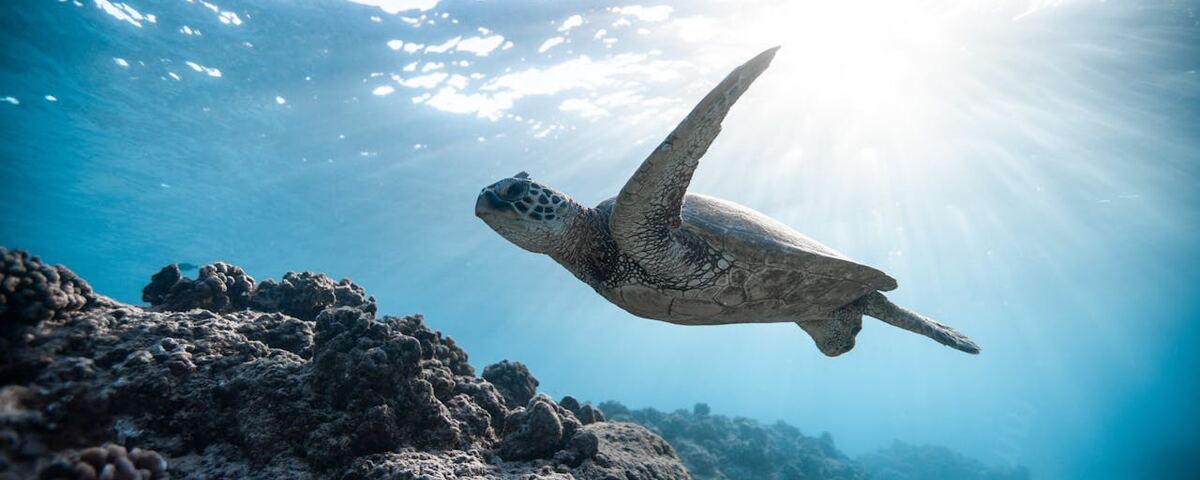
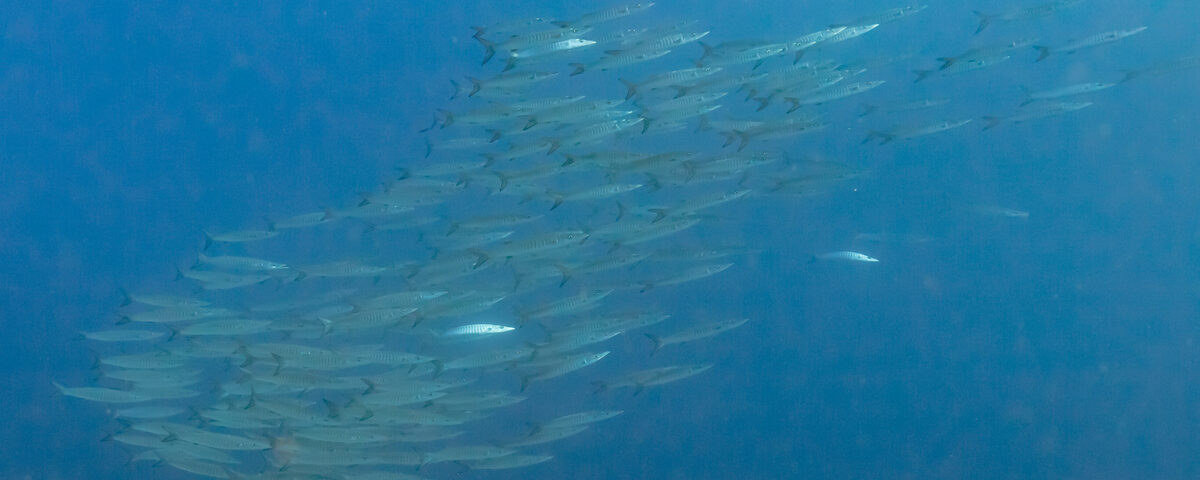
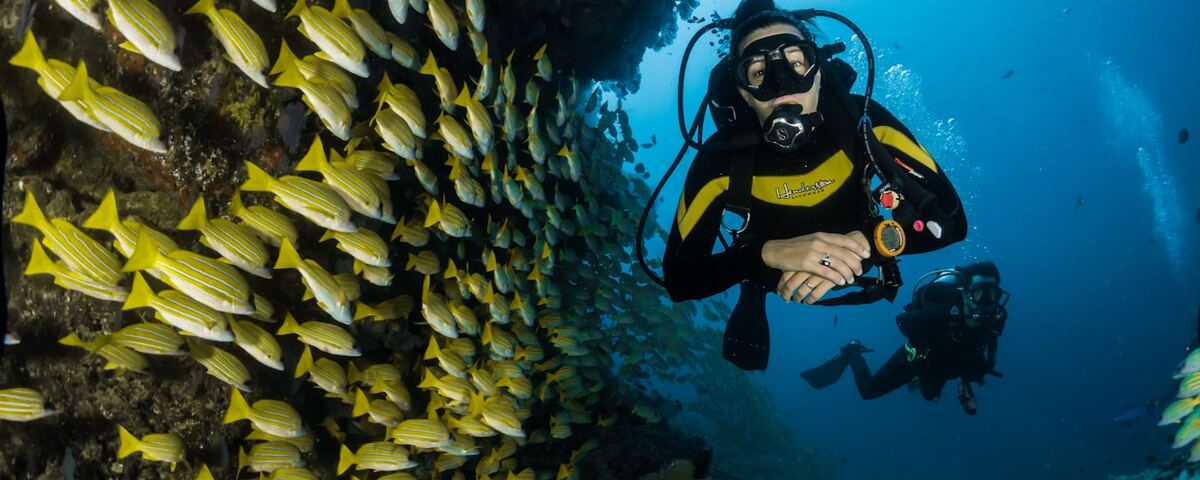
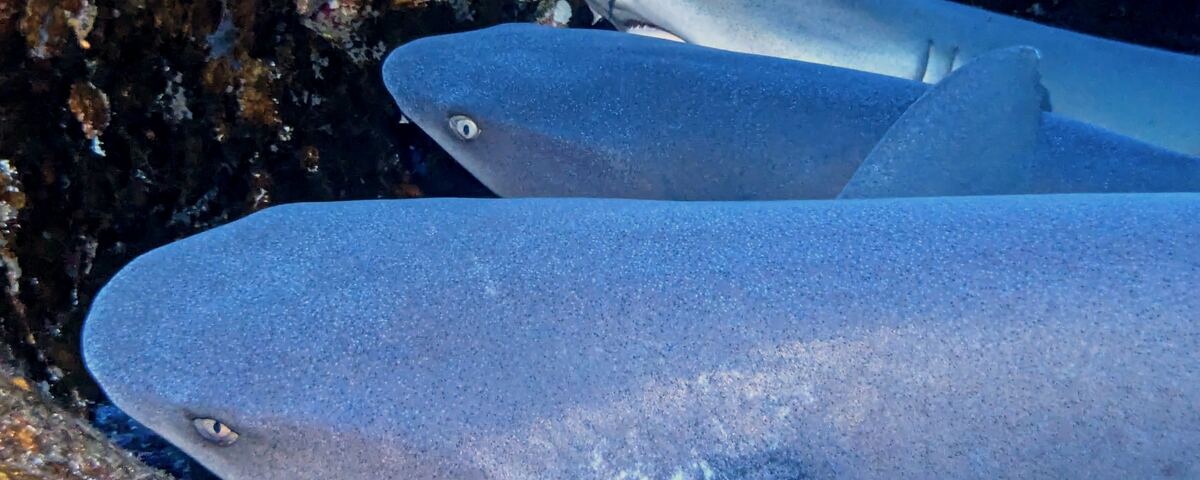
Sipadan changed the global conversation about Malaysian diving. Jacques Cousteau called it "an untouched piece of art" in the 1980s, and the island's 600-metre vertical walls, resident turtle population, and barracuda tornadoes have kept it in every top-five list since. Only 120 dive permits are issued per day, which keeps the crowds manageable and the reefs in exceptional condition.
But Sipadan is just one island. Mabul, sitting on a shallow continental shelf 15 minutes away by boat, has quietly built a reputation as one of Southeast Asia's best muck diving destinations. The sandy slopes and artificial reefs around Mabul and neighbouring Kapalai are packed with frogfish, blue-ringed octopus, flamboyant cuttlefish, and mandarin fish. Macro photographers book week-long stays here and still leave wanting more.
Both islands operate from resorts on Mabul or the converted oil rig at Seaventures. The logistics route most divers through Tawau or Kota Kinabalu in Sabah (Malaysian Borneo), followed by a transfer to Semporna and a boat ride out. It's not the most streamlined journey, but the diving justifies every transfer.
Peninsular Malaysia has its own dive spots (Tioman and the Perhentian Islands offer decent reef diving at budget prices), but Sabah's east coast is where the country earns its place on the world stage. Diving runs year-round, though March to October brings the calmest seas. Water temperatures hover around 27 to 29°C, and visibility at Sipadan regularly hits 30 metres or more. Most sites suit Advanced Open Water holders and above, though Mabul's shallower sites work for confident beginners.