Blue Magic Dive Site
Raja Ampat, Indonesia · Near Waisai
Overview
Blue Magic is a submerged seamount in the Dampier Strait that acts as a magnet for everything big in Raja Ampat. Mantas, sharks, schooling barracuda, and enormous schools of jacks converge on this pinnacle with a reliability that few sites in the world can match. The name isn't hyperbole; on a good day, this site genuinely feels magical.
The seamount rises from deep water to about 7 metres below the surface, with steep walls dropping to 30 metres and beyond on all sides. The exposed position in the strait means the pinnacle catches the full force of the tidal currents flowing between the Pacific and Indian Oceans, bringing nutrients, plankton, and the pelagic species that follow them.
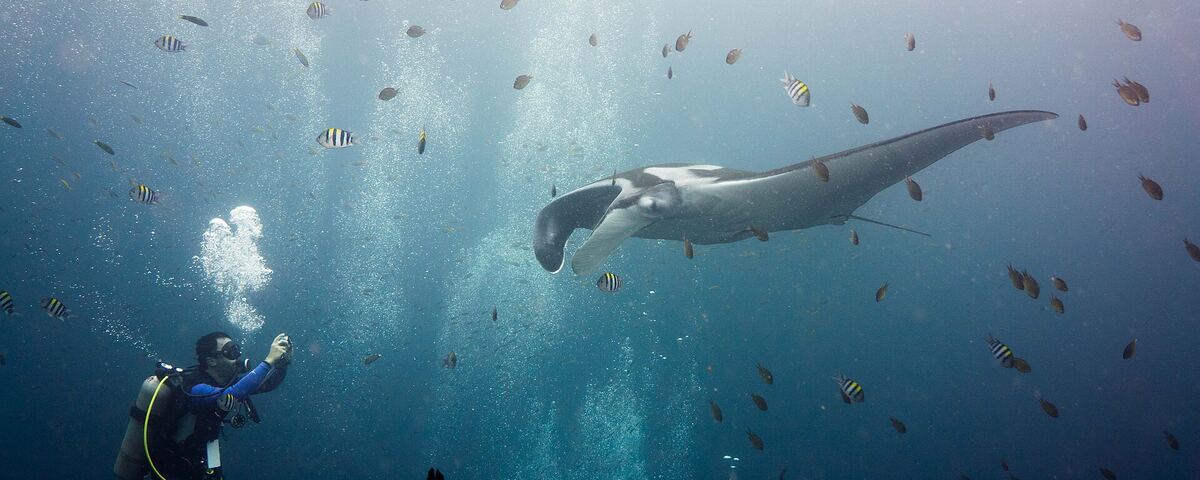
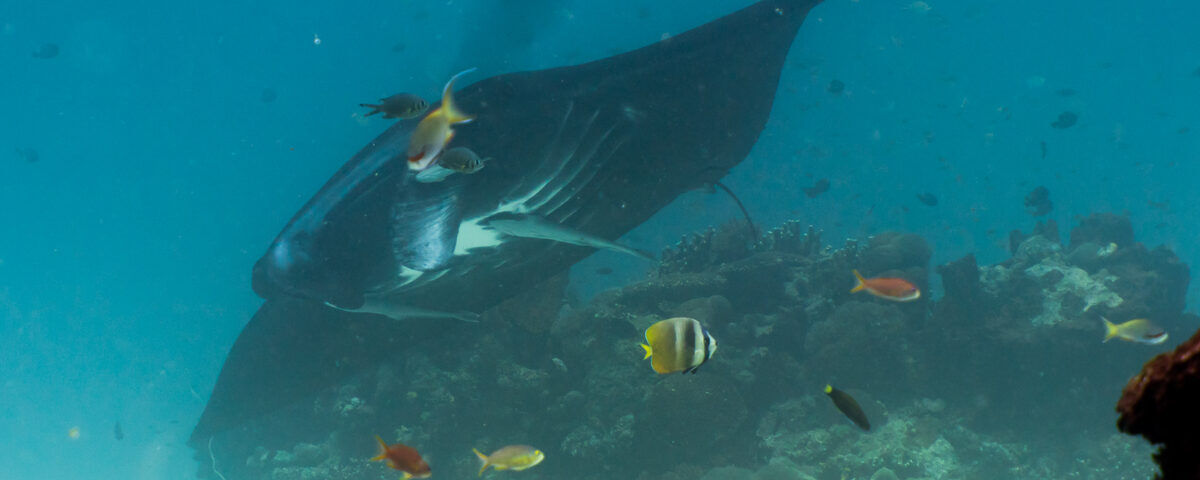
What distinguishes Blue Magic from other Raja Ampat pinnacles is the manta ray element. Reef manta rays visit the seamount regularly, using its upper sections as a cleaning station. When the mantas are in, the dive becomes one of the best manta encounters in Indonesia, rivalling Komodo's Makassar Reef but with better visibility and warmer water. When the mantas are absent, the site still delivers exceptional pelagic action with schooling fish, sharks, and the constant sense that something large might appear from the blue at any moment.
The current makes this an advanced dive. The pinnacle concentrates the flow, and conditions on the exposed side can be genuinely challenging. But the reward is proportional to the difficulty: Blue Magic consistently produces the kind of encounters that make experienced divers grin underwater.
Blue Magic is often cited as the site that converts reef divers into pelagic diving enthusiasts. The transition from coral-focused diving to current-swept seamount diving with big animals requires a shift in mindset, and Blue Magic's combination of manta potential, shark presence, and schooling fish provides the motivation to develop the skills that current-swept diving demands.
Marine Life at Blue Magic
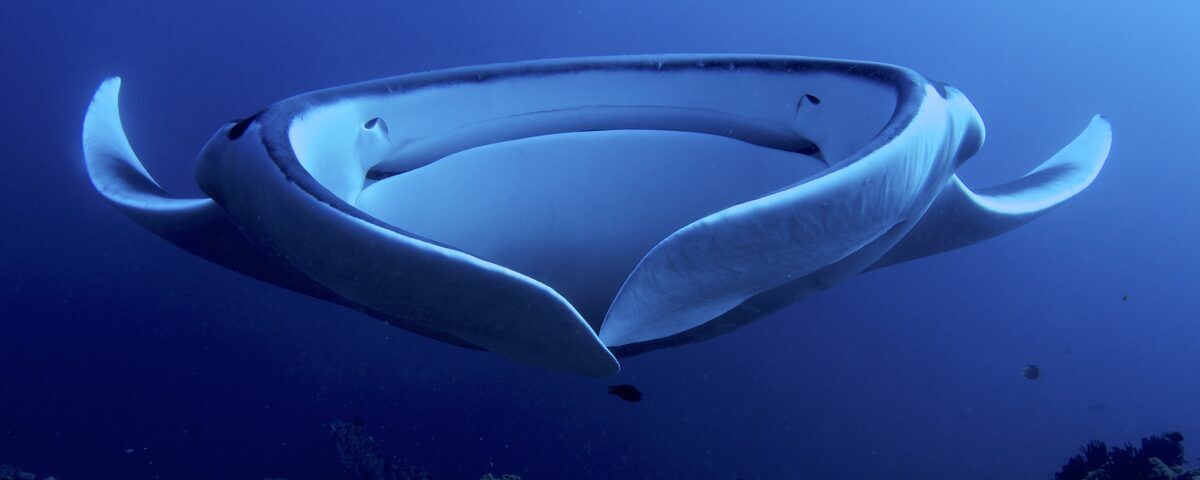
Reef manta rays (Mobula alfredi) are the signature species, visiting the cleaning stations on the pinnacle's upper sections. Wingspans typically range from 2.5 to 4 metres, and multiple individuals are often present simultaneously, circling in stacked formation above the cleaning station while small wrasse work their gills. Some visits produce five or six mantas at once.
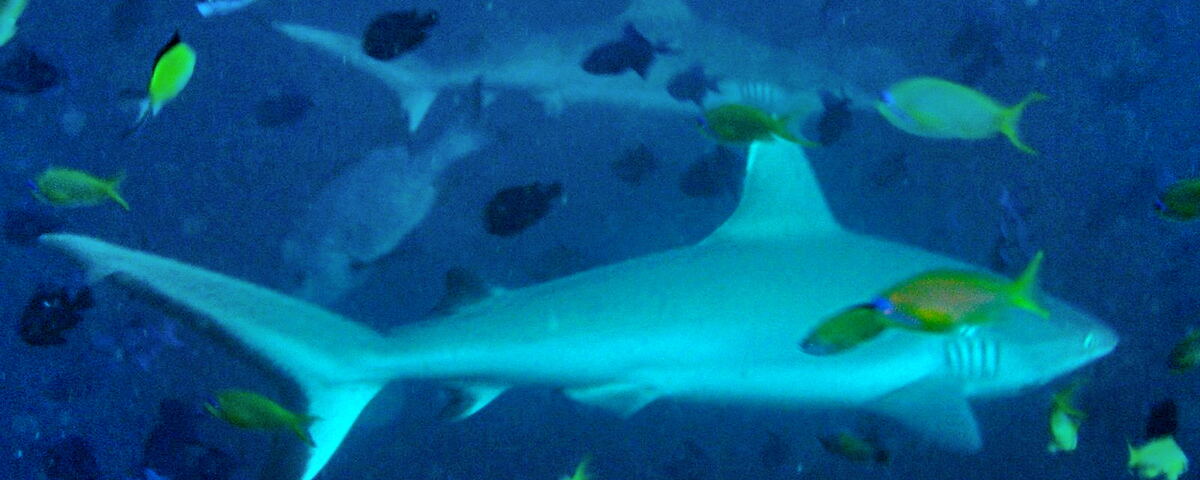
Black-tip and white-tip reef sharks are resident, with grey reef sharks appearing regularly in the deeper water around the seamount's base. Schools of barracuda form the distinctive spiralling formations that are one of Raja Ampat's visual signatures. Giant trevally hunt along the pinnacle's edges, and schools of big-eye trevally swirl in dense balls that create dramatic wide-angle photographic opportunities.
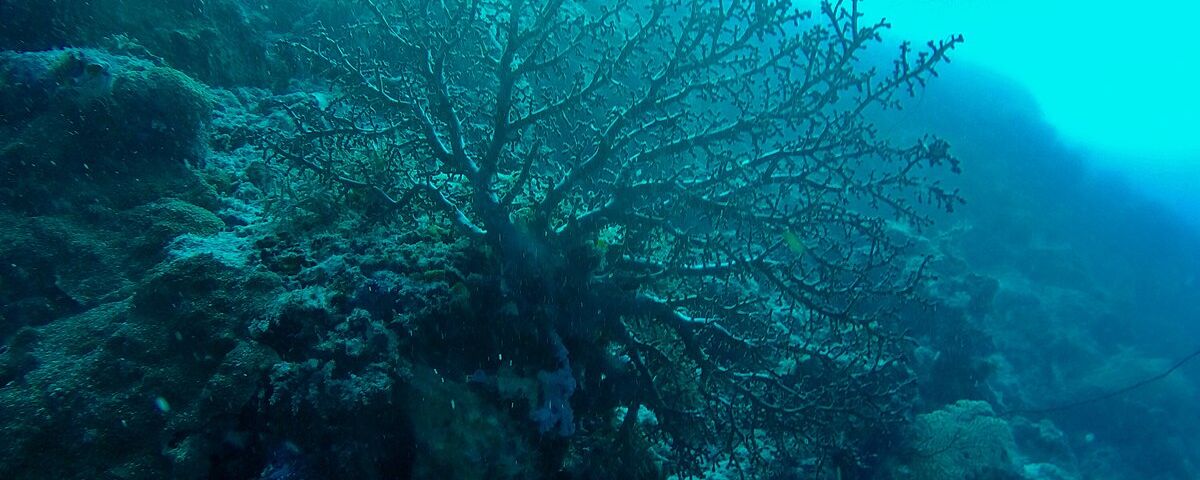
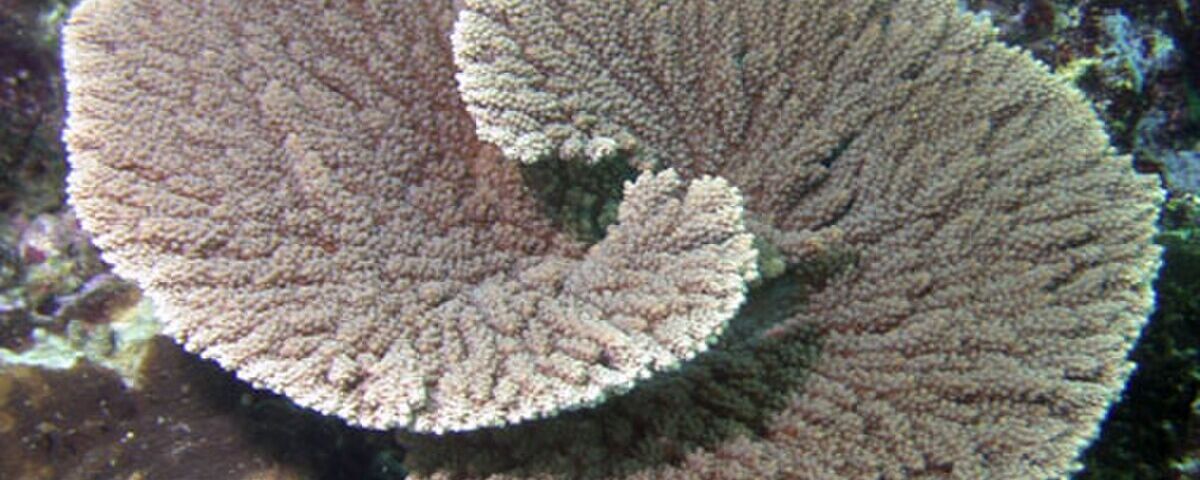
The pinnacle walls support healthy coral growth, including gorgonian fans, soft corals, and sponges. Wobbegong sharks rest on the reef surface, their tasselled mouths and flattened bodies making them a favourite subject for macro and portrait photography. Napoleon wrasse are regular visitors, often in pairs. Cuttlefish hunt among the coral.
In the blue water surrounding the seamount, eagle rays pass through periodically, and the very occasional whale shark sighting has been reported, though these are exceptional events rather than anything to plan around. Dolphin pods are sometimes visible from the boat between dives, and their underwater appearances, while rare, are among the most electrifying moments Blue Magic offers.
The seamount's upper sections host a cleaning station community that services a range of reef fish species beyond the mantas. Groupers, parrotfish, and even the occasional Napoleon wrasse present themselves at the cleaning stations, providing entertainment between manta passes. The cleaning behaviour is endlessly fascinating to observe: fish that are normally wary of each other queue patiently for their turn with the cleaner wrasse.
Dive Conditions
Current at Blue Magic ranges from moderate to strong, driven by the tidal exchange through the Dampier Strait. The pinnacle's exposed position means it catches the full force of the flow, and conditions can change rapidly as the tide shifts. Responsible operators check current before committing to the dive and will redirect to alternative sites if conditions are too strong.
Reef hooks are standard equipment here. The typical technique is to hook onto the pinnacle's upper sections and float in the current, watching the show. Without a hook, maintaining position on the seamount is exhausting and potentially dangerous in strong flow.
Visibility is generally excellent, 15 to 30 metres, with the best clarity during the peak diving season of October to April. Water temperature is a comfortable 27 to 30 degrees year-round. Entry is by boat, with negative entries common in current conditions.
This is a genuine advanced dive site. The combination of current, depth, and open water exposure requires solid skills and comfort in demanding conditions. The manta encounters, when they happen, are worth every bit of the effort.
The manta activity at Blue Magic correlates with plankton density in the strait. When the water has a slight green tinge and visibility drops below 20 metres, manta encounters are more likely because the plankton that attracts them is present in higher concentrations. Crystal-clear, 30-metre visibility is beautiful for photography but often means lower manta activity. This trade-off is consistent across manta sites globally.
The seamount's exposure to open ocean means surface conditions can be rougher than at sheltered reef sites. Wave height and current interact at the surface, creating conditions that require confident water entry. Giant stride or negative entry is standard, and the boat crew should be experienced in managing pickups from the seamount's exposed position.
Dive times of 40 to 55 minutes are typical, limited by current intensity and air consumption. The excitement of manta or shark encounters at depth increases breathing rate, and divers regularly surface with less air than they would from a calm reef dive. Plan your turnaround pressure conservatively.
⚓ Divemaster Notes
Blue Magic is the site where I've had some of my best and worst dives in Raja Ampat. Best: six mantas circling overhead in 25-metre visibility, with a wall of barracuda as the backdrop. Worst: ripping current, no mantas, and a group of divers who weren't ready for the conditions. The difference between these outcomes is timing, conditions, and honest assessment of the group's capability.
When mantas are at the cleaning station, the same rules apply as everywhere: don't chase, don't block their circuit, don't position yourself above them. Settle on the reef, stay low, and let them come to you. A calm group of four divers will get ten times the interaction that a frantic group of twelve will.
The wobbegong sharks on the pinnacle are one of Blue Magic's understated highlights. These flat, heavily camouflaged sharks lie on the reef surface and are easy to swim past without noticing. Ask your guide to point them out. They're beautiful animals and completely harmless unless you actually step on one.
If the mantas aren't showing, don't be disappointed. Blue Magic without mantas is still a world-class dive. The pelagic action, the barracuda schools, and the sheer quantity of reef life on the pinnacle make it one of the best dives in Raja Ampat regardless of whether the rays cooperate.
The wobbegong population at Blue Magic has been documented by researchers, with individual animals returning to the same resting spots on the pinnacle over multiple years. I have photographs of specific wobbegongs taken five years apart on the exact same patch of reef. This site fidelity makes them reliable subjects, and it also means you can visit them as you would any recurring character in a long-running story.
For the mantas, the cleaning station on the east side of the seamount at about 12 metres has been the most consistently active over the past decade. Position yourself to the south of this station, with the current at your back, and the mantas will approach from your left on their incoming circuit.
How to Get to Blue Magic
Blue Magic is located in the Dampier Strait area of Raja Ampat, accessible from Kri Island resorts or liveaboards operating in the region. The boat ride from most Dampier Strait resorts is 15 to 30 minutes.
Raja Ampat is reached via Sorong, West Papua, with flights from Jakarta (approximately 5 hours) or Makassar (approximately 3 hours). From Sorong, a 2 to 3 hour ferry crosses to Waisai, or resorts can arrange private transfers. The marine park permit (currently IDR 1,000,000 for foreign visitors) is required.
Peak season for Blue Magic is October to April, when conditions are most consistent and manta activity is highest.
Gear Recommendations
Reef hook essential. Wide-angle lens mandatory; this is big-animal territory. Full 3mm wetsuit sufficient. SMB for safety stop and drift exit. Nitrox recommended for extended time at the cleaning station depth (typically 10 to 15 metres). Camera with fast autofocus if you want to capture the mantas against the blue water backdrop.
Recommended Dive Operators
Papua Diving on Kri Island offers regular access to Blue Magic with experienced guides who know the current patterns and manta behaviour. Raja Ampat Dive Resort provides reliable trips with safety-focused operations. For liveaboard access, the Dewi Nusantara and Damai both include Blue Magic as a priority site on their Dampier Strait itineraries.
Liveaboard Options
Blue Magic is a highlight of every Raja Ampat liveaboard itinerary operating in the Dampier Strait. The Dewi Nusantara, Damai, Arenui, and Papua Explorer all feature it prominently. Liveaboard access allows flexibility in timing visits to coincide with optimal current and manta activity, and the ability to return for repeat dives when conditions are exceptional.