Cape Kri Dive Site
Raja Ampat, Indonesia · Near Waisai
Overview
Cape Kri holds the world record for the highest number of fish species counted on a single dive. In 2012, Dr Gerald Allen documented 374 species in a single immersion at this site, a number that seems absurd until you actually dive here and understand why it's possible. The reef at Cape Kri is where the Pacific and Indian Oceans exchange water and species, creating a biological crossroads with no equivalent anywhere on the planet.
The site wraps around the point of Kri Island, with a reef slope dropping from 3 metres to about 30 metres before giving way to a sandy bottom. The topography itself isn't dramatic by Raja Ampat standards: there's no towering pinnacle or deep wall. What makes it exceptional is density. Every square metre of reef supports more life than seems physically possible, with fish stacked in layers from the substrate to the surface.
The current that sweeps around the cape is what fuels this abundance. Nutrients flow past the point, feeding the coral that feeds the invertebrates that feed the fish that feed the sharks. The entire food chain is compressed into a relatively small area, creating a concentration of marine life that has no parallel in the scientific literature.
Diving Cape Kri for the first time is genuinely overwhelming. You don't know where to look. Schools of fusilier stream past in the hundreds while barracuda spiral in silver tornadoes above your head. Reef sharks cruise the edges. Napoleon wrasse the size of coffee tables drift past. And all of it is happening simultaneously, in every direction. It takes a few dives before you learn to focus on one thing at a time rather than trying to absorb everything.
Marine Life at Cape Kri
Schools of fish at Cape Kri operate on a scale that's difficult to convey. Big-eye trevally form spiralling bait balls numbering in the thousands. Yellowtail barracuda school in shimmering walls that curve around the reef point. Bumphead parrotfish move through in herds of 20 to 40 individuals, their size making the reef feel small by comparison. Fusilier and surgeonfish pack the mid-water in layers so dense that divers behind you literally disappear from view.
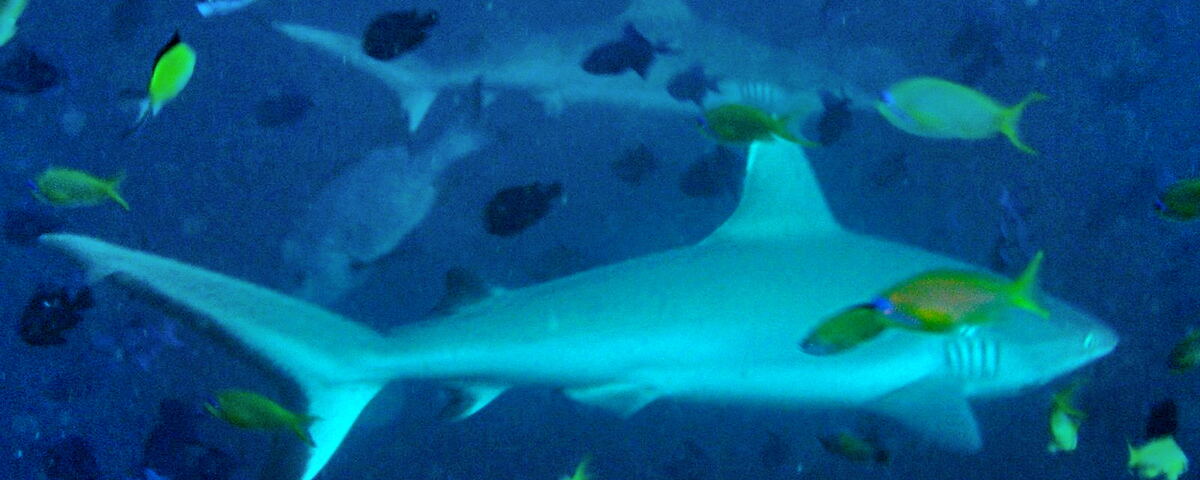
Black-tip and white-tip reef sharks are regular residents, patrolling the reef edges and the deeper sandy sections. Grey reef sharks appear periodically, particularly when current is running strong. Giant trevally hunt aggressively along the schooling fish, their attacks creating explosions of scattered baitfish that reform seconds later. Wobbegong sharks rest on the reef floor, their flat bodies camouflaged against the substrate.
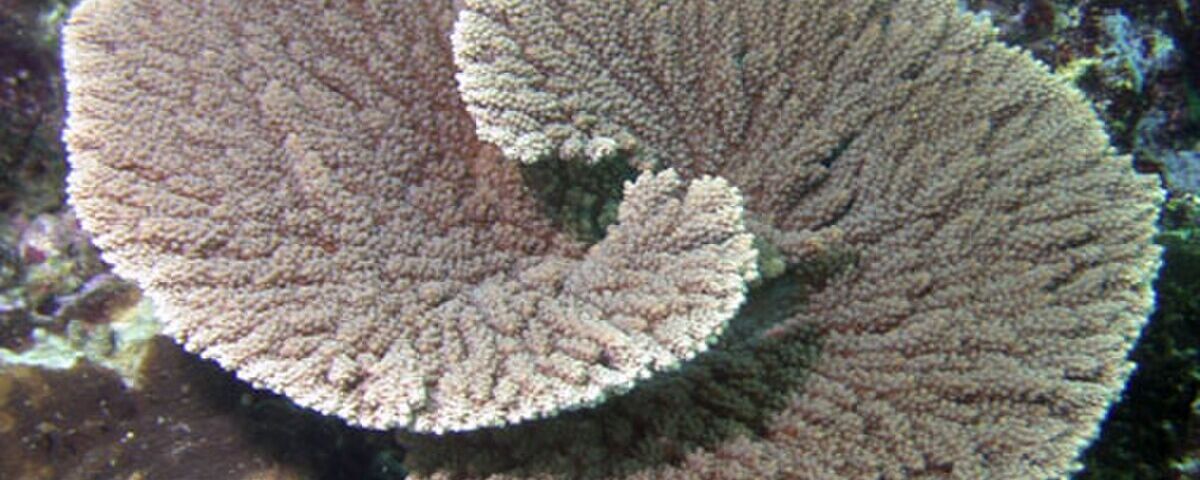
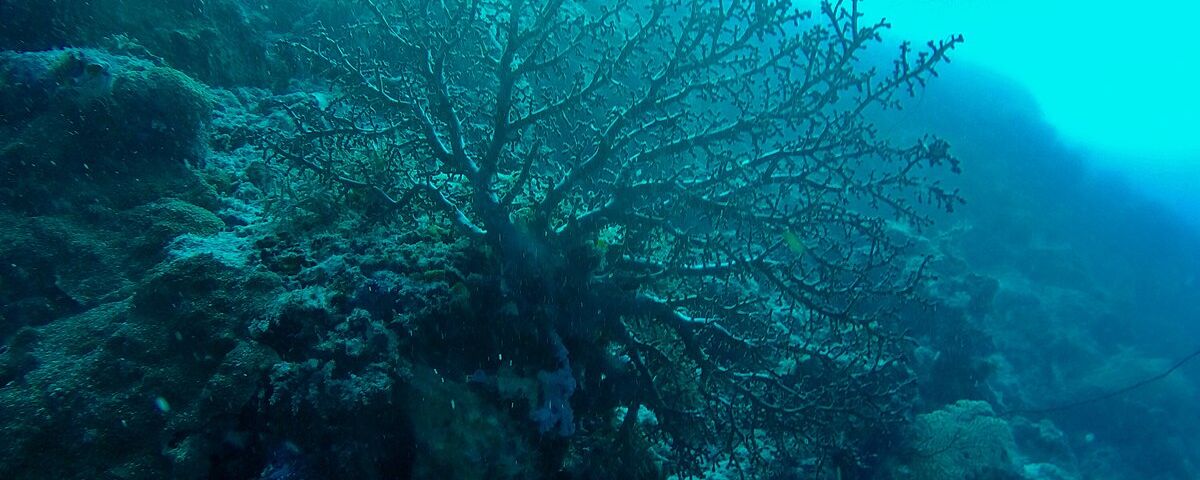
The reef itself supports an extraordinary diversity of hard corals, which is the foundation for the record-breaking fish count. Table corals, branching Acropora, massive Porites boulders, and encrusting species cover every surface. Clown triggerfish and titan triggerfish are both present and, during nesting season, both aggressively territorial. Sea fans and soft corals occupy the deeper sections and current-facing overhangs.
Macro life is present but secondary to the wide-angle spectacle. Pygmy seahorses inhabit the gorgonian fans at depth. Nudibranchs are abundant. But the honest truth is that you'll struggle to focus on a 2-centimetre nudibranch when a school of 500 trevally is passing overhead.
Dive Conditions
Current at Cape Kri ranges from moderate to strong, with the point of the cape acting as a current accelerator. The tidal flow sweeping around the island creates upwellings and eddies that concentrate nutrients and marine life. Diving in current here is standard; slack water dives are possible but less spectacular.
Most dives are conducted as drift dives, entering upstream of the point and drifting around the cape with the current. The guide controls depth and pace, and the boat follows surface markers to collect the group at the end. Reef hooks are useful for pausing at the point itself, where the current is strongest and the marine life most concentrated.
Visibility is typically 15 to 30 metres, with the best clarity from October to April (the peak diving season). Water temperature is a consistent 27 to 30 degrees year-round, with minimal thermocline variation. Entry is by boat from nearby Kri Island resorts or liveaboards anchored in the area.
The site is suitable for intermediate divers in moderate current, but strong current days push it into advanced territory. Your dive operator or resort should assess conditions before each dive and brief accordingly.
Nitrox is strongly recommended at Cape Kri, not for depth extension but for extending the time at 10 to 15 metres where the best fish action occurs. On air, NDL at 15 metres is generous but the extra safety margin that Nitrox provides allows you to stay in the action zone longer without the pressure of approaching limits. Given that this site delivers its best experiences in the upper water column, the investment in Nitrox pays off immediately.
⚓ Divemaster Notes
Cape Kri is the dive site I use to explain why Raja Ampat is different from everywhere else. The biodiversity here isn't a marketing claim; it's a measured, documented, peer-reviewed fact. And you don't need to be a marine biologist to appreciate it. The sheer volume of life is immediately obvious to anyone who drops below the surface.
The point of the cape is where the action peaks, and the trick is timing your drift to spend maximum time at the point itself. If the current is running east to west, enter on the east side and let it carry you to the tip. When you reach the point, deploy your reef hook on a dead rock (never on live coral) and hang in the current. This is where the trevally tornadoes form, the sharks cruise past, and the barracuda schools swirl.
Don't waste your entire dive at depth. The best fish action is often between 5 and 15 metres, where the schools are densest and the light is best for photography. I've seen divers drop to 25 metres chasing a shark and miss the 2,000-strong trevally school spinning just above them.
Nesting season for titan triggerfish (roughly October to January) makes the shallows slightly risky. Titans are territorial and will charge divers who enter their nesting area, delivering a surprisingly painful bite. Your guide should flag nesting areas. If a titan is turning sideways and displaying at you, back away. They're not bluffing.
The honest limitation of Cape Kri is that popularity has increased significantly in recent years. During peak season, you may share the site with groups from multiple resorts and liveaboards. Early morning dives before other groups arrive tend to produce the most relaxed encounters.
How to Get to Cape Kri
Raja Ampat is located in West Papua, the easternmost province of Indonesia. The gateway is Sorong, reached by direct flights from Jakarta (approximately 5 hours) or Makassar (approximately 3 hours). From Sorong, a 2 to 3 hour public ferry crosses to Waisai on Waigeo Island, the administrative capital of Raja Ampat. Some resorts arrange private speedboat transfers that reduce the crossing time.
Cape Kri is located at the tip of Kri Island in the Dampier Strait, one of Raja Ampat's most popular diving areas. Several dive resorts are located on Kri Island and neighbouring islands, placing Cape Kri within minutes by boat. The dive is typically a 5 to 15 minute boat ride from the resorts.
Raja Ampat charges a marine park entry permit (currently IDR 1,000,000 for foreign visitors, valid for one year), payable at the visitor centre in Waisai. This fee supports conservation management of the marine protected area.
Getting to Raja Ampat requires planning. Flights to Sorong are limited in frequency, and resort availability during peak season (October to April) should be booked months in advance.
Raja Ampat's remoteness is both its challenge and its protection. The multi-step journey from any international airport (fly to Jakarta or Bali, connect to Sorong, ferry or speedboat to the resort area) takes at least a full day and sometimes two. This logistical barrier deters casual visitors and helps maintain the low diver numbers that keep sites like Cape Kri in pristine condition.
Gear Recommendations
Reef hook essential for pausing at the point in current. Wide-angle lens is the correct choice; this is emphatically not a macro site. Full 3mm wetsuit is sufficient. SMB for drift dive exit. Nitrox recommended for extended time at the shallower depths where the fish action concentrates. Dive computer with current-aware alerts.
Recommended Dive Operators
Papua Diving is the original dive operation in the Dampier Strait area, located on Kri Island itself and offering direct access to Cape Kri within minutes. Their guides have thousands of logged dives at this site. Raja Ampat Dive Resort on Mansuar Island provides reliable access with well-maintained gear. Meridian Adventure Dive on Waisai offers day-trip access as well as multi-day dive packages. For liveaboard access, the Damai and the Dewi Nusantara both run Raja Ampat itineraries that include Cape Kri as a featured site.
Liveaboard Options
Raja Ampat is one of Indonesia's top liveaboard destinations, and Cape Kri features on every Dampier Strait itinerary. The Dewi Nusantara, Damai, Arenui, and Papua Explorer all run Raja Ampat routes that include this site. Liveaboards offer the advantage of diving Cape Kri at optimal times (early morning before resort groups arrive) and combining it with more remote sites that day-trip operations can't reach. Most Raja Ampat liveaboards operate during the peak season of October to April, with trips typically lasting 7 to 14 nights.