Cape Mansuar Dive Site
Raja Ampat, Indonesia · Near Mansuar Island
Overview
Cape Mansuar occupies the southwestern tip of Mansuar Island, a headland where the Dampier Strait's tidal flow accelerates around the point and produces some of the most intense current diving in Raja Ampat. When the tide is running, this cape becomes a gathering point for pelagics drawn by the concentrated nutrient flow, and the underwater landscape transforms from a pleasant reef into a full-scale oceanic event.
The reef structure at the cape is a series of ridges and channels running perpendicular to the current, creating natural acceleration zones where the water speeds up and areas of shelter in the lee of each ridge. This topography means the dive involves moving between high-energy and low-energy zones, a rhythm that keeps things interesting and provides rest points between the more intense sections.
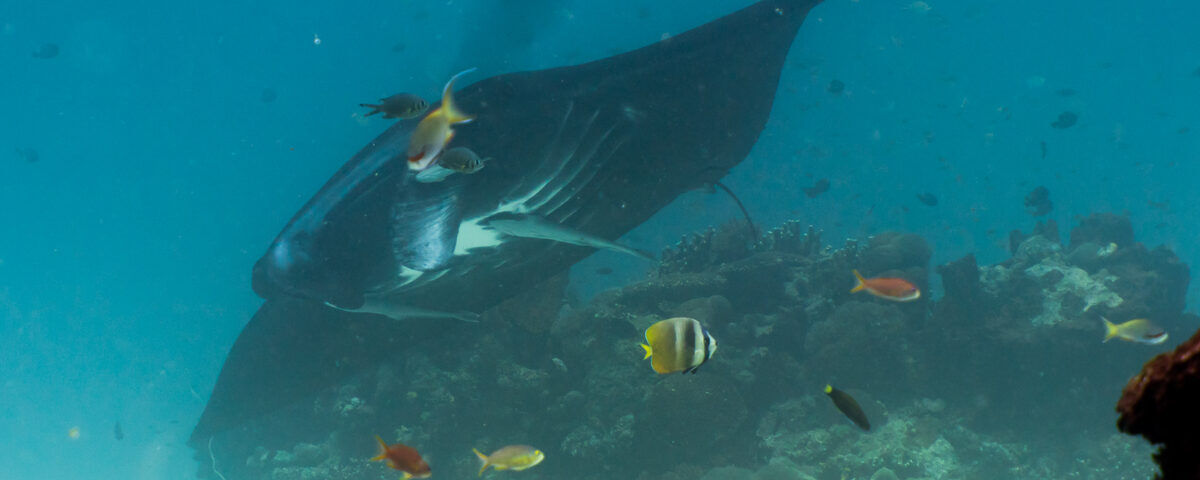
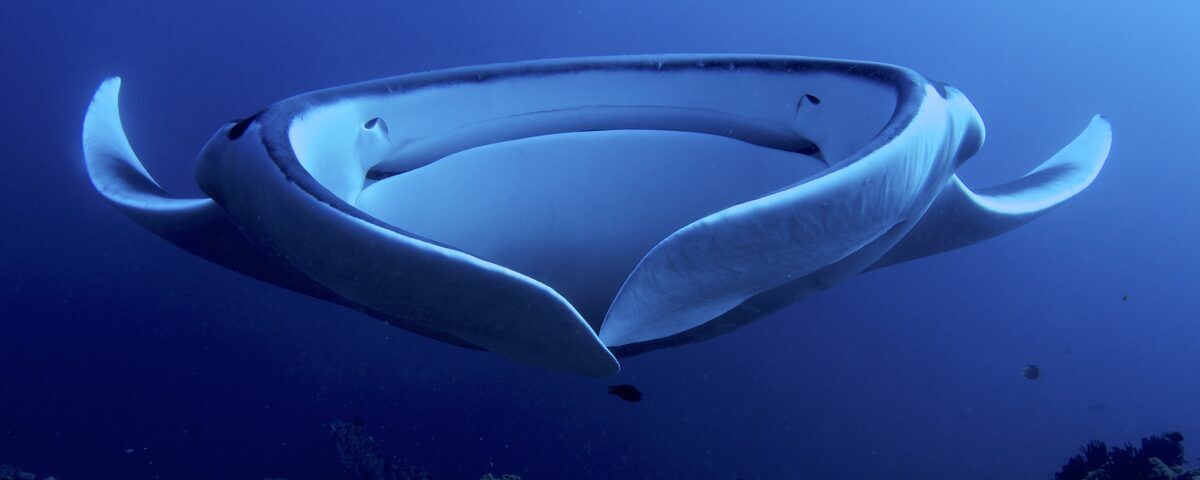
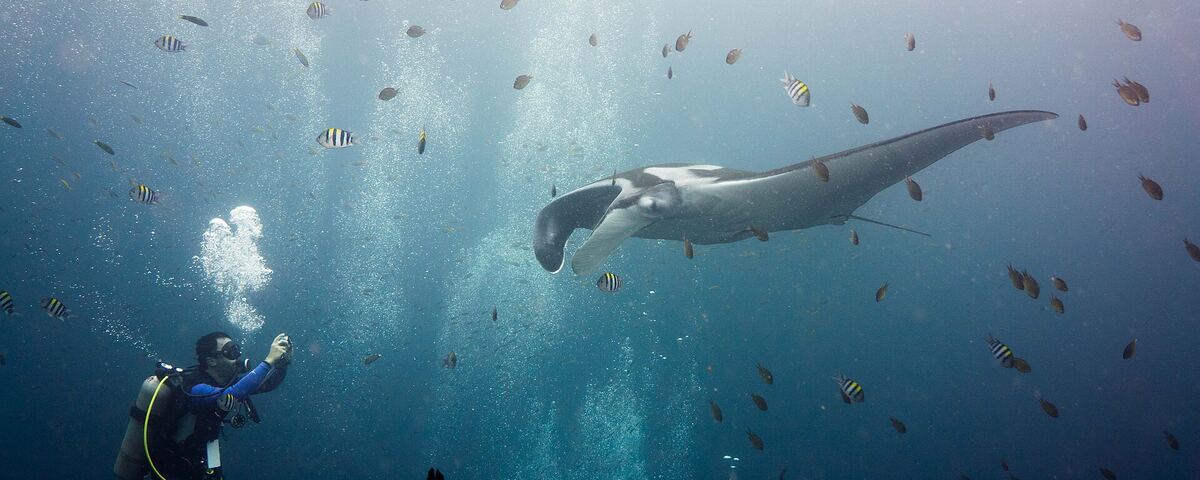
Cape Mansuar is one of Raja Ampat's best sites for manta ray encounters, though this isn't the site's only draw. The tidal upwellings bring cold, plankton-rich water to the surface, attracting feeding mantas that cruise the point's edges during favourable conditions. Unlike dedicated cleaning station sites, the mantas here are actively feeding, which makes their behaviour more dynamic and less predictable.
The site also attracts large schools of mobula rays (devil rays) during certain seasons, with groups of 20 to 50 individuals sometimes sweeping past the point in formation. These encounters are season-dependent and can't be guaranteed, but when they happen, they rank among Raja Ampat's most memorable moments.
The cape's exposure to the full force of the Dampier Strait current makes it a site that rewards advanced skills. The current can exceed comfortable levels without warning, the depth drops rapidly, and the combination of strong flow and vertical reef faces demands precise buoyancy control and current management.
The cape's position at the narrowing of the Dampier Strait creates a venturi effect, accelerating tidal flow around the point. This hydrodynamic feature concentrates plankton and nutrients, which in turn attracts the filter-feeding mantas and the predatory species that follow the food chain. Understanding this mechanism explains why Cape Mansuar consistently produces big-animal encounters that other sections of the strait cannot match.
Marine Life at Cape Mansuar
Manta rays are the most sought-after encounter at Cape Mansuar, with reef mantas (Mobula alfredi) feeding along the point during plankton-rich tidal flows. Sightings are most reliable during the transition between seasons (October to November, March to April) when plankton density peaks. Individual mantas frequently make repeated passes along the point, allowing multiple encounters on a single dive.
Mobula rays (devil rays) appear in schools during certain months, typically between November and January. These smaller rays travel in coordinated groups and swim with a rapid wingbeat that contrasts with the languid glide of the larger mantas. Seeing a formation of 30 mobulas sweep past the point against a backdrop of blue water is an experience unique to a handful of sites worldwide.
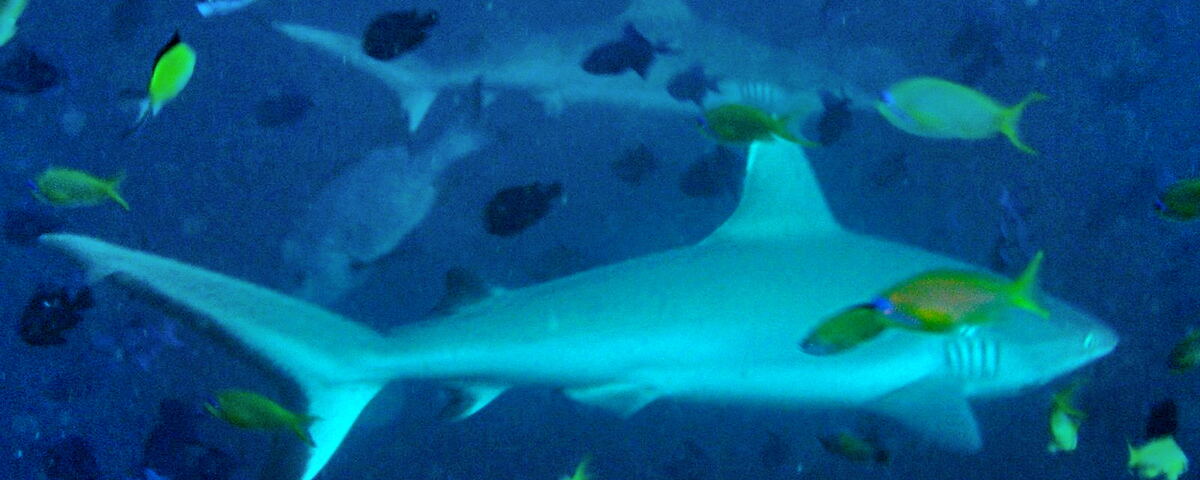
Grey reef sharks patrol the deeper sections of the cape, and the occasional hammerhead passes through the blue water beyond the reef edge during season (typically November to February). Barracuda form schools in the current, and giant trevally hunt the reef edges aggressively.
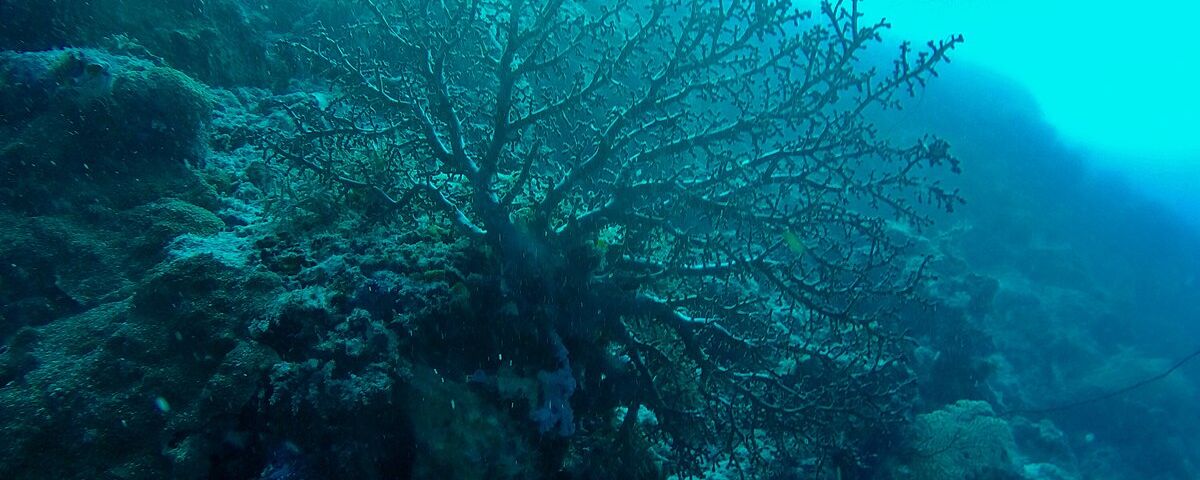
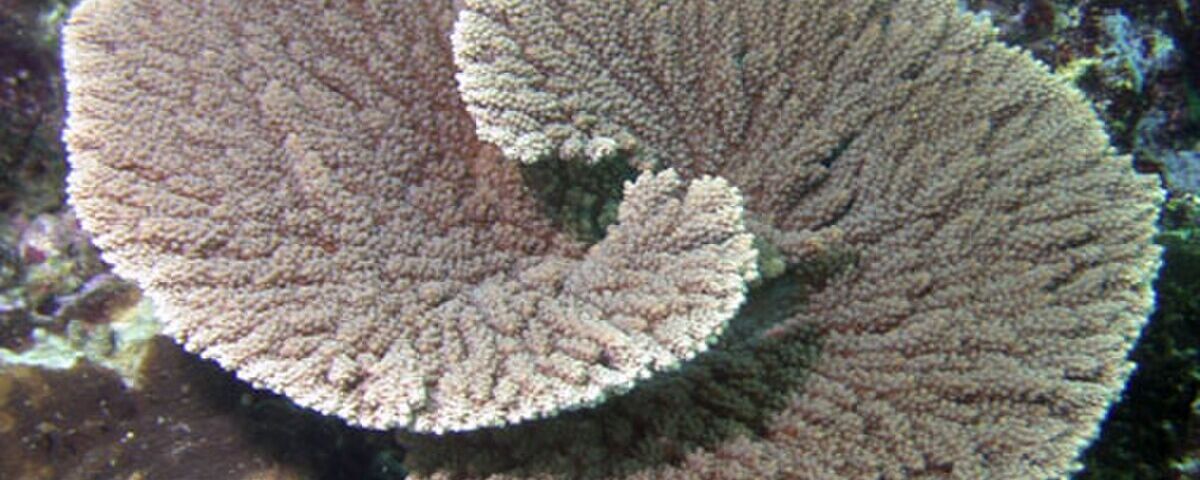
The reef structure supports exceptional coral coverage where current permits growth. Gorgonian fans spread across the current-facing surfaces, and soft corals add colour to the ridges and channels. Wobbegong sharks hide under overhangs, and the macro community (nudibranchs, pygmy seahorses on gorgonians, commensal shrimp) provides interest during calmer moments between pelagic passes.
Turtles are common across the site, with green and hawksbill species both present. Napoleon wrasse appear regularly, and the fish diversity across the reef structure adds the characteristic Raja Ampat richness to the dive between the headline encounters.
The deeper sections of the reef (below 25 metres) harbour larger groupers, sometimes exceeding a metre in length, sheltering under overhangs. These deep residents are less commonly seen by divers who stay in the shallower manta zone, but they contribute to the site's overall species list and provide subjects for divers exploring the cape's full depth range.
During periods of strong current, the plankton concentration at the cape can be dense enough to attract whale sharks. These encounters are rare (perhaps a few per season) but have been documented by multiple operators and represent the pinnacle of what Cape Mansuar can deliver.
Dive Conditions
Current at Cape Mansuar is the defining factor. When the tide is running hard, this is one of the strongest current sites in Raja Ampat. The cape splits the flow, creating areas of extreme current on the exposed faces and sheltered eddies behind the ridges. Experienced divers use the ridges for cover, popping out to the exposed edges to watch the pelagic traffic before retreating to calmer water.
The current's strength is what brings the big animals, so diving here in slack conditions misses the point. The best dives coincide with strong tidal flow, which requires genuine advanced skills: reef hook use, precise buoyancy in current, and the ability to make calm decisions in high-energy conditions.
Visibility ranges from 10 to 25 metres and correlates inversely with plankton density. Manta-friendly conditions (high plankton) often mean reduced visibility, a familiar trade-off for anyone who has dived manta sites.
Water temperature is warm at 27 to 30 degrees, though cold upwellings during strong tidal flow can produce thermoclines that drop the temperature by several degrees. The depth profile drops to 35 metres and beyond, requiring depth discipline on the deeper sections of the cape.
This is an advanced dive site. The current intensity, depth, and exposed position demand experience. Operators should assess divers carefully before offering Cape Mansuar on strong current days.
The thermocline encounters at Cape Mansuar are worth preparing for. Cold upwellings from the deep water south of the strait can produce temperature drops of 4 to 5 degrees in a matter of seconds. The shock is physical and disorienting, and it directly affects air consumption. Knowing that thermoclines are a feature of this site helps you react calmly when the water temperature suddenly drops.
⚓ Divemaster Notes
Cape Mansuar is my favourite advanced dive in Raja Ampat. When the current is right and the mantas are in, there's nothing quite like hanging on the point watching three-metre wingspan rays sweep past at close range. It's the combination of earned access (you need the skills to handle the current) and spectacular reward.
I time the dive to incoming tide and position the group behind the main ridge before moving to the exposed point. This lets everyone settle in calmer water before facing the current. Once comfortable, we edge out to the current-exposed face where the action happens.
The manta encounters are not guaranteed. I've had weeks with mantas on every dive and weeks without a single sighting. They follow the plankton, and the plankton follows conditions we can't control. What I can tell you is that Cape Mansuar produces more manta sightings per visit than almost any other Dampier Strait site during the right season.
The mobula ray encounters are even less predictable but spectacularly rewarding. When they come through, they come in numbers. I've counted 50 in a single pass. There's no way to position for them except being in the right place at the right time, which means spending time on the point during season and hoping.
One safety point: the current at Cape Mansuar can genuinely exceed safe diving levels. If I see the surface water churning and boiling over the point, we abort and dive a sheltered alternative. No manta encounter is worth a current-related accident. Respect this site.
The ridge and channel topography at Cape Mansuar creates natural rest stops during the dive. When current is strong on the exposed faces, the channels between ridges offer pockets of calmer water where the group can regroup, check air, and assess conditions before the next exposed section. I use these natural pauses to manage the group's comfort and energy levels across the dive.
How to Get to Cape Mansuar
Cape Mansuar is on the southwest tip of Mansuar Island in the Dampier Strait, Raja Ampat. It's accessible by short boat ride from resorts on Kri or Mansuar islands, or by liveaboard.
Reaching the Dampier Strait area requires flying to Sorong (domestic flights from Jakarta, Makassar, Manado) and taking a 2 to 3 hour boat transfer to the islands. Resorts handle the logistics.
Raja Ampat marine park entry fee applies (IDR 1,000,000 for foreign visitors).
Gear Recommendations
Reef hook essential. 3mm wetsuit with possible thermocline encounters. Wide-angle lens for manta and mobula photography. SMB mandatory for drifting off the point during ascent. Nitrox strongly recommended for depth management and safety margin. Streamlined equipment to reduce current drag.
Recommended Dive Operators
Papua Explorers and Papua Diving on Kri Island both run Cape Mansuar regularly, timing dives to optimal current conditions. Their guides have extensive local knowledge of the current patterns and manta movements. Liveaboard operators including the Damai and Dewi Nusantara include Cape Mansuar on their Dampier Strait itineraries.
Liveaboard Options
Cape Mansuar is featured on Raja Ampat liveaboard itineraries covering the Dampier Strait. The Damai, Dewi Nusantara, Grand Komodo, and Shakti include it, typically timing the visit to coincide with optimal tidal conditions. Liveaboards offer the flexibility to revisit the site across multiple tidal states, increasing the chance of encountering mantas and mobula rays.