Arborek Jetty Dive Site
Raja Ampat, Indonesia · Near Arborek Village
Overview
Arborek Jetty proves that world-class diving doesn't require walls, pinnacles, or ripping currents. The wooden jetty extending from Arborek village into the Dampier Strait shelters a reef ecosystem so densely packed with marine life that it consistently ranks among the most species-rich shallow dives on the planet. Maximum depth: 12 metres. Minimum excitement: zero.
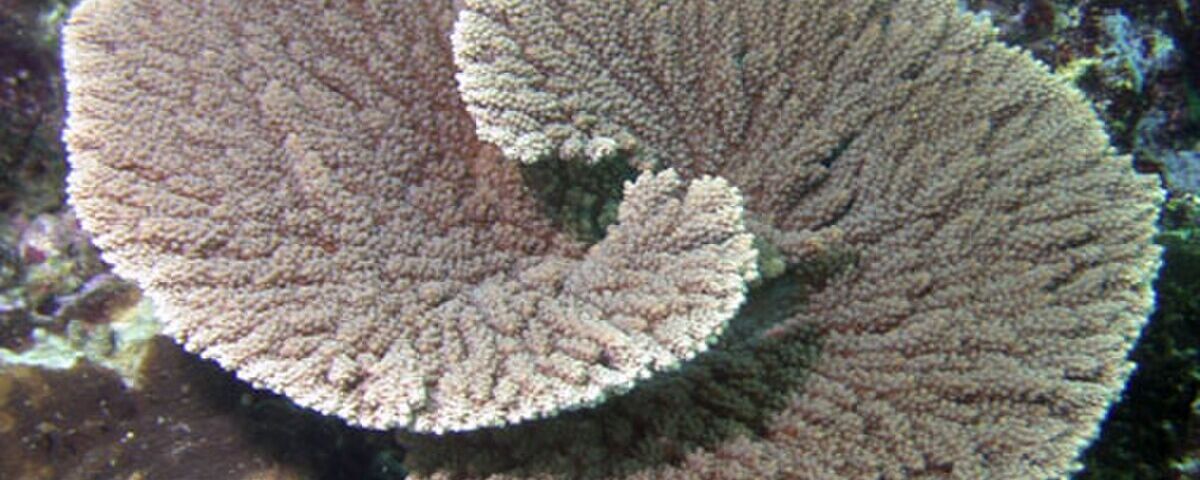
The jetty pilings have become artificial reef structures over the years, encrusted with sponges, soft coral, and tunicates that provide habitat for hundreds of species. Between the pilings, a carpet of hard coral extends across the seabed, and the combination of artificial and natural substrate creates an environment with more habitat complexity than a typical reef of this depth.
What makes Arborek Jetty remarkable is the concentration of subjects within a tiny area. You could spend an entire dive under the jetty itself (roughly 50 metres long) without running out of things to photograph. Schools of silversides swirl between the pilings. Juvenile batfish hang in clusters. Mantis shrimp occupy burrows at the base of the pilings. And the macro subjects from pygmy seahorses on nearby fans to nudibranchs on every surface are dense enough to keep a dedicated photographer occupied for days.
The social dimension adds something unique. Arborek is a Papuan fishing village, and diving the jetty means surfacing next to locals going about their daily business. Children snorkel around the jetty while you're diving below, fishermen paddle outrigger canoes overhead, and the experience of being a visitor in a functioning community reef adds context that purpose-built dive sites lack.
The site's shallow depth and mild current make it accessible to every certification level, including snorkellers. But don't mistake accessibility for simplicity. Underwater photographers have spent weeks at Arborek Jetty without exhausting its subjects, and marine biologists use it as a survey site precisely because its biodiversity is representative of the broader Dampier Strait ecosystem.
The village community has embraced dive tourism as an economic alternative to fishing, and the transformation has been documented by conservation researchers. Income from homestays, guided dives, and handicraft sales has reduced fishing pressure on the surrounding reefs, creating a positive feedback loop where marine protection supports livelihoods that in turn support further protection. Diving Arborek Jetty contributes to this cycle.
Marine Life at Arborek Jetty
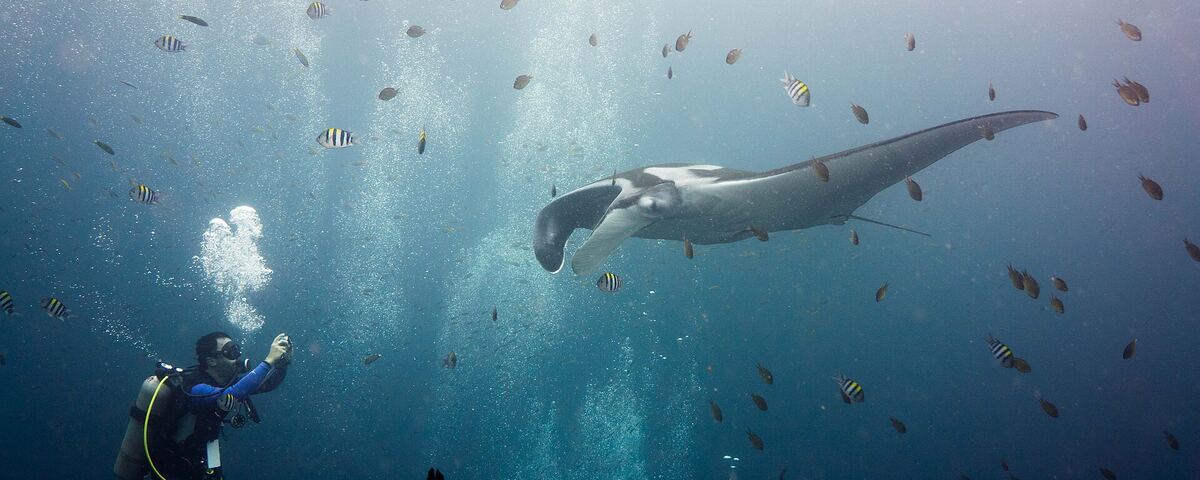
Schools of silversides are the visual centrepiece, forming shimmering clouds between the jetty pilings that part and reform as you swim through them. The sunlight filtering through the water surface creates shifting patterns in the silverside schools that are genuinely beautiful and remarkably photogenic.
The pilings themselves are encrusted ecosystems. Sponges, tunicates, and soft coral cover every surface, and the critters inhabiting this living skin include various species of nudibranch, flatworm, and commensal shrimp. Frogfish cling to sponge-covered pilings, their camouflage effective enough that most divers swim past without noticing them.
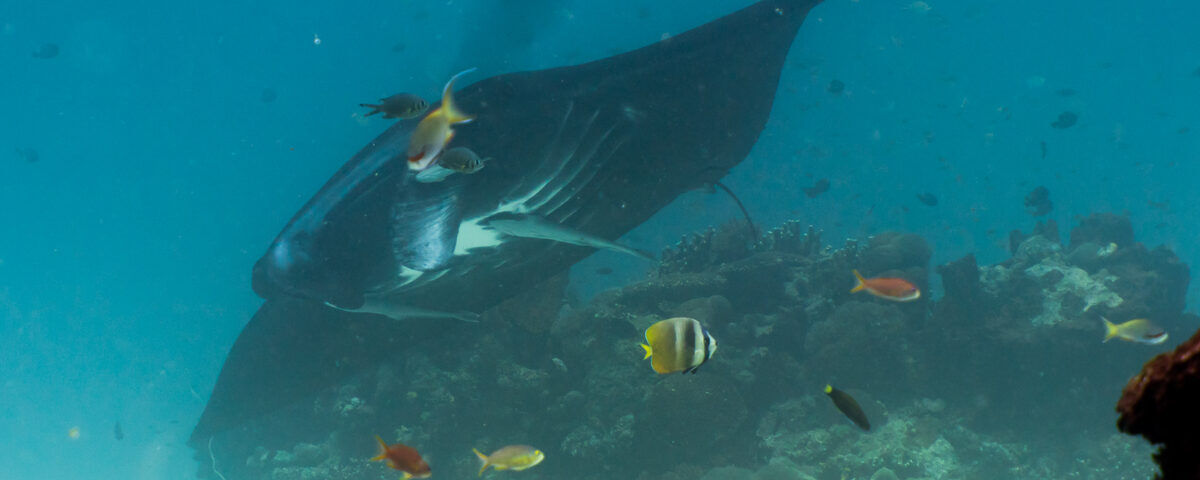
Juvenile fish congregate under the jetty in extraordinary numbers, using the structure for shelter. Juvenile sweetlips with their exaggerated swimming motion, juvenile batfish in dark colouring, and clouds of juvenile damselfish, chromis, and wrasse create a nursery atmosphere. The concentration of juveniles indicates the jetty's importance as nursery habitat within the broader reef system.
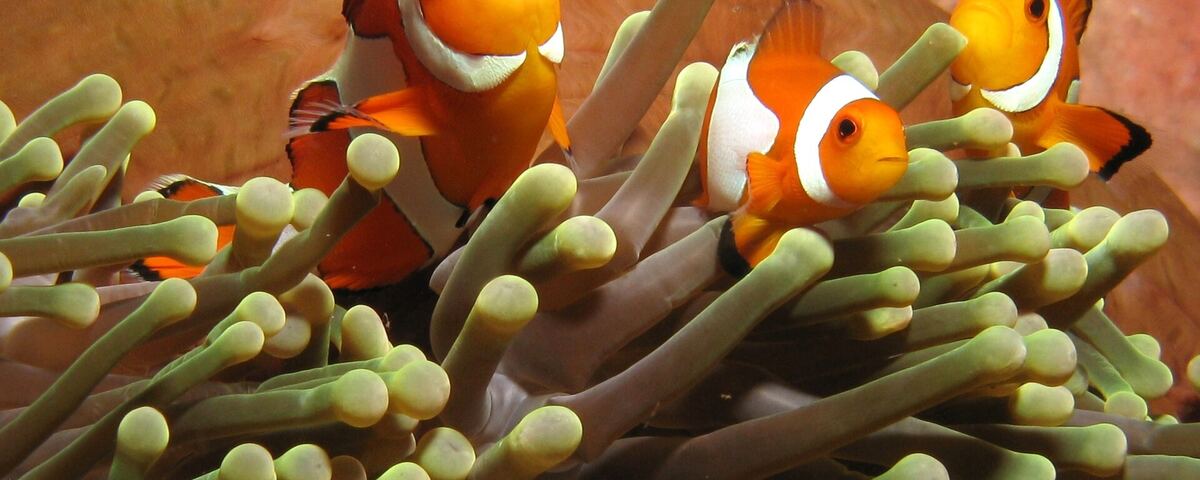
The coral reef surrounding the jetty supports a full complement of Raja Ampat species. Anemonefish in their host anemones, including the endemic Raja Ampat walking shark (Hemiscyllium halmahera) occasionally seen during twilight or night dives. Blue-spotted stingrays rest on the sand between coral heads. Cuttlefish hunt across the reef surface.
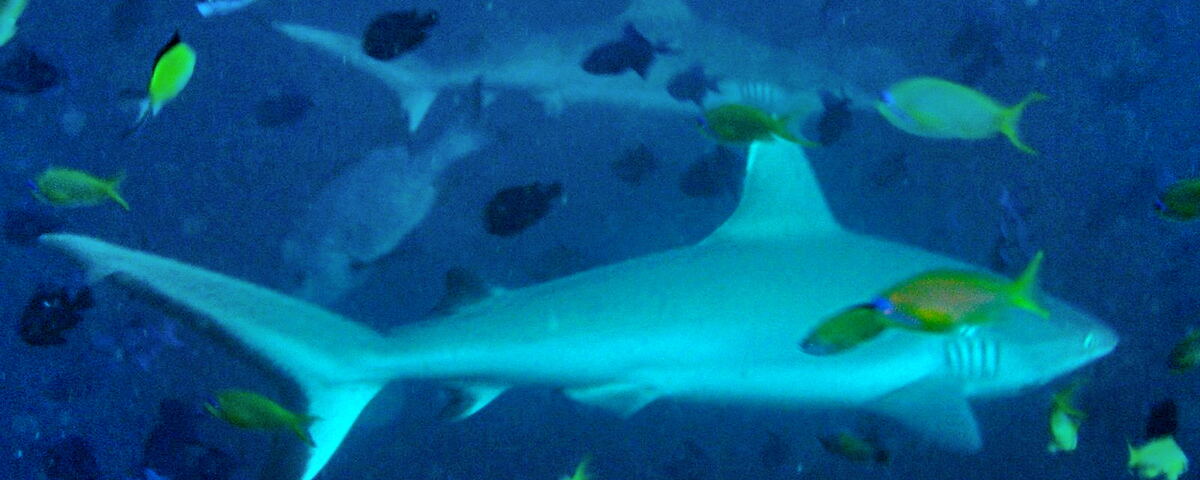
The walking sharks (epaulette sharks) are a genuine highlight. These small, bottom-dwelling sharks literally walk across the reef using their pectoral fins, typically active at dawn and dusk. Arborek Jetty is one of the most accessible sites to observe them, and dedicated dawn dives are offered by local operators specifically targeting walking shark encounters.
Mandarin fish (Synchiropus splendidus) emerge at dusk from the rubble areas near the jetty, performing their famous mating dance. This tiny, brilliantly coloured dragonet has become a bucket-list species for underwater photographers, and Arborek is one of the most reliable sites in Raja Ampat to observe the sunset courtship display.
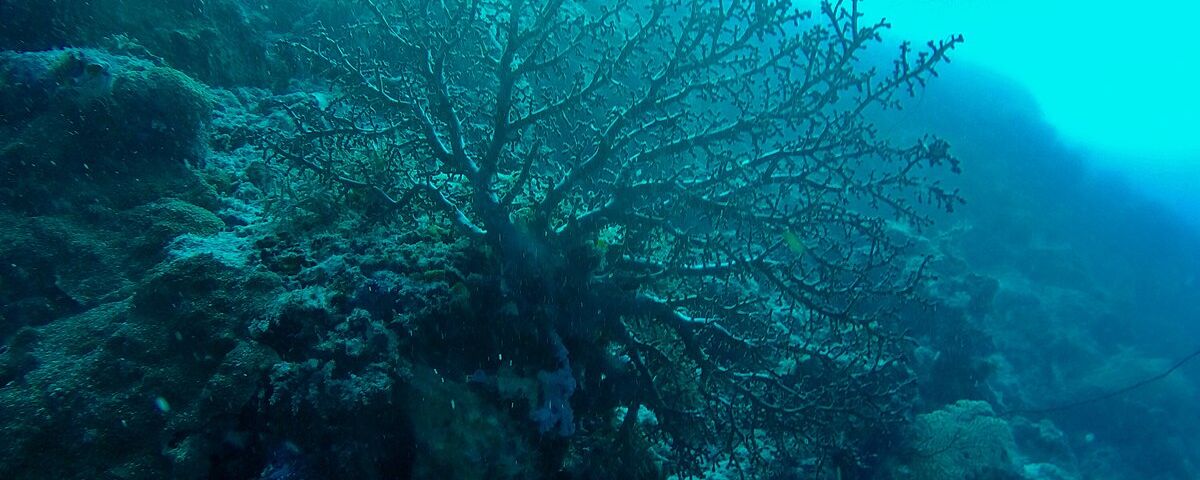
The jetty pilings function as vertical reef structures, each one hosting a distinct community depending on light exposure, current flow, and depth. The pilings on the current-exposed side support more filter-feeding organisms (sponges, tunicates), while the sheltered pilings have denser coral growth. Comparing pilings becomes part of the dive's entertainment as you notice how substrate orientation affects what grows on each surface.
Dive Conditions
Arborek Jetty is one of the most benign dive environments in Raja Ampat. Current is typically mild, rarely more than a gentle flow that doesn't affect comfort or safety. The jetty itself provides shelter from any tidal movement, and the shallow depth (maximum 12 metres, most diving between 2 and 8 metres) eliminates depth-related concerns.
Visibility ranges from 10 to 20 metres, occasionally reduced by sediment from village activity or tidal flow. The working distances for the subjects here are short (centimetres for macro, a few metres for the silverside schools), so visibility limitations rarely affect the experience.
Water temperature is warm at 27 to 30 degrees. A rash guard or thin wetsuit is sufficient for most divers, though longer dives in the shallows can produce surface chill from wind exposure.
The shallow profile allows exceptionally long dives. Ninety-minute dives are common for photographers, limited by air or boredom rather than decompression concerns. Night dives at Arborek Jetty are excellent, revealing the walking sharks, mandarin fish courtship, and nocturnal crustacean activity.
This site is genuinely suitable for all levels, from absolute beginners to professional photographers. The absence of depth, current, and navigational complexity makes it one of the safest dive environments in the region.
The jetty dive is also an excellent option for equipment testing and photography setup verification. The shallow, calm conditions allow photographers to adjust strobe positions, test new lens configurations, and practice techniques before committing to deeper or more demanding sites. Several professional underwater photographers use Arborek Jetty as a workshop location for exactly this reason.
⚓ Divemaster Notes
Arborek Jetty is where I bring people who think shallow diving is boring. Within 20 minutes, they're converts. The concentration of marine life in 12 metres of water is humbling, and it proves that depth has nothing to do with dive quality.
For the walking sharks, plan a dawn dive starting just before sunrise. The sharks are most active in the pre-dawn twilight, moving across the reef flat in search of prey. They're not aggressive (they eat invertebrates, not divers) and can be observed from close range without disturbing them. Red-filtered torches are best, as bright white light causes them to retreat.
The mandarin fish display happens at dusk, specifically in the rubble area to the east of the jetty. The fish emerge from their daytime hiding spots about 15 minutes before sunset, and the males display their colours to attract females before the brief mating dance. Patience and a macro lens are essential. The display lasts only a few minutes.
I tell photographers to plan three dives at Arborek: one during the day for the jetty pilings and silverside schools, one at dawn for the walking sharks, and one at dusk for the mandarin fish. Three dives, three completely different experiences, all in 12 metres of water.
One practical note: the village children love to snorkel alongside divers. They're skilled in the water and know the reef well. They're not a safety concern, but photographers who need quiet, still water for macro work should communicate this to the guides, who can arrange timing that works for everyone.
How to Get to Arborek Jetty
Arborek village and its jetty are in the Dampier Strait area of Raja Ampat, a short boat ride from the Kri Island resorts. Most Dampier Strait-based operators include Arborek Jetty on their dive schedules.
Reaching the Dampier Strait area involves flying to Sorong and taking a 2 to 3 hour fast boat. Arborek village itself has a small homestay operation for visitors who want to stay directly on the island.
Raja Ampat marine park entry fee applies (IDR 1,000,000 for foreign visitors).
When visiting Arborek village, be respectful of the community. The village is home to around 200 people who welcome visitors warmly. Small donations to the village fund are appreciated and contribute to community welfare.
Gear Recommendations
Minimal thermal protection needed: rash guard or thin wetsuit. Macro lens is the priority here for the critter subjects. Wide-angle also worthwhile for the silverside schools under the jetty. Torch essential for looking into pilings and for dawn/dusk dives. No reef hook, SMB, or current management gear needed. Long dive times benefit from Nitrox, though the shallow profile makes it less critical than at deeper sites.
Recommended Dive Operators
Papua Explorers and Papua Diving on Kri Island include Arborek Jetty on their regular schedules, with dedicated dawn and dusk dives for walking sharks and mandarin fish. The Arborek Dive Shop run by the local community offers guided dives directly from the village jetty. Liveaboard operators visiting the Dampier Strait invariably include Arborek on their itinerary.
Liveaboard Options
Arborek Jetty features on virtually every Raja Ampat liveaboard itinerary that passes through the Dampier Strait. The Damai, Dewi Nusantara, Grand Komodo, and Shakti all include it. Liveaboards typically offer a morning or afternoon dive at the jetty, sometimes combined with a village visit. The site's shallow, benign conditions also make it an excellent night dive option for liveaboard groups.